

We may earn a commission when you buy through links on this page, at no extra cost to you. Learn more.
Merlot with turkey is a strong pairing because Merlot’s supple texture, moderate tannins, and ripe plum and cherry flavors complement roast poultry without overwhelming its mild flavor. It works especially well with herb stuffing, gravy, and mashed potatoes, and a medium-bodied bottle can cover much of a traditional holiday plate. Choose a fresher, less heavily oaked style when cranberry sauce or bright vegetable sides take center stage.
Turkey may be the centerpiece, but the wine has to work with the entire plate: crisp skin, lean breast meat, richer dark meat, savory stuffing, salty gravy, sweet potatoes, and cranberry sauce. Merlot offers a useful middle ground between delicate reds and more forceful Cabernet Sauvignon, provided the bottle is matched to the cooking method and the sides.
Why Merlot Works With Roast Turkey
Merlot is a natural match for roast turkey because its fruit and round texture complement poultry while its tannins are usually gentler than those in Cabernet Sauvignon. Its medium body gives it enough presence for roast skin, pan juices, and savory accompaniments without turning a mild slice of breast meat into an afterthought.
The grape’s familiar flavors help explain the match. Bordeaux describes Merlot with notes of cherry, plum, fig, and violet, while bottle age can bring hints of chocolate or coffee. Those ripe-fruit and savory notes connect easily with roasted poultry, caramelized edges, and herbs such as sage and thyme. A wine with a little earthiness can also echo mushroom-based stuffing or roasted root vegetables. The broad rule for turkey is to avoid a red so tannic that it overwhelms the bird; Decanter’s turkey pairing guide likewise favors medium-bodied reds with understated tannins and refreshing acidity.
Texture matters as much as aroma. Merlot generally feels rounded and supple, with medium tannin rather than the firmer grip often associated with Cabernet Sauvignon. Turkey is relatively lean, so an aggressively tannic red can make the meat seem drier and can dominate its subtle flavor. Merlot’s softer structure is therefore an advantage, especially when the menu includes more than one preparation or several side dishes.
Merlot styles vary: cooler-climate bottles tend toward cherry, plum, bay leaf, and dried herbs, while warmer versions are darker and fuller. Choose the fresher style for a simple roast and the riper one for browned skin, sausage stuffing, or rich gravy.
Choose a Merlot Style for the Bird
For roast turkey with several sides, start with a medium-bodied Merlot with fresh fruit, moderate alcohol, and restrained oak. A balanced bottle works across white and dark meat, potatoes, stuffing, and vegetables. The same softer structure also suits other poultry dishes; see our guide to Merlot with chicken.
Cooler-climate and Bordeaux-inspired Merlot
Merlot from cooler areas often leans toward red cherry, dark plum, herbal notes, and a firmer savory edge. Bordeaux is the grape’s historic home; Merlot accounts for about 60% of the region’s AOP plantings and is especially important in Right Bank appellations such as Saint-Émilion and Pomerol, where it may lead a blend with Cabernet Franc. Clay-rich soils are particularly associated with Merlot on Bordeaux’s Right Bank, while gravel is also part of the region’s varied growing ground. These styles can be particularly good with sage stuffing, roasted mushrooms, thyme, and turkey gravy because their fruit does not have to compete with heavy sweetness. A Merlot-dominant Bordeaux blend can work well, too. Cabernet Franc or a measured amount of Cabernet Sauvignon adds shape, while Merlot contributes rounder fruit and texture. Look for a balanced blend with softened tannins if the turkey is simply roasted and the sides are delicate. Merlot often leads blends on Bordeaux’s Right Bank, including Saint-Émilion and Pomerol, while Cabernet Sauvignon more often leads on the Left Bank Médoc. That shift can change the match: a Cabernet-led wine may feel firmer and suit richer gravy or sausage stuffing better than plain breast meat. Bottle age can also soften tannins and bring savory, mature notes, making an older Bordeaux blend more adaptable at the table.
Riper California and other warm-climate styles
Warmer-climate Merlot, including examples from California, can show ripe blackberry, baked plum, cocoa, vanilla, and a fuller mouthfeel. That profile is appealing with smoked turkey, crisped skin, sausage dressing, or a dark, reduced gravy. It can also stand up to the savory depth of roasted legs better than an especially light red. Watch alcohol and oak: a very ripe wine can feel hot beside salty gravy, while heavy oak may overwhelm delicate herb stuffing. For an all-purpose bottle, choose fresh rather than jammy fruit and oak that stays in the background. Wine Enthusiast’s Merlot overview outlines the grape’s range from cooler-climate herbs and red fruit to more concentrated warm-region styles.
Match the Wine to Turkey Preparation
The cooking method changes turkey’s flavor and weight. Simply roasted breast needs a lighter Merlot than smoked legs or a bird served with sausage dressing and concentrated gravy.
Roast turkey: Choose a medium-bodied Merlot with cherry and plum fruit, moderate tannin, and restrained oak. Browned skin and pan juices bring savory intensity, while the meat remains mild. Salt from a brine can soften tannin and make a slightly firmer Merlot feel more generous. Smoked or grilled turkey: Move toward a riper Merlot with dark fruit and spice. Smoke can make a delicate red seem thin; a rounder California style meets it without the tannic intensity of young Cabernet Sauvignon. Grilled edges also connect with plum, blackberry, and cocoa notes.
Deep-fried turkey: Crisp coating and a richer mouthfeel can handle more body, but freshness is still useful. Choose clean fruit and enough acidity to refresh the palate. Avoid a highly alcoholic bottle with a spicy rub because alcohol and tannin amplify chili heat.
Breast versus dark meat: Lean breast suits a lighter Merlot or fresh Bordeaux blend; richer legs and thighs can take darker fruit and firmer structure. When serving both, choose for the breast so the wine does not overpower the milder cut. For guests who prefer a fruitier, bolder red, compare Zinfandel with turkey.
Pair Merlot With the Thanksgiving Sides
Sides can make Merlot feel like a natural match or an awkward one. Savory herbs are easy partners; very sweet or sharply acidic dishes need more care with a dry red.
Stuffing, gravy, and mashed potatoes
Bread stuffing with sage, thyme, onion, celery, and parsley suits Merlot’s plum, cherry, and herbal notes. Mushroom stuffing is also strong with an earthy Bordeaux-style bottle. Sausage stuffing adds fat, salt, and savory intensity, allowing a riper Merlot with more body and tannin.
Gravy and mashed potatoes add richness and salt. Salt and fat soften tannin, so a structured Merlot can work better with gravy than with plain breast meat. Buttery mash echoes the wine’s rounded texture; keep the gravy savory and avoid conspicuous oak that competes with roast flavors.
Cranberry sauce and sweet vegetables
Cranberry sauce is tricky because it can be both sweet and tart. A gently sweetened cooked sauce is easier with Merlot than a sharp, barely sweet relish. Very acidic cranberry can make moderate-acid red taste flat; serve a smaller portion or offer higher-acid Riesling or Pinot Noir.
Sweet potatoes, glazed carrots, and squash casserole bring sweetness. Dry Merlot can work when salt, herbs, or browned edges keep it in check; a sugary dish may make the wine taste harder. Wine should be at least as sweet as dessert, so save dry Merlot for savory courses rather than a very sweet finish.
Green vegetables and sharper flavors
Brussels sprouts, green beans, and mushrooms are easier with Merlot when prepared with oil, butter, garlic, or herbs rather than sharp vinegar. Fat cushions tannin, while browned vegetables bring savory sweetness. A little char or toasted breadcrumb also adds savory depth that helps a medium-bodied red hold its place beside the vegetables. With lemon or a strong vinaigrette, choose a wine whose acidity equals or exceeds the food’s, or serve dressing separately. Use restraint with hot pepper: chili can make alcohol and tannin seem more aggressive. Choose a lower-alcohol Merlot with soft tannins, or serve hot sauce separately. This is especially helpful when one bottle must cover several dishes, since the wine can stay balanced with the main plate even when diners add heat to individual portions.
Balance Sweetness, Acidity, Tannin, and Heat
Pairing is not simply red wine with dark meat. Sweetness, acidity, salt, fat, and spice can change how Merlot tastes from one bite to the next.
Sweetness: Dry Merlot is best with savory turkey and mildly sweet sides. Very sweet cranberry relish, glazed carrots, or sweet potato casserole can make it seem austere. Balance those dishes with salt and herbs, or choose a wine with residual sugar. For pie, select a wine at least as sweet as the dessert. Acidity: Merlot has moderate acidity, unlike high-acid Sauvignon Blanc or Riesling. It can handle moderate brightness, but sharply acidic cranberry, vinegar slaw, or lemon-forward vegetables may overwhelm it. Match acidic food with wine of equal or higher acidity; Pinot Noir, Riesling, or Sauvignon Blanc may be better for those dishes. Tannin, salt, and fat: Merlot’s medium tannin is generally more forgiving with poultry than Cabernet Sauvignon’s high tannin. Salt and fat soften tannin, which is why gravy, sausage stuffing, buttery potatoes, and crisp turkey skin can make the wine seem smoother. Lean breast meat without sauce is less forgiving, so keep the wine medium-bodied and avoid an unusually tannic blend.
Heat: Cayenne, chipotle, hot paprika, and chili glaze can make alcohol and tannin more intense. Choose a softer, lower-alcohol Merlot or serve the heat as a condiment; prioritize freshness over power. The Grape x Food method accounts for each component of a plate, from savory gravy and tart cranberry to sweet squash and chile heat.
Serve Merlot and Plan Each Bottle
Serving temperature and bottle planning help Merlot taste balanced. Serve it cool rather than warm; a young, full-bodied bottle may benefit from a short rest in a decanter.
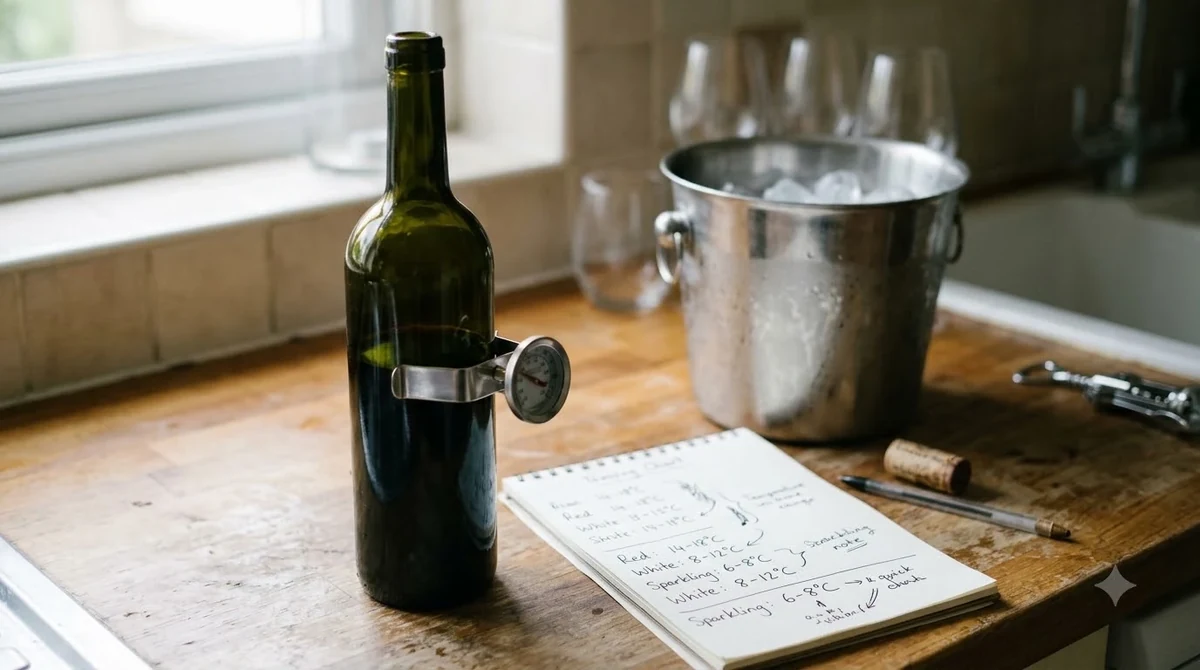
Serve medium or fuller Merlot around 60–65°F and lighter reds closer to 55–60°F. Too much warmth emphasizes alcohol; too much cold mutes aroma and firms tannin. A brief refrigerator chill can bring a room-temperature bottle closer to the target.
| Serving detail | Useful guideline | How it helps |
|---|---|---|
| Medium or fuller Merlot | 60–65°F | Lets ripe fruit and savory aromas show without emphasizing alcohol |
| Lighter Merlot | 55–60°F | Keeps the wine fresh alongside lean turkey breast |
| Young, full-bodied red | Decant 30–60 minutes | Gives a structured wine time to open before the meal |
| Standard bottle | 750 ml; about five 5 oz pours | Provides a simple estimate for planning table service |
| Opened still wine | Refrigerate; usually 3–5 days | Slows oxidation so remaining wine keeps better |
Tip: Open a young, structured Merlot 30–60 minutes before serving if it seems tight or tannic. Pour a small taste first; a lighter, fruit-forward bottle may need little or no decanting.
Plan one 750 ml bottle for about five 5 oz pours. For a long meal, account for guests who prefer white wine or drink less, and consider a second style. Chardonnay with turkey is a good alternative beside rich gravy or creamy sides. Refrigerate and reseal opened still wine; use it within 3–5 days and let it warm slightly before the next pour. Store unopened bottles on their sides near 55°F, away from sunlight and temperature swings.
Frequently Asked Questions
These answers address leftovers, regional styles, blends, and serving guests with different preferences.
Can Merlot work with cold turkey leftovers?
Yes. A sandwich with roasted peppers, mushrooms, or mild mustard can suit a fruit-forward Merlot. With lean turkey, lettuce, and sharp pickles, a lighter red may feel fresher than a dense, oak-heavy bottle.
Should I choose Merlot from Bordeaux or California for turkey?
Both can work, but their profiles differ: Bordeaux Merlot from Pomerol or Saint-Émilion can show earthy, herbal complexity, while warmer California examples tend to bring riper fruit and more weight. Chilean Merlot offers another option, often with a restrained, medium-bodied profile. Choose according to the sides, not a regional rule.
Is a Merlot blend suitable for Thanksgiving?
Yes. Bordeaux blends can combine Merlot with Cabernet Sauvignon, Cabernet Franc, Petit Verdot, or Malbec. A Merlot-led blend with moderate supporting tannin can match turkey and savory stuffing.
Can I serve Merlot alongside both turkey and ham?
A medium-bodied Merlot can bridge roast turkey and moderately salty ham without a very sweet glaze. A honey or brown-sugar coating may make a dry red seem austere, so offer a fruitier or slightly off-dry wine with glazed ham.
What glass should I use for Merlot at dinner?
Use a red-wine glass with a bowl wide enough to gather fruit and savory aromas. A larger bowl suits structured Merlot or Bordeaux blends; an everyday glass is fine for a lighter bottle.
Merlot is a dependable red for turkey when its body, tannin, and fruit are in balance with the bird and its sides. Choose a fresher style for roast breast and herb stuffing, or a riper bottle for smoke, dark meat, and richer gravy; then let the sweetest and most acidic dishes guide any additional wine choices.
More in Food & Wine Pairing
 Risotto With White Wine Recipe: Make a Creamy Dinner at HomeUpdated Nov 20, 2026
 Wassail With Wine Recipe for a Festive Spiced Holiday DrinkUpdated Nov 20, 2026
 Spritz Veneziano Recipe: Make a Classic Venetian Aperitivo at HomeUpdated Nov 20, 2026
 Summer Wine Punch Recipe for Easy Homemade EntertainingUpdated Nov 20, 2026
 Bishop Recipe: How to Make a Bright, Citrus-Forward Red Wine CocktailUpdated Nov 20, 2026
 Wine Cupcakes Recipe: Bake Rich Chocolate Cupcakes at HomeUpdated Nov 20, 2026