

We may earn a commission when you buy through links on this page, at no extra cost to you. Learn more.
Sauvignon Blanc with turkey is an excellent pairing because the wine’s high acidity, crisp citrus flavors, and herbal aromas complement mild turkey meat and traditional savory seasonings. It works particularly well with herb-roasted or brined turkey, sage stuffing, green vegetables, and lighter gravy. Choose a mineral-driven Loire Valley bottle for a restrained, herb-focused meal or a fruitier Marlborough Sauvignon Blanc when the table includes sweeter sides and stronger flavors.
Turkey is one of the most adaptable meats for wine pairing, but a holiday dinner involves more than the bird. Butter-rich mashed potatoes, roasted vegetables, cranberry sauce, gravy, and seasoned stuffing all influence which wine will work best. Sauvignon Blanc brings freshness to this varied menu without overpowering the delicate flavor of turkey breast. Understanding the differences between regional styles and cooking methods makes it easier to choose a bottle that complements the entire meal.
Why Sauvignon Blanc Works So Well With Turkey
Sauvignon Blanc works with turkey because its bright acidity refreshes the palate, while its citrus and herbal aromas complement the meat’s mild savory character. Its relatively light to medium body also makes it suitable for lean white meat and a variety of traditional holiday sides.
Turkey breast has a delicate flavor and relatively little fat compared with richer cuts of meat. A heavily tannic red can overwhelm that subtle character, while a crisp white wine offers a different kind of balance. Sauvignon Blanc’s acidity provides contrast to the savory flavors of roasted poultry and helps keep each bite from feeling too rich.
The grape also has a natural connection with the herbs commonly used in turkey recipes. Fresh-cut grass, green apple, grapefruit, lime, and gooseberry are familiar Sauvignon Blanc flavor characteristics. Depending on the wine’s origin, it may also display notes of passion fruit, lemon zest, bell pepper, or fresh herbs. These aromas complement rosemary, thyme, parsley, and sage in a traditional turkey seasoning blend.
Another advantage is that Sauvignon Blanc can accommodate different parts of the meal. Its refreshing character works with turkey breast, roasted green beans, and salads, while its fruit flavors provide a pleasant contrast to buttery stuffing and savory gravy. The wine does not need to match every ingredient individually. Instead, it creates a useful connection between the mild poultry and the more flavorful components of the plate.
For the strongest pairing, look for a dry Sauvignon Blanc with noticeable acidity and moderate alcohol. Very heavy oak influence can make the wine feel less refreshing, while a highly aromatic, fruit-forward example may be more suitable for a menu with sweet potatoes or fruit-based sauces.
Choosing Between Loire Valley and New Zealand Sauvignon Blanc
The two most useful regional styles for a turkey dinner are Loire Valley Sauvignon Blanc from France and Marlborough Sauvignon Blanc from New Zealand. Loire wines generally emphasize citrus, mineral character, and restrained herbal aromas, while Marlborough bottles often deliver more pronounced tropical fruit and pungent freshness.
Loire Valley Sauvignon Blanc is particularly useful for a traditional herb-roasted turkey. Bottles from Sancerre and Pouilly-Fumé commonly feature lemon, green apple, gooseberry, and mineral impressions. Their restrained fruit character allows rosemary, thyme, and sage to remain prominent without making the combination taste overly sweet or perfumed.
Marlborough, on New Zealand’s South Island, offers another appealing approach. Its Sauvignon Blanc wines often show grapefruit, passion fruit, lime, and fresh green aromas. These stronger fruit characteristics work well with turkey served alongside glazed carrots, sweet potato casserole, cranberry relish, or fruit-based stuffing.
Neither region is automatically better. The best choice depends on the intensity of the food and the flavor profile preferred by the people at the table. A Loire wine suits a restrained menu with roasted poultry and green vegetables, while a Marlborough wine is particularly attractive when the meal includes several sweet, tangy, or aromatic dishes.
For additional background on the grape’s regional characteristics, consult The Wine Society’s Sauvignon Blanc grape guide, which explains the differences between Loire Valley examples and other major growing regions.
| Wine style | Typical characteristics | Best turkey pairing |
|---|---|---|
| Sancerre, France | Citrus, green apple, mineral notes | Herb-roasted turkey breast |
| Pouilly-Fumé, France | Gooseberry, citrus, flinty character | Roasted turkey and savory stuffing |
| Marlborough, New Zealand | Passion fruit, grapefruit, lime | Turkey with cranberry sauce |
| California Sauvignon Blanc | Citrus, melon, ripe fruit | Roasted turkey and vegetable sides |
| Oaked Sauvignon Blanc | Richer texture, softer fruit, oak influence | Turkey with creamy gravy |
These are general regional tendencies rather than fixed rules. Growing conditions, harvest timing, blending, and winemaking decisions can produce considerable variation within each region. For additional pairing ideas, explore our guide to Grape x Food, which explains how wine characteristics influence food combinations.
Pairing Sauvignon Blanc With Turkey Breast and Dark Meat
Turkey breast is the easiest part of the bird to match with crisp Sauvignon Blanc because its lean texture and mild flavor suit a light, acidic white wine. Dark meat has a richer savory character, so a more concentrated Sauvignon Blanc can provide a better balance.
For roasted turkey breast, start with a dry Loire Valley Sauvignon Blanc. Its citrus and mineral qualities complement the natural flavor of the meat without introducing too much sweetness. A simple preparation with olive oil, lemon, black pepper, and thyme is especially compatible with this style.
Brined turkey breast is another excellent match. Brining helps retain moisture and seasons the meat throughout, creating a savory flavor that works with Sauvignon Blanc’s freshness. A Marlborough bottle with grapefruit and passion fruit notes can provide a pleasant contrast to the salt and herbs. This is one of the strongest reasons to serve Sauvignon Blanc at a holiday meal rather than reserving it exclusively for seafood.
Dark meat from the thighs and legs has more pronounced flavor and a richer texture. It can handle a Sauvignon Blanc with fuller fruit character or slightly greater texture. A California example with ripe citrus and melon flavors may be more satisfying than an extremely lean, restrained wine.
However, Sauvignon Blanc is not limited to white meat. The key is to avoid choosing a very delicate wine for heavily seasoned turkey legs or intensely flavored preparations. If the dark meat is covered in a thick, sweet glaze or strongly spiced sauce, a dry Riesling or a fruit-forward red may be more suitable.
Roasted skin and seasoning
Crispy turkey skin adds fat and roasted savory flavors to the dish. Sauvignon Blanc’s acidity provides a useful contrast, particularly when the bird is seasoned with lemon, garlic, rosemary, and thyme. If the skin is heavily buttered, a fruitier wine with a little more body can prevent the combination from feeling too sharp.
For guests who prefer red wine with dark turkey meat, Pinot Noir is another practical option. Its low-to-medium tannin level and high acidity make it more compatible with poultry than a powerful Cabernet Sauvignon. Compare the alternatives in our article about Cabernet Sauvignon with turkey.
Matching Sauvignon Blanc With Stuffing, Gravy, and Vegetables
The side dishes often determine whether Sauvignon Blanc becomes an excellent turkey pairing or merely an acceptable one. Herb stuffing, green vegetables, and citrus-seasoned dishes are particularly compatible, while rich gravy and sweet casseroles require a little more attention.
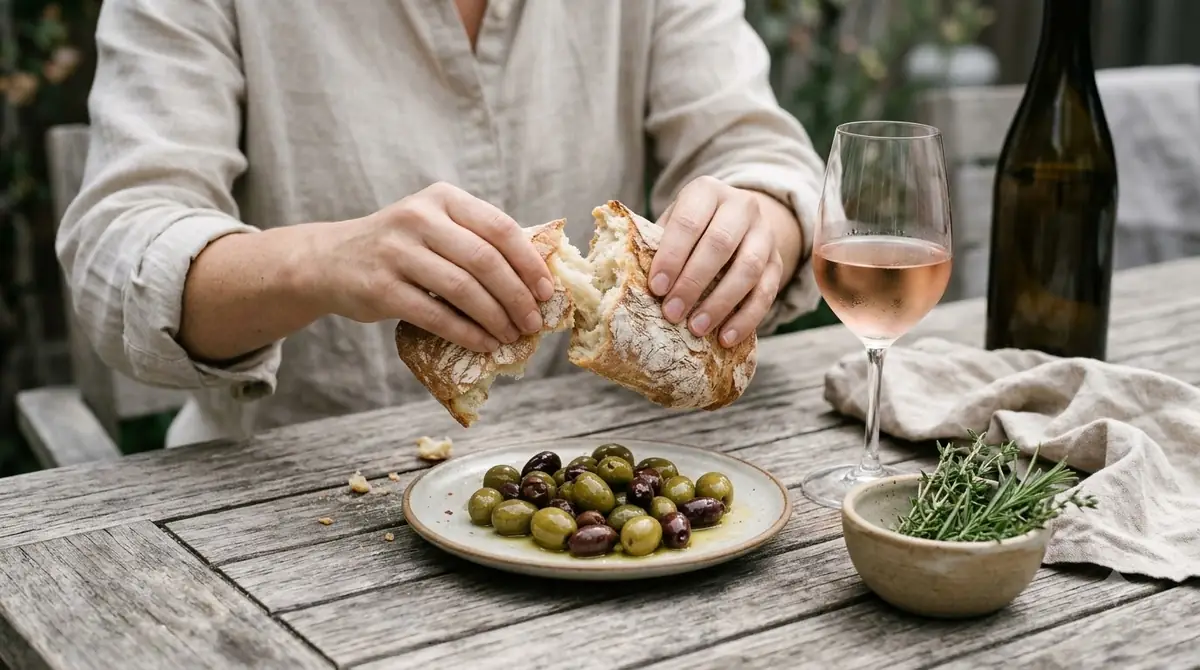
Traditional stuffing frequently contains bread, butter, onions, celery, sage, thyme, and rosemary. These ingredients create a savory, aromatic combination that suits Sauvignon Blanc’s herbal character. A Loire Valley wine is a natural choice when the stuffing emphasizes fresh herbs rather than dried fruit or sweet ingredients.
Gravy introduces a different challenge because it adds fat, salt, and concentrated savory flavor. Sauvignon Blanc can refresh the palate between bites, but an extremely lean wine may feel thin beside a particularly rich gravy. Choose a slightly fuller example with ripe fruit, or serve the wine alongside turkey and vegetables rather than expecting it to complement every spoonful of gravy.
Green vegetables are among the easiest side dishes to match. Asparagus, green beans, peas, Brussels sprouts, and leafy salads work well with Sauvignon Blanc’s fresh herbal notes. Roasted asparagus with lemon is especially suitable because the citrus seasoning reinforces the wine’s acidity.
Mashed potatoes and buttered vegetables are also possible matches. Their creamy texture benefits from a refreshing white wine, although a very buttery preparation may call for a Sauvignon Blanc with more body. A crisp bottle can provide contrast rather than trying to reproduce the richness of the food.
Sweet potatoes and cranberry sauce
Sweet potato casserole, honey-glazed carrots, and cranberry sauce introduce sweetness that can make a very dry wine seem sharper. A fruit-forward Marlborough Sauvignon Blanc is a practical choice because its passion fruit and citrus aromas provide a pleasant flavor contrast.
Still, a particularly sweet side dish can overwhelm a bone-dry Sauvignon Blanc. The general pairing principle is that wine should be at least as sweet as the dessert or sweet component it accompanies. If cranberry sauce is heavily sweetened or sweet potatoes contain marshmallows and brown sugar, consider serving a slightly sweeter wine, such as an off-dry Riesling, alongside those dishes.
Cranberry sauce also has pronounced acidity. The wine needs enough acidity to remain balanced beside it. Sauvignon Blanc generally has the freshness required, but the level of sweetness in the sauce matters just as much as its tartness.
Best Sauvignon Blanc Styles for Roasted, Smoked, and Fried Turkey
Cooking method changes the intensity, texture, and seasoning of turkey, which means the most suitable Sauvignon Blanc can change too. Roasting and brining are the strongest matches, while heavily smoked or deep-fried preparations may benefit from a fuller wine or an alternative style.
Roasted turkey is a reliable partner for Sauvignon Blanc. The gentle caramelization of the skin, savory meat, and fresh herbs create a balanced combination for citrus-driven whites. A Sancerre or Pouilly-Fumé is particularly appropriate when the recipe uses lemon, rosemary, garlic, and thyme.
Herb-brined turkey is another strong match. The brine seasons the meat, while herbs provide aromatic similarities to the wine. A bright New Zealand Sauvignon Blanc complements the combination with grapefruit and tropical fruit notes. Kendall-Jackson also identifies Sauvignon Blanc as a suitable option for herb-brined turkey in its turkey pairing recommendations.
Smoked turkey is more complicated. Smoke contributes a deep, earthy flavor that can overpower a delicate Sauvignon Blanc. A fuller, fruitier white may work if the smoke is relatively restrained, but an aromatic off-dry Riesling or a medium-bodied red such as Syrah can be a better choice for strongly smoked poultry.
Fried turkey presents a different challenge because its crisp coating and oil create a richer mouthfeel. High acidity can help refresh the palate, making Sauvignon Blanc a possible pairing. However, sparkling wine is another particularly useful choice because its acidity and bubbles provide contrast to the fried exterior.
For a practical comparison, consider these preparation-based recommendations:
- Herb-roasted turkey: Choose dry Loire Valley Sauvignon Blanc with citrus and mineral notes.
- Herb-brined turkey: Choose Marlborough Sauvignon Blanc with grapefruit and passion fruit aromas.
- Smoked turkey: Choose a fuller white or consider off-dry Riesling.
- Fried turkey: Choose a fruit-forward Sauvignon Blanc or traditional sparkling wine.
- Turkey with lemon and garlic: Choose a crisp, dry Sauvignon Blanc with pronounced citrus character.
- Turkey with sweet glaze: Choose a fruitier wine, or consider a wine with some residual sweetness.
The seasoning deserves as much attention as the cooking method. A lightly smoked turkey with fresh herbs may still work with Sauvignon Blanc, while a heavily smoked bird covered in sweet barbecue sauce can require a completely different pairing.
Serving Temperature, Glassware, and Bottle Quantities
Sauvignon Blanc is best served chilled at approximately 45–50 degrees Fahrenheit. This temperature keeps its citrus and herbal aromas fresh while preserving enough flavor for the wine to complement roasted turkey and seasoned side dishes.
Serving the wine directly from a very cold refrigerator can mute its aromas. If the bottle is excessively cold, allow it a few minutes to warm before pouring. A moderately chilled Sauvignon Blanc generally shows more complexity than one served almost frozen.
A standard white wine glass is suitable for Sauvignon Blanc. A medium-sized bowl allows the aromas to collect while keeping the wine relatively cool. There is no need for specialized glassware to enjoy the pairing successfully.
For planning purposes, a standard 750-milliliter bottle provides approximately five servings when each glass contains 5 ounces. The following table provides a simple estimate for a turkey dinner.
| Guests | 750 ml bottles | Approximate glasses |
|---|---|---|
| 2 | 1 | 5 |
| 4 | 2 | 10 |
| 6 | 3 | 15 |
| 8 | 4 | 20 |
| 10 | 5 | 25 |
| 12 | 6 | 30 |
These quantities assume approximately one 5-ounce glass per guest. Actual consumption depends on the length of the meal, the number of other beverages available, and individual preferences. If guests will enjoy wine before dinner as well as during the meal, additional bottles may be appropriate.
Tip: Chill Sauvignon Blanc before guests arrive and keep unopened bottles in an ice bucket during dinner. Pour approximately 5 ounces per glass, leaving enough room for the wine’s citrus and herbal aromas to develop. If a bottle remains after the meal, reseal it and refrigerate it for approximately 3–5 days.
When serving several wines, start with Sauvignon Blanc before moving to fuller-bodied whites or reds. Its crisp character makes it a useful opening wine, especially when guests begin with salads, appetizers, and lighter turkey preparations.
When Another Wine Is Better for Turkey
Sauvignon Blanc is an excellent option, but it is not the best match for every turkey recipe or holiday menu. Rich sauces, sweet glazes, intense smoke, and heavily seasoned dishes may benefit from wines with different levels of body, fruit, or sweetness.
Chardonnay is a useful alternative for roasted turkey with buttery mashed potatoes, creamy sauces, and rich gravy. Its medium acidity and fuller texture can complement dishes that might make a very crisp Sauvignon Blanc seem too lean. A lightly oaked Chardonnay provides additional texture without dominating the poultry.
Riesling is particularly helpful when the menu includes cranberry sauce, sweet potatoes, glazed carrots, or fruit-based stuffing. Its high acidity balances sweetness, while an off-dry version has enough residual sugar to remain harmonious beside sweeter dishes. This is a useful choice for guests who find completely dry Sauvignon Blanc too sharp with sweet accompaniments.
Pinot Noir is a reliable red alternative. Its low-to-medium tannin level, fresh acidity, and red fruit flavors work with both turkey breast and dark meat. It is especially appropriate when the meal includes mushroom stuffing, roasted root vegetables, or cranberry sauce.
Cabernet Sauvignon requires more care. Its high tannin level and stronger structure can overwhelm lean turkey breast. It may work with richer preparations and guests who strongly prefer bold reds, but it is generally less versatile across a traditional holiday spread than Sauvignon Blanc or Pinot Noir.
Another consideration is the other food on the plate. Salt and fat soften tannin, while acidic foods need wines with equal or higher acidity. Chili heat can become more pronounced alongside alcohol and tannin, so heavily spiced turkey is not always an ideal match for powerful red wines.
For seafood appetizers served before the turkey, Sauvignon Blanc also offers considerable flexibility. Its acidity and citrus character can complement lighter seafood dishes, including the combinations discussed in our articles about Sauvignon Blanc with lobster and Sauvignon Blanc with salmon. The preparation matters: delicate lobster and herb-seasoned seafood generally suit crisp whites better than oily fish served with a tannic red.
The most useful strategy is to select wine according to the strongest flavors on the menu rather than the turkey alone. If the main plate is dominated by herbs and roasted vegetables, Sauvignon Blanc is a natural choice. If sweet sauces or rich cream-based dishes dominate, offering another white alongside it gives guests more flexibility.
Frequently Asked Questions
Is Sauvignon Blanc traditionally served at Thanksgiving?
Yes, Sauvignon Blanc is a recognized white wine option for Thanksgiving, although Chardonnay, Riesling, Pinot Noir, and sparkling wine are also common choices. Its herbal character makes it particularly appropriate for menus featuring sage-seasoned stuffing and roasted green vegetables. It is also suitable for guests who prefer a refreshing, dry white wine.
Can Sauvignon Blanc be used in turkey cooking?
Yes, dry Sauvignon Blanc can be used in pan sauces, light poultry reductions, and some marinades. A small amount can add citrus-like acidity to a sauce made with turkey drippings, stock, and herbs. Avoid using a wine with noticeable sweetness if the recipe is intended to remain savory.
Does Sauvignon Blanc pair with leftover turkey sandwiches?
Yes, Sauvignon Blanc works with leftover turkey sandwiches, particularly those containing lettuce, tomato, mustard, and cranberry sauce. Its acidity complements the fresh toppings, while citrus flavors provide contrast to the bread and poultry. A fruit-forward style is especially suitable for sandwiches with cranberry relish.
Should Sauvignon Blanc be decanted before serving turkey?
Most young Sauvignon Blanc does not require decanting because its fresh aromatic profile is intended to be enjoyed soon after opening. Opening the bottle approximately 10–15 minutes before serving is generally sufficient. Older or unusually structured examples may benefit from brief aeration, but extended decanting is rarely necessary for everyday Sauvignon Blanc.
Can Sauvignon Blanc pair with turkey served cold?
Yes, chilled turkey served as part of a buffet, salad, or sandwich platter can pair nicely with Sauvignon Blanc. The wine’s citrus and herbal notes work especially well with cucumber, lettuce, fresh parsley, and lemon-based dressings. Avoid overly sweet salad dressings if serving a completely dry example.
Sauvignon Blanc with turkey is a dependable pairing for herb-roasted poultry, brined turkey breast, savory stuffing, and fresh vegetable sides. Choose Loire Valley wines for restrained mineral freshness or Marlborough bottles for brighter tropical fruit, and serve them at 45–50 degrees Fahrenheit. With the right regional style and attention to the side dishes, Sauvignon Blanc can be one of the most versatile wines on a traditional turkey dinner table.
More in Food & Wine Pairing
 Risotto With White Wine Recipe: Make a Creamy Dinner at HomeUpdated Nov 20, 2026
 Wassail With Wine Recipe for a Festive Spiced Holiday DrinkUpdated Nov 20, 2026
 Spritz Veneziano Recipe: Make a Classic Venetian Aperitivo at HomeUpdated Nov 20, 2026
 Summer Wine Punch Recipe for Easy Homemade EntertainingUpdated Nov 20, 2026
 Bishop Recipe: How to Make a Bright, Citrus-Forward Red Wine CocktailUpdated Nov 20, 2026
 Wine Cupcakes Recipe: Bake Rich Chocolate Cupcakes at HomeUpdated Nov 20, 2026