

We may earn a commission when you buy through links on this page, at no extra cost to you. Learn more.
Pinot noir with lasagna is a delicious pairing, particularly when the wine has bright acidity, gentle tannins, and enough fruit to complement tomato sauce, meat, and cheese. A medium-bodied Pinot Noir works especially well with mushroom lasagna, vegetable lasagna, and lighter meat-based recipes. For a traditional, heavily layered beef lasagna, choose a fruit-forward Pinot Noir with good acidity and enough concentration to stand alongside the rich filling.
Lasagna brings several different flavors to the table: acidic tomatoes, savory meat, creamy ricotta, melted mozzarella, Parmesan, and aromatic herbs. That combination makes choosing a wine more interesting than simply selecting any red that goes with beef or pasta. Pinot Noir offers a useful balance of freshness, red-fruit character, and restrained tannins. The best match depends on the sauce, filling, cheese, and overall richness of the recipe.
Why Pinot Noir Works With Lasagna
Pinot Noir works with lasagna because its acidity complements tomato sauce while its moderate body and gentle tannins suit the dish’s meat and cheese. Its red-fruit flavors also provide a pleasant contrast to savory ingredients without overwhelming the layered flavors.

One of the most important elements is acidity. Tomatoes naturally contain acid, and a wine without enough freshness can taste dull beside a tomato-heavy meal. Pinot Noir generally has the lively acidity needed to remain refreshing between bites of sauce, pasta, and cheese. That freshness is particularly helpful when the lasagna contains a generous amount of tomato passata or crushed tomatoes.
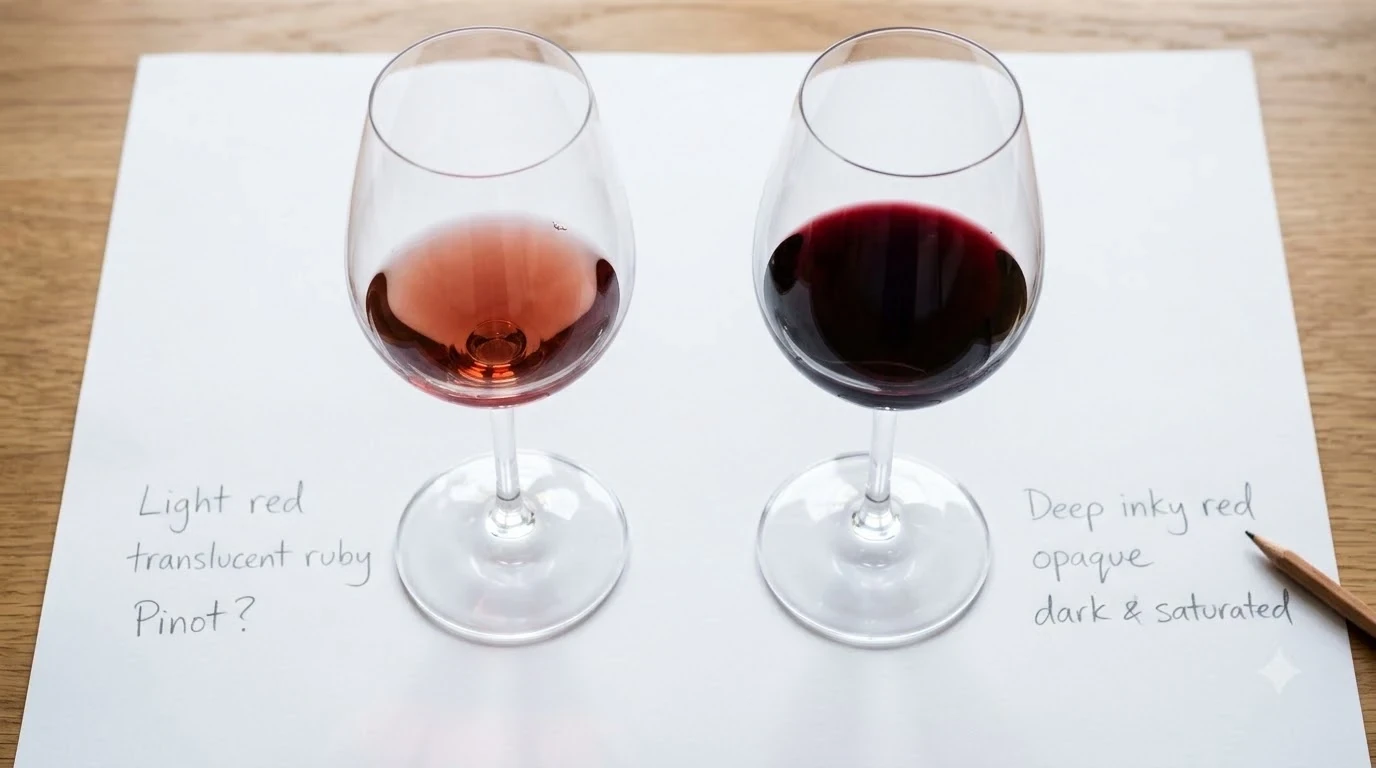
The grape’s tannins are another advantage. Tannins create the drying sensation associated with many red wines. Cabernet Sauvignon, for example, generally has high tannin, while Pinot Noir usually has low-to-medium tannin. The gentler structure makes Pinot Noir less likely to dominate the delicate flavors of ricotta, mozzarella, and fresh herbs.
Its aromas are equally useful. Depending on its origin and winemaking style, Pinot Noir can show strawberry, raspberry, cherry, earthy mushroom, tea, and baking-spice characteristics. These flavors naturally complement ingredients frequently found in lasagna, including ground beef, mushrooms, oregano, thyme, basil, and browned cheese.
There is an important distinction between a good pairing and a perfect pairing. A light, delicate Pinot Noir might disappear beside a deeply concentrated meat ragù, while a fuller, fruitier example can handle the same recipe comfortably. Matching the wine’s weight to the dish is therefore just as important as matching its flavors.
For more combinations involving this grape, explore Grape x Food for practical wine and food pairing principles.
Choosing Pinot Noir for Different Lasagna Styles
The most suitable Pinot Noir depends on what fills the layers. Mushroom and vegetable recipes often suit lighter, earthier bottles, while beef and sausage versions benefit from more concentrated fruit and structure.
Traditional meat lasagna typically combines ground beef or pork, tomato sauce, pasta sheets, ricotta or béchamel, and mozzarella. This is a substantial dish, so choose a medium-bodied Pinot Noir with ripe cherry and raspberry flavors. A wine with some earthy character can add another layer of interest to the meat and herbs.
For mushroom lasagna, look for Pinot Noir with recognizable earthy and savory notes. Mushrooms contain umami-rich flavors that can make an earthy wine taste particularly harmonious. Burgundy and Oregon are useful places to explore because Pinot Noir from these regions can show mushroom, forest-floor, and herbal characteristics alongside red fruit.
Vegetable lasagna is another excellent option. Zucchini, eggplant, spinach, roasted peppers, and mushrooms create a filling that is generally less heavy than beef ragù. A lighter Pinot Noir with fresh strawberry and cherry aromas can complement the vegetables without masking their individual flavors.
White lasagna presents a different challenge. Recipes made with béchamel, ricotta, chicken, or mushrooms have more creamy richness and less tomato acidity. Pinot Noir can still work, particularly when mushrooms or roasted vegetables add savory depth. Choose a fresh, relatively light example rather than a powerful, heavily oaked red.
| Lasagna style | Best Pinot Noir profile | Pairing reason |
|---|---|---|
| Beef and tomato | Medium-bodied, ripe cherry fruit | Matches meat richness and tomato acidity |
| Sausage and tomato | Fruit-forward, moderate alcohol | Balances savory seasoning without excessive tannin |
| Mushroom | Earthy, savory, fresh acidity | Echoes mushroom and herbal flavors |
| Vegetable | Light-bodied, red-fruited | Complements vegetables without overpowering them |
| Spinach and ricotta | Fresh, medium-bodied | Provides freshness alongside creamy cheese |
| White béchamel | Elegant, lightly oaked | Balances creaminess with acidity |
The table provides a starting point rather than a strict set of rules. A beef lasagna with a modest amount of tomato sauce may need a different wine from one with a long-simmered, concentrated ragù. Likewise, a vegetable lasagna with roasted eggplant and mushrooms can be richer than a lighter recipe made mostly with zucchini and spinach.
Best Pinot Noir Regions and Styles for Lasagna
Burgundy, Oregon’s Willamette Valley, and California’s cooler coastal regions are useful starting points for finding Pinot Noir to serve with lasagna. Each offers different combinations of fruit, acidity, body, and savory character.
Burgundy, France: Burgundy is the traditional home of Pinot Noir and a particularly interesting choice for mushroom, beef, and herb-based lasagna. Depending on the appellation and producer, Burgundy can offer red cherry, earthy notes, subtle spice, and restrained fruit. These characteristics work well with recipes containing mushrooms, Parmesan, and fresh thyme.
Willamette Valley, Oregon: Oregon Pinot Noir is another strong candidate. The Willamette Valley Wineries Association describes regional Pinot Noir through characteristics that include bright acidity, fine tannins, red and black fruit, herbs, and mushroom-like savory notes. These qualities make the region’s wines particularly adaptable to lasagna containing mushrooms, roasted vegetables, or moderately rich meat sauce.
Individual subregions can offer different expressions. Dundee Hills wines can show rose, chamomile, and blueberry characteristics, while Yamhill-Carlton wines may display mushroom, fennel, violet, and blackcurrant notes. Eola-Amity Hills Pinot Noir can show blackberry, cinnamon, and bay leaf. These differences provide useful clues when choosing a bottle to complement the dominant ingredients in a recipe.
California: California Pinot Noir covers a broad range of styles. Cooler coastal growing areas can produce wines with fresh acidity, red berries, and moderate body. Warmer locations can yield riper fruit, more pronounced cherry flavors, and a fuller impression. For tomato-rich meat lasagna, a moderately concentrated California Pinot Noir can be a satisfying choice.
New Zealand: New Zealand is another region worth considering. Pinot Noir from areas such as Marlborough can offer bright fruit and fresh acidity. A fruit-forward style can work particularly well with tomato sauce, roasted vegetables, and moderately seasoned meat fillings.
There is no single region that wins every pairing. The recipe should determine the style. A delicate Burgundy may be especially appealing with mushroom and spinach lasagna, while a riper California or Oregon example can be more suitable for a substantial beef ragù.
Matching Tomato Sauce, Meat, and Cheese
Successful lasagna pairing requires balancing three major components: tomato acidity, the richness of meat, and the fat and salt in cheese. Pinot Noir can handle these elements when the recipe and wine have compatible intensity.
Tomato sauce: Tomato acidity is one of the strongest reasons to choose a fresh Pinot Noir. A wine that tastes soft and flat beside an acidic sauce can become less enjoyable throughout the meal. Pinot Noir’s natural freshness helps maintain balance, particularly in recipes with tomato passata, crushed tomatoes, or marinara-style sauces.
Ground beef: Beef introduces savory depth and protein. A medium-bodied Pinot Noir can complement lean ground beef without requiring the strong tannins associated with Cabernet Sauvignon. For a richer beef ragù, select a bottle with concentrated cherry and raspberry flavors rather than an extremely delicate wine.
Italian sausage: Sausage introduces additional fat, seasoning, and sometimes fennel or black pepper. A fruit-forward Pinot Noir can complement these flavors, although very spicy sausage requires some care. Alcohol and tannin can intensify the sensation of chili heat, so a moderate-alcohol, fruit-driven wine is generally a safer choice.
Ricotta: Ricotta has a mild, creamy flavor that can be overwhelmed by a very powerful red wine. Pinot Noir’s relatively gentle tannins and moderate body help preserve the cheese’s delicate character.
Mozzarella: Melted mozzarella contributes richness and a mild dairy flavor. The wine’s acidity helps refresh the palate after cheesy bites. This is particularly useful in lasagna with thick layers of mozzarella.
Parmesan: Parmesan contributes saltiness and a concentrated savory flavor. Salt and fat can soften the perception of tannin, making a moderately structured red wine more approachable. However, an excessive amount of salty aged cheese can make a delicate Pinot Noir seem less expressive.
Béchamel: Béchamel brings butter, milk, and sometimes nutmeg into the pairing. This sauce makes lasagna richer and creamier, so freshness becomes particularly important. Pinot Noir is a reasonable red choice, especially when the recipe includes mushrooms or roasted vegetables to reinforce its savory character.
Tip: If your lasagna has a very rich meat sauce and several thick layers of cheese, choose a medium-bodied Pinot Noir with concentrated fruit rather than the lightest, most delicate bottle available. If mushrooms or spinach dominate, prioritize earthy aromas and freshness instead.
Serving Temperature, Glassware, and Portion Size
Serve Pinot Noir at 55–60°F to preserve its freshness and aromatic character. Slightly cool service helps the wine retain its acidity and keeps the alcohol from becoming too prominent beside a warm, rich lasagna.

A bottle stored at ordinary room temperature may need approximately 20–30 minutes in the refrigerator before serving, depending on its starting temperature. Avoid serving Pinot Noir ice-cold because excessive chilling can suppress its aromas and make the wine seem less expressive. Conversely, serving it too warm can make its alcohol more noticeable and reduce the refreshing impression that makes it suitable for tomato-based dishes.
Choose a medium-sized red wine glass with a reasonably wide bowl. The shape gives the wine room to release its aromas of cherry, raspberry, spice, and earthiness. You do not need elaborate glassware to enjoy the pairing, but a glass that allows some air circulation can make the aromatic details easier to appreciate.
Pour approximately 5 ounces per glass. A standard 750 ml bottle provides about five such servings, making it suitable for a small dinner with several guests. If lasagna is part of a larger meal with appetizers and dessert, smaller pours can leave room for other wines or beverages.
Decanting is not usually necessary for most young Pinot Noir bottles. A brief period of air in the glass is often enough to release the aromas. Older bottles may be more delicate and should be handled carefully rather than automatically receiving a long decant.
Serve the lasagna hot, allowing it to rest briefly after leaving the oven so the layers hold together when sliced. This makes it easier to enjoy balanced portions of pasta, sauce, meat, and cheese with each glass of wine.
If you have leftover Pinot Noir, replace the cork and refrigerate the bottle. Most opened still wines are best enjoyed within approximately 3–5 days, although the wine’s condition can vary depending on age, storage, and exposure to oxygen.
Alternative Wines and Other Food Pairings
Pinot Noir is an excellent option for certain lasagna recipes, but it is not the only suitable wine. Chianti, Barbera, Sangiovese, and Montepulciano can be strong alternatives when the tomato sauce and meat filling require more acidity or structure.
Chianti: Made primarily from Sangiovese, Chianti is a classic partner for tomato-based Italian dishes. Its acidity and savory character can work particularly well with traditional beef lasagna, especially when tomato sauce is the dominant flavor.
Barbera: Barbera offers lively acidity and generally softer tannins than many structured Italian reds. It is a particularly useful option for tomato-rich lasagna with beef, pork, mozzarella, and Parmesan.
Sangiovese: Sangiovese has the freshness and savory character to complement tomato sauce and Italian herbs. A Chianti Classico or another well-balanced Sangiovese-based wine can be a natural choice for traditional lasagna.
Montepulciano: Montepulciano d’Abruzzo can provide more dark-fruit character and body for hearty meat-based recipes. Its fuller flavor profile can stand up to a concentrated ragù and generous cheese layers.
Gamay: Gamay is another light-to-medium-bodied red with fresh fruit and moderate tannins. It can work especially well with vegetable, mushroom, and lighter meat lasagna.
For another meal built around this grape, consider pinot noir with chicken, where roasted poultry, herbs, and mushrooms provide complementary flavors. A similar approach works with pinot noir with pizza, especially versions topped with mushrooms, prosciutto, or roasted vegetables.
For more pasta ideas, see pinot noir with pasta. Mushroom sauces, duck ragù, and other savory preparations demonstrate why Pinot Noir can be such a flexible choice for Italian-inspired meals.
One useful external reference is WSJ Wine’s Pinot Noir food pairing guide, which discusses the grape’s compatibility with tomato sauces, mushrooms, pasta, and other savory foods. For a more detailed look at matching wine to different pasta sauces, Berry Bros. & Rudd’s pasta pairing guide explains why acidity, creaminess, and sauce intensity matter.
Frequently Asked Questions
Can I use Pinot Noir in the lasagna sauce as well as serve it with dinner?
Yes. Pinot Noir can be used in a meat ragù, particularly when the recipe includes ground beef, mushrooms, onions, and herbs. Add a modest amount during cooking and allow it to simmer so the raw alcohol aroma dissipates. Using the same general wine style in the sauce and glass can create continuity between the dish and the pairing.
Does Pinot Noir pair with lasagna made with turkey or chicken?
Yes. Turkey and chicken lasagna can work particularly well with lighter Pinot Noir styles. Roasted chicken, thyme, mushrooms, spinach, and ricotta are especially compatible ingredients. A wine with fresh cherry and strawberry aromas helps complement the poultry without dominating its milder flavor.
Is Pinot Noir suitable for lasagna with pesto?
It can work with pesto lasagna when the recipe includes mushrooms, roasted vegetables, or savory cheese. Basil pesto has pronounced herbal and garlic flavors, so a fresh, relatively light Pinot Noir is preferable to an extremely ripe, heavily oaked version. A crisp white wine such as Vermentino is another option if pesto dominates the dish.
Should I choose an older Pinot Noir for a special lasagna dinner?
Not necessarily. An older Pinot Noir can develop more complex aromas, including dried fruit, leather, tea, and forest-floor characteristics, but those nuances may be lost beside a heavily seasoned sauce. A younger, balanced bottle is often the more practical choice for a hearty dinner. Reserve especially delicate mature bottles for simpler dishes that allow their aromas to stand out.
Can rosé made from Pinot Noir accompany lasagna?
Yes. A dry Pinot Noir rosé can complement lighter vegetable, chicken, and spinach lasagna. Its fresh acidity and red-berry aromas work particularly well with ricotta, herbs, and moderately rich sauces. For a heavily layered beef and sausage lasagna, however, a still red Pinot Noir generally offers more flavor intensity and structure.
Pinot Noir with lasagna is a rewarding combination when the wine’s acidity, fruit, and body match the recipe’s ingredients. Choose an earthy bottle for mushrooms and vegetables, or a fuller, fruit-forward style for beef and tomato sauce. Serve it slightly cool at 55–60°F, and let the flavors of the wine and lasagna complement each other throughout the meal.
More in Food & Wine Pairing
 Risotto With White Wine Recipe: Make a Creamy Dinner at HomeUpdated Nov 20, 2026
 Wassail With Wine Recipe for a Festive Spiced Holiday DrinkUpdated Nov 20, 2026
 Spritz Veneziano Recipe: Make a Classic Venetian Aperitivo at HomeUpdated Nov 20, 2026
 Summer Wine Punch Recipe for Easy Homemade EntertainingUpdated Nov 20, 2026
 Bishop Recipe: How to Make a Bright, Citrus-Forward Red Wine CocktailUpdated Nov 20, 2026
 Wine Cupcakes Recipe: Bake Rich Chocolate Cupcakes at HomeUpdated Nov 20, 2026