

We may earn a commission when you buy through links on this page, at no extra cost to you. Learn more.
Albariño vs Sancerre comes down to two different expressions of crisp, dry white wine: Albariño is a Spanish coastal wine with peach, citrus, and saline character, while white Sancerre is a French Sauvignon Blanc with grapefruit, fresh herbs, and a pronounced mineral edge. Both wines have high acidity, refreshing finishes, and excellent food-pairing potential. Choose Albariño for seafood, orchard fruit, and a slightly broader palate, or Sancerre for sharper citrus, herbal aromas, and a more restrained, mineral-driven style.
Albariño and Sancerre are popular choices for people who enjoy refreshing white wines without noticeable sweetness or heavy oak flavors. They can appear similar on a restaurant wine list, particularly when both are served well chilled, but their grapes, growing regions, aromas, and textures create different experiences. Understanding those differences makes it easier to choose a bottle for dinner, a summer gathering, or a particular food pairing.
Albariño and Sancerre: The Main Differences
Albariño comes primarily from Galicia in northwestern Spain, while white Sancerre comes from the eastern Loire Valley in France. Their most important distinction is grape variety: Albariño is its own grape, whereas white Sancerre is made from Sauvignon Blanc.
Albariño is particularly associated with the Rías Baixas Denomination of Origin, where Atlantic weather, coastal conditions, and local soils influence the character of the wines. Its aromas commonly include lemon, lime, green apple, peach, apricot, melon, and flowers. Some examples also have a subtle salty or sea-spray impression that makes them especially appealing alongside shellfish.
Sancerre is an appellation rather than a grape variety. Its white wines are produced entirely from Sauvignon Blanc, a variety known for naturally high acidity and distinctive herbal and citrus aromas. Depending on the vineyard’s soil and the producer’s decisions, a bottle may show grapefruit, lemon, gooseberry, green apple, fresh herbs, white flowers, or a flinty mineral impression.
The distinction is not simply that one is fruity and the other is mineral. Both can be fruity and mineral, but the emphasis differs. Albariño often combines ripe orchard fruit with refreshing acidity and a rounded texture. Sancerre commonly puts greater emphasis on citrus, green fruit, herbal freshness, and a tightly defined finish.
| Characteristic | Albariño | White Sancerre |
|---|---|---|
| Country | Spain | France |
| Main region | Galicia, Rías Baixas | Centre-Loire, Cher |
| Grape | Albariño | Sauvignon Blanc |
| Typical sweetness | Dry | Dry |
| Acidity | High | High |
| Body | Light to medium | Light to medium |
| Common fruit | Lemon, peach, apple, melon | Grapefruit, lemon, green apple |
| Other aromas | Flowers, herbs, saline notes | Fresh herbs, flowers, flint |
| Typical oak influence | Low in classic examples | Low in classic examples |
| Serving temperature | 45–50°F | 45–50°F |
| Best-known pairing | Seafood and shellfish | Goat cheese and oysters |
For a straightforward buying decision, start with the food and flavor profile. Albariño is a particularly good choice if you enjoy peach, apple, and a touch of coastal freshness. Sancerre is a better starting point if you prefer Sauvignon Blanc’s grapefruit, grassy notes, and crisp, focused finish.
Grape Varieties and Growing Regions
The grapes and their growing environments explain why these wines taste different, even though both have refreshing acidity. Albariño is closely connected to the Atlantic coast of Spain, while Sauvignon Blanc in Sancerre expresses the conditions of France’s eastern Loire Valley.
Rías Baixas is situated in Galicia, where the Atlantic Ocean influences vineyard conditions. The designation has five subzones: Val do Salnés, Condado do Tea, O Rosal, Ribeira do Ulla, and Soutomaior. Each contributes a slightly different expression of local white wines.
Val do Salnés is especially associated with aromatic, crisp Albariño, often showing melon and citrus. O Rosal can produce softer, peachier wines, while Condado do Tea is associated with a more earthy character. These distinctions help explain why two bottles labeled Albariño can taste different without either being unrepresentative.
Rías Baixas Albariño also has clear production rules. According to its regulatory council, single-variety Albariño under the designation must contain 100% Albariño grapes. The council also identifies Albariño as representing approximately 95% of the area’s grape and wine production, underlining its importance to the appellation.
Sancerre occupies a relatively compact area in the Cher department of Centre-Val de Loire, on the left bank of the Loire River. The vineyard area extends across 14 communes, with vineyards planted on hillsides at elevations ranging from approximately 180 to 350 meters, according to France’s INAO.
White Sancerre is made from 100% Sauvignon Blanc. The appellation also produces red and rosé wines from Pinot Noir, so the word Sancerre alone does not guarantee that a bottle contains Sauvignon Blanc. For this comparison, white Sancerre is the relevant style.
The differences between these regions are important when comparing other wines, too. Someone exploring Spanish white varieties might also enjoy Albariño vs Verdejo, while fans of Loire whites can learn more from Chenin Blanc vs Sancerre.
Tip: Look for Rías Baixas on a Spanish Albariño label and Sancerre Blanc on a French Sancerre bottle. These regional names provide useful clues about origin and grape composition before you open the wine.
Flavor, Aroma, and Texture Compared
Albariño generally offers a fruit-forward aromatic profile, with citrus and orchard fruit supported by high acidity. Sancerre is also aromatic, but Sauvignon Blanc often gives it more pronounced green-fruit, citrus-peel, and fresh-herb characteristics.
For a closer look at the official regional description of Albariño, the Rías Baixas wine region’s description of its wines identifies citrus, white peach, apricot, melon, pineapple, mango, and honeysuckle among the characteristic aromas and flavors.
What Albariño tastes like
A typical Albariño opens with lemon, lime, green apple, or pear. Depending on ripeness and subregion, peach, apricot, melon, pineapple, and floral notes can become more noticeable. These aromas are usually accompanied by a fresh, lively palate rather than sweetness.
One of Albariño’s appealing characteristics is its combination of bright acidity and a slightly broader mouthfeel than many lean Sauvignon Blanc wines. It can feel rounded without becoming heavy. A faint saline impression on the finish is another characteristic that makes it particularly attractive with seafood.
Not every Albariño has the same weight or intensity. A young stainless-steel example may emphasize citrus and fresh fruit, whereas a wine aged on fine lees can develop additional texture and a more layered palate.
What Sancerre tastes like
White Sancerre commonly shows lemon, grapefruit, green apple, gooseberry, and fresh herbs. Some wines also suggest white flowers, tropical fruit, or a distinctive flinty character. The overall impression is often crisp and precise, with acidity carrying the flavors through a clean finish.
The specific vineyard soil can influence the style. Sancerre’s caillottes soils, made up largely of limestone and stones, are associated with fruitier wines. Terres blanches, which contain clay-rich marl, tend to produce wines with greater power and a fuller structure. Flint-containing siliceous soils can contribute floral characteristics.
Neither style is automatically better. Albariño may appeal more to someone who enjoys expressive fruit and a rounded texture. Sancerre may be preferable for someone who values aromatic precision, citrus intensity, and fresh herbal details.
Both wines are normally dry, although individual producers can create variations in ripeness and texture. Their fruit aromas should not be confused with residual sugar. Peach-scented Albariño, for example, can still be completely dry.
Acidity, Body, Alcohol, and Winemaking
Both wines belong in the high-acidity white wine category, making them refreshing partners for food. Albariño often feels slightly rounder, while Sancerre frequently emphasizes a taut, crisp structure, although winemaking and growing conditions can change the comparison.
Acidity is one of the most useful characteristics to understand when choosing between these wines. It gives the mouth a refreshing sensation, helps balance fruit flavors, and makes a white wine particularly useful with dishes containing lemon, vinegar, or other acidic ingredients.
Albariño’s natural acidity is one reason it can maintain freshness even when its fruit becomes relatively ripe. Rías Baixas producers traditionally release many wines without extended aging, but the region’s regulatory council recognizes that well-made Albariño can develop in the bottle.
Sancerre Sauvignon Blanc also relies on acidity for its characteristic freshness. Its combination of citrus, green fruit, and herbal aromas often makes it feel lean and focused, particularly in bottles produced without noticeable oak influence.
How winemaking changes the comparison
Stainless-steel fermentation is common in fresh, aromatic white wine production because it preserves primary fruit aromas without introducing oak flavors. This approach is especially suitable for Albariño and Sauvignon Blanc when the producer wants to emphasize freshness and regional character.
Lees aging provides another option. Fine lees are the small particles of yeast left after fermentation. Contact with these particles can contribute a creamier texture and additional complexity without necessarily making the wine taste like butter or oak. Rías Baixas producers use stainless steel, wood, stone, and concrete for different lees-aging approaches.
Some Sancerre producers also work with lees or use different vessels to create more texture and complexity. Consequently, it is possible to find a fuller, more structured Sancerre and a particularly lean Albariño. The usual distinction remains useful, but it is not an absolute rule.
Alcohol levels also vary by producer and vintage. Albariño can have a relatively ripe fruit character while retaining good freshness, and Sauvignon Blanc can range from restrained to more generous depending on growing conditions. There is no reliable rule that every Albariño has more alcohol than every Sancerre.
For readers comparing another familiar white variety, Albariño vs Chardonnay offers a useful contrast between a naturally aromatic, high-acid Spanish white and a grape that can range from crisp and unoaked to richer and oak-influenced.
Food Pairings: Seafood, Cheese, and Everyday Meals
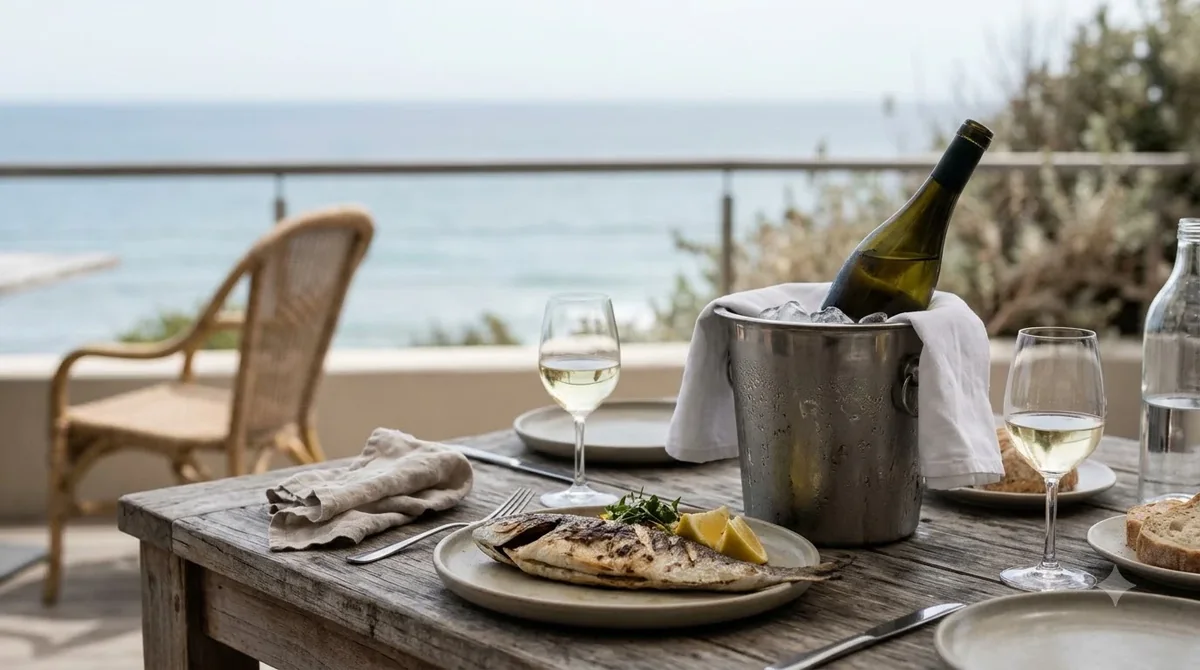
Albariño and Sancerre are both excellent food wines because their acidity refreshes the palate and complements a wide range of savory ingredients. Albariño is particularly comfortable with shellfish and grilled fish, while Sancerre has a famous affinity for goat cheese, oysters, and fresh herbs.
Best foods for Albariño
Albariño is a natural choice for coastal Spanish dishes, especially seafood preparations that use lemon, herbs, olive oil, and garlic. Its citrus and saline characteristics work well with the clean flavors of shellfish, while its fruit makes it flexible enough for richer preparations.
- Oysters: The wine’s acidity and saline impression complement the briny character of fresh oysters.
- Shrimp: Grilled shrimp with lemon, garlic, and parsley works particularly well with Albariño’s citrus fruit.
- Scallops: Pan-seared scallops pair nicely with the wine’s apple and peach characteristics.
- Grilled white fish: Cod, halibut, and sea bass are good options, especially with a light citrus dressing.
- Calamari: Fried calamari benefits from the wine’s freshness, which cuts through the oil and crisp coating.
- Chicken: Roast chicken with lemon, herbs, and a light pan sauce can be a good match.
Best foods for Sancerre
Sancerre’s Sauvignon Blanc character makes it particularly effective with foods that have fresh, herbal, and tangy elements. The classic pairing is goat cheese, especially the local Crottin de Chavignol, whose tangy flavor works naturally with the wine’s acidity.
- Goat cheese: Fresh chèvre and Crottin de Chavignol are classic matches.
- Oysters: Citrus and mineral characteristics complement the oysters’ briny flavor.
- White fish: Grilled sole, trout, and sea bass pair well with a fresh, dry Sancerre.
- Asparagus: Fresh herbal flavors can complement grilled or lightly roasted asparagus.
- Salads: Green salads with herbs, cucumber, and a moderate citrus dressing are suitable choices.
- Fresh herbs: Parsley, chives, dill, and tarragon can reinforce Sauvignon Blanc’s aromatic character.
How to handle richer or more challenging foods
Both wines can work with fried food because acidity refreshes the palate after each bite. Albariño is particularly useful with fried seafood, while Sancerre can work with lightly battered fish or vegetable fritters.
Salt and fat can soften the perception of tannin in wine, although neither of these white wines has the significant tannin structure associated with red wines. Their acidity and flavor profiles are more important considerations in these pairings.
For spicy dishes, be more selective. Alcohol can amplify chili heat, so a very hot curry or heavily spiced dish may overwhelm either wine. Mildly seasoned seafood, vegetable dishes, and chicken are safer choices than aggressively spicy preparations.
For acidic foods such as vinaigrette-heavy salads or dishes with plenty of lemon juice, choose a wine with equal or higher acidity. Both Albariño and Sancerre are useful options, but the wine should not taste flat next to the food.
Serving Temperature, Storage, and Aging Potential
Both wines are best served chilled, generally between 45 and 50°F. Proper chilling keeps their acidity refreshing while allowing citrus, orchard-fruit, and mineral aromas to remain recognizable.
Serving Albariño too cold can mute its peach, melon, and floral characteristics. A temperature near 48–50°F is a useful starting point, particularly for a fuller example that has spent time on its lees. Simpler, lighter bottles can be served closer to 45°F.
Sancerre also benefits from a cool serving temperature. Around 45–48°F is a practical range for preserving its citrus and herbal freshness without making the wine seem excessively sharp. A more structured bottle may show better closer to 50°F.
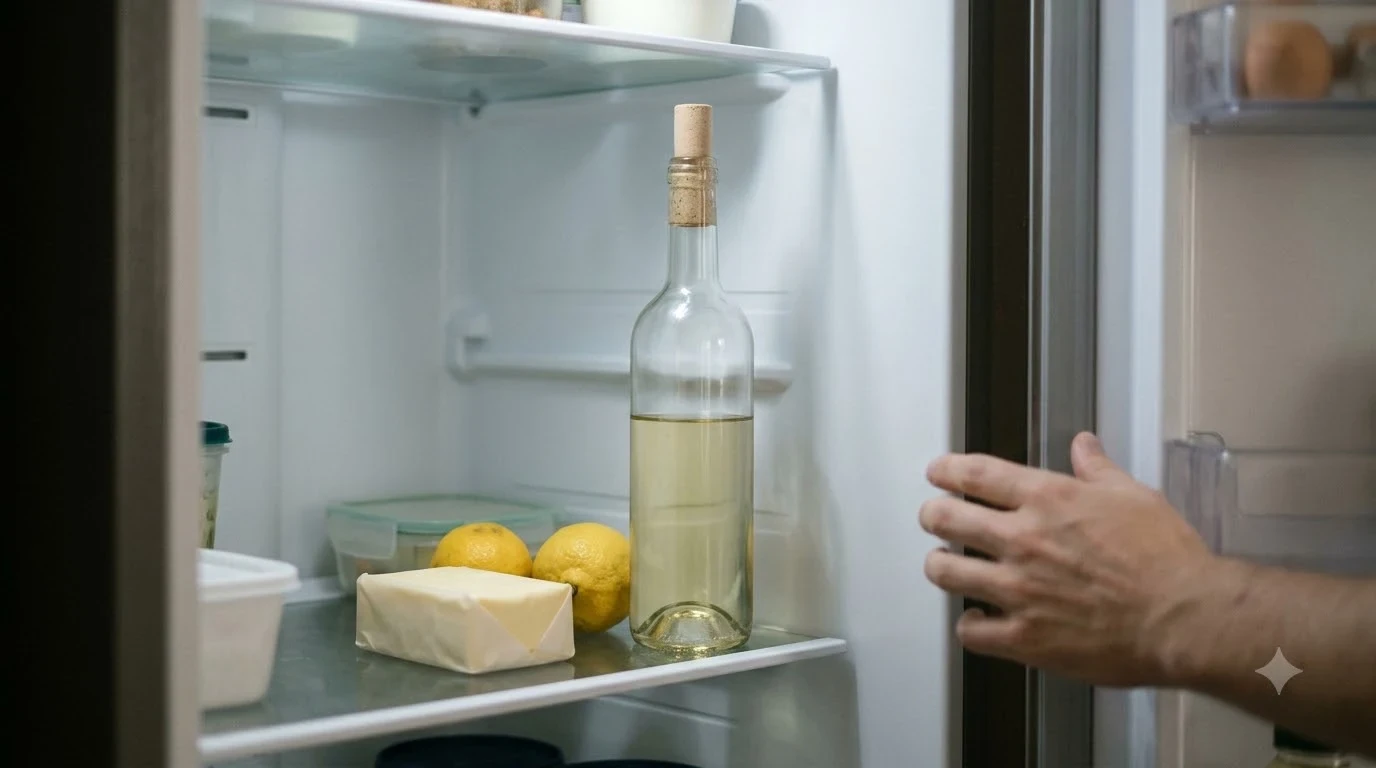
For everyday service, place the bottle in a refrigerator for a few hours before opening. If it becomes too cold, allow it to warm slightly in the glass rather than leaving it at room temperature for an extended period.
How long can these wines age?
Many Albariño and Sancerre bottles are designed to be enjoyed relatively young, when their fruit and acidity are particularly expressive. However, neither wine should automatically be considered incapable of aging.
The Rías Baixas regulatory council specifically highlights Albariño’s ability to develop over time. Some wines become more complex as their primary citrus and orchard-fruit aromas evolve. Producers who use lees aging can also create wines with additional structure and aging potential.
Sancerre has different aging possibilities depending on vineyard conditions, vintage, and production choices. Wines from the richer terres blanches soils may have more structure and potential to develop with bottle age. Flint and caillottes wines can also develop interesting aromatic complexity.
For both styles, producer recommendations and the individual wine’s structure are more useful than a universal aging deadline. A simple, stainless-steel wine is generally best enjoyed relatively young, while a carefully made, structured example may reward additional time.
Tip: Store unopened bottles on their sides in a cool, dark place near 55°F if they have natural cork closures. Once opened, refrigerate the wine and aim to finish it within 3–5 days, using a suitable closure to limit oxygen exposure.
When serving either wine, a standard 5-ounce pour gives approximately five glasses from a 750 ml bottle. This is a useful amount for a dinner involving several courses and multiple wines.
How to Choose Between Albariño and Sancerre
The best choice depends on your preferred flavor profile, the meal, and whether you want a more fruit-forward or more herbal white wine. Albariño is a strong starting point for fans of citrus, peach, and coastal freshness, while Sancerre is ideal for people who enjoy Sauvignon Blanc’s distinctive green-fruit and mineral character.
Choose Albariño if you prefer:
- Peach, apricot, melon, and ripe citrus aromas.
- A slightly rounded texture with refreshing acidity.
- Dry white wines that have a noticeable fruit character.
- Seafood, grilled shrimp, scallops, and Spanish-style tapas.
- A wine with a subtle saline impression.
- Something refreshing that can also handle richer fish preparations.
Choose Sancerre if you prefer:
- Grapefruit, lemon, green apple, and gooseberry.
- Fresh herbs and a more pronounced mineral impression.
- A crisp, focused finish with lively acidity.
- Goat cheese, oysters, fresh fish, and herb-based dishes.
- The distinctive aromatic character of Sauvignon Blanc.
- A white wine that works particularly well with fresh, tangy ingredients.
What if you enjoy both styles?
There is no reason to limit yourself to one. These wines are different enough to offer interesting alternatives, yet similar enough in dryness and acidity to work with many of the same meals.
A useful comparison is to open both bottles alongside the same dish. Try them with grilled shrimp, for example. Albariño may emphasize the sweetness of the shrimp and the citrus dressing, while Sancerre may bring out the herbs and sharper lemon character.
Another useful test is to serve both with fresh goat cheese. Sancerre is likely to provide the more traditional pairing, but a bright Albariño can also work, particularly when the cheese is served with fruit or a light salad.
For people who are new to these wines, choosing a straightforward, unoaked example of each is the easiest way to understand the grape differences. More complex lees-aged Albariño and structured Sancerre can be explored later.
Both wines belong in the broader category of high-acid, dry white wines, but their personalities are distinct. The best bottle is the one whose fruit, acidity, and texture suit the meal and the flavors you enjoy.
Frequently Asked Questions
Is Albariño the same grape as Sauvignon Blanc?
No. Albariño and Sauvignon Blanc are separate white grape varieties with different origins and characteristics. Albariño is strongly associated with Galicia in Spain, while Sauvignon Blanc is the grape used for white Sancerre and many other French and international wines.
Is Albariño always a single-variety wine?
No. Although Rías Baixas Albariño must be made from 100% Albariño grapes under its single-variety designation, other Rías Baixas wines can be blends. For example, Condado do Tea combines Albariño and Treixadura, while O Rosal uses Albariño and Loureira as its principal varieties.
Can you find red Sancerre?
Yes. Sancerre is not exclusively a white wine appellation. Its red wines are made from Pinot Noir, and the appellation also produces rosé from the same grape. White Sancerre is the Sauvignon Blanc expression most commonly compared with Spanish Albariño.
Does Sancerre come from the same region as Champagne?
No. Sancerre is in the Centre-Val de Loire region, in the Cher department, while Champagne is a separate wine region farther north. Their climates and wine styles differ, and white Sancerre is a still Sauvignon Blanc rather than a traditional-method sparkling wine.
What is the difference between Albariño and Alvarinho?
Albariño and Alvarinho are names for the same grape variety. Albariño is the Spanish name commonly associated with Galicia, while Alvarinho is used in Portugal, particularly in the Vinho Verde region. Wines from the two countries can differ because of their regional climates, vineyard conditions, and winemaking choices.
Albariño and Sancerre are two excellent choices for anyone looking for dry white wine with refreshing acidity and distinctive regional character. Choose Albariño for peachy fruit, coastal freshness, and seafood, or Sancerre for grapefruit, herbs, mineral character, and goat cheese. Trying both alongside the same meal is one of the easiest ways to discover which style suits your palate.
More in Wine vs Wine
 Chenin Blanc vs Pinot Gris: Acidity, Body, and Pairing DifferencesUpdated Nov 20, 2026
 Chianti vs Lambrusco: How Tuscany and Emilia-Romagna Reds CompareUpdated Nov 20, 2026
 Chianti vs Primitivo: Key Differences in Taste, Body, and PairingUpdated Nov 20, 2026
 Chianti vs Rioja: Key Differences in Taste, Aging, and PairingUpdated Nov 20, 2026
 Chianti vs Shiraz: How Acidity, Body, and Food Pairings CompareUpdated Nov 20, 2026
 Chianti vs Syrah: Key Differences in Taste, Body, and Food PairingUpdated Nov 20, 2026