

We may earn a commission when you buy through links on this page, at no extra cost to you. Learn more.
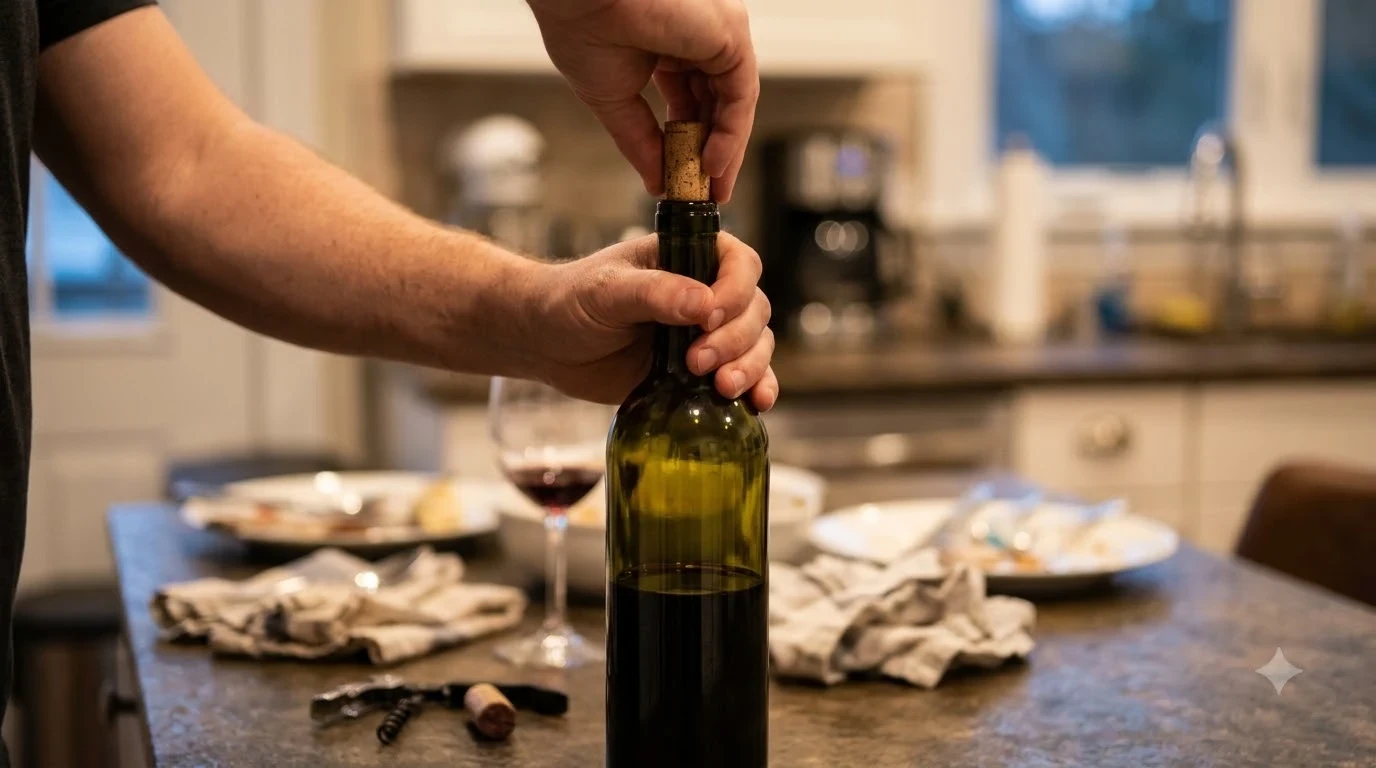
What is dolcetto? Dolcetto is a dry red wine made from an Italian grape variety traditionally grown in Piedmont, known for its deep ruby color, juicy blackberry and plum flavors, moderate tannins, and distinctive bitter-almond finish. Despite its name, which translates as “little sweet one,” Dolcetto is generally not a sweet wine. It is typically approachable, fruit-forward, and medium-bodied, making it a versatile choice for pasta, pizza, roasted meats, and everyday Italian meals.
Dolcetto is one of Piedmont’s traditional red grapes, sharing the region with the better-known Barbera and Nebbiolo varieties. While Nebbiolo produces celebrated wines such as Barolo and Barbaresco, Dolcetto offers a different experience: darker fruit, a softer overall impression, and a pleasant bitterness that makes it particularly enjoyable alongside food. Understanding its flavor, regional differences, and serving style makes it easier to decide whether this Italian red belongs on your table.
What Dolcetto Is and Why Its Name Is Misleading
Dolcetto is a black-skinned wine grape native to the winemaking traditions of Piedmont, a region in northwestern Italy. Wines made from it are generally dry, with rich fruit flavors, moderate to noticeable tannins, and relatively low acidity. Its name translates from Italian as “little sweet one,” but this describes neither the usual sweetness level nor the finished wine’s sugar content.
The name is often explained by the grape’s relatively low acidity compared with other Piedmont varieties, particularly Barbera. When a wine has less acidity to counterbalance its fruit, ripe flavors can seem sweeter even when fermentation has converted nearly all the grape sugar into alcohol. This distinction matters because someone expecting a sweet dessert wine based on the name will probably be surprised by a typical glass of Dolcetto.
Dolcetto is generally bottled as a varietal wine, meaning the grape supplies the wine’s principal identity rather than being one component in a multi-grape blend. In its traditional home, it is an important everyday red, often enjoyed with meals rather than reserved for special occasions. Its fruity character makes it accessible, while its tannins and characteristic almond-like finish give it more structure than a simple light red.
The grape also has a useful place in Piedmont’s vineyard calendar. It ripens earlier than Nebbiolo, allowing growers to harvest it sooner and bring wines to market while other vineyard parcels and wines require additional attention. Wine Enthusiast notes that this earlier availability has historically helped support winery operations during the longer aging periods associated with other regional reds. Its Dolcetto grape variety profile also explains the relationship between the grape’s low acidity, deep color, and dry style.
For anyone exploring Italian wine, Dolcetto is a useful introduction to the relationship between grape variety, regional identity, and food culture. It is neither a sugary red nor a heavy, heavily extracted wine. Instead, it occupies a middle ground where dark fruit, approachable structure, and a slightly bitter finish work together.
Where Dolcetto Grows in Italy
Piedmont is the traditional home of Dolcetto, with particularly important vineyards around Alba, the Langhe hills, and the Belbo Valley. Several appellations identify wines made from this grape, and differences in geography, vineyard conditions, and production rules can create noticeably different expressions.
Dolcetto is associated with several important Piedmont wine denominations, including Dolcetto d’Alba, Dolcetto d’Asti, and Dogliani. These names are useful starting points when comparing bottles because they identify specific production areas rather than simply describing a general Italian red wine style.
Dolcetto d’Alba
Dolcetto d’Alba is one of the region’s most recognizable expressions. Its vineyards occupy areas around Alba in the province of Cuneo, with production extending into a small part of Asti province. The regional tourism authority identifies the municipalities around Alba and Coazzolo as part of this denomination.
The typical wine has a ruby-red color, fresh fruit aromas, a dry palate, and a characteristic bitter-almond aftertaste. It is commonly associated with the everyday food culture of the Langhe, where pasta, cured meats, and traditional meat dishes provide natural partners.
Dolcetto d’Asti
Dolcetto d’Asti comes from a separate production area in Piedmont. It is another established denomination for the grape, offering a useful alternative when comparing the region’s traditional Dolcetto styles.
Dolcetto d’Asti and its Superiore designation should be distinguished from the production rules for Dolcetto d’Alba Superiore. Each denomination has its own regulations, so requirements for one appellation should not automatically be applied to another.
Dogliani
Dogliani is another important name for Dolcetto enthusiasts. Wine Enthusiast identifies Dogliani and Dogliani Superiore as sources of more complex and age-worthy expressions than many straightforward, early-drinking examples.
Although the wines remain recognizably Dolcetto, bottles from Dogliani can offer greater concentration and structure. They are useful options for drinkers who enjoy the grape’s dark fruit and almond character but want a red with additional depth for a substantial dinner.
Dolcetto is also grown in smaller quantities outside Piedmont, including parts of the United States, Australia, and New Zealand. However, Italian examples remain the reference point for understanding its traditional style and regional identity.
What Dolcetto Tastes Like
Dolcetto typically tastes of blackberry, black cherry, plum, and dark berries, with additional notes of licorice, spice, and bitter almond. Its color is often deep ruby with purple or violet reflections. On the palate, it is generally dry, medium-bodied, and moderately tannic, with a fruit-forward character and a pleasantly bitter finish.
Blackberry is one of the most recognizable fruit associations. It gives the wine a dark, ripe impression without necessarily making it taste sweet. Depending on the producer and growing conditions, the fruit profile can also include fresh cherry, juicy plum, raspberry, or darker berry preserves.
Another defining characteristic is its almond-like finish. This gentle bitterness is part of the grape’s traditional identity and helps distinguish Dolcetto from many other fruit-driven red wines. It can resemble the taste of almond skin or unsweetened cocoa more than a sugary confection. Licorice and subtle spice may also appear, particularly in more concentrated examples.
Color, body, tannin, and acidity
Dolcetto’s deeply pigmented skin produces wines that often look darker than their body might suggest. The color can be strikingly purple in youthful bottles, while the palate remains relatively easygoing compared with more structured Italian reds.
Its tannins are generally moderate to noticeable, providing a drying sensation along the gums and sides of the mouth. However, tannin intensity varies with extraction, fermentation, and the particular wine. Shorter maceration can help limit the extraction of tannins from grape skins and seeds.
Acidity is usually on the lower side compared with Barbera. This gives Dolcetto a rounder impression and makes its ripe fruit flavors particularly prominent. It is still a dry wine with enough structure to accompany food, but it generally does not have the sharp, refreshing acidity associated with highly acidic red varieties.
Typical Dolcetto flavor and structure
| Characteristic | Typical Dolcetto profile |
|---|---|
| Wine color | Deep ruby to violet-purple |
| Sweetness | Dry |
| Body | Light-medium to medium |
| Tannins | Moderate to noticeable |
| Acidity | Low to medium |
| Primary fruit | Blackberry, black cherry, plum |
| Additional flavors | Licorice, spice, bitter almond |
| Typical alcohol | Dolcetto d’Alba DOC minimum 11.5% ABV |
| Serving temperature | 55–60°F for a lighter-bodied example |
These characteristics describe a general style rather than a guarantee that every bottle will taste identical. A lighter Dolcetto d’Alba may emphasize cherry and freshness, while a more concentrated Dogliani can show darker fruit, firmer tannins, and additional complexity. For a closer look at individual sensory characteristics, see our Dolcetto tasting notes.
How Dolcetto Compares With Barbera and Nebbiolo
Dolcetto, Barbera, and Nebbiolo are three important red grape varieties associated with Piedmont, but they produce noticeably different wines. Dolcetto generally emphasizes dark fruit and moderate tannins, Barbera is known for higher acidity and softer tannins, and Nebbiolo combines high acidity with pronounced tannins.
These distinctions explain why the three wines are not interchangeable at the dinner table. Even when grown in nearby vineyards, they offer different combinations of freshness, grip, body, and fruit intensity.
Dolcetto versus Barbera
Barbera is usually the more acidic of the two. Its bright acidity makes it particularly effective with tomato-based pasta sauces, roasted vegetables, and dishes that benefit from a refreshing contrast. Dolcetto generally feels rounder and less tart, with more emphasis on blackberry, plum, and its characteristic almond finish.
Barbera typically has softer tannins than Dolcetto. This means that Dolcetto can create a more noticeable drying sensation, even when the wine feels approachable. For drinkers who prefer ripe fruit without pronounced tartness, Dolcetto may be the more appealing choice.
Dolcetto versus Nebbiolo
Nebbiolo is the grape behind prestigious Piedmont wines such as Barolo and Barbaresco. These wines are recognized for high acidity, substantial tannins, and the capacity to develop additional complexity with bottle aging.
Dolcetto is usually less demanding. Its fruit-forward character and more moderate structure make it easier to enjoy without waiting for extended aging. Nebbiolo may show red cherry, rose, dried herbs, and earthy notes, whereas Dolcetto is more likely to emphasize blackberry, dark plum, licorice, and bitter almond.
Choosing between the three grapes
The choice depends on the meal and the style of red wine you prefer. Dolcetto works particularly well when dark fruit, moderate tannins, and a dry finish are desirable. Barbera is useful when a dish needs more acidity, while Nebbiolo suits richer meals that can accommodate its pronounced tannin and acidity.
These are broad stylistic distinctions, not rigid rules. Producer choices, vineyard conditions, harvest timing, and aging can influence the finished wine considerably. Exploring all three varieties is one of the best ways to understand why Piedmont has such a distinctive red-wine tradition.
Best Foods to Pair With Dolcetto
Dolcetto pairs particularly well with Italian comfort foods, cured meats, mushroom dishes, roasted poultry, and grilled meats. Its blackberry and plum flavors complement savory ingredients, while moderate tannins work well with the fat and salt found in many traditional dishes.
In Piedmont, Dolcetto is a familiar companion to everyday meals. Its combination of dark fruit and a dry, slightly bitter finish makes it suitable for dishes that might overwhelm a delicate white wine but do not require the intense structure of a powerful red.
Pasta and tomato-based dishes
Meat-sauce pasta is a natural partner. Dishes such as tajarin with meat sauce and filled pasta like ravioli del plin reflect the traditional food culture of the Langhe. The wine’s fruit complements savory meat, while its tannins interact pleasantly with the richness of the sauce.
Tomato-based pasta can also work, although the relatively low acidity of Dolcetto means that particularly sharp tomato sauces may make the wine seem less lively. Choose a version with sufficient freshness and avoid excessively acidic preparations. A sauce containing roasted tomatoes, ground meat, and olive oil is often a better match than a very tart, lightly cooked tomato sauce.
Pizza, cured meats, and antipasti
Pizza is another practical pairing. Dolcetto works especially well with mushroom pizza, sausage pizza, and combinations featuring roasted peppers or savory cheese. The dark fruit complements browned toppings, while the tannins provide structure alongside melted cheese.
Salami, prosciutto, and other cured meats are particularly suitable because salt and fat soften the perception of tannin. This can make a moderately tannic Dolcetto taste rounder and more harmonious. A platter with aged cheeses, olives, bread, and cured meat is an easy way to serve the wine without preparing a complicated meal.
Roasted meats and mushrooms
Roasted chicken, pork, lamb, and braised meat dishes can all work well. Dolcetto’s fruit-forward character offers enough presence for savory meat without overwhelming lighter preparations. Mushroom risotto and roasted mushrooms are especially interesting because their earthy flavors complement the wine’s darker fruit and subtle spice.
For a more traditional Piedmontese dinner, consider mixed boiled meats or slow-cooked beef with herbs. These dishes provide enough richness to balance the wine’s tannins and bitter-almond finish.
Foods to approach carefully
Very hot chili-based dishes are less reliable pairings. Alcohol and tannins can intensify the perception of chili heat, making a moderately structured red taste harsher. Mildly spiced dishes are generally safer than heavily peppered or extremely hot preparations.
Oily fish can also be difficult with tannic red wines because the combination may produce an unpleasant metallic impression. If seafood is on the menu, consider a crisp white wine instead. For a broader introduction to choosing wines for different meals, explore our Wine by Type resource.
How to Serve, Store, and Age Dolcetto
Dolcetto is generally best served slightly cool rather than warm, with approximately 55–60°F being a useful starting range for lighter-bodied examples. Proper serving temperature preserves its fruit character and prevents alcohol from becoming too prominent.
Some regional descriptions recommend serving Dolcetto d’Alba at 16–18°C, equivalent to approximately 61–64°F. That is a reasonable traditional recommendation, particularly for fuller examples. However, a slightly cooler glass can help keep a young, fruit-forward bottle lively.
Serving temperature and glassware
A practical approach is to place the bottle in the refrigerator for approximately 20–30 minutes before serving if it has been stored at normal room temperature. The exact time depends on the starting temperature and the bottle’s surroundings. Avoid serving the wine excessively cold, as very low temperatures can suppress its fruit aromas and make tannins seem firmer.
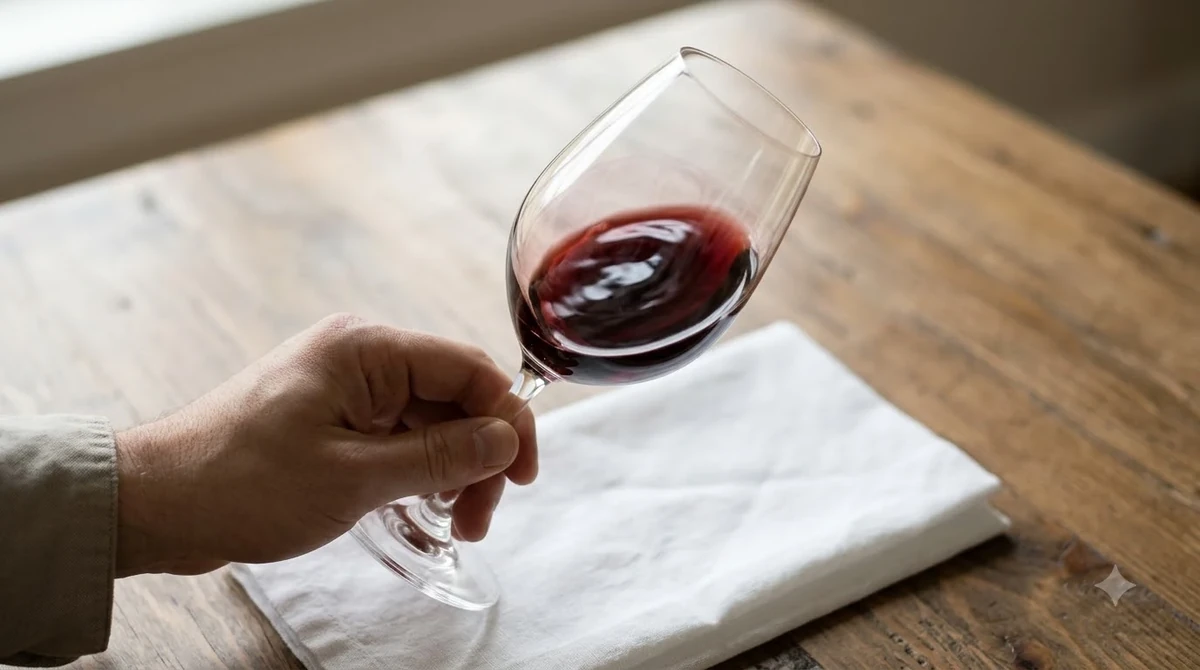
Use a standard red-wine glass with enough room to swirl the wine. A moderate-sized bowl allows blackberry, plum, and spice aromas to become more apparent. There is no need for an unusually large glass for a straightforward young Dolcetto.
Does Dolcetto need decanting?
Most young Dolcetto does not require extensive decanting. Opening the bottle shortly before dinner and allowing it to breathe in the glass is often sufficient. More concentrated examples, especially those from Dogliani, may benefit from 15–30 minutes of aeration if their aromas initially seem restrained.
Decanting is also useful if an older bottle contains sediment. In that situation, carefully pouring the wine into a clean decanter helps leave sediment behind. However, prolonged aeration is rarely necessary for the everyday, fruit-focused style.
Should Dolcetto be aged?
Many traditional Dolcetto wines are intended for relatively early drinking, when their fresh fruit and approachable structure are most appealing. A young bottle typically offers the clearest expression of blackberry, cherry, plum, and almond. Extended aging is not essential to enjoying the variety.
Some more structured examples, particularly those from Dogliani, can develop additional complexity with bottle age. Dolcetto Superiore categories also have specific aging requirements. For example, Dolcetto d’Alba Superiore requires at least 12 months of aging and a minimum alcohol level of 12.5% ABV.
For home storage, keep unopened bottles in a cool, dark location with a reasonably consistent temperature near 55°F. Bottles sealed with natural cork are generally stored horizontally to help keep the cork from drying out. Avoid temperature fluctuations, direct sunlight, and prolonged exposure to heat.
Keeping an opened bottle
Once opened, reseal Dolcetto and store it in the refrigerator. Most still red wines retain useful freshness for approximately three to five days, although the exact period depends on the wine’s condition and how much oxygen enters the bottle.
Before serving again, allow the wine to warm slightly toward its preferred drinking temperature. A brief period outside the refrigerator usually brings back more expressive fruit aromas.
Tip: If Dolcetto tastes too warm, place the bottle in the refrigerator for 15 minutes before pouring another glass. A modest temperature adjustment can make its blackberry fruit, freshness, and bitter-almond finish more balanced and noticeable.
How to Choose a Dolcetto Bottle
The appellation is a useful first clue when shopping for Dolcetto. Dolcetto d’Alba is a good starting point for a traditional, fruit-forward style, while Dogliani offers opportunities to explore more structured and age-worthy versions.
Rather than assuming that every bottle tastes the same, consider the producer, appellation, alcohol level, and any Superiore designation. These details can help establish what kind of wine to expect before opening the bottle.
Start with Dolcetto d’Alba
For a first bottle, Dolcetto d’Alba DOC is a sensible introduction. Its traditional profile emphasizes ruby coloring, fresh fruit, dryness, and a slightly bitter almond finish. It also has a well-established connection with the region’s everyday cuisine.
The denomination requires 100% Dolcetto grapes and a minimum alcohol level of 11.5% ABV. These requirements provide a useful reference when comparing bottles from different producers. The Langhe Monferrato Roero regional wine profile provides the denomination’s grape composition, alcohol requirements, aging rules, and traditional food pairings.
Look for Superiore when you want more structure
Dolcetto d’Alba Superiore is a useful alternative for drinkers seeking a category with additional production requirements. It requires a minimum alcohol content of 12.5% ABV and at least 12 months of aging.
Those specifications do not guarantee that every Superiore will be more powerful or more complex than every standard DOC wine. They do, however, establish meaningful differences in the denomination’s production rules.
Explore Dogliani for a different expression
Dogliani is worth exploring after becoming familiar with standard Dolcetto d’Alba. Wine Enthusiast identifies Dogliani and Dogliani Superiore among the region’s more complex expressions of the grape. These wines can be particularly interesting with slow-cooked meat, richer pasta dishes, and aged cheeses.
For anyone comparing several appellations, tasting the wines side by side is more informative than relying on regional names alone. Differences in fruit intensity, tannin, acidity, and winemaking approach become easier to recognize when the wines are sampled under similar conditions.
Understand the producer’s style
Some producers favor stainless-steel fermentation and minimal oak influence to preserve fresh fruit aromas. Others use different fermentation and aging techniques to create more structured wines. These decisions can change the balance between fruit, tannin, and savory flavors without removing Dolcetto’s recognizable character.
For a new drinker, a straightforward young example is often the most useful starting point. Once the grape’s typical blackberry, plum, and almond characteristics become familiar, more concentrated and aged expressions are easier to appreciate.
Frequently Asked Questions
Is Dolcetto the same grape as Dolce Nero?
Dolcetto has several historical synonyms, including Nera Dolce and Ormeasco. However, names used for grape varieties can differ between regions and historical records, so they should not automatically be treated as interchangeable commercial wine designations. The most recognizable modern name for this Piedmont variety is Dolcetto.
Is Dolcetto suitable for people who prefer wines without oak?
Yes. Dolcetto is frequently made in a fruit-focused style using stainless-steel tanks or other neutral vessels. Some traditional examples emphasize primary fruit rather than obvious vanilla, toast, or smoky oak characteristics. The producer’s winemaking approach determines the final style.
Can Dolcetto be made into rosé?
Yes. Dolcetto grapes can be used to make rosé as well as red wine. A rosé made from this dark-skinned variety can obtain its pink color through limited contact between the juice and grape skins. The finished style depends on the length of skin contact and the producer’s choices.
What grape variety is used in Barolo?
Barolo is made from Nebbiolo rather than Dolcetto. Under its appellation rules, Barolo must be made from 100% Nebbiolo grapes. This is one reason Barolo generally has a more pronounced tannic structure and different aromatic profile from the softer, fruit-focused Dolcetto wines.
Is Dolcetto a protected Italian wine designation?
Dolcetto is a grape variety, not a single protected geographical designation. Individual wines such as Dolcetto d’Alba DOC and Dolcetto d’Asti DOC have their own production rules and geographical boundaries. These designations establish requirements for grape composition, production, and other characteristics.
Dolcetto deserves attention as more than an alternative to Piedmont’s famous Barolo and Barbaresco wines. Its dry, dark-fruited character, moderate tannins, and distinctive almond finish make it a versatile red for everyday meals and traditional Italian cooking. Start with Dolcetto d’Alba, explore Dogliani for additional complexity, and serve the wine slightly cool alongside pasta, cured meats, roasted vegetables, or grilled meat.
More in Wine Types & Grapes
 Zinfandel Sugar Content: Dry Red vs. White Zinfandel GramsUpdated Nov 21, 2026
 Best Zinfandel Substitute Options for Sipping and CookingUpdated Nov 21, 2026
 Zweigelt Food Pairing: Best Dishes, Cheeses, and Serving TipsUpdated Nov 21, 2026
 Zinfandel Tannins Explained: How Structure Shapes Every BottleUpdated Nov 21, 2026
 Zinfandel Sweetness Level: Dry Red vs. Sweet White Zin ExplainedUpdated Nov 21, 2026
 Xinomavro Food Pairing: Best Dishes, Styles, and Serving TipsUpdated Nov 21, 2026