

We may earn a commission when you buy through links on this page, at no extra cost to you. Learn more.
Chinon wine is a red from the Loire Valley, made mainly from Cabernet Franc on the gravel and limestone slopes around the town of Chinon. Unlike most Loire appellations, Chinon produces mostly red wine, with only a small share of rosé and a little white made from Chenin blanc. The reds are typically dry, light to medium-bodied, and fresh, with red fruit, herbal notes, and high acidity that makes them easy to pair with food.
This guide explains where Chinon comes from, how the soils change the style of the wine, what Cabernet Franc tastes like in this setting, and how to serve and pair a bottle. It also covers how to choose between a young, bright Chinon and an older, more structured one.
Where Chinon Comes From
Chinon is an appellation in Touraine, in the middle Loire Valley of France. The vineyards are centered on the town of Chinon, which sits on the Vienne River in the Indre-et-Loire department. The vines cover the steep banks of the Vienne and the gentler slopes running north toward the Loire itself, so the landscape is a mix of riverside hills and open terraces.
The soils are the heart of the appellation. Much of the ground is erosional scree and gravel lying over hard Turonian limestone, and closer to the Loire the limestone gives way to older Jurassic rock. Those free-draining, stony soils hold heat during the day and release it slowly, which helps the grapes ripen even in a cool climate. The Loire is a northern region, so this warmth matters, and it is one reason Chinon reds can be ripe without losing their freshness.
Cabernet Franc: The Grape Behind the Wine
Cabernet Franc is the principal grape for Chinon reds and rosés. The appellation rules also allow up to 25 percent Cabernet Sauvignon in the red blend, but most wines lean heavily on Cabernet Franc, and many producers use it alone. The grape is an old variety that originated in France, likely near Bordeaux, and it has become especially important in the Loire Valley, where it is often the basis of the region’s red wines. The Wine Folly guide to Cabernet Franc describes how the grape changes from one climate to the next, with cooler areas giving tart red fruit and warmer ones giving richer, dried-fruit flavors.
Cabernet Franc has a distinctive aroma. Its herbal, bell-pepper note comes from natural compounds in the grape, and the flavor typically includes red fruit such as strawberry and raspberry, along with notes of crushed gravel. In Chinon, the cool-climate character shows up as tart red fruit and a savory edge. Riper, warmer years bring more dried-fruit richness, though the wines remain fresh in the context of the appellation.
The white wines of Chinon are a small part of the story. They are made mainly from Chenin blanc, and they tend to be dry, soft, light, and fresh. Rosé makes up only a small share of production, so most of the bottles you will find are red.
| Style | Typical character | Best suited to |
|---|---|---|
| Young, from stony terraces | Blackcurrant, anise, and bright acidity | Drinking young, with simple roasted and grilled dishes |
| From steeper, rockier slopes | More tannic and mineral, with spice that develops with age | Cellaring and richer meals |
| Rosé | Light and fresh, a small share of output | Warm weather and casual meals |
| White (Chenin blanc) | Dry, soft, light, and fresh | Seafood, goat cheese, and light starters |
How Chinon Reds Change With Age
Chinon is one of the Loire’s more age-worthy reds, and the difference between a young bottle and an older one can be striking. Wines from the lighter, stonier terraces are typically ready early, showing blackcurrant and anise with a vivid finish. They are often best in the first few years, when the fruit is at its brightest and the tannins are soft.
The wines from the steeper, rockier slopes are more structured. They have firmer tannins and a more mineral character, and they develop savory spice as they age. In good vintages, these reds can be cellared for ten years or more. The producer’s notes and the vintage on the label are the best guide to how long a particular bottle should rest.
How to Serve and Pair Chinon
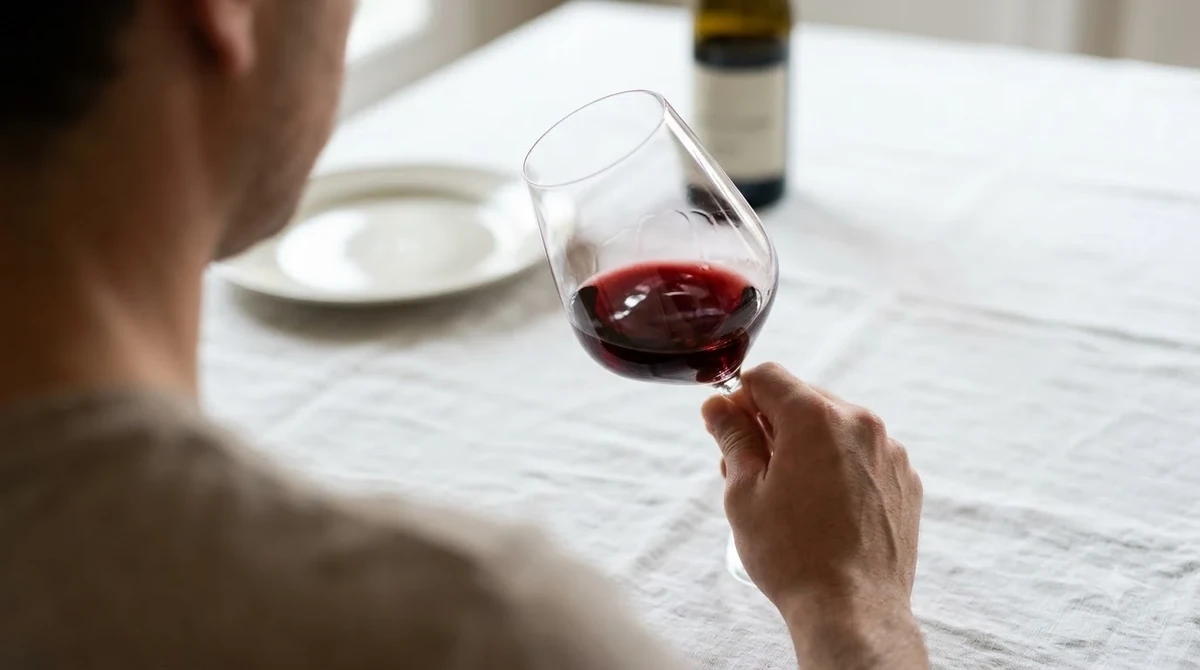
Chinon is best served a little cooler than room temperature, which keeps the fruit lively and the tannins in balance. The commonly recommended range is about 15 to 20 degrees Celsius, or 60 to 68 degrees Fahrenheit. A universal red wine glass works well for most bottles, since it lets the aromas open without overwhelming the palate.
Lighter, younger Chinon pairs easily with everyday food. Goat cheese, tomato-based dishes, roast chicken, and turkey all suit the wine’s acidity and red fruit. Eggplant parmesan is another natural match, as is a simple bowl of pasta with fresh herbs. The key is to match the herbal notes in the wine with real herbs in the dish, since Cabernet Franc tends to share that green, savory character.
Serving sequence can also make a difference. A light, chilled red from Chinon works well as a first glass before a meal, and a fuller bottle is better opened alongside the main course, when the food can match its weight. Because the wine’s acidity is high, it cuts through creamy sauces and rich cheese without tasting heavy, which is one of the reasons Loire reds are so often poured at informal dinners.
Fuller, older Chinon suits richer dishes. Roasted lamb, wild game, and hearty lentil stews bring out the depth of the wine, and the tannins are softened by the fat and protein in the food. Decanting a fuller bottle for around half an hour can open it up, while younger, lighter styles often need little or no time in a decanter.
How to Choose a Bottle of Chinon
When you are choosing a Chinon, start with the style you want. If you are drinking a bottle on a weeknight, look for a younger wine with bright red fruit and a light texture. If you plan to cellar a bottle or serve it with a rich roast, choose a wine from a rockier site and a strong vintage, and be willing to wait.
- Check the producer’s description for the soil or slope, since it tells you whether the wine will be fresh and early or firm and long-lived.
- Read the vintage carefully, because weather affects the balance between fruit and structure in each year.
- For a first bottle, pick a light, young red and serve it slightly chilled to show its fruit.
Cabernet Franc is grown far beyond the Loire, and comparing the Chinon style with other regions can sharpen your sense of what the grape does in different climates. The Arizona wine guide shows how a warmer setting changes the profile of the wines, and the Calistoga vineyards show another warm-climate approach. For a broader look at how soil and climate shape French and world wine regions, the Wine Regions section offers useful context.
Frequently Asked Questions
Is Chinon wine red or white?
Chinon is mostly a red wine appellation. Red wines make up the large majority of production, with a small share of rosé and a little white made from Chenin blanc.
What grape is Chinon made from?
Chinon reds and rosés are mainly Cabernet Franc. The rules allow up to 25 percent Cabernet Sauvignon in the red blend, though many wines are made largely from Cabernet Franc.
How long can Chinon red age?
Lighter, younger Chinon is best enjoyed within a few years of the vintage. Wines from the steeper, rockier sites can be cellared for ten years or more in good vintages.
What food goes well with Chinon?
Younger Chinon suits goat cheese, tomato dishes, roast chicken, and eggplant. Fuller, older bottles pair well with roasted lamb, wild game, and hearty lentil stews.
Chinon is a red that rewards both everyday drinking and patient cellaring. Start with a young bottle to learn its bright, herbal character, then try a riper, stonier wine to see how far the Cabernet Franc can go in the Loire.
More in Wine Regions
 Willcox Wine Trail: Discover Arizona’s High-Elevation Wine CountryUpdated Nov 20, 2026
 Yakima Valley Wine Region: Find the Best Styles to TryUpdated Nov 20, 2026
 Vosne Romanee Wine Tasting: Identify Aromas and Choose Better PairingsUpdated Nov 20, 2026
 Yakima Valley Wine Festival: Find the Best Seasonal Wine EventsUpdated Nov 20, 2026
 Wales Vineyards: Discover Cool-Climate Wines and Where to VisitUpdated Nov 20, 2026
 Yountville Wine Festival: Discover Napa Wines and Local FoodUpdated Nov 20, 2026