

We may earn a commission when you buy through links on this page, at no extra cost to you. Learn more.
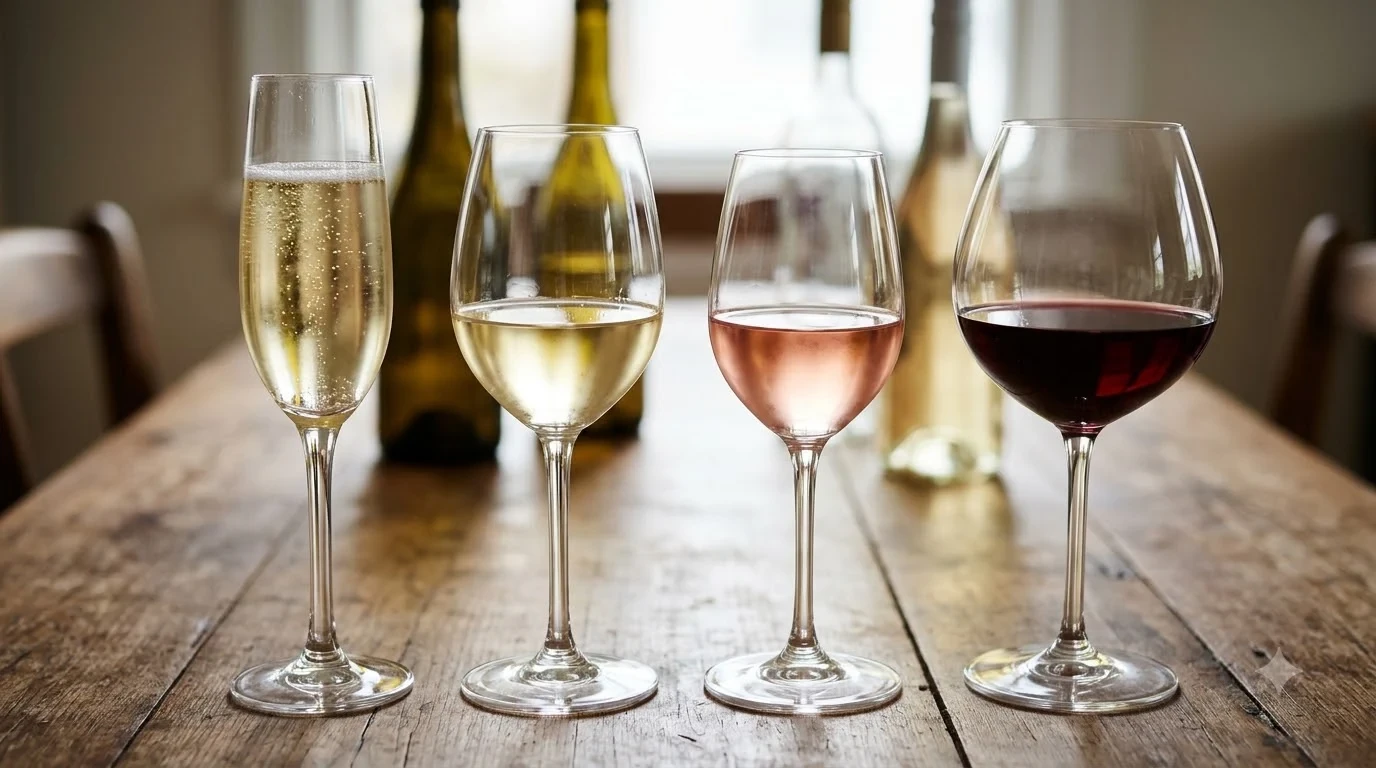
What does sparkling wine taste like? Sparkling wine typically tastes crisp, refreshing, and lively, with flavors ranging from green apple, lemon, pear, and citrus to peach, berries, toasted bread, and cream. Its bubbles create a lively, sometimes tingling sensation, while acidity gives the wine its refreshing character. Depending on the grape variety, production method, and sweetness level, sparkling wine can taste bone dry and citrusy, fruity and slightly sweet, or rich and complex with notes of brioche and roasted nuts.
Sparkling wine is not a single flavor or style. A glass of Champagne can taste like lemon zest, green apple, and freshly baked bread, while Prosecco often suggests ripe pear, peach, and white flowers. A sweet Moscato d’Asti offers another experience, with fragrant peach and honeysuckle flavors and gentle bubbles. Understanding these differences makes it easier to choose a bottle that suits your preferences, whether you enjoy crisp, dry wines or softer, fruit-forward styles.
The Main Flavors Found in Sparkling Wine
Sparkling wine commonly combines fresh fruit, citrus, floral aromas, and noticeable acidity. Some bottles also develop deeper flavors of bread, pastry, nuts, and cream, creating a more layered tasting experience.
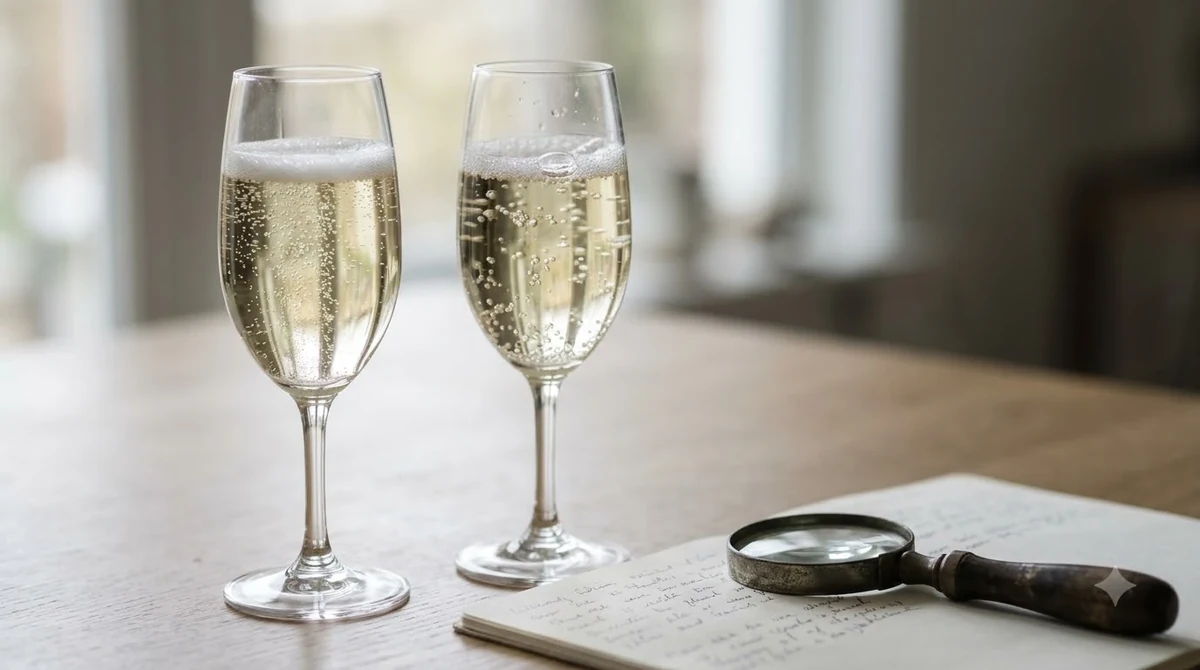
The most familiar fruit flavors include green apple, pear, lemon, lime, peach, and occasionally strawberry or raspberry. These characteristics depend partly on the grape variety and the conditions in which the grapes grow. Wines made from Chardonnay often feature lemon, green apple, and citrus, while Pinot Noir can contribute red-fruit aromas such as strawberry and raspberry. Glera, the main grape used for Prosecco, commonly produces fresh pear, apple, and floral notes.
When you smell sparkling wine, you may notice aromas before tasting the liquid. A fresh bottle can suggest lemon peel, white flowers, freshly sliced apple, or ripe pear. More mature traditional-method wines may have additional aromas resembling toasted bread, almond, biscuit, pastry, and hazelnut. These characteristics develop partly through contact with dead yeast cells during aging.
There is also a difference between fruity aromas and actual sweetness. A sparkling wine can smell strongly of peach, apple, or ripe citrus without containing much residual sugar. This is particularly noticeable in dry wines, where fruit aromas are balanced by acidity rather than sweetness. Recognizing that distinction helps explain why a wine can smell fruity but still taste dry.
How the flavors develop on your palate
The first impression often comes from the bubbles and acidity. The wine may feel bright, sharp, and refreshing, followed by flavors of citrus, apple, or pear. As the bubbles settle across your tongue, you can notice additional details, including the wine’s texture, sweetness, and finish.
A traditional-method sparkling wine may feel more layered, with fruit followed by bread dough, toasted almond, or cream. A fruit-driven tank-method wine may remain more direct, with pear, peach, lemon, and floral notes dominating from the first sip to the finish.
The finish also matters. A dry sparkling wine might leave a clean sensation of lemon and green apple, while a sweeter bottle may leave lingering peach, honey, or ripe fruit flavors. Wines with high acidity often finish with a mouthwatering sensation that encourages another sip.
How Sweetness Changes the Taste of Sparkling Wine
Sparkling wine can range from extremely dry to distinctly sweet, and the sweetness level has a major effect on its overall flavor. Brut is the typical starting point for people seeking a balanced, dry sparkling wine, while Extra Dry and Demi-Sec offer progressively sweeter experiences.
Winemakers influence sweetness through residual sugar and, in traditional-method wines, dosage. Dosage is a small addition of wine and sugar made after the yeast sediment has been removed. The amount used helps determine the finished wine’s balance, particularly when its natural acidity is pronounced.
One confusing detail is that Extra Dry is actually sweeter than Brut. The terminology follows an established sparkling-wine classification rather than ordinary descriptions of sweetness. The following ranges provide a useful reference for understanding the labels.
| Label | Residual sugar | Typical taste |
|---|---|---|
| Brut Nature | 0–3 g/L | Bone dry, sharp, citrusy |
| Extra Brut | 0–6 g/L | Very dry, crisp, mineral |
| Brut | 0–12 g/L | Dry, balanced, refreshing |
| Extra Dry | 12–17 g/L | Lightly sweet, fruity |
| Dry (Sec) | 17–32 g/L | Noticeably sweet, rounded |
| Demi-Sec | 32–50 g/L | Sweet, ripe fruit, soft |
| Doux | 50+ g/L | Very sweet, honeyed fruit |
These are standard classification ranges commonly used for sparkling wine. Brut Nature, Extra Brut, and Brut generally appeal to people who prefer dry wines. Their acidity and bubbles make the wine feel refreshing, even when a small amount of residual sugar is present. For additional detail, Wine Enthusiast’s explanation of sparkling wine sweetness levels explores how these classifications affect flavor and food pairings.
Extra Dry is particularly common in Prosecco. Its slightly higher residual sugar can make pear, apple, and peach flavors seem rounder and more prominent. This does not necessarily make it taste like a dessert wine. The acidity and carbonation still provide freshness.
Demi-Sec and Doux are better choices for drinkers who actively enjoy sweetness. They can show ripe peach, honey, tropical fruit, and candied citrus characteristics. Their sugar content makes them especially suitable for pairing with desserts, provided the wine is at least as sweet as the food.
Tip: If you prefer a dry, crisp glass, start with Brut or Extra Brut. If you enjoy a little sweetness and prominent fruit flavors, try Extra Dry Prosecco. For a noticeably sweet sparkling wine, look for Demi-Sec or Doux.
Why Champagne, Prosecco, and Cava Taste Different
Champagne, Prosecco, and Cava are three popular sparkling wine styles, but they offer noticeably different flavor profiles. Champagne and Cava generally develop more bread-like complexity through traditional bottle fermentation, while Prosecco usually emphasizes fresh fruit and floral aromas.
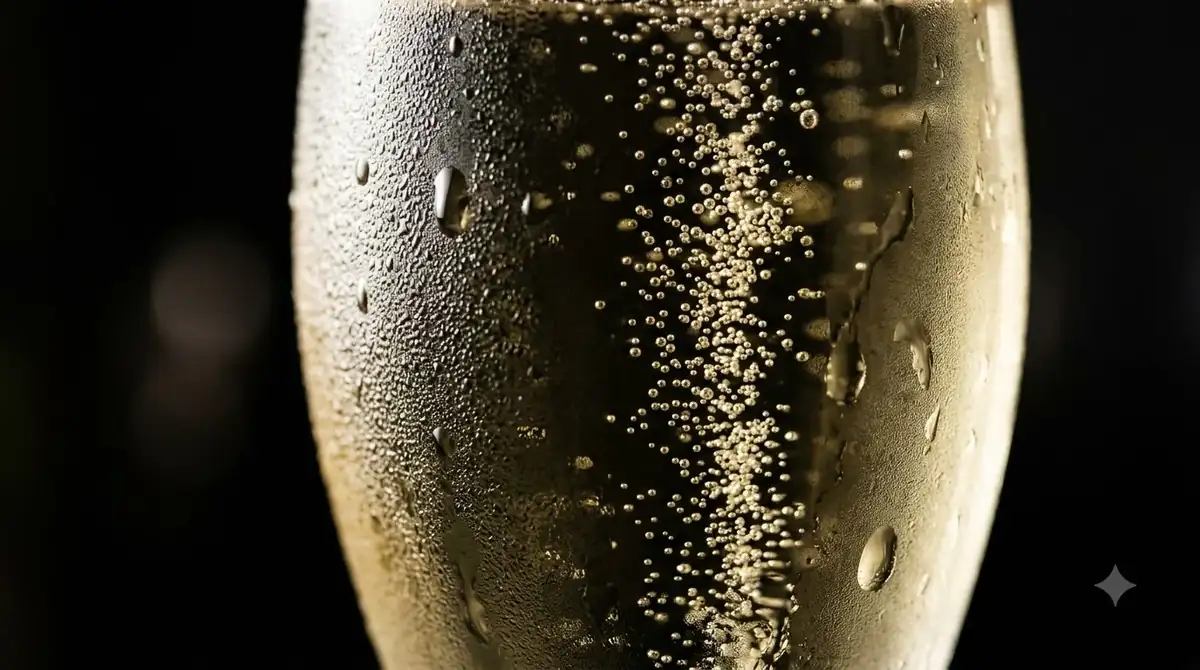
Champagne: Champagne comes from the Champagne region of northern France and is typically made from Chardonnay, Pinot Noir, and Pinot Meunier. Its flavor profile often includes green apple, lemon, white peach, and citrus, with additional notes of brioche, biscuit, almond, and toast. The combination of lively acidity and fine bubbles gives many examples a focused, structured character.
Traditional-method production is responsible for much of Champagne’s characteristic complexity. After the second fermentation takes place inside the bottle, the wine spends time aging on its lees. This contact with dead yeast cells can add creamy texture and aromas resembling freshly baked bread or pastry. The amount of aging, grape composition, and producer’s winemaking decisions influence how pronounced these flavors become.
Prosecco: Prosecco is associated with northeastern Italy and is made primarily from Glera grapes. It commonly tastes of green apple, pear, lemon, lime, and white flowers. Some examples also show peach, melon, and subtle herbal characteristics.
Most Prosecco uses the tank method, in which the second fermentation takes place in a sealed stainless-steel tank. This approach preserves fresh fruit aromas and creates a lighter, more immediately approachable style. Prosecco often has softer bubbles than traditional-method Champagne, although the exact texture varies by bottling.
Cava: Cava is a Spanish sparkling wine made using the traditional method. Much of its production is associated with Catalonia, and common grape varieties include Macabeo, Xarel·lo, and Parellada. Its flavor profile often combines green apple, lemon, lime, almond, and subtle toasted-bread notes.
Cava can offer a useful middle ground for people who enjoy the structure and yeast-derived complexity of Champagne but want to explore a different regional expression. Its citrus freshness makes it suitable for seafood, tapas, salted almonds, and other savory foods.
Other traditional-method styles include French Crémant, Italian Franciacorta, and South African Cap Classique. These wines can offer combinations of citrus, orchard fruit, toast, and cream, depending on their grapes and aging. For a broader explanation of these production differences, WSET’s guide to sparkling wine methods and regional styles explains how fermentation and lees aging influence the finished wine.
How Production Methods Influence Flavor and Bubbles
The way sparkling wine is made affects its aromas, texture, and overall character. Traditional fermentation in the bottle generally encourages more complex yeast-derived flavors, while tank fermentation tends to preserve fresh fruit and floral notes.
Traditional method
The traditional method begins with a still base wine. Winemakers add yeast and sugar, seal the bottle, and allow a second fermentation to take place inside it. Carbon dioxide becomes trapped in the wine, producing the bubbles that remain when the bottle is opened.
After fermentation, the wine rests on its lees. These dead yeast cells gradually break down, releasing compounds that contribute aromas of brioche, biscuit, toast, pastry, and cream. Longer lees aging can create more pronounced complexity and a richer texture.
Champagne, Cava, Crémant, and Franciacorta are familiar examples of wines made using this method. They can be crisp and citrus-driven when young, or more savory and layered when extended aging develops additional aromas.
Tank method
The tank method, also called the Charmat method, produces bubbles through a second fermentation in a sealed, pressurized tank. The wine is subsequently filtered and bottled while maintaining its carbonation.
This approach generally minimizes extended contact with lees, allowing primary grape aromas to remain prominent. Fresh pear, green apple, peach, citrus, and floral notes are common characteristics. Prosecco is the best-known example, although Moscato and other varieties can also be made using tank fermentation.
Ancestral method and pét-nat
The ancestral method produces sparkling wine by bottling it before its first fermentation has finished. Fermentation continues inside the sealed bottle, trapping carbon dioxide naturally rather than requiring a separate second fermentation.
These wines are often called pét-nat, short for pétillant naturel. They can be lightly sparkling, softly textured, and fruit-driven. Some are cloudy because they retain yeast sediment, while others are clarified before release. Their flavors can include apple, pear, citrus, and baked fruit.
Why some bubbles feel different
Not every sparkling wine has the same level of carbonation or bubble texture. Some traditional-method wines have a fine, persistent mousse that creates a delicate sensation across the palate. Other styles have softer, gentler bubbles that make the wine feel less intense.
The temperature also influences how the wine feels. A properly chilled sparkling wine generally seems more refreshing, while excessive warmth can make its alcohol and sweetness more noticeable. Carbonation, acidity, and sweetness work together to create the final impression.
How Grape Varieties Affect Sparkling Wine Flavor
Grape variety influences whether sparkling wine tastes citrusy, floral, fruity, or rich. Chardonnay, Pinot Noir, Glera, and Moscato are particularly useful examples because they produce recognizable differences in aroma and palate character.
Chardonnay is a white grape that commonly contributes lemon, green apple, pear, and citrus flavors. In sparkling wine, it can provide freshness and structure, particularly when grown in cool climates. Chardonnay-based Blanc de Blancs wines often emphasize citrus, orchard fruit, and mineral impressions, with creamy or toasted notes developing through lees aging.
Pinot Noir is a dark-skinned grape that can be used to make white sparkling wine when the juice is separated from the skins quickly. It contributes body and structure, along with flavors of strawberry, raspberry, red apple, and sometimes subtle spice. Blanc de Noirs refers to white sparkling wine made from dark-skinned grapes such as Pinot Noir or Pinot Meunier.
Pinot Meunier is another dark-skinned grape commonly used in Champagne. It can contribute accessible fruit character, including apple, pear, and red-fruit notes. Its contribution varies according to blending decisions and the style of the finished wine.
Glera is the principal grape associated with Prosecco. It commonly produces pear, green apple, lemon, and delicate floral aromas. Its fresh, fruit-forward character makes it especially suitable for tank-method sparkling wines.
Moscato produces highly aromatic sparkling wines with peach, orange blossom, honeysuckle, and ripe citrus characteristics. Moscato d’Asti is a familiar example. It is typically gently sparkling, noticeably sweet, and relatively low in alcohol compared with many other sparkling wines.
Riesling can also produce excellent sparkling wines. Depending on the region and winemaking approach, these can show green apple, lime, lemon, white flowers, and occasionally more pronounced stone-fruit notes. Its naturally high acidity helps preserve freshness and balance sweetness.
Red sparkling grapes create another set of flavors. Lambrusco, for example, can show blackberry, cherry, raspberry, and other dark-fruit characteristics. Depending on the style, it may be dry or sweet, lightly sparkling or more fully sparkling.
For a useful comparison of fruit-forward white wine aromas, explore what does Chenin Blanc taste like. Chenin Blanc can also produce sparkling wines, demonstrating how the same grape variety can express different characteristics depending on its production method.
What Food Tastes Best With Sparkling Wine?
Sparkling wine is especially versatile with food because its acidity and carbonation can refresh the palate between bites. The best pairing depends on sweetness, acidity, and the weight of the dish rather than simply whether the wine is white, rosé, or red.
Oysters and seafood: Brut Nature and Extra Brut sparkling wines work particularly well with oysters, shrimp, scallops, and raw fish. Their dry, crisp character complements the natural salinity of seafood. Lemon, lime, and other acidic garnishes also work well when the wine has enough acidity to match them.
Fried foods: Sparkling wine can be a good match for fried chicken, fish and chips, tempura, and fried appetizers. Carbonation and acidity provide a refreshing contrast to the rich texture of fried coatings. A dry Brut Cava or Champagne is a particularly useful starting point.
Cheese: Sparkling wine pairs well with creamy Brie, Camembert, goat cheese, and many hard cheeses. The bubbles and acidity contrast with rich cheese textures. Brut and Extra Brut styles are especially useful with tangy goat cheese, while slightly sweeter sparkling wines can work with salty or stronger-flavored selections.
Salty snacks: Potato chips, salted almonds, olives, and cured meats can complement sparkling wine. Salt and fat soften the perception of tannin, while acidity helps balance richness. Prosecco and Cava are both practical options for snack platters.
Spicy dishes: A slightly sweeter sparkling wine can work better than an extremely dry, high-alcohol option with spicy food. Extra Dry Prosecco or an off-dry Riesling-based sparkling wine can complement dishes containing herbs, chili, and aromatic spices. Alcohol and tannin can amplify chili heat, so wines with restrained alcohol and little tannin are often easier matches.
Desserts: Sweet sparkling wines are particularly suitable for fruit tarts, peach desserts, pastries, and light cakes. Moscato d’Asti can complement fresh peaches and fruit-based desserts, while Demi-Sec Champagne can accompany cream-based pastries. The key rule is to select a wine that is at least as sweet as the dessert. Otherwise, the wine may taste noticeably sour or thin beside the food.
Rosé sparkling wine: Sparkling rosé can introduce strawberry, raspberry, cherry, and citrus flavors. It works well with smoked salmon, charcuterie, grilled shrimp, and berry-based desserts. For more detail on its flavor profile, read what does sparkling rosé taste like.
One pairing to approach carefully is oily fish with highly tannic red wine. Tannin can create an unpleasant metallic impression with certain fish dishes. A crisp sparkling white or rosé is generally a more reliable choice.
How to Taste and Serve Sparkling Wine Properly
Serving temperature, glass shape, and pouring technique all influence the aromas and texture of sparkling wine. Proper chilling helps maintain freshness and carbonation while allowing the wine’s fruit and acidity to remain balanced.
Most sparkling wines are best served between 40 and 50 degrees Fahrenheit. This temperature range keeps the wine refreshing without suppressing all of its aromas. Very cold wine can make subtle fruit and floral characteristics difficult to detect, while warm sparkling wine can seem less refreshing and more alcoholic.
A tulip-shaped glass is useful because it provides room for aromas to collect while maintaining a narrower opening than a wide bowl. Traditional flutes preserve a visible stream of bubbles, but their narrow shape can make some aromatic details harder to appreciate. A standard white wine glass is also suitable for more complex traditional-method sparkling wines.
A simple tasting process
Start by looking at the wine. Observe its color, clarity, and bubbles. White sparkling wines commonly range from pale straw to deeper gold, while rosé styles can range from pale salmon to stronger pink. Red sparkling wines may show ruby, purple, or deep garnet shades.
Next, smell the wine before taking a sip. Look for citrus, green apple, pear, peach, white flowers, strawberry, or raspberry. If the wine has been aged on lees, also look for aromas resembling bread dough, biscuit, toast, or almond.
Take a small sip and pay attention to the first sensation. Is it sharply acidic, gently sweet, creamy, or light and fruity? Notice how the bubbles feel on your tongue and whether they are fine and delicate or more energetic.
Finally, consider the finish. A crisp sparkling wine may leave lemon zest, green apple, or mineral impressions. A richer wine may finish with almond, pastry, or toasted bread. A sweeter example may leave peach, honey, or ripe fruit flavors.
Pouring and storing sparkling wine
A standard serving is approximately 5 ounces, and a 750-milliliter bottle provides about five standard glasses. Pour slowly down the side of the glass to reduce excessive foam and preserve carbonation. Avoid filling the glass to the top, since leaving some space makes it easier to appreciate the aromas.
After opening, sparkling wine generally keeps for approximately one to three days in the refrigerator when properly resealed with a sparkling-wine stopper. Its bubbles gradually fade, so it is best enjoyed while the carbonation remains lively.
For unopened bottles, store sparkling wine in a cool, dark location with a reasonably stable temperature. A storage temperature near 55 degrees Fahrenheit is a useful target. Keeping bottles on their sides is appropriate for long-term storage with natural cork closures.
Once you understand the differences between acidity, sweetness, fruit, and production method, sparkling wine becomes easier to evaluate. Rather than focusing exclusively on the bubbles, consider the complete combination of aromas, texture, and finish.
Frequently Asked Questions
Does sparkling wine taste like soda?
Sparkling wine and soda both contain carbonation, but their flavors are quite different. Sparkling wine has grape-derived aromas, acidity, and alcohol, while soda typically relies on added flavorings and sweeteners. Sparkling wine also develops more complex characteristics through fermentation and aging.
Can sparkling wine taste bitter?
Yes. Some sparkling wines have a slightly bitter finish, particularly when they contain phenolic compounds from grape skins or extended contact with certain winemaking materials. Citrus pith, grapefruit, and almond-like flavors can also create a mild bitter impression without indicating a problem.
Does sparkling wine have tannins?
Most white sparkling wines have very little tannin because their production involves limited contact between juice and dark grape skins. Red sparkling wines, such as some Lambrusco styles, can have more noticeable tannin. Their structure and mouthfeel therefore vary more than those of typical white sparkling wines.
Why does sparkling wine sometimes taste yeasty?
Yeasty aromas develop when sparkling wine remains in contact with dead yeast cells during fermentation and aging. This process is known as autolysis and can create aromas resembling fresh dough, sourdough, biscuit, and pastry. These characteristics are especially associated with traditional-method sparkling wines.
Can sparkling wine taste different after opening overnight?
Yes. Carbon dioxide gradually escapes after a bottle is opened, reducing the intensity of its bubbles. Oxygen exposure can also change its aromas, making fresh fruit seem less vivid and causing the wine to lose some of its original freshness. A sparkling-wine stopper helps retain carbonation, but the wine is generally best enjoyed soon after opening.
Sparkling wine can taste crisp and citrusy, fruity and floral, creamy and toasty, or richly sweet, depending on its grapes, production method, and residual sugar. If you are new to sparkling wine, Brut Prosecco, Cava, and Champagne provide useful starting points for comparing different styles. Once you identify the flavors and textures you enjoy, exploring other sparkling wines becomes a much more rewarding experience.
More in Wine Types & Grapes
 What Does Mourvèdre Taste Like? Flavor Profile, Regions, and PairingsUpdated Nov 20, 2026
 What Does Marsanne Taste Like? Flavors, Styles, and Food PairingsUpdated Nov 20, 2026
 What Does Malvasia Taste Like? Styles, Flavors, and Food PairingsUpdated Nov 20, 2026
 What Does Grenache Blanc Taste Like? Flavor Profile, Styles, and PairingsUpdated Nov 20, 2026
 What Does Garnacha Taste Like? Key Flavors, Styles, and Pairing TipsUpdated Nov 20, 2026
 What Does Fruit Wine Taste Like? A Complete Flavor and Style BreakdownUpdated Nov 20, 2026