


We may earn a commission when you buy through links on this page, at no extra cost to you. Learn more.
What does sparkling rose taste like? Sparkling rose typically tastes like fresh strawberries, raspberries, cherries, and citrus, with lively bubbles, refreshing acidity, and sometimes delicate floral or toasty notes. Its sweetness can range from bone-dry to noticeably sweet, depending on the wine’s dosage and production style. Some bottles are light and crisp, while others have a richer, creamier texture with flavors of red berries, pastry, and bread crust. The overall impression is usually refreshing, fruity, and lively.
Sparkling rosé combines the refreshing character of pink wine with the texture and energy of sparkling wine. Its flavor is not defined by color alone: grape varieties, winemaking techniques, fermentation, aging, and residual sugar all influence what ends up in the glass. Whether you are considering a bottle of Spanish Cava Rosado, Italian Prosecco Rosé, or French Champagne rosé, understanding these differences makes it easier to find a style that matches your preferences.
The Main Flavors and Aromas of Sparkling Rosé
Sparkling rosé generally tastes fruity, fresh, and bright, with red berries providing the most recognizable flavor family. Its bubbles make the fruit seem lively, while acidity keeps the wine from feeling heavy or overly rich.
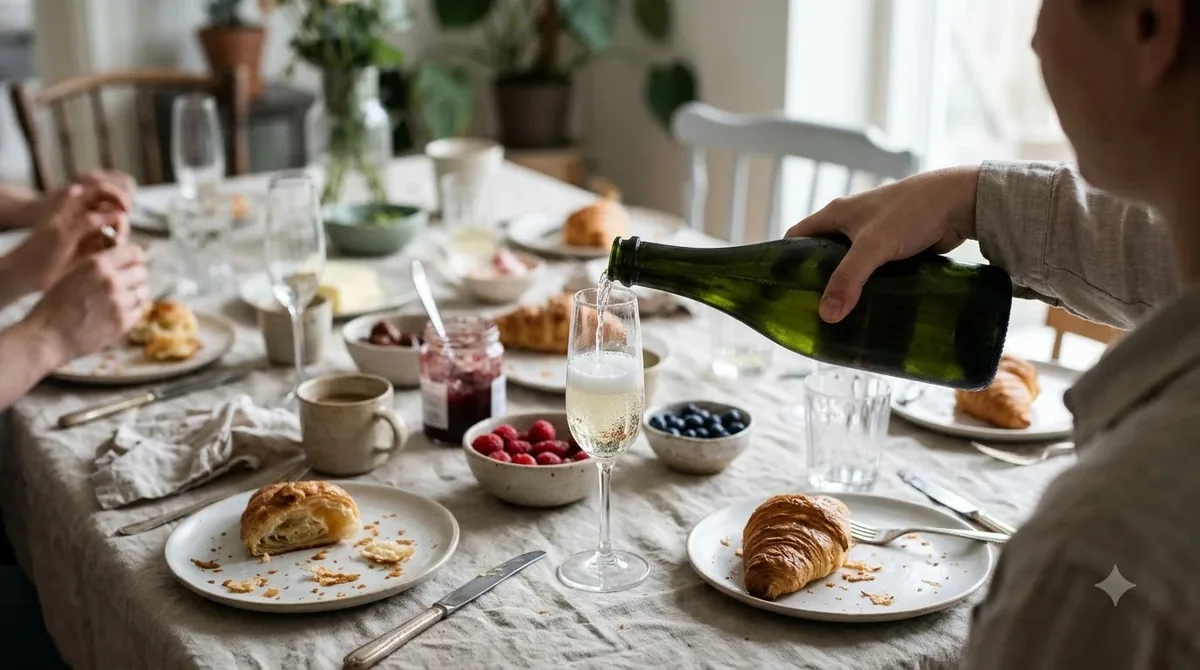
Strawberry is one of the most familiar aromas. Depending on the wine, it can resemble freshly cut strawberries, wild strawberries, strawberry jam, or slightly tart berries. Raspberry is another common flavor, bringing a sharper, sometimes almost tangy character. Cherry can range from fresh red cherry to more concentrated sour-cherry or ripe black-cherry notes.
Beyond red fruit, sparkling rosé often shows citrus flavors. Pink grapefruit, blood orange, lemon zest, and orange peel can add brightness. Some wines also suggest white peach, pear, apple, or nectarine. These orchard-fruit notes are especially noticeable in lighter styles where delicate fruit and fresh acidity take priority over richness.
Floral aromas can include rose petals, violet, acacia, and other delicate blossoms. They are generally supporting notes rather than the dominant flavor. A wine made with aromatic grapes or fruit harvested in a cooler climate may emphasize floral freshness more strongly than a fuller-bodied, deeply colored bottle.
Some sparkling rosés also develop secondary aromas from fermentation and aging. These can include toasted bread, brioche, biscuit, almond, pastry, and bread dough. They are especially relevant to traditional-method wines that spend time aging on their lees, the spent yeast cells left after fermentation. The resulting flavor combination can resemble strawberries with a slice of toasted brioche rather than a simple glass of fizzy fruit juice.
The finish is usually refreshing, with acidity helping the fruit flavors linger without becoming cloying. A dry bottle may finish with grapefruit peel, tart raspberry, or a faint mineral impression. A sweeter example may leave a more pronounced impression of ripe strawberries, peach, or red fruit candy.
Not every bottle displays all these characteristics. Some are delicate and almost citrus-driven, while others have concentrated berry flavors and a fuller texture. The grape varieties, growing conditions, and production choices determine which flavors become most noticeable. For a detailed explanation of how these production choices affect aroma and texture, read Wine.com’s guide to sparkling rosé styles and production.
How Grape Varieties and Winemaking Shape the Flavor
The grapes and production techniques determine whether sparkling rosé tastes delicate and floral, intensely fruity, or rich and toasty. Two bottles with similar pink colors can have quite different flavors because their grapes and fermentation methods are not necessarily the same.
Pinot Noir is particularly important in many traditional-method sparkling rosés. It can contribute strawberry, raspberry, cherry, and red currant flavors, along with enough structure to give the wine a more substantial mouthfeel. When grown in cooler conditions, it can retain freshness and produce more restrained fruit aromas.
Pinot Meunier can add approachable red-fruit character, including strawberry and cherry. Chardonnay, although a white grape, is often part of sparkling rosé blends. It contributes acidity, citrus, apple, and structure, helping keep the finished wine balanced. Grenache, Garnacha, and other red varieties can contribute ripe berry flavors and a softer impression of fruit.
The way the wine gets its pink color also matters. There are two particularly important techniques: blending and skin contact.
Blending white and red wine
Blending, often called assemblage in French winemaking, involves adding a proportion of still red wine to a white sparkling-wine base. The winemaker can adjust the amount of red wine to control the color and influence the final flavor. This technique is particularly associated with Champagne rosé.
Depending on the blend, the result may emphasize fresh strawberry, cherry, citrus, or subtle floral aromas. Blending also gives the winemaker an opportunity to add more fruit character and body without relying entirely on extended contact between red grape skins and juice.
Skin contact and saignée
Red grapes have colored skins, while their juice is often much lighter. Allowing the juice to remain in contact with those skins extracts pigments and can also contribute flavor compounds and tannin. Short contact produces lighter pink wines, while longer contact can create deeper color and more pronounced red-fruit character.
Saignée is a related technique in which some juice is drawn off early during red-wine maceration. That separated juice is then fermented as rosé, while the remaining red-wine must becomes more concentrated. Sparkling rosés made with this approach can have more noticeable berry intensity and a slightly fuller structure.
Neither technique guarantees a particular sweetness level. A wine made by blending can be completely dry, while a skin-contact sparkling rosé can have noticeable residual sugar. Color intensity is therefore not a dependable way to determine sweetness.
The sparkling method adds another layer. Traditional-method wines undergo their second fermentation in the bottle, which can contribute fine bubbles and, with lees aging, flavors of biscuit, bread dough, and brioche. Charmat-method wines undergo their second fermentation in a pressurized tank and often emphasize direct, fresh fruit character.
These are tendencies rather than absolute rules. A carefully made tank-method rosé can be complex, and a traditional-method wine can be very fruit-forward. For additional context about the base style, see our explanation of what does sparkling wine taste like.
Is Sparkling Rosé Sweet or Dry?
Sparkling rosé can be bone-dry, moderately dry, off-dry, or sweet. The sweetness designation on the label is a more reliable guide than the wine’s pink color or fruity aroma.
One common misunderstanding is that a wine tasting strongly of strawberries must contain substantial sugar. Fruit aromas and actual sweetness are different things. A dry sparkling rosé can smell intensely of ripe berries while tasting crisp and refreshing because its acidity balances the fruit character.
Look for the sweetness terminology on the bottle. Sparkling wines use established terms to describe residual sugar, although regional labeling rules and the precise limits can vary. The following figures provide a useful reference for the commonly cited classification.
| Label designation | Residual sugar | Typical impression |
|---|---|---|
| Brut Nature | 0–3 g/L under common EU labeling rules | Bone-dry, very crisp |
| Extra Brut | 0–6 g/L | Very dry and focused |
| Brut | 0–12 g/L | Dry, balanced, refreshing |
| Extra Dry | 12–17 g/L | Softly rounded, lightly sweet impression |
| Dry | 17–32 g/L | Noticeably sweeter |
| Demi-Sec | 32–50 g/L | Sweet, fruity, rounded |
| Doux | More than 50 g/L | Very sweet |
The figures in this table are useful reference points, not a universal legal standard for every country. In particular, European Union rules allow a slightly different upper limit for Brut Nature, while other jurisdictions may apply their own labeling requirements.
Brut is a sensible starting point for someone who wants sparkling rosé that tastes refreshing rather than sweet. It can show ripe strawberry and raspberry aromas without leaving a sugary impression. Extra Brut and Brut Nature are better choices for people who prefer a particularly crisp, dry finish.
Extra Dry is an important term to understand because it sounds drier than Brut but is actually sweeter in the conventional sparkling-wine classification. A bottle labeled Extra Dry may have a softer, rounder taste that works well with fruit-based appetizers and casual gatherings.
Demi-Sec and Doux are better suited to people who actively enjoy sweeter wines. Their fruit flavors can resemble ripe strawberries, peach preserves, and raspberry desserts. They can also work well alongside sweet foods when the wine itself is at least as sweet as the dessert.
Tip: If you usually drink dry white wine or Brut Champagne, begin with a Brut sparkling rosé. If you prefer sweeter Moscato or fruit-forward wines, consider Extra Dry or Demi-Sec instead.
How Sparkling Rosé Differs by Region and Style
Different sparkling-wine regions create distinct expressions of rosé, even when the wines share similar red-fruit flavors. Champagne, Cava, Prosecco, and other traditional-method regions offer different combinations of grapes, acidity, bubbles, and aging character.
French Champagne rosé is often associated with fine bubbles, strawberry, red cherry, citrus peel, and developed notes of biscuit or brioche. Its production follows traditional-method rules, and blending still red wine into the white-based blend is an established way to produce the pink style. Some examples are lean and mineral, while others have a richer, more structured texture.
Rosé Champagne is only one category within sparkling rosé. If you are comparing the two, our separate explanation of what does rosé Champagne taste like focuses on the particular characteristics of that French sparkling-wine style.
Spanish Cava Rosado can use red grapes such as Garnacha, Monastrell, Pinot Noir, and Trepat. Much Cava production is associated with Catalonia, particularly the area around Sant Sadurní d’Anoia. Its traditional-method production can give the wine fresh red-fruit flavors alongside citrus and bread-like notes from lees aging.
Italian Prosecco Rosé combines Glera with Pinot Noir. Its character often emphasizes fresh strawberry, pear, apple, and floral aromas. Tank fermentation can preserve an expressive fruit profile and produce a lively, approachable style. Prosecco Rosé should not automatically be assumed to be sweet: the sweetness designation still matters.
Other regions offer different interpretations. Crémant is the name for French traditional-method sparkling wines produced outside Champagne, including examples from Alsace, Burgundy, Bordeaux, and the Loire. Depending on grape varieties and the producer’s approach, these can show citrus, red berries, floral notes, or more developed pastry characteristics.
English sparkling rosé can display lively acidity and wild-berry flavors, particularly in wines from cool growing regions. Italian Franciacorta rosé and Trento rosé can offer red fruit, fine bubbles, and more developed notes of bread and pastry. These differences make the region an important clue, but the producer’s style and grape blend remain equally relevant.
There are also pét-nat rosés, made using the ancestral method. These wines may be cloudy if they retain yeast sediment, and their flavor can range from fresh strawberries and raspberries to tropical fruit and more unusual fermentation-derived notes. They are not necessarily as polished or predictable as conventional traditional-method sparkling wines.
For a broader comparison of wine styles and grapes, browse our Wine by Type section.
How to Serve Sparkling Rosé for the Best Flavor
Serve sparkling rosé chilled, ideally around 45–50°F. This temperature keeps the wine refreshing while allowing its strawberry, cherry, citrus, and floral aromas to remain noticeable.
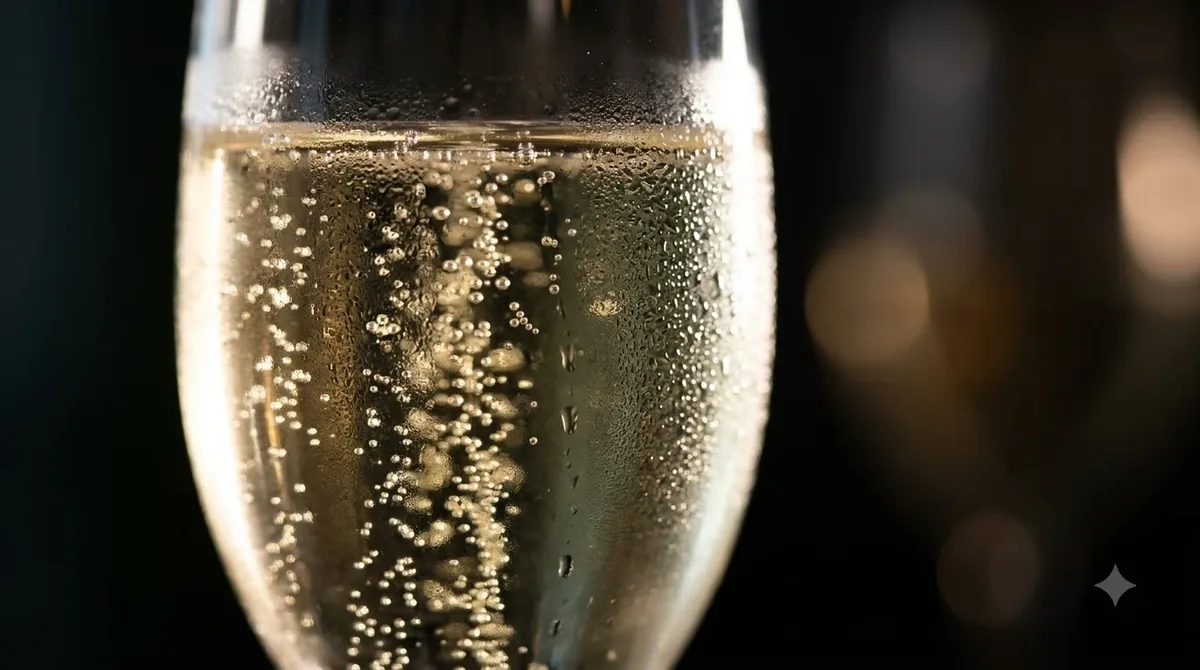
A bottle served too warm can seem less refreshing, with its alcohol and sweetness becoming more noticeable. Excessively cold wine, on the other hand, may hide delicate aromas and make the fruit seem muted. If the bottle has been stored at room temperature, place it in the refrigerator for a few hours before serving.
An ice bucket with water and ice can chill a bottle more quickly than ice alone because water helps transfer cold around the glass. Approximately 15–20 minutes in a properly prepared ice bucket can make a useful difference, although the starting temperature and bottle conditions affect the timing.
Choose a sparkling-wine glass that gives the wine enough room to release its aromas. A narrow flute preserves the visual effect of the bubbles and can be suitable for a quick celebratory pour. A tulip-shaped sparkling glass provides more room for strawberry, citrus, and floral aromas to develop. A small white-wine glass can also work well for a complex traditional-method rosé.
Pour gently down the side of the glass to reduce excessive foaming. A standard serving is about 5 ounces, and a 750 ml bottle provides approximately five servings. For a tasting, a smaller pour allows you to compare several wines without filling the glass too much.
After opening, sparkling rosé is best enjoyed while its bubbles remain lively. Refrigerate the bottle promptly and use a proper sparkling-wine stopper. Most opened sparkling wines are best consumed within one to three days, although freshness and bubble retention depend on the wine and closure.
Glassware and temperature can also change how the same bottle seems to taste. A chilled, crisp rosé may emphasize grapefruit and fresh strawberry, while the same wine warming slightly in a tulip glass may reveal more floral, apple, and pastry aromas.
Food Pairings That Complement Sparkling Rosé
Sparkling rosé pairs particularly well with foods that combine freshness, salt, fat, or moderate richness. Its acidity refreshes the palate, while the bubbles and red-fruit character make it flexible enough for appetizers, seafood, poultry, and selected desserts.
For appetizers, try sparkling rosé with smoked salmon, shrimp cocktail, oysters, crab cakes, or savory pastry. The bright acidity complements seafood’s delicate flavors, while the bubbles provide a refreshing contrast to richer preparations. A dry Brut rosé is particularly useful when the dish contains lemon, herbs, or a light cream sauce.
Soft cheeses are another good choice. Brie, Camembert, fresh goat cheese, and mild triple-cream cheeses can work especially well. Salt and fat soften the perception of a wine’s structure, and the acidity helps keep the pairing balanced. A dry rosé with fresh berry flavors can make an attractive match for a cheese board with crackers and fruit.
For main courses, consider roast chicken, turkey, grilled salmon, or pork tenderloin. A more structured traditional-method rosé can handle richer preparations, including poultry with a buttery sauce. Its fruit and acidity provide contrast without overwhelming the food.
Be more selective with strongly flavored dishes. Very spicy food can make alcohol and tannin seem more pronounced, so an intensely alcoholic or structured rosé may amplify chili heat. A slightly sweeter, lower-tannin sparkling rosé can be a better choice for mildly spicy dishes, especially when the food also includes fruit or citrus.
Deeply tannic red wines are generally poor partners for oily fish, but sparkling rosé usually has relatively low tannin. That makes it more flexible with salmon and other fish, particularly when the preparation is grilled, smoked, or served with a citrus dressing.
Sweet dishes require a little more care. A dry Brut rosé can taste sour or thin beside a very sweet dessert because the sugar in the food makes the wine seem more acidic and less fruity. Choose a sparkling rosé that is at least as sweet as the dessert.
For example, Demi-Sec rosé can work with strawberry shortcake, raspberry tart, or fruit-based pastries. A sweeter style may also complement panna cotta with berries. Dark chocolate can be more difficult because its bitterness may clash with a delicate, dry sparkling wine, so a sweeter, fruitier rosé is generally a more suitable direction.
Here are some practical combinations to consider:
- Brut rosé: Smoked salmon, oysters, shrimp, goat cheese, and roast chicken.
- Extra Dry rosé: Fruit salads, mildly spicy appetizers, savory pastries, and fresh berries.
- Demi-Sec rosé: Strawberry shortcake, raspberry tart, peach desserts, and fruit pastries.
- Traditional-method rosé: Brie, roast poultry, mushroom appetizers, and richer seafood dishes.
- Fresh, tank-method rosé: Sushi, light salads, grilled shrimp, and summer appetizers.
The best pairing depends on the wine’s actual sweetness, acidity, and body rather than its pink color. A very dry rosé can be excellent with savory food, while a sweeter example may be more successful at the end of a meal.
Frequently Asked Questions
Does sparkling rosé contain tannins?
Most sparkling rosés have relatively low tannin compared with red sparkling wines because their production generally involves limited extraction from red grape skins. However, skin-contact methods can introduce some tannin and a subtle drying sensation. This can give certain bottles a firmer finish and a little more structure.
Why does sparkling rosé sometimes taste creamy?
Creaminess can come from lees aging, fermentation choices, and the texture of the bubbles. Traditional-method wines can develop a rounded impression alongside aromas of brioche and bread dough. Some wines also undergo malolactic fermentation, which can soften sharper acidity and contribute a creamier impression.
Can sparkling rosé be made from only one grape variety?
Yes. Some producers make single-variety sparkling rosé, including examples made entirely from Pinot Noir. These wines are sometimes described as rosé de noirs. A single-grape bottling can emphasize the particular fruit, acidity, and structure of that variety more clearly than a multi-grape blend.
Does a darker pink sparkling rosé have more alcohol?
No. Color intensity does not establish alcohol content. The shade of pink is influenced by grape variety, skin contact, blending, and winemaking decisions, while alcohol depends primarily on fermentation and the amount of sugar in the grapes. Two bottles with very different shades can have similar alcohol levels.
What does sparkling rosé mean on a wine label?
It identifies a pink wine that contains dissolved carbon dioxide and produces bubbles when opened and poured. The designation does not identify one particular grape variety or region. A bottle may come from France, Spain, Italy, the United States, or another wine-producing country, with the specific appellation determining additional production requirements.
Sparkling rosé is generally a refreshing combination of red berries, citrus, floral aromas, acidity, and lively bubbles. Choose Brut for a crisp, dry style, Extra Dry for a softer impression, or Demi-Sec for a noticeably sweeter wine. Once you understand the grape varieties, production methods, and sweetness labels, finding a bottle that suits your palate becomes much easier.
More in Wine Types & Grapes
 What Does Mourvèdre Taste Like? Flavor Profile, Regions, and PairingsUpdated Nov 20, 2026
 What Does Marsanne Taste Like? Flavors, Styles, and Food PairingsUpdated Nov 20, 2026
 What Does Malvasia Taste Like? Styles, Flavors, and Food PairingsUpdated Nov 20, 2026
 What Does Grenache Blanc Taste Like? Flavor Profile, Styles, and PairingsUpdated Nov 20, 2026
 What Does Garnacha Taste Like? Key Flavors, Styles, and Pairing TipsUpdated Nov 20, 2026
 What Does Fruit Wine Taste Like? A Complete Flavor and Style BreakdownUpdated Nov 20, 2026