

We may earn a commission when you buy through links on this page, at no extra cost to you. Learn more.
What does rose champagne taste like? Rose Champagne typically tastes like fresh strawberries, raspberries, red currants, and citrus, with crisp acidity, fine bubbles, and sometimes creamy, toasted, or spicy notes. Its flavor can range from delicate and refreshing to rich, concentrated, and full-bodied. Although its pink color suggests sweetness, most bottles are dry, and their actual sweetness depends on the dosage rather than the color.
Rosé Champagne combines the freshness and lively acidity associated with traditional Champagne with additional fruit character from red grapes. Depending on the producer, the blend, and the winemaking method, a glass might suggest wild strawberries and lemon zest or move toward cherries, raspberries, ripe peaches, and subtle baking spices. Understanding these differences makes it easier to choose a bottle for an aperitif, a special dinner, or a celebration.
The Main Flavors of Rosé Champagne
Rosé Champagne usually offers a combination of fresh red fruit, citrus, and refreshing acidity. Its bubbles lift these flavors across the palate, while the underlying Champagne character contributes freshness, texture, and sometimes a delicate bread-like richness.
Red berries are the defining flavor family. Strawberry, raspberry, red currant, cherry, and sometimes blackberry are common descriptions. Younger, fruit-forward examples often emphasize fresh berries rather than jammy or cooked fruit. The result can resemble biting into a ripe strawberry with a squeeze of lemon rather than drinking a sweet berry beverage.
Citrus provides an important counterpoint. Lemon, grapefruit, and occasionally orange-peel impressions help balance the red-fruit character. These flavors are particularly noticeable in lighter, more delicate styles, where freshness and acidity take priority over richness.
Some bottles also reveal white peach, nectarine, or other yellow-fruit characteristics. These flavors give the wine a rounder impression without necessarily making it sweet. Floral suggestions such as rose petals and subtle violet can add another dimension, especially in aromatic blends.
Age and winemaking choices introduce additional flavors. A mature bottle may show dried strawberries, preserved cherries, toasted bread, biscuits, nuts, or gentle spice. These notes complement the fruit rather than replacing it entirely.
Texture is equally important. Fine bubbles create a lively sensation, while the wine’s acidity keeps the palate refreshing. Some rosés feel light and delicate; others have enough body and concentration to accompany an entire meal.
How Rosé Champagne Tastes Compared With White Champagne
Rosé Champagne generally offers more noticeable red-fruit character and sometimes greater body than conventional white Champagne. White Champagne often emphasizes citrus, green apple, pear, chalky impressions, and pastry notes, while rosé adds strawberry, raspberry, and cherry dimensions.
The distinction is not simply color. Both styles are made using traditional Champagne production, including a second fermentation in the bottle. The differences arise from the grape composition, winemaking decisions, and the use of red wine or grape-skin contact to create the pink color.
A delicate rosé can still taste very similar to an elegant white Champagne, especially when Chardonnay contributes a substantial portion of the blend. It may have lemon, white flowers, and crisp acidity alongside a subtle strawberry impression.
A more powerful rosé can feel substantially different. Red-fruit flavors become more prominent, the palate may seem broader, and the wine can have a more vinous character. These bottles are often better suited to food than to serving exclusively as an aperitif.
For a closer comparison, consider what does brut champagne taste like. Brut describes a sweetness category rather than a color or grape variety. Both white and rosé Champagne can be Brut, so a dry rosé can share the same basic sweetness classification as a dry white bottle.
Rosé also differs from many everyday sparkling rosés because Champagne has its own regional production requirements and characteristic winemaking traditions. To understand the broader distinction, see what does sparkling rose taste like.
Why Rosé Champagne Has Red-Fruit Flavors
The red-fruit character comes primarily from the black grape varieties and the way the winemaker extracts or introduces their color and flavor. Champagne rosé is generally produced through blending or maceration, with each technique offering different opportunities to shape the finished wine.
Blended rosé: freshness and balance
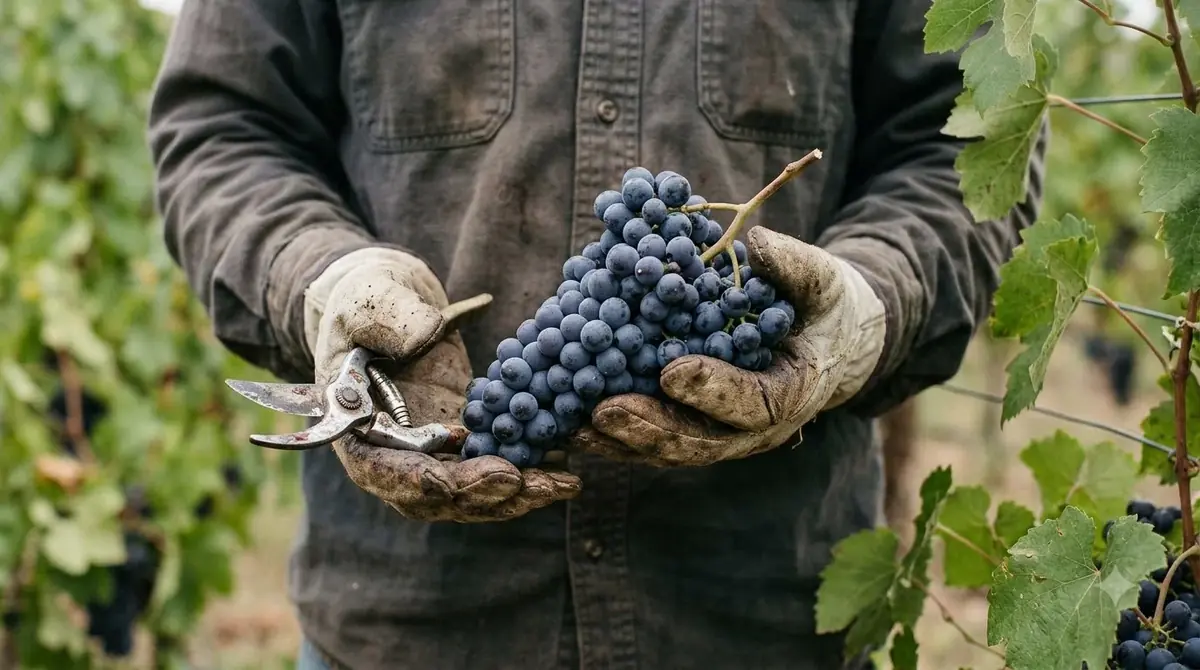
Blending, also called assemblage, is the most common method. According to the Champagne regional authority, producers can add approximately 5–20% red wine to white Champagne wine to create the desired pink color and additional fruit character.
The red wine generally comes from Pinot Noir or Meunier grapes grown and vinified in the Champagne region. The producer determines the proportion needed to achieve the intended style. A smaller proportion can contribute a gentle strawberry or red-currant impression, while a larger proportion may create deeper color and more pronounced fruit.
This method also allows producers to maintain a recognizable house style across different releases. The blending decision can influence color, structure, and aromatic intensity while preserving the freshness of the white Champagne base.
Maceration and saignée: more direct grape expression
The second approach involves allowing juice to remain in contact with the skins of black grapes. The skins release pigments and aromatic compounds, producing the characteristic pink appearance and adding another layer of grape-derived flavor.
The Champagne regional authority describes maceration periods that can reach approximately 36 hours, while saignée generally involves a shorter period of around 8–12 hours. These are production descriptions rather than mandatory durations for every bottle.
Saignée examples often have a deeper color and more intense fruit character. Depending on the producer, they may suggest ripe raspberries, cherries, and darker berries, with a more substantial palate than a delicate blended rosé.
Neither method guarantees a particular quality level. Blended rosé can be complex and powerful, while macerated rosé can retain considerable freshness. The final character depends on grape quality, extraction, blending decisions, fermentation, and aging.
How Grapes and Production Shape the Flavor
Pinot Noir, Meunier, and Chardonnay provide the main building blocks of Champagne, and each contributes a different element to rosé. Their proportions help explain why two pink Champagnes can taste remarkably different even when both are dry and made in the same region.
Pinot Noir is particularly important for red-fruit expression. It can contribute strawberry, raspberry, cherry, and a firmer structure. When a producer uses Pinot Noir red wine in a blend, the resulting rosé may have more pronounced fruit and a fuller impression.
Meunier often contributes roundness and approachable fruit character. Its presence can make the wine feel generous and supple, complementing the sharper freshness provided by other varieties.
Chardonnay contributes freshness, finesse, and aromatic lift. A Chardonnay-focused rosé may emphasize lemon, citrus peel, white flowers, and delicate red berries instead of darker fruit. This is a useful direction for someone who enjoys traditional white Champagne but wants to explore a pink version.
The following table summarizes common grape contributions. These are typical stylistic tendencies, not guaranteed tasting notes for every bottle.
| Grape variety | Typical flavor contribution | Effect on style |
|---|---|---|
| Pinot Noir | Strawberry, raspberry, cherry | Fruit intensity and structure |
| Meunier | Red berries, ripe fruit | Roundness and supple texture |
| Chardonnay | Lemon, citrus, white flowers | Freshness and finesse |
These contributions interact rather than appearing independently. For example, a blend with substantial Chardonnay and Pinot Noir may combine bright citrus with strawberry and raspberry, creating a refreshing wine with a noticeable fruit core.
Reserve wines and bottle aging can also change the final flavor. Some Champagnes develop biscuit, brioche, toasted nuts, dried fruit, and spice characteristics as they mature. The fruit may become less overtly fresh, while the overall profile becomes more layered.
Decanter’s discussion of Champagne styles highlights the difference between delicate Chardonnay-driven rosés and more intense examples with greater red-wine proportions. Its guide to rosé Champagne styles also explains why color and fruit intensity can vary considerably between producers.
Is Rosé Champagne Sweet or Dry?
Most rosé Champagne sold in a Brut style tastes dry, with lively acidity and fruit flavors that can make it seem slightly sweeter than it actually is. Its pink color and strawberry aromas do not mean that the wine contains more sugar than white Champagne.
The key term is dosage. During production, the winemaker adds a dosage mixture that helps determine the finished wine’s sweetness. This decision is independent of whether the Champagne is pink or white.
Brut is a common choice for rosé Champagne. It generally has a dry profile, allowing red-fruit flavors to stand out without making the wine taste like a dessert beverage. Extra Brut and Brut Nature styles are even drier, while sweeter classifications provide a different balance.
The main Champagne sweetness classifications, from driest to sweetest, are:
- Brut Nature: The driest category, with very little or no added dosage sugar.
- Extra Brut: Very dry, with a restrained sweetness impression.
- Brut: Dry and widely available, with balanced fruit and acidity.
- Extra Dry: Slightly sweeter than Brut despite its confusing name.
- Dry: Noticeably sweeter than Extra Dry.
- Demi-Sec: Sweet enough to suit some fruit desserts.
- Doux: The sweetest Champagne classification.
It is useful to separate perceived fruitiness from actual sweetness. A Champagne with intense raspberry and strawberry aromas may smell sweet but finish dry. Conversely, a less aromatic wine with more residual sugar may taste sweeter even without strong fruit aromas.
Tip: If you prefer a crisp, dry sparkling wine, start with Brut or Extra Brut Rosé Champagne. If you want a sweeter finish, explore Demi-Sec rather than choosing a bottle based on its pink color.
For another useful comparison, what does chenin blanc taste like explains how acidity, fruit character, and residual sugar can create very different impressions in wines made from the same grape variety.
What Foods Taste Best With Rosé Champagne?
Rosé Champagne pairs especially well with seafood, roasted poultry, savory appetizers, and red-fruit desserts. Its combination of acidity, bubbles, and berry flavors makes it flexible enough for dishes that might be difficult to match with either a very delicate white wine or a tannic red.
Seafood is a natural starting point. Shrimp, crab, lobster, oysters, and sashimi can work particularly well with a fresh, lighter rosé. Citrus notes and acidity help balance the natural richness of seafood, while the bubbles refresh the palate between bites.
Salmon is another useful pairing, especially when prepared with herbs, citrus, or a light seasoning. A rosé with pronounced red-fruit flavors can complement the fish without overpowering its texture. However, preparations with heavy sauces should be matched with a fuller-bodied example.
Roasted poultry is especially suitable for rosé Champagne. Roast chicken, duck, and turkey provide enough savory flavor to complement the wine’s fruit and structure. The Champagne regional authority specifically identifies roast poultry as a particularly successful match.
Cheese can also work well. Parmesan, aged goat cheese, and other firm, savory cheeses offer salt and texture that complement the wine’s acidity and fruit. A creamy cheese can make a more structured rosé feel rounder and softer.
For a celebratory appetizer, consider prosciutto, mild charcuterie, smoked salmon, or small savory pastries. The saltiness of these foods can balance the wine’s freshness and make its fruit character more noticeable.
For dessert, choose something with a similar or slightly greater level of sweetness than the wine. Strawberry tart, raspberry crumble, cherry pastries, and fresh berry desserts are useful choices. A very sweet dessert can make a dry Champagne seem sour or overly acidic, so sweeter Champagne styles may be preferable for particularly sugary dishes.
Spicy food requires more care. Champagne acidity can refresh the palate, but alcohol and tannin can amplify chili heat. Choose a relatively delicate rosé and avoid extremely hot dishes if you want to preserve the wine’s subtle flavors.
How to Serve and Appreciate Rosé Champagne
Rosé Champagne tastes best when served properly chilled, with enough room in the glass for its aromas to develop. A serving temperature of approximately 40–50°F preserves freshness while allowing the wine’s fruit and texture to remain expressive.
Serving it too cold can make subtle strawberry, citrus, and floral aromas difficult to detect. As the wine gradually warms in the glass, additional details may become noticeable, including peach, red currant, biscuit, and spice.
Choose the right glass
A traditional flute preserves the visual effect of the bubbles and creates an elegant presentation. However, a tulip-shaped sparkling wine glass or a smaller white wine glass can offer more room for aromatic development.
For a particularly complex vintage rosé, a white wine glass is often useful because its wider bowl allows the wine’s layers to become easier to recognize. This is especially helpful when the bottle shows mature notes of toast, dried berries, and spices.
Follow a simple tasting sequence
Start by observing the color. Rosé Champagne can appear pale pink, salmon, strawberry pink, or raspberry pink. Color intensity may offer clues about the production method and grape-skin contact, but it does not independently determine sweetness or quality.
Next, smell the wine before taking a sip. Look for fresh strawberries, raspberries, red currants, citrus, flowers, or hints of pastry. Older examples may show dried fruit, toasted bread, nuts, and spices.
Finally, take a small sip and notice three elements: acidity, bubbles, and texture. Ask whether the wine feels light and crisp or fuller and more structured. Pay attention to how long the fruit remains after swallowing.
Pour and preserve it correctly
A standard wine serving is approximately 5 ounces. A 750 ml Champagne bottle provides about five standard glasses, making it a practical amount for a small gathering.
Once opened, sparkling wine generally retains its best character for approximately 1–3 days in the refrigerator when properly sealed with a sparkling-wine stopper. The bubbles gradually diminish, and the fruit aromas can become less expressive.
For unopened bottles, keep Champagne away from direct sunlight and strong temperature changes. Stable, cool storage helps preserve its freshness and aromatic character.
For broader information about wine styles, grapes, and serving characteristics, explore Wine by Type.
Frequently Asked Questions
Does all rosé Champagne come from the same Champagne grapes?
No. Producers can use different proportions of Pinot Noir, Meunier, and Chardonnay depending on the desired style. Some rosés emphasize Pinot Noir, while others feature more Chardonnay or Meunier. The permitted grape varieties also include smaller authorized varieties under Champagne regulations.
Can rosé Champagne be made without adding red wine?
Yes. Maceration produces pink Champagne through contact between the juice and black grape skins rather than blending in finished red wine. Saignée is a related technique in which juice is drawn from a macerating tank after a period of skin contact. Both methods can produce distinctive rosé wines.
Is rosé Champagne always more expensive than white Champagne?
No. Rosé is a style rather than a separate quality classification. Its price depends on the producer, vineyard sources, vintage, aging, and production choices. Some standard non-vintage rosés are more accessible than prestigious white vintage Champagnes.
Can rosé Champagne be aged for several years?
Yes. Vintage and prestige rosé Champagnes can develop additional complexity in the cellar. Some develop more pronounced dried-fruit, spice, and toasted characteristics after several years. Storage conditions and the individual producer’s style are important considerations.
Why do some rosé Champagnes look orange or copper-colored?
The final color depends on grape variety, skin contact, blending decisions, and maturation. Some bottles naturally show salmon, copper, or orange-pink tones rather than bright strawberry pink. Older wines can also develop deeper golden and copper-like visual characteristics as they mature.
Rosé Champagne typically tastes like fresh red berries, citrus, and crisp acidity, with fine bubbles and occasional notes of toast, peach, and spice. Its sweetness, body, and intensity depend on the producer’s blending choices, production method, and dosage. For a refreshing, versatile sparkling wine, a Brut Rosé is an excellent starting point, while fuller-bodied and mature examples offer an appealing choice for more substantial meals.
More in Wine Types & Grapes
 What Does Mourvèdre Taste Like? Flavor Profile, Regions, and PairingsUpdated Nov 20, 2026
 What Does Marsanne Taste Like? Flavors, Styles, and Food PairingsUpdated Nov 20, 2026
 What Does Malvasia Taste Like? Styles, Flavors, and Food PairingsUpdated Nov 20, 2026
 What Does Grenache Blanc Taste Like? Flavor Profile, Styles, and PairingsUpdated Nov 20, 2026
 What Does Garnacha Taste Like? Key Flavors, Styles, and Pairing TipsUpdated Nov 20, 2026
 What Does Fruit Wine Taste Like? A Complete Flavor and Style BreakdownUpdated Nov 20, 2026