

We may earn a commission when you buy through links on this page, at no extra cost to you. Learn more.
The core rule of sweet red wine food pairing is simple: the wine should be at least as sweet as the dish, with enough acidity to keep it lively. Lambrusco suits pizza and cured meats, while Brachetto d’Acqui and sweet Lambrusco lean toward chocolate desserts and berry tarts. Ruby Port and Banyuls handle dark chocolate, blue cheese, and salty roasts, so start with sweetness, then check alcohol and body before you choose a bottle.
Many people hear “sweet red” and picture a cheap bottle poured at a backyard party. Dry reds get most of the attention at the dinner table, but several sweet reds from Italy, France, and Portugal are made on purpose to be sweet and to accompany food. Their sugar, acidity, and alcohol vary widely, and those three numbers decide what each style can sit beside on a plate. This guide walks through how sweet reds get their sweetness, the rules that hold good pairings together, and the dishes that work best with each style.
What Makes a Red Wine Sweet Enough to Matter at the Table
Sweetness in red wine comes from residual sugar, the sugar left behind once fermentation stops, and the way a winemaker controls fermentation decides how much remains. Alcohol and acidity change how that sugar registers on the palate, so sweetness is never just a single number.
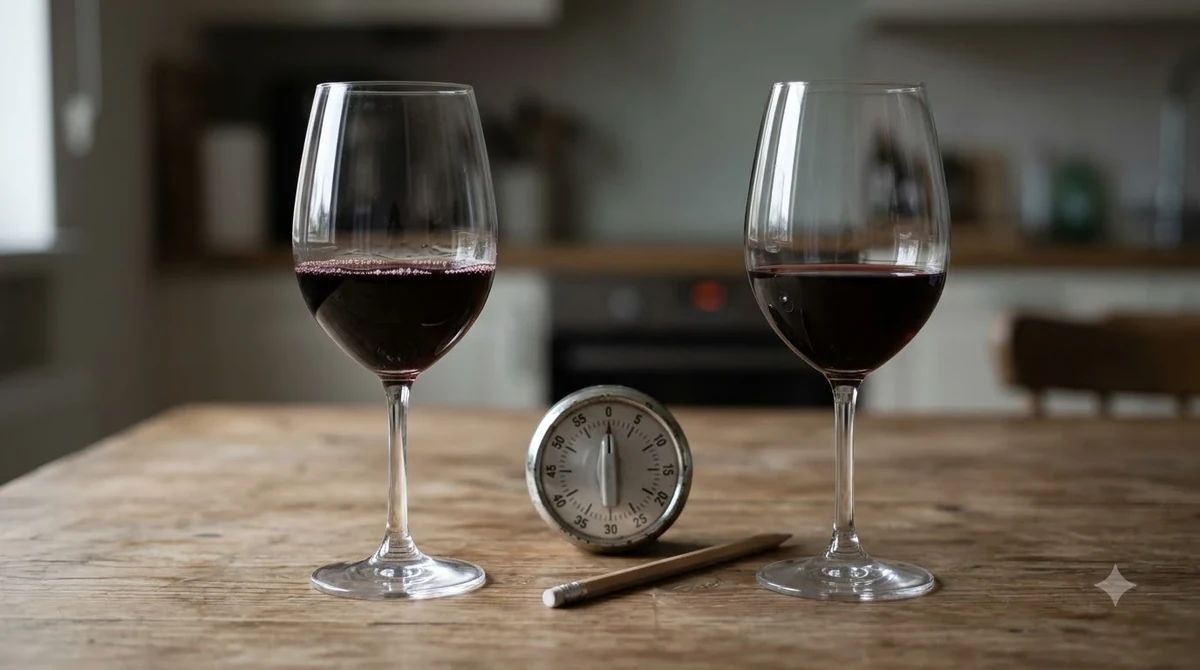
According to VinePair’s breakdown, a red with under 10 grams of residual sugar per liter is generally considered dry, while 10 to 30 grams per liter counts as off-dry and anything above 30 grams crosses into sweet territory. The sweetest dessert bottlings in the world can carry over 100 to 150 grams per liter, so the gap between a light Lambrusco and a rich Tawny Port is enormous. Knowing where a bottle sits on that scale tells you more about pairing than the color in the glass ever will.
Winemakers produce that sweetness in a few different ways. Fortified wines have a distilled grape spirit added during fermentation, which halts the yeast and leaves sugar behind. Other sweet reds are made from grapes that have been ripened or dried until they hold extra sugar before pressing. Port from Portugal’s Douro Valley is the best-known fortified example, and the Roussillon region of southern France produces related fortified styles such as Maury and Banyuls, both built mostly on Grenache. Those wines run much higher in alcohol than the sparkling styles, which is a useful clue when you are reading a label.
Sparkling and frizzante reds work differently. Italian Lambrusco often states its sweetness on the label, using secco for dry, semi-secco for off-dry, amabile for semi-sweet, and dolce for sweet, and the sweeter bottles usually carry lower alcohol. Brachetto d’Acqui from Piedmont sits at the other end of that scale, typically bottled around 5.5% ABV according to VinePair, with intense rose and red-berry aromatics. Vinovest also points out that ripe fruit can make a dry red seem sweet, and that high acidity makes real sugar more noticeable, so use style and region as your guide rather than relying on flavor alone.
Why the Wine Should Be Sweeter Than the Dish
The general rule is that a sweet wine should be at least as sweet as the food beside it, because a dry wine next to sugar tends to taste thin and sharp. Sweet desserts are the easiest place to start, and savory food can work too when the sweetness is built into the sauce or glaze.
The principle is straightforward. VinePair’s guide to pairing sweet wine with savory food states the basic rule plainly: sweet wines belong with sweet food, and the wine should be sweeter than the dish. When the dessert outruns the wine, the wine can taste sour by comparison and the pairing feels flat, so match or exceed the sugar on the plate every time you start with dessert.
Savory food is where the rule gets more interesting. Dishes with fruit reductions, sweet sauces, or honey glazes are excellent matches for sweet wines, and the sugar in those dishes tones down the sweetness you perceive in the wine. As a result, a sweet red served with a honey-glazed pork chop often seems drier than it does poured alone, while a truly dry red can taste harsh and acidic beside the same plate. That is why a sweet red can balance sweet components that would overwhelm a dry bottle.
Acidity is the other half of the equation. A sweet wine needs good acidity to balance its sugar and leave the palate clean, and that acidity also cuts through rich food. This is why a fresh, acid-driven sweet red can handle fatty meats and cheese without feeling heavy. If you also want to see how the same sweetness logic plays out with lighter bottles, our sweet white wine food pairing guide shows how acidity and body guide the choice for white styles.
Comparing the Main Sweet Red Styles
Most sweet reds on shelves fall into a handful of familiar styles, which split into lightly sparkling wines from Italy and fortified wines from Portugal and France. The table below puts their sweetness, alcohol, and best food matches side by side so you can compare them quickly.
| Style | Typical sweetness | Typical alcohol | Best food matches |
|---|---|---|---|
| Lambrusco (amabile or dolce) | Semi-sweet to sweet, roughly 30 to 75 g/L | 7 to 11% ABV | Dark chocolate, tiramisu, fresh berries |
| Brachetto d’Acqui | Very sweet, semi-sparkling, roughly 75 to 150 g/L | About 5.5% ABV | Ganache, mousse, berry tarts, strawberry ice cream |
| Ruby Port | Very sweet, fortified | 19 to 22% ABV | Dark chocolate, blue cheese, walnuts |
| Tawny Port | Very sweet, fortified and barrel-aged | 19 to 22% ABV | Caramel desserts, nut-based pastries |
| Banyuls | Sweet, fortified, Grenache-based | Fortified, port-style | Chocolate desserts, dried fruit, salt-crusted roasts |
| Sweet Zinfandel | Off-dry to medium | 13 to 15%+ ABV | BBQ ribs, pulled pork, spicy wings |
Lambrusco is the most approachable starting point. VinePair describes it as a sparkling red from Emilia-Romagna that can range from dry to sweet, and the sweeter versions offer a light, fruity, fizzy character. Its frizzante style means the bubbles are gentle, so the wine sits between a still red and a full sparkler on the palate, which makes it easy to pour and easy to match with dessert.
Brachetto d’Acqui is the sweetest of the sparkling options. The grape is native to Piedmont, the wine earned its DOCG status in 1996, and the grape skins macerate for about two days before the wine is bottled. Its aromas of rose petals and red berries make it a natural partner for simple fruit desserts, and its low alcohol keeps the glass feeling light after a rich meal.
Port-style wines sit at the dense end of the spectrum. Ruby Port is youthful and fruit-forward, blended from several younger vintages and known for its bright ruby color. Tawny Port takes a slower route, spending years in barrel before it reaches the glass. Both carry 19 to 22% alcohol according to Vinovest, which is why they are served in small pours and work best as a finishing note to a meal rather than a long sipping glass.
Banyuls and Maury, the Roussillon fortified styles, offer a different flavor range. Both are built mostly on Grenache, and VinePair describes Banyuls as carrying rich notes of stewed fruit, prunes, and sweet spices. Those flavors pair naturally with chocolate desserts, dried fruit, and the fuller dishes that need a sweet wine with real structure.
Savory Dishes That Work With Sweet Red Wine
Savory matches work best when the wine’s sweetness balances salt, smoke, or spice instead of competing with them. Lambrusco, sweet Zinfandel, and Banyuls each show a different way to do that at the table.
Lambrusco is the strongest savory partner in this group. Vinovest notes that its acidity cuts through fat while the bubbles refresh the palate between bites, which makes pizza, charcuterie, prosciutto, and mortadella natural choices. VinePair takes a related route by pairing dry Lambrusco with Prosciutto di Parma, Parmigiano-Reggiano, and pizza, and it saves the sweeter bottles for dessert. If you want the driest savory match, go with a secco or semi-secco bottle and keep the amabile and dolce styles for after dinner.
Sweet Zinfandel brings a different savory profile to the table. Vinovest suggests pairing it with BBQ ribs, pulled pork, and spicy wings, explaining that fruit and sweetness balance smoky heat. Warm-climate Zinfandel often runs 13 to 15% alcohol or more, and VinePair notes that alcohol fans the flames of spicy food, so choose a lower-alcohol sweet red for the hottest dishes. Sugar is the tool that tames tongue-numbing heat, which is why sweet reds often outperform dry ones with very spicy food.
Salt and sweetness are natural partners. VinePair suggests trying salt-crusted prime rib with a sweet, structured red such as Banyuls, because the salt and the wine’s concentration amplify each other. Ruby port also works with slow-roasted pork and cranberry sauce, since the dark, berry-driven flavors of the dish match the wine. For a firmer dry red that handles rich mains, our blaufrankisch food pairing guide covers how a structured red approaches the same kinds of dishes.
Tip: Serve a sweet red alongside the savory course rather than only after dinner. A small pour with the main dish lets the wine’s acidity cut through fat while its fruit lifts the sweetness of a glaze or sauce.
Cheese, Chocolate, and Fruit Pairings That Shine
Chocolate, cheese, and fresh fruit are the three food groups where sweet reds most reliably shine, and each one has a clear best partner. Dark chocolate and blue cheese lean toward Ruby Port, while berries and creamy desserts suit Brachetto.
Ruby Port is the classic partner for dark chocolate. Vinovest pairs it with dark chocolate, blue cheese, and walnuts, explaining that the wine’s sweetness bridges the bitterness of chocolate, while salt helps soften the tannins. That combination makes a good finale for a cheese board, because the nuts echo the wine’s dried-fruit character and the sweetness keeps the blue cheese from feeling sharp.
Brachetto is the best match for berry desserts and creamy chocolate. Wine Folly’s Brachetto guide recommends it with rich, creamy chocolate desserts such as ganache and mousse, and it also pairs well with berry tarts and strawberry ice cream. Its low alcohol keeps the sweetness from feeling heavy after a rich dessert, and its gentle bubbles refresh the palate between spoonfuls.
Lambrusco fits casual dessert settings. Sweet Lambrusco pairs well with dark chocolate and tiramisu, and the fizz helps reset the palate between bites. Because the wine is lightly sparkling rather than still, it works well at a relaxed gathering where a full dessert wine would feel too heavy.
Serving Temperature, Pour Sizes, and Storage
Sweet reds show their best when served at the right temperature and in the right amount, and sparkling styles need the coolest temperature in this group. Opened bottles also fade at different speeds depending on whether they sparkle or are fortified.
Sparkling sweet reds such as Lambrusco and Brachetto should be served cold, around 40 to 50 F, which keeps the bubbles lively and the sweetness in balance. Vinovest recommends serving light sweet reds slightly chilled, and it suggests a higher temperature of about 60 to 65 F for Port. Serving a sweet red too warm makes it taste heavier and flatter, while serving it too cold can mute the aromatics.
Pour sizes matter because sweetness adds up quickly. Vinovest suggests small pours of 2 to 3 ounces for Port, which works as a finishing note rather than a long glass. For most other wines, a 5-ounce pour is the standard, and a 750-milliliter bottle yields about five of them, so a sweet red bottle will usually go further than you expect.
Storage varies by style. Opened sparkling sweet reds keep for only about 1 to 3 days in the fridge, while opened still wines keep for 3 to 5 days, and fortified wines such as Port can last several weeks. Store unopened bottles on their side in a cool spot near 55 F, which keeps the cork in good condition until you are ready to open the bottle.
Tip: Put a sparkling sweet red in the fridge well before the meal starts. A bottle served at room temperature tastes heavier and less lively than one chilled properly.
Frequently Asked Questions
These questions cover the details people ask most often about Brachetto, Lambrusco, and the fortified styles that round out a sweet red collection.
How long can I keep a bottle of Brachetto before drinking it?
Wine Folly suggests a cellar window of one to three years for Brachetto, so it is best enjoyed young rather than aged for long. Once a bottle is opened, the shorter storage timelines in the serving section still apply.
What flavors should I expect from Brachetto?
Wine Folly lists candied strawberry, orange zest, black currant, apricot, and cream as its primary flavors. The same guide describes the wine as medium-light in body, with no tannins and medium acidity.
Which Lambrusco grapes matter most for quality?
VinePair identifies Lambrusco di Sorbara, Lambrusco Maestri, Lambrusco Grasparossa, and Lambrusco Salamino as the highest-quality grapes in the family. It notes that these four account for the majority of Lambrusco wines, so the grape name on the label can guide your choice.
How is tawny port different from ruby port?
Tawny port gets its pale brown-orange color from years of aging in barrel, which lets oxygen interact with the wine. Its aromas lean toward hazelnuts, coffee, caramel, and spice, while ruby port stays bright ruby and fruit-forward.
What are the grape requirements for Maury and Banyuls?
Maury Grenat and Maury Tuilé must each be at least 75% Grenache, and Maury Tuilé must age for a minimum of three years. Traditional Banyuls must contain at least 50% Grenache Noir, while Banyuls Grand Cru needs at least 75%.
Sweet red wine food pairing gets easier once you start with sweetness, then fine-tune for acidity and alcohol. Begin with one Lambrusco or Brachetto for dessert, then try a Port with cheese once you know which direction you enjoy. For more styles to compare, explore our Wine by Type page.
More in Wine Types & Grapes
 What Does Mourvèdre Taste Like? Flavor Profile, Regions, and PairingsUpdated Nov 20, 2026
 What Does Marsanne Taste Like? Flavors, Styles, and Food PairingsUpdated Nov 20, 2026
 What Does Malvasia Taste Like? Styles, Flavors, and Food PairingsUpdated Nov 20, 2026
 What Does Grenache Blanc Taste Like? Flavor Profile, Styles, and PairingsUpdated Nov 20, 2026
 What Does Garnacha Taste Like? Key Flavors, Styles, and Pairing TipsUpdated Nov 20, 2026
 What Does Fruit Wine Taste Like? A Complete Flavor and Style BreakdownUpdated Nov 20, 2026