

We may earn a commission when you buy through links on this page, at no extra cost to you. Learn more.
A sweet red wine cocktail combines sweet or fruit-forward red wine with ingredients such as citrus juice, berries, soda, cola, or liqueur to create a refreshing, flavorful drink. Popular choices include red wine spritzers, berry sangria, cherry wine coolers, and Spanish-inspired kalimotxo. The best combinations balance sweetness with acidity and carbonation instead of making every ingredient sugary. With a bottle of red wine, fresh fruit, ice, and a few common mixers, you can prepare individual cocktails or a pitcher for a gathering.
Red wine brings dark-fruit flavors, color, acidity, and sometimes tannin to mixed drinks. Depending on the wine and additions, the finished cocktail can taste like ripe cherries, raspberries, blackberries, oranges, or warm baking spices. Whether you prefer a lightly sparkling afternoon drink or a fruit-filled pitcher for entertaining, choosing the right wine and proportions makes a noticeable difference. This guide explains which wines to use, how to prepare several reliable recipes, and how to adjust sweetness without overwhelming the wine.
What Makes a Sweet Red Wine Cocktail Different?
A sweet red wine cocktail combines the fruit character of red wine with complementary ingredients that create a sweeter, more aromatic, or more refreshing drink. Unlike a glass of sweet red wine served on its own, a cocktail introduces additional flavors and changes the wine’s texture through dilution, carbonation, citrus, and sometimes spirits.
There are several ways to create this style of drink. You can start with an already sweet red wine and add unsweetened sparkling water, or use a dry, fruity red and introduce sweetness through fruit juice, simple syrup, or liqueur. The first approach creates a naturally fruit-forward cocktail, while the second gives you more control over the final balance.
Three elements deserve particular attention: sweetness, acidity, and bitterness. Sweetness supplies the rounded fruit impression, acidity keeps the drink lively, and a small amount of bitterness can prevent the finish from becoming syrupy. Carbonation also helps a cocktail feel lighter by adding freshness and changing its texture.
For example, a red wine with cherry aromas can work with orange juice and fresh cherries, while a berry-forward wine can complement raspberry liqueur and lemon. A sweet red wine mixed with cola creates a different experience, emphasizing dark fruit, caramel-like flavors, and bubbles.
The term sweet red wine cocktail does not describe one fixed recipe. It covers several styles, including chilled spritzers, sangria, fruit punches, wine coolers, and sparkling mixed drinks. Understanding those differences helps you choose a recipe that suits the occasion rather than simply combining whatever ingredients happen to be available. For a broader overview of grape varieties and wine styles, explore Wine by Type.
Best Red Wines for Mixing With Fruit and Other Ingredients
The best red wine for cocktails is fruity, balanced, and enjoyable before anything is added. Light to medium-bodied wines are especially useful because their fruit flavors can complement citrus, berries, and carbonated mixers without becoming too heavy.
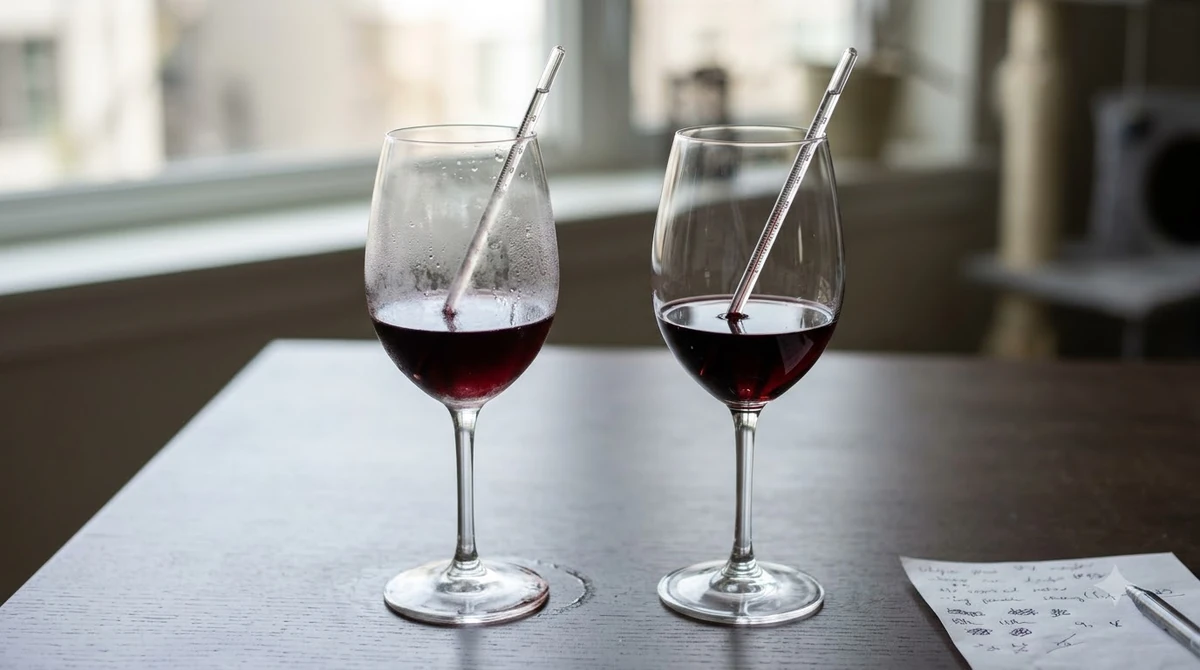
Pinot Noir is a practical choice for a lighter cocktail. Its cherry, raspberry, and strawberry notes work naturally with orange slices, cranberry juice, and fresh berries. Its relatively low-to-medium tannin level also makes it easier to combine with citrus and serve chilled than many heavily structured reds.
Merlot offers a softer, rounder profile with medium tannins. It can contribute plum, black cherry, and other ripe-fruit impressions to sangria and pitcher cocktails. If you prefer a fuller drink with a smooth texture, Merlot is a useful starting point.
Garnacha, also known as Grenache, is another excellent option. Its red-fruit character makes it suitable for Spanish-inspired sangria and berry punches. Tempranillo is particularly useful when you want more structure and savory fruit character, while Zinfandel can bring ripe berry and spice flavors.
Some wines are less convenient for refreshing cocktails. Cabernet Sauvignon typically has high tannin, and Syrah can have medium-plus to high tannin. These characteristics may become more noticeable when the drink is cold and combined with acidic citrus. They can still work in carefully constructed recipes, but they are not always the easiest choices for a simple spritzer.
If your starting point is an already sweet red wine, avoid assuming that more sweetness is automatically better. A very sugary base may need lemon juice or unsweetened soda rather than another fruit liqueur. For a useful comparison of sweetness across wine styles, explore whether Moscato is sweet or dry before choosing a bottle for your next cocktail.
The following comparison provides a practical starting point.
| Red wine | Typical tannin | Fruit character | Best cocktail use |
|---|---|---|---|
| Pinot Noir | Low to medium | Cherry, raspberry, strawberry | Spritzers and berry coolers |
| Merlot | Medium | Plum, black cherry | Sangria and fruit punches |
| Garnacha | Low to medium | Strawberry, raspberry | Spanish-style sangria |
| Tempranillo | Medium | Cherry, plum, savory spice | Traditional red sangria |
| Zinfandel | Medium to high | Blackberry, jammy fruit | Bold berry cocktails |
| Cabernet Sauvignon | High | Blackcurrant, dark cherry | Small, carefully balanced cocktail additions |
These are general style descriptions rather than guarantees for every bottle. Climate, grape-growing conditions, winemaking techniques, residual sugar, and aging can all change the finished wine. A young, fruit-forward example is usually a more straightforward cocktail ingredient than a complex, oak-aged bottle.
One useful principle is to match the wine’s intensity to the other ingredients. Delicate Pinot Noir can disappear under a large amount of concentrated juice, while a fuller Merlot or Zinfandel can stand up to stronger berry flavors. Choose a wine that remains recognizable after mixing.
Easy Sweet Red Wine Cocktail Recipes
You can make several different cocktails with the same red wine by changing the mixer, fruit, and level of sweetness. These recipes provide different flavor profiles, from sparkling and citrusy to rich and berry-focused.
1. Cherry Red Wine Spritzer
A cherry spritzer is a refreshing option for someone who wants fruit flavor without a heavy cocktail. The combination of red wine, cherry flavor, and sparkling water produces a drink that is easy to prepare in an individual glass.
Ingredients for one serving:
- 4 ounces chilled Pinot Noir or another fruity red wine
- 1 ounce cherry liqueur or cherry syrup
- 3 ounces chilled soda water
- 3 to 4 fresh or frozen cherries
- 1 orange slice
- Ice cubes
Preparation: Fill a large wine glass or lowball glass with ice. Add the red wine and cherry liqueur, then stir gently. Pour in the soda water and add the cherries and orange slice. Serve immediately while the carbonation is fresh.
For a sweeter finish, use cherry syrup instead of liqueur. For a drier drink, reduce the cherry ingredient and add another ounce of soda water. Frozen cherries work particularly well because they keep the drink cool while contributing some fruit flavor as they thaw.
2. Sweet Berry Red Wine Sangria
Sangria is one of the most flexible ways to serve red wine to a group. Fruit, citrus, and a little sweetness transform a bottle of wine into a pitcher drink that can be prepared ahead of time.
Ingredients for approximately six servings:
- 750 ml fruity red wine, such as Garnacha or Merlot
- 4 ounces orange liqueur
- 4 ounces fresh orange juice
- 2 ounces lemon juice
- 1 to 2 tablespoons simple syrup, optional
- 1 orange, thinly sliced
- 1 cup sliced strawberries
- 1 cup fresh or frozen raspberries
- 1 small apple, diced
- 6 ounces chilled sparkling water or lemon soda
Preparation: Combine the red wine, orange liqueur, orange juice, lemon juice, and prepared fruit in a large pitcher. Stir gently and refrigerate for approximately 2 to 4 hours so the flavors can combine. Taste the mixture before adding any additional syrup.
Just before serving, add the sparkling water or lemon soda. Fill individual glasses with ice and distribute the fruit between them. The result should taste fruity and refreshing, with enough acidity to balance the wine’s sweetness.
For a more traditional Spanish-inspired profile, replace some of the strawberries with peaches and add a small cinnamon stick. Tempranillo or Garnacha works particularly well with orange, peach, and gentle spice flavors.
3. Red Wine and Cola Cocktail
Known as kalimotxo or calimocho, this simple drink combines red wine and cola. It is particularly useful when you want an inexpensive, easy-to-assemble cocktail without several separate ingredients.
Ingredients for one serving:
- 4 ounces red wine
- 4 ounces chilled cola
- 1 lemon wedge
- Ice cubes
Preparation: Fill a tall glass with ice. Pour in the red wine and cola in equal proportions, then stir gently. Squeeze in a little lemon juice and garnish with a lemon wedge.
Garnacha and Tempranillo are suitable wine choices. A fruity red generally works better than a heavily oaked bottle because the cola already contributes sweetness and strong flavor. If the finished drink tastes too sweet, increase the wine slightly or use a cola with less sugar.
4. Raspberry Orange Wine Cooler
This cocktail emphasizes fresh berry and citrus flavors. It works well for summer gatherings and can be prepared in individual glasses without requiring a pitcher or special bar equipment.
Ingredients for one serving:
- 4 ounces sweet red wine
- 1 ounce fresh orange juice
- 1/2 ounce fresh lemon juice
- 1/2 ounce raspberry syrup
- 2 ounces sparkling water
- 4 fresh raspberries
- Ice
Preparation: Add the raspberries to a glass and gently press them to release their juice. Pour in the red wine, orange juice, lemon juice, and raspberry syrup. Stir until combined, add ice, and finish with sparkling water.
This recipe is especially easy to adjust. Add more lemon if the wine is very sweet, or increase the raspberry syrup slightly if the finished drink tastes too tart. Avoid crushing the berries too aggressively because their seeds and pulp can make the drink less pleasant to sip.
5. Spiced Red Wine and Orange Cocktail
For cooler evenings, a spiced red wine cocktail offers a deeper flavor profile. Orange, cinnamon, and a small amount of sweetener complement the dark-fruit character of Merlot or Garnacha.
Ingredients for two servings:
- 10 ounces red wine
- 2 ounces fresh orange juice
- 1 ounce orange liqueur
- 1 cinnamon stick
- 2 orange peel strips
- 1 teaspoon honey, optional
- Ice or fresh orange slices for serving
Preparation: Combine the red wine, orange juice, orange liqueur, cinnamon, and orange peel in a small saucepan. Warm gently over low heat without bringing the mixture to a boil. Allow the spices to infuse for approximately 5 to 10 minutes, then remove the cinnamon and orange peel.
Serve warm in heat-resistant glasses, or allow the mixture to cool before pouring it over ice. Add honey only if the wine and orange juice need additional sweetness. The finished drink should have a clear orange and spice character without losing the underlying red-fruit flavors.
How to Balance Sweetness, Acidity, and Carbonation
A successful sweet red wine cocktail should taste balanced rather than simply sugary. The easiest method is to start with a moderate amount of sweetener, taste the mixture, and adjust its acidity or dilution before adding more sugar.
Sweetness can come from several sources. Naturally sweet red wine contributes residual sugar, while orange juice, grape juice, fruit syrups, cola, and liqueurs provide additional sweetness. Because these ingredients accumulate quickly, adding several of them at full strength can produce a drink that tastes heavy.
Acidity provides the necessary contrast. Fresh lemon juice is particularly useful when a cocktail contains sweet red wine, berry syrup, or fruit juice. Lime juice can provide a sharper citrus impression, while orange juice creates a softer, rounder flavor.
Carbonation is another important tool. Unsweetened soda water adds bubbles and dilutes the drink without adding significant sweetness. Lemon-lime soda and ginger ale contribute both carbonation and sugar, so they should be used more carefully with an already sweet wine.
For a practical starting point, use the following proportions for an individual cocktail:
| Ingredient | Starting amount | Purpose |
|---|---|---|
| Sweet red wine | 4 ounces | Main fruit and wine character |
| Fresh citrus juice | 1/2 ounce | Acidity and freshness |
| Fruit liqueur or syrup | 1/2 ounce | Additional sweetness and aroma |
| Soda water | 2 to 3 ounces | Dilution and carbonation |
| Fresh fruit | 1/4 to 1/2 cup | Flavor and garnish |
These are starting proportions, not a fixed formula. If the wine is already very sweet, omit the syrup and increase the citrus slightly. If the wine is dry, a little fruit liqueur or simple syrup can provide the sweetness needed for the intended style.
According to Wine Folly’s guide to wine cocktails, successful spritzers depend on the relationship between sweetness, acidity, bitterness, and carbonation. This is a useful principle for red wine drinks too. A cocktail should have enough contrast to keep the fruit flavors distinct.
Tip: Make adjustments in small steps. Add 1/4 ounce of lemon juice or syrup at a time, stir, and taste again. It is much easier to add sweetness gradually than to correct an overly sweet pitcher.
Choosing Mixers, Garnishes, and Serving Temperature
The right mixer should complement the wine instead of covering it up. Citrus, berries, cola, ginger ale, and sparkling water each produce a different style of cocktail, so consider the wine’s sweetness and body before selecting an addition.
Orange juice is one of the most versatile mixers for red wine. It complements cherry and plum flavors while contributing its own fruit sweetness. Fresh orange juice is particularly useful in sangria and citrus-forward coolers.
Cranberry juice offers a sharper, tart flavor that can balance a sweet red wine. It works especially well with raspberry, orange, and cherry. If you use sweetened cranberry juice cocktail, reduce any additional syrup.
Ginger ale provides sweetness and a mild ginger character. It is a good match for cherry-flavored red wine drinks, while ginger beer gives a more pronounced spice impression. Start with a small amount because the ginger flavor can quickly become dominant.
Soda water is the most flexible option when you want to preserve the wine’s flavor. It adds bubbles without introducing much additional sweetness. Use chilled soda water and pour it in just before serving to preserve carbonation.
Fresh garnishes make a difference in both appearance and aroma. Orange wheels, lemon twists, raspberries, strawberries, cherries, and thin apple slices are reliable choices. Mint leaves can introduce a fresh herbal note, while cinnamon adds warmth to recipes featuring orange or apple.
Temperature also influences the experience. Red wine cocktails generally benefit from chilling because cold temperatures make a sweet drink feel fresher. Serve sparkling and light wine-based drinks around 40 to 50 degrees F, while light still red wines are commonly served around 55 to 60 degrees F. A cocktail served over ice will become colder as the ice melts.
Use plenty of ice for individual spritzers and coolers. For pitchers, chill the wine and mixer in advance rather than relying on a large quantity of ice to cool everything. This reduces unnecessary dilution.
Glassware does not need to be complicated. A tall glass works for cola drinks and fruit coolers, a lowball glass suits a short spritzer, and a large wine glass provides room for ice, fruit, and sparkling water. For a pitcher of sangria, choose glasses large enough to accommodate a little fruit in each serving.
If you enjoy lighter, fruit-forward drinks, you can also explore a sweet white wine cocktail. White wine offers another base for citrus, berries, sparkling water, and fruit-based mixers, giving you a different flavor profile while following many of the same balancing principles.
Food Pairings and Occasions for Sweet Red Wine Cocktails
Sweet red wine cocktails pair best with foods that complement their fruit flavors or provide enough salt, acidity, and savory character to balance their sweetness. The choice depends on the cocktail’s ingredients and the intensity of its wine base.
Berry-based cocktails work well with mild cheeses, fruit plates, and lightly salted appetizers. Brie, young Gouda, and mild cheddar can provide a creamy or savory contrast to raspberry and cherry flavors. Salt can also soften the perception of tannin in a red wine, making savory snacks useful alongside more structured cocktails.
For sangria, Spanish-inspired foods are natural companions. Try serving a pitcher with tortilla española, grilled vegetables, olives, roasted peppers, or a selection of tapas. The fruit and citrus in the drink can complement these dishes without requiring a particularly elaborate menu.
Cola-based red wine cocktails can accompany grilled meats, burgers, and salty snacks. The darker, sweeter flavor profile works with smoky or savory foods, although very spicy dishes can be challenging because alcohol can amplify the sensation of chili heat.
Cherry and orange spritzers are suitable for casual appetizers and outdoor meals. Pair them with crackers, roasted nuts, soft cheeses, or grilled chicken. Their carbonation helps refresh the palate between bites.
For desserts, choose something that is no sweeter than the cocktail. Chocolate desserts, cherry tarts, berry pastries, and dark-fruit cakes can work well when their sweetness is comparable to or lower than the drink. A very sweet dessert can make the cocktail seem less fruity and more acidic.
It is also useful to consider the cocktail’s strength. A wine drink with orange liqueur, brandy, or another spirit contains additional alcohol beyond the wine itself. Keep the added spirit modest when preparing a pitcher, and let guests know which ingredients are included.
If you are planning a menu around a wine-based drink, compare the finished cocktail with the foods rather than considering the wine alone. A sweet wine mixed with lemon and soda behaves differently from the same wine combined with cola or berry syrup.
Frequently Asked Questions
Can you make a sweet red wine cocktail without alcohol?
Yes. Use a nonalcoholic red wine alternative or a mixture of dark grape juice and unsweetened sparkling water. Add lemon juice, orange slices, and fresh berries to provide contrast. The resulting drink will have a different structure from an alcoholic wine cocktail, but it can reproduce many of its fruity flavors.
Can frozen fruit replace fresh fruit in red wine cocktails?
Yes. Frozen raspberries, blackberries, cherries, and strawberries work well in individual cocktails and sangria. They also help keep the drink cold without requiring as much additional ice. Allow larger frozen fruit pieces to thaw slightly before adding them to a pitcher so their flavor can spread more evenly.
Can you blend a sweet red wine cocktail into a frozen drink?
Yes. Blend red wine with frozen berries, a small amount of citrus juice, and ice until smooth. Use a blender in short intervals to control the texture. Avoid adding too much liquid at the beginning because the mixture can become thin before it reaches a frozen consistency.
Does the type of glass change the flavor of a red wine cocktail?
The glass does not change the ingredients, but its shape can influence how you experience their aromas. A wider wine glass provides more room for fruit and wine aromas, while a tall narrow glass emphasizes the visual appearance of carbonation. A glass with enough room for ice and garnishes is the most practical choice.
How long can homemade red wine sangria be kept refrigerated?
For the best fruit texture and flavor, serve sangria within approximately 24 to 48 hours of preparation. Fruit can soften and release additional flavors as it sits, so remove it if the mixture begins to taste overly infused. Store the pitcher covered in the refrigerator and add sparkling mixers immediately before serving.
A good sweet red wine cocktail starts with a fruity wine and a clear idea of the flavor you want to create. Pinot Noir, Merlot, Garnacha, and Tempranillo offer useful starting points for spritzers, berry coolers, and sangria. Experiment with citrus, fresh fruit, and sparkling mixers in small amounts until the sweetness and acidity are balanced. With a few basic ingredients and simple proportions, you can create a refreshing red wine drink for almost any casual gathering.
More in Wine Types & Grapes
 What Does Mourvèdre Taste Like? Flavor Profile, Regions, and PairingsUpdated Nov 20, 2026
 What Does Marsanne Taste Like? Flavors, Styles, and Food PairingsUpdated Nov 20, 2026
 What Does Malvasia Taste Like? Styles, Flavors, and Food PairingsUpdated Nov 20, 2026
 What Does Grenache Blanc Taste Like? Flavor Profile, Styles, and PairingsUpdated Nov 20, 2026
 What Does Garnacha Taste Like? Key Flavors, Styles, and Pairing TipsUpdated Nov 20, 2026
 What Does Fruit Wine Taste Like? A Complete Flavor and Style BreakdownUpdated Nov 20, 2026