

We may earn a commission when you buy through links on this page, at no extra cost to you. Learn more.
A cabernet sauvignon cocktail works best when the wine’s dark-fruit character is balanced with bright citrus, measured sweetness, and a modest pour. The bold red can add depth to a New York Sour, while a softer, fruit-forward bottle can anchor a small pitcher of sangria. The key is managing Cabernet’s firm tannins so they do not overwhelm the other ingredients.
Usually poured on its own, Cabernet Sauvignon can also add dark-fruit depth to mixed drinks. Its structure rewards restraint. These recipes show how to balance the wine and serve each drink well.
What Makes Cabernet Sauvignon Different in a Cocktail
Cabernet Sauvignon contributes concentrated dark fruit, pronounced tannin, and a full-bodied feel, so it behaves differently from a light red wine used in a simple spritz. Bottles from Napa Valley may lean toward ripe blackberry and black cherry, while Bordeaux examples can show cassis, cedar, and herbal notes. Those flavors can add depth, but a heavy oak influence or drying finish can become more obvious when the wine is mixed with citrus and sweeteners.
Wine Enthusiast describes Cabernet as firm-textured, with flavors that can include dark cherry, plum, herbs, bell pepper, and tobacco. Decanter also notes assertive tannins, cassis, cedar, vanilla, and spice. Treat it as a measured component: a half-ounce float adds aroma and color without making each sip heavy.
Choose a young, fruit-forward Cabernet with moderate oak rather than a rare bottle with complex bottle age. A straightforward California or Chilean example is practical; avoid wine that tastes markedly bitter or aggressively drying on its own. Citrus and sugar cannot erase an overly harsh finish. For a quick background on the grape’s structure and aromas, see Wine Enthusiast’s Cabernet Sauvignon overview.
How to Make a Cabernet New York Sour
The New York Sour is one of the easiest ways to use Cabernet because the red wine sits on top of a whiskey sour instead of being shaken throughout the drink. A thin float adds a dark-red layer, dark-fruit aroma, and a gently dry finish while leaving lemon and whiskey in the lead. It is a good first recipe because the amount of Cabernet is small and easy to adjust.
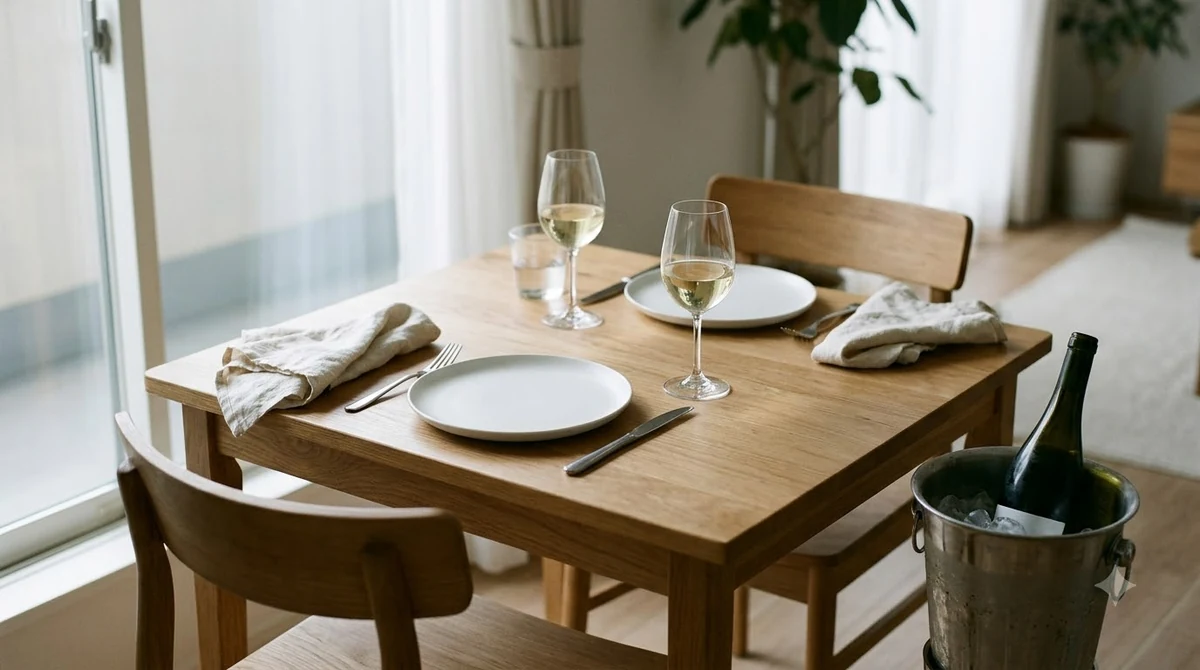
Ingredients for one cocktail: 2 ounces bourbon or rye whiskey, 1 ounce freshly squeezed lemon juice, 3/4 ounce simple syrup, 1/2 ounce Cabernet Sauvignon, and one egg white if a foamy texture is desired. Use a chilled rocks glass, fresh ice, and a bar spoon. The egg white is optional; the drink works without it.
| Drink | Cabernet measure | Other ingredients | Yield or timing |
|---|---|---|---|
| New York Sour | 1/2 ounce | 2 ounces whiskey, 1 ounce lemon juice, 3/4 ounce syrup | 1 cocktail; float the wine |
| Cabernet spritz | 2 ounces | 3/4 ounce lemon, 1/2 ounce syrup, 1 ounce orange juice, 2 to 3 ounces soda | 1 cocktail; add soda last |
| Cabernet sangria | 1 bottle (750 milliliters) | 1/2 cup brandy, 1/2 cup orange juice, 2 tablespoons sugar, 1 orange, 1 apple, 1 lemon | 4 to 6 servings; rest at least 2 hours |
Method: Add the whiskey, lemon juice, simple syrup, and optional egg white to a shaker. Shake without ice first if using egg white, then add ice and shake again until cold. Strain into a rocks glass filled with fresh ice. Slowly pour the Cabernet over the back of a bar spoon so it rests on the surface. The wine should form a distinct layer rather than disappear into the whiskey mixture.
Liquor.com’s New York Sour recipe uses whiskey, fresh lemon, simple syrup, and a measured float of dry red wine. Start Cabernet at 1/2 ounce; reduce it to 1/4 ounce if the finish is too drying, or add lemon if the whiskey dominates. Choose bourbon for vanilla and caramel notes, or rye for a spicier profile that meets Cabernet’s herbal edge. Fresh lemon matters because bottled juice tastes flatter. For a silky cap, use pasteurized egg white; otherwise, skip it for a clearer sour.
How to Make a Cabernet Sangria That Stays Balanced
Cabernet can make a structured sangria, but it needs more care than a softer red. Use a young, moderately oaked bottle, fresh citrus, and restrained sweetener. A long soak with bitter pith or heavy spice can amplify its firm tannins.
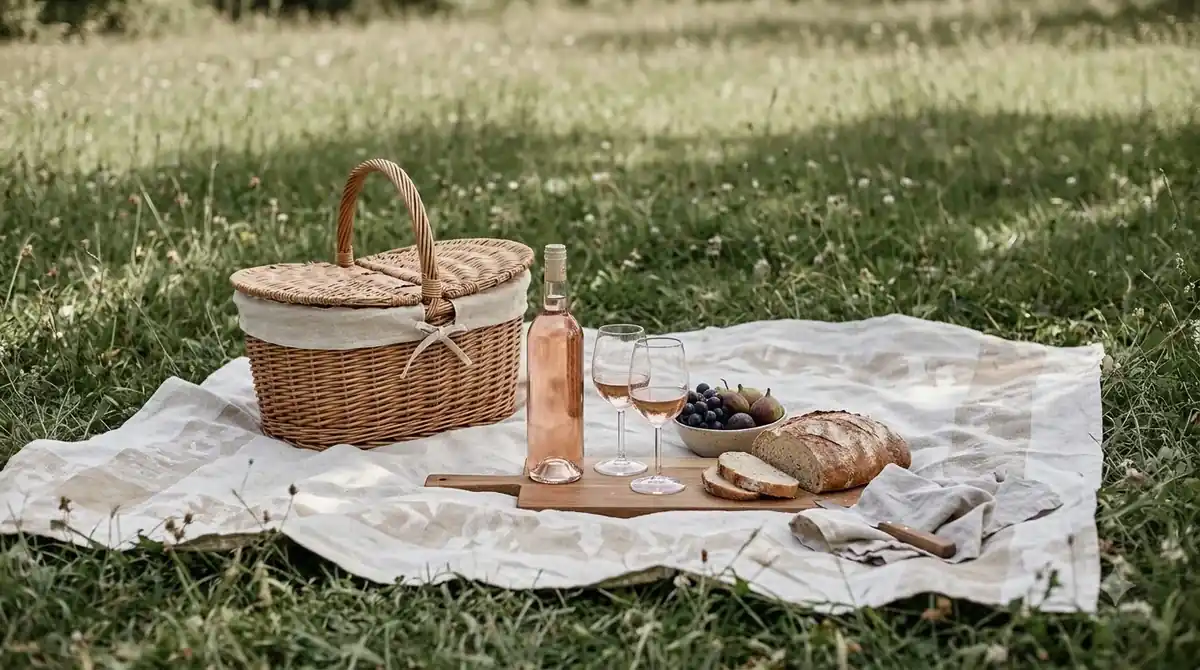
Ingredients for four to six servings: 1 bottle (750 milliliters) dry Cabernet Sauvignon, 1/2 cup brandy, 1/2 cup orange juice, 2 tablespoons sugar, 1 orange cut into wedges, 1 apple cored and diced, and 1 lemon cut into wedges. Keep chilled sparkling water nearby for serving, especially if the wine is especially full-bodied.
Method: Add the sugar, orange, apple, and lemon to a large pitcher and gently muddle for about 30 seconds, just enough to release some juice. Add the brandy and orange juice, then muddle for another 30 seconds. Pour in the Cabernet and stir. Cover and refrigerate for at least 2 hours so the fruit and wine can combine. Serve over ice with an orange wheel, adding a splash of sparkling water to each glass when you want a lighter finish.
The 2-hour rest perfumes the wine without requiring an overnight soak. Taste before serving; add orange juice if the wine seems too firm, or a teaspoon of sugar if the citrus tastes sharp. Keep the drink wine-led, not like fruit punch. For summer, add chilled sparkling water just before pouring and include strawberries or raspberries; in cooler weather, steep one small cinnamon stick during the rest, then remove it. If the Cabernet is especially tannic or oaky, Merlot or Grenache will make a softer sangria.
Balance the Drink with Citrus, Sweetness and Bubbles
Cabernet cocktails need balance between fruit, acidity, sweetness, and texture. Lemon adds brightness, orange a rounder citrus note, and simple syrup smooths sharp edges. Start with small measures and adjust after tasting the chilled mixture.
A useful starting ratio for a single-serve wine spritz is 2 ounces Cabernet, 3/4 ounce lemon juice, 1/2 ounce simple syrup, 1 ounce orange juice, and 2 to 3 ounces chilled club soda. Build it in an ice-filled wine glass or tall glass, stir gently, and add the soda last to preserve the bubbles. Garnish with an orange half-wheel or a strip of lemon peel. The orange juice softens the wine’s edges, while the lemon keeps the drink lively.
Sweetness should support the fruit, not turn the cocktail sticky. Start with 1/2 ounce of syrup or less, then taste. For a jammy Cabernet, use less syrup and more lemon; for a lean, herbal wine, add a little orange juice for roundness.
Club soda lightens the texture but does not remove tannin. Add it after the still ingredients, never before shaking, and pour it into a pitcher just before serving so the bubbles do not fade during the fruit infusion.
Tip: Taste the Cabernet by itself before mixing. If its finish is strongly drying, use it as a small float in a New York Sour or blend it with a softer red rather than making it the main wine in a large pitcher.
Choose the Right Cabernet and Prepare It Properly
The best cocktail Cabernet is sound, fruit-forward, and uncomplicated rather than heavily oaked or mature. Look for black cherry, blackberry, or cassis with enough freshness for lemon and orange. Save a bottle with special age or provenance for sipping.
Cabernet styles vary by region. A ripe Napa Valley wine can show blackberry and black cherry; a cooler-climate or Bordeaux-style example may feel herbal, structured, or cedar-driven. Either works, though a firmer wine is easier as a float than as sangria’s base. Mixers will not hide cork taint or oxidation.
For a New York Sour, chill the wine before pouring so the float stays cool and the drink does not warm too quickly. For a Cabernet-based spritz, chill the wine, soda, and glass in advance. Decanter recommends full-bodied reds at about 61 to 64 degrees Fahrenheit, while a cocktail served over ice will naturally be colder; the useful point is to avoid starting with warm wine. A 10- to 20-minute refrigerator rest can bring an overly warm red closer to serving temperature.
Open the bottle shortly before mixing and refrigerate any remainder with the closure firmly in place; use it within 3 to 5 days. No decanting is needed for wine going straight into a cocktail, though a separate glass may benefit from air. For that serving question, see how long to decant cabernet sauvignon; for unopened-bottle storage, consult how long does cabernet sauvignon last unopened.
Serve Cabernet Cocktails with Food and Simple Variations
Cabernet cocktails work best with food that can meet their dark fruit and firm structure without making the drink taste harsh. Salty, savory, and moderately rich dishes can soften the wine’s tannic edge, while strongly acidic sauces call for a cocktail with enough citrus to keep pace. For an easy menu, match the New York Sour with a burger or grilled mushroom toast and pour the fruitier sangria beside barbecue or a cheese board.
For a New York Sour, try sharp cheddar, aged Gouda, grilled beef sliders, or mushrooms cooked with garlic and herbs. The whiskey’s warmth and Cabernet’s dark-fruit notes fit browned, savory flavors. Avoid pairing the drink with very delicate seafood or oily fish; the tannin can feel rough against the fish’s texture. Chili-heavy food can make the alcohol and tannin seem more forceful, so keep the drink’s citrus fresh and choose a milder dish if the cocktail already tastes strong.
For sangria, serve salty snacks, roasted peppers, grilled sausage, tomato flatbread, or Manchego and almonds. Salt and fat soften tannin. Dark chocolate can also work, but the dessert should not be sweeter than the wine. The pairing principles in cabernet sauvignon with chocolate can help when planning a dessert course after the cocktail.
For a sparkling cooler, combine 2 ounces Cabernet, 1/2 ounce orange liqueur, and 3 ounces sparkling water over ice; garnish with orange. For a lower-spirit sangria, omit the brandy and add 1/4 cup orange juice instead. Use a rocks glass for the New York Sour, a tall glass for a spritz, and a wine glass for sangria. A standard 5-ounce wine pour is larger than the wine measure in these recipes because spirits, juice, syrup, and ice also fill the glass. Explore more grape styles through Wine by Type.
Frequently Asked Questions
These answers cover practical details that often come up after the first Cabernet drink, including grape origins, classic cocktail history, and how the wine’s structure develops. The measurements above are good starting points, but small adjustments make a noticeable difference from one bottle to the next.
Is Cabernet Sauvignon made from a single grape variety?
Yes, Cabernet Sauvignon is the name of a grape variety, although wines labeled Cabernet can include permitted blending grapes depending on the region and labeling rules. Genetic testing identified Cabernet Franc and Sauvignon Blanc as its parent varieties. That unexpected pairing helps explain why the grape can show both dark-fruit depth and herbal notes.
Can an older Cabernet Sauvignon go into a cocktail?
It can, but a mature bottle may have delicate aromas that are easily covered by lemon, brandy, and sugar. Many Cabernet wines spend 6 to 24 months in oak before bottling, and bottle age can bring additional savory character. A younger, uncomplicated bottle is usually a more practical choice for mixing.
Where did the New York Sour originate?
The drink’s history is commonly traced to the 1870s or 1880s, although it also appeared under the name Continental Sour. Some accounts suggest it may have been created in Chicago before the New York name became established. The defining feature is its red-wine float over a whiskey sour.
Should Cabernet Sauvignon be shaken with ice?
For a New York Sour, shake the whiskey, lemon, and syrup with ice, then float the Cabernet separately. Shaking the wine into the base removes the layered look and can make the red fruit less distinct. For a sangria or spritz, stir the Cabernet gently with the other still ingredients instead.
Does Cabernet Sauvignon work in a frozen cocktail?
It can be blended with frozen berries, citrus, and a little simple syrup, though the texture may emphasize tannin as the drink melts. Use 3 ounces Cabernet, 1 cup frozen berries, 1 ounce orange juice, and 1/2 ounce syrup as a small test batch. Serve immediately in a chilled glass so the fruit stays icy rather than watery.
A good Cabernet cocktail should taste like a balanced mixed drink first, with the wine’s dark fruit and structure still easy to recognize. Begin with the New York Sour if you want a precise, one-glass recipe, or prepare the sangria when serving a group. Keep the Cabernet measured, the citrus fresh, and the sweetness restrained for the clearest result.
More in Wine Types & Grapes
 Zinfandel Sugar Content: Dry Red vs. White Zinfandel GramsUpdated Nov 21, 2026
 Best Zinfandel Substitute Options for Sipping and CookingUpdated Nov 21, 2026
 Zweigelt Food Pairing: Best Dishes, Cheeses, and Serving TipsUpdated Nov 21, 2026
 Zinfandel Tannins Explained: How Structure Shapes Every BottleUpdated Nov 21, 2026
 Zinfandel Sweetness Level: Dry Red vs. Sweet White Zin ExplainedUpdated Nov 21, 2026
 Xinomavro Food Pairing: Best Dishes, Styles, and Serving TipsUpdated Nov 21, 2026