


We may earn a commission when you buy through links on this page, at no extra cost to you. Learn more.
Shiraz tasting notes typically include ripe blackberry, blueberry, plum, black pepper, dark chocolate, and smoky spice, with a full body and firm tannins. This Australian-associated red wine is made from the same grape as Syrah, but its flavor profile changes considerably with climate, vineyard location, and winemaking. Warmer regions tend to produce richer, fruit-forward wines, while cooler growing areas create more restrained examples with fresh fruit and savory aromas. Understanding these differences makes it easier to recognize Shiraz and choose a bottle that suits your preferences.
Shiraz is a rewarding grape to explore because it combines concentrated fruit with distinctive peppery and savory characteristics. A glass might suggest blackberry jam, cracked pepper, smoked meat, and chocolate, while another offers fresh raspberry, violet, herbs, and a more delicate texture. The following tasting guide explains the aromas, flavors, structure, regional differences, and food combinations that define this versatile red wine.
The Main Aromas and Flavors Found in Shiraz
Shiraz is best known for dark fruit, black pepper, and savory spice, although the intensity of these characteristics depends on where the grapes grow. Its aromatic profile can range from fresh blackberry and plum to concentrated blueberry, chocolate, and smoke.
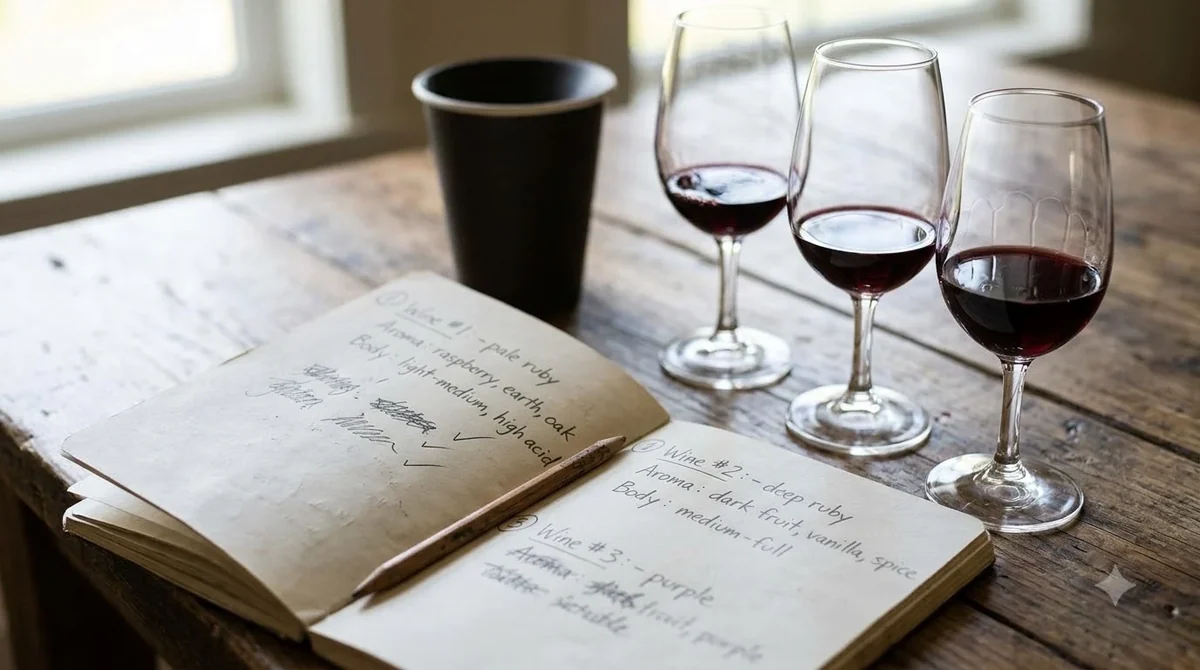
Dark fruit usually provides the foundation. Blackberry, black cherry, blueberry, and plum are common descriptors, particularly in wines from warmer Australian regions. Some bottles suggest fresh, slightly tart berries, while others have a cooked or jammy fruit character. The distinction often reflects grape ripeness and the conditions in which the fruit developed.
Black pepper is another recognizable characteristic. It can appear as freshly cracked pepper, peppercorn, or a broader savory spice impression. Some wines also display notes of dried thyme, rosemary, sage, and olive. These aromas are particularly noticeable in cooler-climate examples and wines with a more restrained fruit profile.
Additional aromas can develop through winemaking and bottle aging. Oak maturation may contribute vanilla, toast, cocoa, tobacco, and baking spices. With time in the bottle, some Shiraz wines develop more complex aromas resembling leather, dried herbs, cured meat, and earth.
These characteristics do not necessarily appear together in every bottle. A young, fruit-driven Shiraz might emphasize blueberry and plum, while a more mature example could show tobacco, leather, pepper, and softened dark fruit. Recognizing the dominant aromas is more useful than expecting every possible tasting descriptor in one glass.
Body, Acidity, Tannin, and Alcohol
Shiraz generally has a medium-to-full body, medium acidity, and medium-high to high tannin. Its alcohol level varies with climate and ripeness, but many warm-climate Australian examples fall around 14–15.5% ABV.
Body describes the weight and texture of wine in the mouth. Shiraz often feels substantial because of its concentrated fruit, alcohol, and tannin. Full-bodied examples can have a broad, dense texture, while cooler-climate versions may feel more moderate and streamlined. Neither style is automatically better; the difference comes down to the balance of fruit, acidity, alcohol, and structure.
Acidity provides freshness and helps prevent ripe fruit flavors from becoming heavy. Shiraz typically has medium acidity, although cooler growing conditions can preserve a brighter impression. A wine with sufficient acidity may taste lively even when its fruit is concentrated and its alcohol is relatively high.
Tannin creates the drying sensation on the gums and inside the cheeks. Shiraz commonly has noticeable tannin, particularly when made from ripe grapes with concentrated skins. Young examples can feel firm or slightly gripping, while bottle aging and suitable winemaking can produce a smoother impression.
Alcohol also contributes to the wine’s overall weight. A warmer-region Shiraz with 15% ABV may feel fuller and warmer than a cooler-climate wine with 13% ABV. Alcohol can create a gentle warming sensation after swallowing, but excessive heat may overwhelm the fruit and make the finish feel unbalanced.
| Tasting characteristic | Typical Shiraz profile | What to notice |
|---|---|---|
| Body | Medium to full | Weight and richness |
| Acidity | Medium | Freshness and liveliness |
| Tannin | Medium-high to high | Drying sensation |
| Alcohol | Often 14–15.5% ABV in warm-climate examples | Warmth and weight |
| Fruit | Blackberry, blueberry, plum | Fresh, ripe, or jammy character |
| Spice | Black pepper, licorice, herbs | Fresh or savory aromas |
| Oak | Vanilla, toast, chocolate | Barrel influence |
| Finish | Medium to long | Lingering fruit, spice, and tannin |
The figures above describe common stylistic tendencies rather than fixed requirements. Shiraz can differ significantly between producers, vineyards, vintages, and winemaking approaches. For comparison, Grenache tasting notes often emphasize red berries, softer tannins, and a more approachable fruit profile.
How Climate and Region Change Shiraz Flavor
Climate is one of the strongest influences on Shiraz character. Barossa Valley and McLaren Vale are known for ripe, generous wines, while Eden Valley and Hunter Valley can produce more restrained expressions with fresher fruit and savory complexity.
Barossa Valley in South Australia is one of the best-known regions for Shiraz. Its warm, dry growing conditions help grapes develop concentrated flavors and substantial structure. Typical tasting notes include blackberry, black cherry, plum, dark chocolate, pepper, and licorice. Some wines also have smoky, meaty, or earthy characteristics.
Barossa Shiraz is often full-bodied, with firm but ripe tannins and a generous texture. The wines can feel particularly rich when the fruit is very ripe and oak maturation contributes additional vanilla or baking-spice notes. They are useful reference points for drinkers who want to understand the powerful, fruit-forward style associated with Australian Shiraz.
Eden Valley sits at higher elevations within the greater Barossa region. Its cooler conditions help produce wines with a more perfumed and elegant character. Raspberry, red cherry, plum, violet, sage, and black pepper are common descriptors. Compared with many Barossa Valley examples, Eden Valley Shiraz can feel more linear, with finer tannins and a fresher impression.
McLaren Vale is another important South Australian Shiraz region. Its proximity to the sea influences its Mediterranean climate. The wines are typically full-bodied, with blueberry, dark fruit, and chocolate characteristics. Some examples also show herbal notes and a smooth, generous texture.
Hunter Valley in New South Wales produces a different expression. Its warm but relatively condensed growing season, without major heat spikes, contributes to wines that are generally medium-bodied, with red fruit and savory characteristics. This style can appeal to drinkers who enjoy Shiraz but prefer less concentrated fruit.
Heathcote in Victoria is known for Shiraz grown in ancient Cambrian soils. Its wines commonly have medium-to-full body, rich dark fruit, spice, and an iron-like mineral impression. This combination makes Heathcote a useful region to explore when looking beyond the familiar South Australian styles.
France provides another important point of comparison. In the Northern Rhône, the grape is usually called Syrah, and wines from Hermitage, Côte-Rôtie, Crozes-Hermitage, and Saint-Joseph commonly show more restrained fruit, pepper, herbs, and savory complexity. These examples demonstrate that Shiraz and Syrah are the same grape rather than separate varieties.
Tip: Compare a Barossa Valley Shiraz with an Eden Valley Shiraz from the same vintage if possible. The contrast between concentrated dark fruit and more perfumed red fruit makes the influence of growing conditions easier to recognize.
Wine Australia provides a useful regional overview of Australian Shiraz styles and their regional expressions, including the contrasting profiles of Barossa Valley, Eden Valley, Heathcote, Hunter Valley, and McLaren Vale.
Oak Aging, Bottle Age, and Winemaking Influence
Oak maturation can add another layer to Shiraz, contributing vanilla, toast, chocolate, tobacco, and baking spice. Bottle aging changes the wine differently, gradually softening its tannins and developing more complex savory aromas.
New oak generally contributes stronger aromas than older barrels. American oak can introduce pronounced vanilla and sweet-spice characteristics, while French oak often provides subtler toasted, spicy, and structural influences. The actual result depends on the barrel’s age, toast level, size, and the length of maturation.
Not every Shiraz is heavily oaked. Some producers use older barrels to allow the fruit to remain prominent, while others use stainless-steel or other neutral vessels for styles intended for earlier drinking. A fruit-focused Shiraz without obvious oak influence may emphasize blackberry, plum, and pepper rather than vanilla and chocolate.
Oak flavors should complement the fruit rather than cover it. If the wine smells predominantly of vanilla, toast, or sweet spice, the barrel influence may be especially noticeable. In a more restrained example, oak contributes texture and complexity without becoming the main aromatic feature.
Bottle age introduces a separate set of changes. Young Shiraz commonly shows vivid dark fruit, fresh pepper, and firmer tannins. As the wine matures, its primary fruit aromas can become less intense, while dried fruit, leather, tobacco, earth, and savory spice become more apparent.
Not every bottle benefits from extended cellaring. Everyday Shiraz is often intended for drinking while its fruit is fresh, whereas concentrated wines with balanced acidity, substantial tannin, and sufficient fruit can develop for many years. Producer reputation, vintage conditions, and storage quality all influence aging potential.
Blending also affects the finished profile. Australian producers frequently combine Shiraz with Grenache and Mourvèdre in GSM blends. Grenache can contribute red fruit and softness, while Mourvèdre adds structure and savory character. Shiraz-Cabernet blends provide another combination, bringing together the dark fruit and spice of Shiraz with Cabernet Sauvignon’s firmer tannin structure.
Some producers also co-ferment a small proportion of Viognier with Shiraz. This technique can contribute floral aromas and influence the wine’s aromatic profile. It is a useful reminder that tasting notes reflect both the grape and the decisions made in the winery.
Food Pairings That Complement Shiraz
Shiraz pairs especially well with grilled beef, lamb, barbecue, roasted meats, and hearty dishes because its dark fruit, tannin, and spice can stand alongside rich flavors. The best match depends on the wine’s body, alcohol, acidity, and intensity.
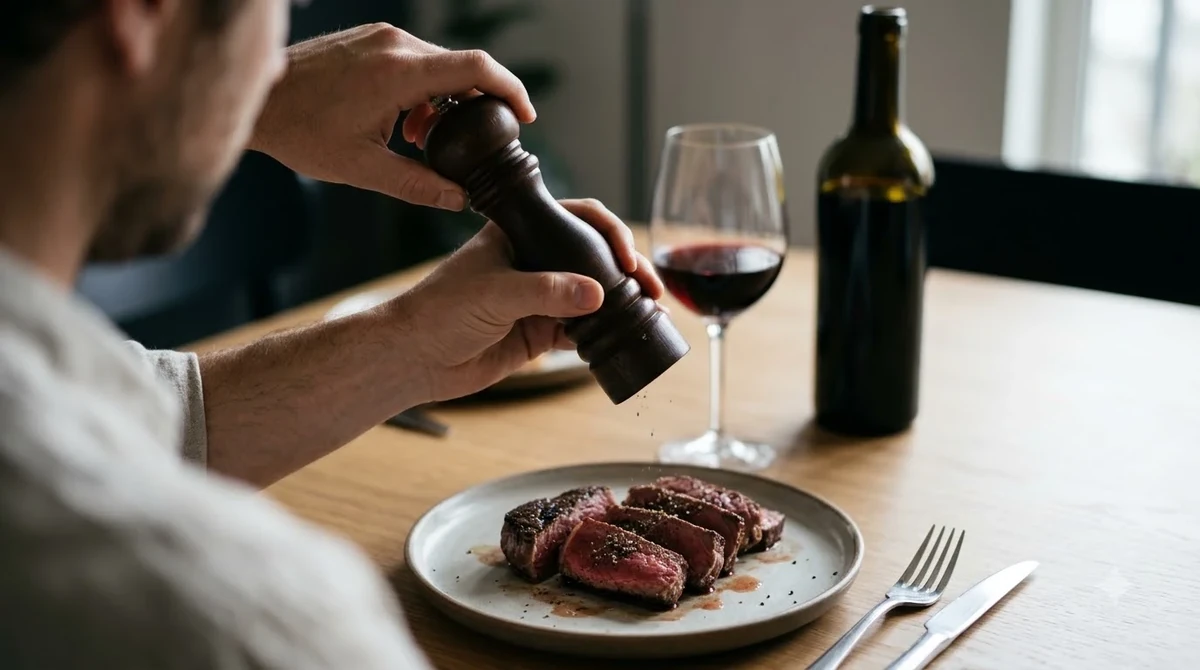
Grilled beef is a natural match for full-bodied Shiraz. Steak, beef ribs, and grilled burgers have enough richness and savory flavor to complement concentrated blackberry and plum. Salt and fat also soften the perception of tannin, making structured wines feel more balanced alongside food.
Lamb works particularly well with Shiraz because its savory character complements the wine’s pepper and herbal notes. Roast lamb with rosemary, grilled lamb chops, and slow-cooked lamb shoulder are all suitable choices. A wine with concentrated fruit can also balance the caramelized exterior of roasted meat.
Barbecue offers another useful combination. Smoked beef brisket, grilled sausages, and barbecue ribs pair well with fruit-forward Shiraz. Sweet barbecue sauces can work, but avoid making the dish substantially sweeter than the wine. A dry wine may taste sharper or more acidic beside an excessively sweet sauce.
Mushrooms and roasted vegetables suit more restrained Shiraz styles. Portobello mushrooms, grilled eggplant, roasted peppers, and herb-seasoned vegetables complement earthy and savory notes. Cooler-climate Syrah can be especially appealing with these dishes because its fresher fruit and peppery character do not overwhelm the ingredients.
Cheese is another good option. Firm, aged cheeses such as mature cheddar and aged Gouda have enough flavor and richness to work with the wine’s structure. Their fat and salt can also reduce the drying sensation of tannin.
Not every dish is suitable for Shiraz. Delicate white fish and oily fish can be difficult matches for tannic red wine, while strongly spicy dishes may make high-alcohol Shiraz taste hotter. If a meal contains substantial chili heat, a softer, lower-alcohol wine is often a better choice.
For a broader comparison of red-wine food pairings, Petit Verdot tasting notes offer another perspective on how concentrated fruit and firmer tannins behave alongside rich foods.
How to Taste and Serve Shiraz Properly
Serving Shiraz at 60–65°F helps preserve its fruit and spice while preventing alcohol from dominating the aroma. A short period of chilling before opening can improve the balance, particularly for full-bodied wines served in a warm room.
Begin by examining the wine’s appearance. Shiraz is commonly deep ruby-red to purple, and younger examples can appear especially dark or opaque. As the wine ages, its color may gradually move toward garnet. A deep color is typical of the variety, although appearance alone cannot determine quality or age.
Next, smell the wine before tasting. Take a gentle first sniff, then swirl the glass to release additional aromas. Look for blackberry, plum, blueberry, pepper, violet, herbs, and smoke. If oak has played a noticeable role, vanilla, toast, cocoa, or baking spice may also appear.
Take a moderate sip and allow the wine to spread across the palate. Notice the initial fruit impression, the drying effect of tannin, the freshness from acidity, and the warmth from alcohol. Pay attention to how these elements interact rather than judging each characteristic separately.
The finish is the final part of the tasting process. Notice whether dark fruit, pepper, herbs, or oak remains after swallowing. A longer finish often gives the wine a more persistent impression, but length alone does not establish quality. Balance and complexity are equally important.
Use the following serving guidelines for a practical tasting session:
- Temperature: Serve Shiraz at 60–65°F rather than at a warm room temperature.
- Glassware: Choose a generously sized red-wine glass that provides room for swirling.
- Pour: A standard wine serving is approximately 5 ounces.
- Decanting: Give a young, structured Shiraz approximately 30–60 minutes of air if its tannins feel particularly firm.
- Storage: Keep unopened bottles on their side in a cool, dark location near 55°F.
- After opening: Replace the cork or closure and refrigerate the remaining wine. Most opened still wines are best consumed within 3–5 days.
For a more structured tasting, compare two Shiraz wines side by side. Choose one from a warmer region and another from a cooler region. Use the same glass shape, serving temperature, and pour size so that the differences in fruit, body, acidity, and tannin are easier to identify.
It can also help to write down three observations for each wine: the strongest fruit aroma, the most noticeable secondary aroma, and the dominant structural characteristic. For example, one note might read blackberry, black pepper, and firm tannin, while another might read raspberry, violet, and fresh acidity. These short descriptions provide a useful starting point for future tastings.
Readers exploring different styles can also browse Sancerre tasting notes to understand how a high-acidity white wine contrasts with the body, tannin, and dark-fruit profile of Shiraz. Additional grape varieties are covered in the site’s Wine by Type resource.
Frequently Asked Questions
Is Shiraz the same grape as Petite Sirah?
No. Shiraz is another name for Syrah, whereas Petite Sirah is a different variety, also known as Durif. Petite Sirah originated from a crossing involving Syrah and Peloursin. It is often especially dark, tannic, and concentrated, making the distinction important when comparing wine labels.
Why does Shiraz sometimes smell like bacon or smoked meat?
Some Shiraz wines develop savory aromas resembling bacon, cured meat, or smoked beef. These characteristics are part of the variety’s broader aromatic complexity and can become more noticeable with particular growing conditions and maturation choices. They are not signs that meat or smoke has necessarily been added to the wine.
Can Shiraz be made into sparkling wine?
Yes. Australian winemakers produce sparkling Shiraz, a distinctive style that combines the grape’s dark fruit and spice with bubbles. It is commonly served slightly chilled and can accompany barbecue, roasted meats, and savory party foods. Some examples are dry, while others have a softer, sweeter impression.
What is the difference between Shiraz and Syrah on a wine label?
The names identify the same grape, but producers often use them to communicate stylistic expectations. Shiraz is strongly associated with Australia’s ripe, fuller-bodied approach, while Syrah often signals a cooler-climate or Northern Rhône-inspired expression. This naming convention is not universal, so producers and regional origins provide additional context.
What is rotundone in Shiraz?
Rotundone is an aromatic compound associated with the distinctive black pepper character found in Syrah and Shiraz. It is responsible for part of the peppery impression that makes the grape recognizable. People vary in their sensitivity to this compound, which helps explain why some drinkers notice pronounced pepper aromas while others perceive them less strongly.
Shiraz offers a broad range of tasting experiences, from concentrated blackberry, plum, and chocolate to fresh raspberry, pepper, violet, and savory herbs. Climate, region, oak, and bottle age all influence the final character, so exploring different origins is one of the best ways to understand the grape. Start with Barossa Valley and Eden Valley to compare two distinctive Australian expressions, then explore cooler-climate Syrah for another perspective on this versatile variety.
More in Wine Types & Grapes
 What Does Mourvèdre Taste Like? Flavor Profile, Regions, and PairingsUpdated Nov 20, 2026
 What Does Marsanne Taste Like? Flavors, Styles, and Food PairingsUpdated Nov 20, 2026
 What Does Malvasia Taste Like? Styles, Flavors, and Food PairingsUpdated Nov 20, 2026
 What Does Grenache Blanc Taste Like? Flavor Profile, Styles, and PairingsUpdated Nov 20, 2026
 What Does Garnacha Taste Like? Key Flavors, Styles, and Pairing TipsUpdated Nov 20, 2026
 What Does Fruit Wine Taste Like? A Complete Flavor and Style BreakdownUpdated Nov 20, 2026