

We may earn a commission when you buy through links on this page, at no extra cost to you. Learn more.
A rose substitute is another wine that provides the freshness, fruitiness, acidity, or versatility of rosé, with chilled Gamay, Sauvignon Blanc, Txakoli, and skin-contact white wine among the best alternatives. The right choice depends on what you enjoy about rosé, whether that is its pale color, crisp finish, light body, or ability to accompany a wide range of foods. For a similar pink wine, try Cerasuolo d’Abruzzo or Tavel; for something different that serves the same purpose, consider a chilled Pinot Noir or a refreshing sparkling wine.
Rosé occupies a useful middle ground between many white and red wines. It can be refreshing enough for an afternoon aperitif while offering enough fruit and structure to accompany grilled vegetables, seafood, chicken, and Mediterranean dishes. Fortunately, several other wine styles can fill that role when a bottle of rosé is unavailable or you simply want a change.
What Makes a Good Substitute for Rosé?
The best replacement for rosé has a combination of freshness, approachable fruit, moderate body, and enough acidity to keep each sip lively. It does not necessarily need to be pink or made from the same grapes.
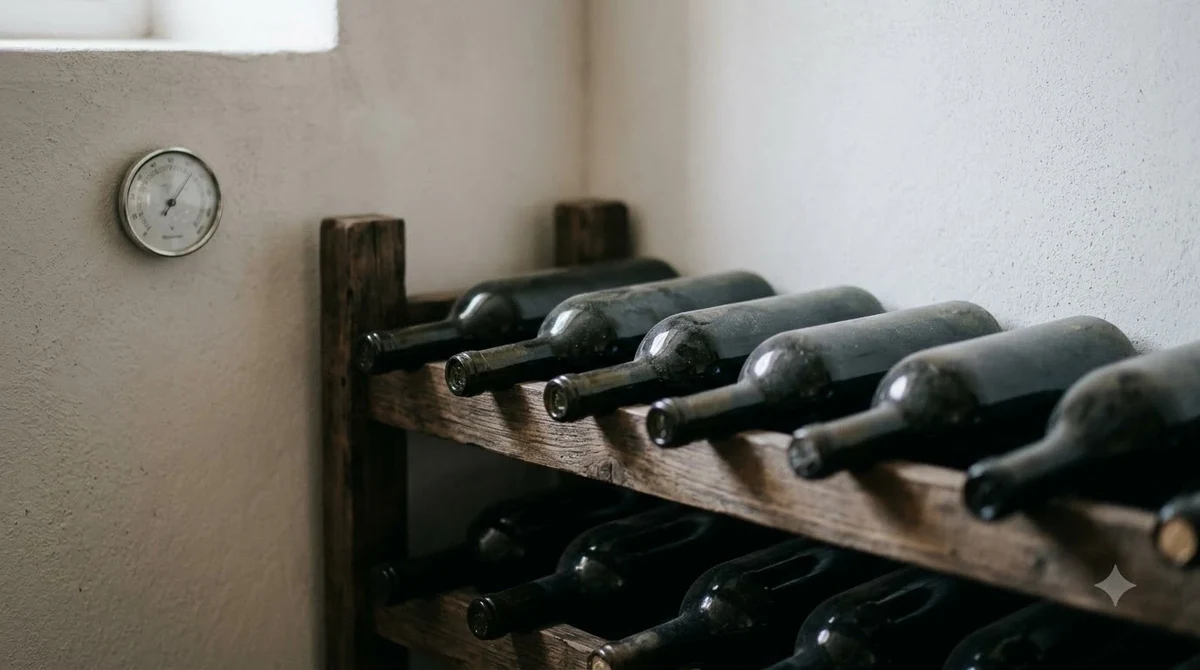
Understanding rosé’s characteristics makes choosing an alternative easier. Rosé is generally made from red grapes whose skins spend relatively little time in contact with the juice. This limited contact provides color and some flavor without extracting as much tannin as a conventional red wine. The result can be light, fruity, and refreshing, although darker and more structured examples also exist.
Classic Provence rosé offers a useful reference point. According to the Provence Wine Council, these wines commonly combine delicate fruit, freshness, and a dry finish. Their aromatic profiles can include grapefruit, peach, raspberry, mandarin, and floral notes. The council also describes classic Provence rosé as containing less than 4 grams per liter of residual sugar.
These characteristics explain why a crisp white wine or a lightly chilled red can work so well. A Sauvignon Blanc provides refreshing acidity, while Gamay supplies juicy red-fruit flavors without the heavier tannin associated with many red wines. A sparkling wine contributes lively bubbles and a similarly refreshing drinking experience.
Think about the quality you want to preserve rather than searching for an exact replacement. If color matters, choose another pink wine. If freshness matters most, consider a high-acid white. If you want a wine that works with a barbecue, a chilled light red might be the better answer.
It also helps to distinguish dry rosé from sweeter styles. Some rosés have noticeable residual sugar, while others taste completely dry. If you are uncertain about the style you normally enjoy, this explanation of whether rosé is sweet or dry can help you choose a closer match.
The Best Pink Wine Alternatives
Cerasuolo d’Abruzzo and Tavel are two excellent alternatives if you want to keep the pink color and fruit-forward personality of rosé. Both offer more noticeable character and structure than many delicate Provence examples.
Cerasuolo d’Abruzzo comes from Italy’s Abruzzo region on the Adriatic coast. Made from Montepulciano grapes, it has a deeper cherry-pink color and more pronounced red-fruit character. Expect sour cherry, raspberry, and herbal notes, with enough structure to accompany a proper meal.
The wine is particularly useful when ordinary pale rosé seems too delicate for the food. Try it with tomato-based pasta, grilled sausages, roasted chicken, or pizza. Its fruitiness complements savory ingredients, while its acidity helps balance richer dishes.
Tavel provides a different kind of replacement. This southern Rhône appellation is devoted entirely to rosé production, and its wines are typically fuller-bodied and more structured than light Provence rosé. Grenache is the principal grape, accompanied by Cinsault and other Rhône varieties.
Look for watermelon, cherry, dried herbs, and a more substantial palate. Some Tavel wines also have noticeable tannin, giving them a character that sits closer to light red wine than to delicate white wine. They are particularly suitable for grilled meats, Mediterranean dishes, and herb-seasoned poultry.
These two wines are not interchangeable in every situation. Cerasuolo d’Abruzzo is a good option for juicy cherry fruit and a lively dinner wine, while Tavel is more suitable when you want a substantial pink wine that can stand up to richer food.
Tip: If you normally drink pale, delicate rosé, begin with a lighter Cerasuolo d’Abruzzo rather than a particularly structured Tavel. This makes the transition less dramatic while retaining the familiar pink-wine character.
White Wines That Replace Rosé
Dry white wines are among the easiest replacements for rosé because they offer similar refreshment, food versatility, and flexibility at casual gatherings. Sauvignon Blanc, Pinot Grigio, Albariño, and dry Chenin Blanc are especially useful starting points.
Sauvignon Blanc is a strong choice when you enjoy the crisp, citrus-driven side of rosé. It generally has high acidity and can show grapefruit, lime, green apple, and herbal aromas. These characteristics make it suitable for seafood, salads, goat cheese, grilled vegetables, and dishes with fresh herbs.
Choose a Sauvignon Blanc from the Loire Valley or New Zealand when you want a particularly fresh profile. The wine’s acidity is especially useful with lemon-based dressings, tomatoes, and other ingredients that make softer wines seem flat.
Pinot Grigio offers a gentler alternative. Many examples are light-bodied, relatively neutral, and easy to pair with simple food. Look for flavors of pear, apple, lemon, and sometimes white flowers. It is a practical choice for light pasta, seafood, grilled zucchini, and appetizers.
Albariño is another excellent option, particularly for seafood. This Spanish white grape is associated with the Rías Baixas region of Galicia. Its bright acidity and citrus, peach, and stone-fruit character provide the freshness that many people seek in rosé. Its lively profile works well with shrimp, oysters, white fish, and salty appetizers.
Dry Chenin Blanc is worth considering if you want a little more texture. Depending on its origin and winemaking style, it can offer apple, quince, pear, citrus, and mineral notes. Loire Valley examples are particularly useful with roast chicken, vegetable dishes, and seafood.
These alternatives differ in weight and aroma, so choosing the right bottle depends on the meal. Sauvignon Blanc is particularly useful for fresh, acidic dishes, Pinot Grigio for uncomplicated light meals, Albariño for seafood, and dry Chenin Blanc for dishes that need additional texture.
Chilled Red Wines for Rosé Drinkers
Light-bodied red wines can replace rosé surprisingly well, especially when served slightly chilled. Gamay, Pinot Noir, and Frappato are useful choices because they offer fresh fruit, manageable tannins, and enough acidity to remain refreshing.
Gamay is perhaps the most practical option. It is the principal grape of Beaujolais and produces wines with flavors of cherry, raspberry, strawberry, and sometimes subtle earthy notes. Beaujolais and Beaujolais-Villages are particularly suitable when you want a red wine that feels relaxed rather than heavy.
Serve a young Gamay at approximately 55–60°F. A brief period in the refrigerator can bring the wine into this range, making its fruit character more pronounced and its tannins less prominent. This approach is especially appealing at outdoor meals, picnics, and summer barbecues.
Pinot Noir offers another option, although its style can vary considerably according to its growing region and production method. Generally, it has low-to-medium tannin and relatively high acidity, with red cherry, strawberry, cranberry, and earthy notes. Lighter examples can replace rosé at dinner without dominating delicate dishes.
Frappato, a Sicilian red grape, is also worth exploring. It is generally fruit-forward, relatively low in tannin, and high in acidity. Expect red berries and floral notes. These characteristics make it a particularly interesting choice for vegetable dishes, grilled fish, and lighter Mediterranean food.
Grenache can also work, especially when you prefer a slightly richer fruit profile. It commonly offers ripe strawberry, raspberry, and subtle peppery flavors. However, some Grenache wines have considerably more alcohol and body than rosé, so lighter examples are the better starting point.
Wine Enthusiast highlights Pinot Noir, Gamay, Grenache, and Frappato among the light reds suitable for warm-weather meals. Its recommendations also include pairings with grilled salmon, shrimp ceviche, shellfish, and chicken. Read its guide to pairing light red wines with summer meals for additional food ideas.
Orange Wine, Txakoli, and Sparkling Alternatives
Skin-contact white wine, Txakoli, and dry sparkling wine provide alternatives when you want something less conventional than ordinary white or red wine. Each offers a different combination of texture, acidity, and refreshment.
Skin-contact white wine, often called orange wine, is made from white grapes that remain in contact with their skins during fermentation or another stage of production. This technique can extract additional color, flavor, and texture. The finished wine may look amber, copper, or deep gold rather than pink.
Its flavors can include dried apricot, peach, tea, walnuts, and subtle earthy or oxidative notes. Some bottles are fresh and approachable, while others are more intense and textured. This makes skin-contact wine particularly interesting if you enjoy the food versatility of rosé but want a more distinctive drinking experience.
Explore examples from Slovenia, Friuli in northeastern Italy, Georgia, and the Loire Valley. The production methods and grape varieties differ, so two orange wines can taste very different. Start with a fresher, lighter example if you normally prefer delicate Provence rosé.
Txakoli is a particularly refreshing alternative. This wine comes from Spain’s Basque Country and is known for its dry character, lively acidity, and naturally spritzy texture. Common flavor impressions include lemon, green apple, and a saline quality reminiscent of the sea.
Look for Getariako Txakolina if you want to explore this style. Txakoli is especially suitable as an aperitif and pairs naturally with seafood, shellfish, anchovies, and other salty appetizers. Its refreshing character makes it a good replacement for rosé at outdoor lunches and informal gatherings.
Dry sparkling wines are another reliable choice. Brut Cava, Crémant, and Brut Champagne all offer bubbles, freshness, and acidity. Cava and Champagne undergo their second fermentation in the bottle, creating the fine bubbles and characteristic complexity associated with traditional-method sparkling wine.
For a lighter and fruitier alternative, consider Brut Prosecco. Made primarily from Glera grapes using the tank method, Prosecco generally has an approachable fruit profile and an alcohol content around 11–12% ABV. Its apple, pear, and citrus notes make it suitable for aperitifs, light appetizers, and casual celebrations.
Choose a dry sparkling wine rather than a sweeter style if your usual rosé is dry. Sparkling wine sweetness terminology can be confusing: Brut Nature and Extra Brut are drier than Brut, while Extra Dry is actually sweeter than Brut. This distinction matters if you want a replacement with a similarly crisp finish.
Choosing the Right Substitute for Food and Cooking
The best rosé alternative depends on what you are serving. Fresh whites generally suit seafood and salads, while chilled reds work particularly well with grilled dishes, poultry, and savory foods.
Acidity is one of the most important considerations. Foods with lemon, vinegar, tomatoes, or citrus-based dressings need a wine with equal or greater acidity. Sauvignon Blanc, Albariño, and Txakoli are particularly useful in these situations because they can retain their freshness alongside tangy ingredients.
For grilled chicken, roasted vegetables, and moderately seasoned dishes, Pinot Noir and Gamay offer more red-fruit character without overwhelming the food. A dry Cerasuolo d’Abruzzo is another useful option when you want to preserve the appearance and versatility of pink wine.
Salt and fat can soften the perception of tannin, which makes slightly structured reds more suitable for rich or savory dishes. However, oily fish can clash with heavily tannic red wines. For salmon, lighter Pinot Noir or Gamay is generally a more sensible choice than Cabernet Sauvignon.
Spicy food requires additional care. Alcohol and tannin can intensify the perception of chili heat, so a lighter, lower-alcohol wine is often preferable. A dry or slightly off-dry white with refreshing acidity may be more comfortable than a powerful red.
Quick food-pairing comparison
| Food or occasion | Recommended substitute | Why it works |
|---|---|---|
| Seafood and oysters | Albariño or Txakoli | Fresh acidity and citrus character |
| Grilled salmon | Light Pinot Noir | Red fruit and moderate tannin |
| Summer salads | Sauvignon Blanc | Bright acidity and herbal notes |
| Grilled chicken | Gamay | Juicy fruit and approachable structure |
| Tomato-based pasta | Cerasuolo d’Abruzzo | Cherry fruit and food-friendly acidity |
| Grilled sausages | Beaujolais | Fresh red fruit and moderate tannin |
| Cheese and appetizers | Brut Cava | Bubbles and refreshing acidity |
| Roasted vegetables | Skin-contact white | Additional texture and savory flavors |
| Summer aperitif | Brut Prosecco | Fruit-forward freshness and bubbles |
Rosé can also appear in recipes, particularly seafood dishes, sauces, marinades, and light pasta preparations. A dry white wine is usually the most straightforward replacement in these situations. Sauvignon Blanc provides a sharper acidic character, while Pinot Grigio offers a milder flavor that is less likely to dominate the other ingredients.
For a recipe that benefits from the fruitiness of rosé, a small amount of light red wine can also work. Choose a young Gamay or Pinot Noir, particularly when cooking tomatoes, mushrooms, or roasted vegetables. Avoid using a heavily oaked or highly tannic red when the recipe calls for a delicate wine.
Serving and Storing Rosé Alternatives
Serving temperature makes a noticeable difference when replacing rosé. A good alternative can lose much of its appeal if served too warm or excessively cold, particularly when its main attraction is fresh fruit and acidity.
Use these temperature ranges as a practical starting point for different wine styles:
| Wine style | Serving temperature | Best reason to serve it |
|---|---|---|
| Brut sparkling wine | 40–50°F | Preserves freshness and bubbles |
| Txakoli | 45–50°F | Highlights acidity and spritz |
| Sauvignon Blanc | 45–50°F | Maintains crisp citrus character |
| Pinot Grigio | 45–50°F | Preserves its light, fresh profile |
| Albariño | 45–50°F | Emphasizes freshness and fruit |
| Skin-contact white | 50–55°F | Allows texture and aromas to develop |
| Gamay | 55–60°F | Balances red fruit and freshness |
| Pinot Noir | 55–60°F | Preserves delicate fruit and aroma |
| Cerasuolo d’Abruzzo | 45–50°F | Retains its refreshing pink-wine character |
| Tavel | 50–55°F | Allows fuller fruit and structure to show |
These are practical starting points rather than strict rules. A particularly light or delicate bottle may benefit from the cooler end of its range, while a fuller-bodied example can be served slightly warmer. The goal is to retain freshness without suppressing the wine’s aromas.
For chilled red wine, avoid serving the bottle directly from a warm room. A short refrigerator rest can bring a light Gamay or Pinot Noir closer to its preferred temperature. Full-bodied reds, particularly Cabernet Sauvignon and Syrah, generally need warmer serving conditions because their tannins and structure are more pronounced.
Storage is equally important. Keep unopened bottles in a cool, dark place with a relatively consistent temperature near 55°F. Store cork-finished bottles on their sides, away from direct sunlight and significant temperature fluctuations.
After opening, refrigerate leftover wine and use a suitable closure. Sparkling wines generally retain their best character for approximately 1–3 days, while most opened still wines are best consumed within 3–5 days. Skin-contact whites and light reds should also be stored carefully because exposure to oxygen gradually changes their aromas and freshness.
For more practical guidance on temperature, glassware, and pouring, see these recommendations for how to serve rosé. Many of the same principles apply to its white, pink, and chilled-red alternatives.
Frequently Asked Questions
What is the closest substitute for dry rosé in a recipe?
Dry Pinot Grigio is a useful replacement in most recipes because its relatively neutral fruit character does not overpower other ingredients. Sauvignon Blanc is another option when the recipe needs additional acidity. For dishes with tomato or mushrooms, a small amount of light Gamay can provide a closer red-fruit character.
Can white Zinfandel replace dry rosé?
White Zinfandel can replace rosé when a recipe or drink benefits from a sweeter, fruitier wine, but it is not a close match for dry Provence rosé. Many White Zinfandel wines have noticeable residual sugar and flavors of strawberry, watermelon, and citrus. For a drier alternative, choose a dry Cerasuolo d’Abruzzo or a crisp Sauvignon Blanc.
Can cranberry juice replace rosé in a nonalcoholic drink?
Yes. Cranberry juice can provide a similar pink-red appearance and refreshing fruit character, although it usually has a more pronounced tartness. Combine it with chilled sparkling water and a little orange juice for a simple aperitif-style drink. For a closer wine-like experience, choose a dedicated nonalcoholic rosé made through dealcoholization.
Is Lambrusco a suitable alternative to rosé?
Yes, particularly if you enjoy sparkling or lightly sparkling pink wines. Lambrusco is an Italian wine category made from several related grape varieties, and its styles range from dry to sweet. A dry Lambrusco Grasparossa or Salamino can provide berry fruit, lively acidity, and bubbles, although its color and body are often deeper than those of Provence rosé.
Can rosé be replaced with dry vermouth?
Dry vermouth can work in certain cocktails and cooking applications, but it is not a direct drinking substitute for rosé. It is a fortified and aromatized wine, commonly flavored with botanicals, herbs, and spices. Its distinctive flavor makes it more suitable for cocktails or recipes that specifically benefit from herbal complexity.
There are plenty of good alternatives when rosé is unavailable, from crisp Sauvignon Blanc and seafood-friendly Txakoli to cherry-rich Cerasuolo d’Abruzzo and lightly chilled Gamay. Choose according to the flavor, body, and food pairing you want rather than focusing only on color. Exploring different wine styles is also a useful way to discover new favorites across the wider Wine by Type category.
More in Wine Types & Grapes
 What Does Mourvèdre Taste Like? Flavor Profile, Regions, and PairingsUpdated Nov 20, 2026
 What Does Marsanne Taste Like? Flavors, Styles, and Food PairingsUpdated Nov 20, 2026
 What Does Malvasia Taste Like? Styles, Flavors, and Food PairingsUpdated Nov 20, 2026
 What Does Grenache Blanc Taste Like? Flavor Profile, Styles, and PairingsUpdated Nov 20, 2026
 What Does Garnacha Taste Like? Key Flavors, Styles, and Pairing TipsUpdated Nov 20, 2026
 What Does Fruit Wine Taste Like? A Complete Flavor and Style BreakdownUpdated Nov 20, 2026