

We may earn a commission when you buy through links on this page, at no extra cost to you. Learn more.
The grignolino grape is a traditional red variety from Italy’s Piedmont region, best known for making pale, lively wines with bright acidity, vivid red-fruit and floral aromas, and unexpectedly firm tannins. Its home is the Monferrato hills around Asti and Alessandria, where it is bottled under names such as Grignolino d’Asti DOC and Grignolino del Monferrato Casalese DOC. Expect a dry, light-bodied red that can be served slightly cool and works especially well with charcuterie, poultry, fried foods, and many Piedmontese dishes.
Grignolino can surprise drinkers who judge a red wine by its color. The glass may look translucent and ruby-pink, yet the wine can have a distinctly grippy finish, a peppery scent, and enough freshness to stay lively alongside food. Understanding its growing area, production rules, and balance of fruit and tannin makes it easier to choose a bottle and serve it well.
What the Grignolino Grape Is Known For
Grignolino is an indigenous red-wine grape of Piedmont in northwestern Italy. It is associated most closely with Monferrato, the hilly area between Asti and Alessandria, and it gives its name to dry red wines that emphasize fragrance and freshness rather than deep color or heavy body. The regional consortia describe it as a historic local variety, and the name is generally linked to the Piedmontese word grignolè, referring to the grape’s unusually numerous seeds.
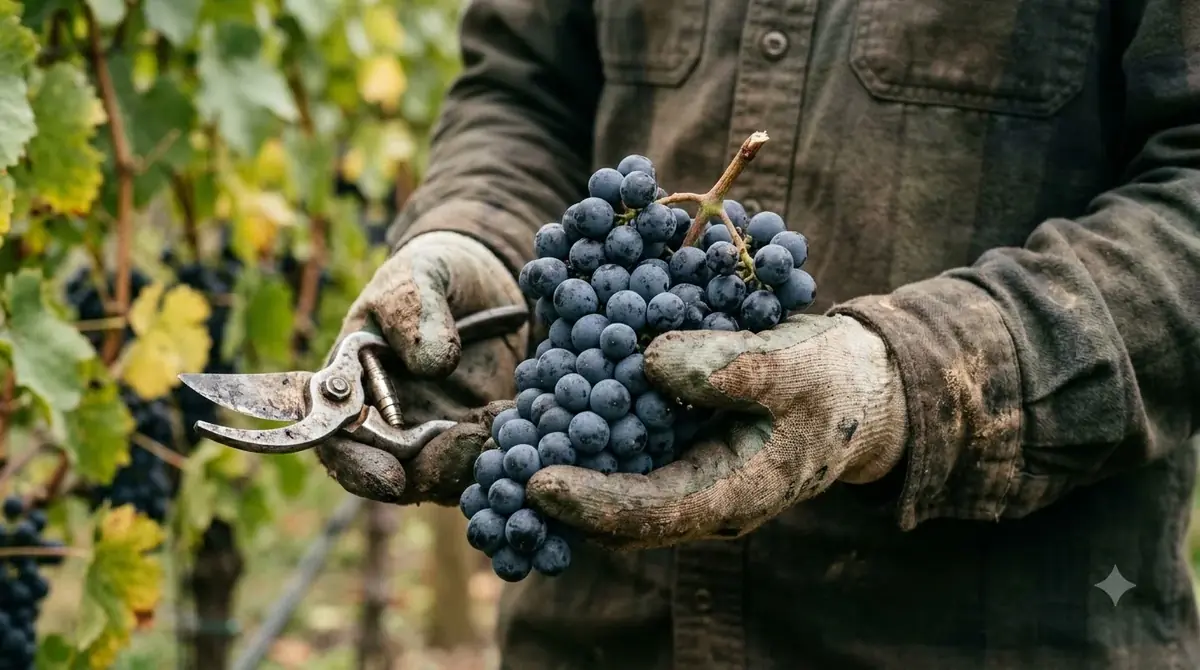
That seed count helps explain why the wine can feel more tannic than its delicate appearance suggests. Grignolino berries are relatively small and contain many pips; the regional growers’ consortium profile notes that the grapes are rich in polyphenols and produce dry wines with marked tannins. Color extraction, meanwhile, is often modest, so the finished wine commonly shows pale ruby, translucent red, or ruby with orange reflections rather than an opaque purple shade. The difference between color and grip is a useful clue when assessing the wine: the glass may look closer to a dark rosé, but the finish behaves like a red with meaningful structure. A short visual swirl will reveal the wine’s translucent edge, while the aroma often arrives before the tannins register on the palate.
Grignolino is distinct from Nebbiolo and Barbera. It is generally lighter in body than Barbera, with a more open floral and red-fruited profile, yet it can finish firmly or slightly bitter. Decanter’s overview describes berries, herbs, spice, rose, sage, white pepper, and wild strawberry, and compares its structure to a smaller-scale Nebbiolo.
Where Grignolino Grows in Piedmont
The grape’s center of gravity is Monferrato, particularly the hills north of Asti and around Alessandria. The two best-known appellations are Grignolino d’Asti DOC and Grignolino del Monferrato Casalese DOC; scattered plantings also occur in other parts of Piedmont and in Lombardy’s Oltrepò Pavese.
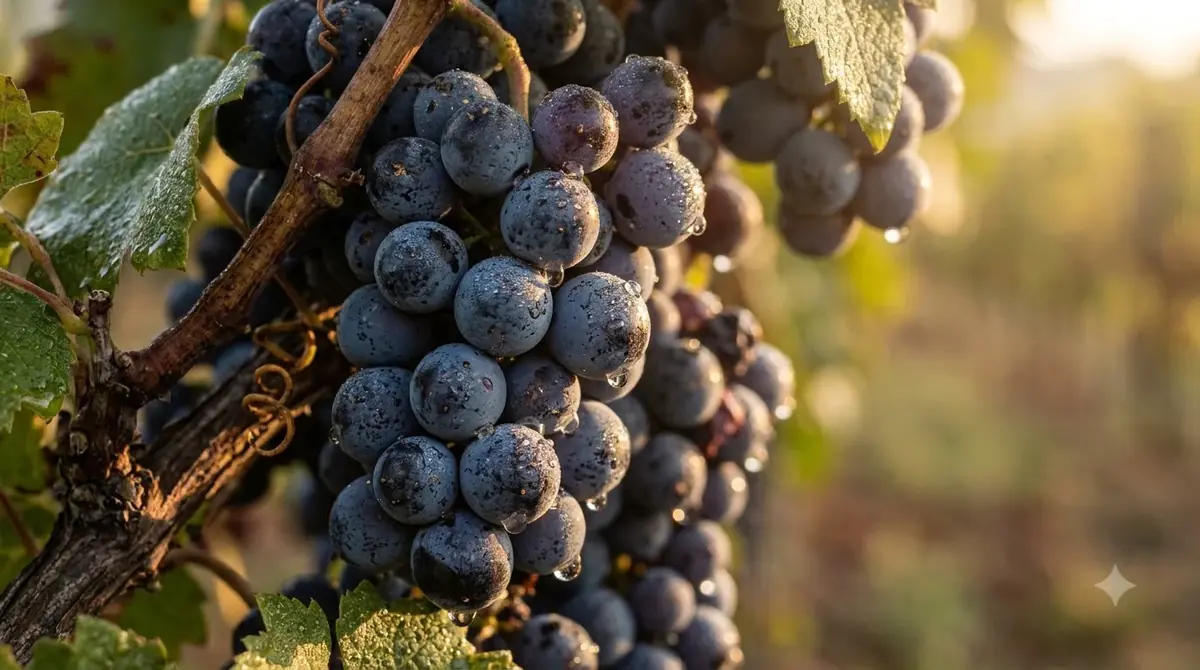
The two main appellations can produce noticeably different expressions. Decanter explains that sandy soils in the Asti area are associated with lighter, more perfumed wines, while the marly-clay and calcareous soils of Monferrato Casalese tend to give wines with more weight and richness. These are regional tendencies rather than guarantees: slope, exposure, crop level, harvest date, cellar choices, and vintage conditions also affect the finished wine.
Grignolino d’Asti DOC comes from 35 municipalities in the province of Asti. According to the Consorzio Barbera d’Asti e Vini del Monferrato, the wine must contain 90 to 100 percent Grignolino, with up to 10 percent Freisa permitted; the maximum yield is 8 metric tons of grapes, equivalent to 56 hectoliters per hectare, and the minimum alcohol level is 11 percent by volume. These rules give the name a specific geographic and production meaning rather than making it a general label for any wine made from the grape.
| Reference point | Grignolino d’Asti DOC | Grignolino del Monferrato Casalese DOC |
|---|---|---|
| Grape composition | 90–100% Grignolino; up to 10% Freisa | 100% Grignolino or 90% Grignolino with 10% Freisa |
| Minimum alcohol | 11% ABV | 11% ABV |
| Production / aging detail | Maximum 8 metric tons of grapes per hectare | Typically aged 1–2 years; 3–6 years for “Grignolino Storico” |
| Serving guidance | Serve lightly cool, around 55–60°F | 14–16°C (about 57–61°F) |
Grignolino del Monferrato Casalese DOC is the other important name to recognize. Its local consortium describes the wine as either 100 percent Grignolino or 90 percent Grignolino with 10 percent Freisa. The wines are described as ruby red with orange reflections, dry and elegant, and sometimes marked by a lightly bitter aftertaste. The consortium recommends serving them fresh from the cellar at 14–16°C, a cool cellar temperature that translates to approximately 57–61°F.
How the Grapes Grow and Become Wine
Grignolino is a demanding variety in the vineyard and winery, which helps explain why it remains a regional specialty rather than a widely planted international grape. The Consorzio Barbera d’Asti e Vini del Monferrato describes medium vine vigor, medium-to-high yields, and a preference for sunny, well-managed sites; it also identifies susceptibility to powdery mildew, Botrytis, and sour rot as practical challenges. Growers must balance fruit exposure with protection from weather and disease, and avoid allowing dense foliage to keep bunches damp for long periods. Vineyard decisions can influence both ripeness and the amount of clean fruit available for careful sorting at harvest.
In the Monferrato growing calendar, ripening falls from late September into the first ten days of October. That medium to medium-late schedule makes the end of the season important. Growers need suitable exposure and conditions that allow the fruit to ripen evenly, while the variety’s sensitivity to certain fungal diseases makes canopy management and careful vineyard monitoring important.
The bunches are medium-sized, compact, and elongated; berries range from black to purple-red and can color unevenly. The berries contain many pips, and seed contact during fermentation helps explain Grignolino’s firm tannins. Winemaking choices also matter: maceration length, fermentation temperature, and time in tank or bottle shift the balance between floral freshness, fruit, and tannin. Stainless steel can preserve primary fruit, while bottle age may soften the wine’s edges.
There is no single recipe for every Grignolino wine, so bottles will differ in color, alcohol, and aging potential. The Asti DOC minimum alcohol level is 11 percent, not a claim that every bottle has exactly that strength. The Casalese consortium describes one to two years as a customary aging pattern for its DOC wine and says wines aged three to six years can be called “Grignolino Storico.”
Flavor, Texture, and Aging Potential
Most Grignolino wines are dry, light to medium-light in body, fresh, and aromatic, with tannins that are more noticeable than the color suggests. Common descriptors include wild strawberry, red berries, rose, sage, white pepper, fresh herbs, and sometimes earthy or undergrowth notes. On the palate, expect a lively entry, crisp freshness, a fine but persistent tannic grip, and a slightly bitter or savory finish.
Fruit character varies with site and producer. Some bottlings lean toward strawberry and bright red berries; others show herbal, peppery, or earthy notes. Grignolino d’Asti is often lighter and more perfumed, while Monferrato Casalese can show greater depth and weight. Neither should resemble a deeply extracted Cabernet Sauvignon: the emphasis is fragrance, freshness, and texture rather than dark-fruit concentration.
Its acidity helps the wine feel energetic, but tannin is an equally important part of the profile. This is why a light-colored Grignolino may still seem dry or mouth-coating after a sip. The grape’s many seeds contribute to its reputation for firm tannins, and the regional consortia specifically describe the wines as dry and tannic. A mild bitter note in the finish is also characteristic and should not automatically be mistaken for a fault. The balance varies: some wines make the tannin feel fine and powdery, while others leave a more pronounced drying sensation along the gums. A few minutes in the glass and a savory bite of food can make that texture easier to interpret.
Most bottles are made for relatively early enjoyment, when floral and red-fruit character is vivid. The Casalese consortium describes one to two years as a typical aging pattern for its DOC wine and a three-to-six-year category called Grignolino Storico. With time, fruit may become less primary, savory or dried-flower notes can emerge, and tannins may integrate. Color can shift from bright ruby toward orange or garnet reflections. Storage conditions and the producer’s intent matter more than a blanket aging rule.
Serving Temperature and Food Pairings
Serve Grignolino slightly cool, around 55–60°F, rather than at a warm room temperature. A brief chill can sharpen its red-fruit aromas and freshness while keeping the tannins lively but not heavy; a bottle taken straight from a cool cellar may need only a short time in the glass to open.
Its best food matches balance fresh acidity and firm tannin with salt, fat, and savory flavors. Regional suggestions include hors d’oeuvres, vegetable quiche, duck, white meat, fried dishes, sausages, roasts, stews, and Piedmontese mixed fried food. Decanter also highlights steak tartare, poached rabbit, and charcuterie. For a practical meal, try roast chicken, pork tenderloin, herbed turkey, salami, or a mushroom-and-cheese tart. Salt and fat soften tannin, while crisp fried vegetables and savory pastries complement the wine’s freshness.
Fish is possible, but choose the preparation carefully. The Asti consortium suggests trying Grignolino with fish, and grilled white fish, herb-roasted cod, or fried anchovies can work. Very oily fish such as salmon or tuna can emphasize tannin’s drying effect, so a crisp white or a lighter red may be safer. For cheese, choose fresh or medium-aged styles such as mild toma, young Pecorino, or semi-firm cow’s-milk cheese. Keep chili heat moderate because alcohol and tannin can intensify the impression of heat.
Tip: Chill the bottle for about 20–30 minutes in the refrigerator before serving, then pour a small first glass. If the wine seems muted, let it warm slightly in the glass; if the tannin feels firm, serve it with salty food or a dish containing some fat.
Pour about 5 ounces per glass; a 750-milliliter bottle gives roughly five servings. Reseal unfinished wine and refrigerate it; opened still wines are generally best within three to five days. For storage before opening, keep bottles away from sunlight, heat, and repeated temperature swings. A cellar near 55°F is a useful target for longer storage, and bottles with natural corks are generally stored on their sides so the cork does not dry out.
Choosing a Bottle and Comparing Similar Grapes
Start with the appellation and the producer’s description. Grignolino d’Asti DOC offers a clear expression tied to the Asti hills, while Grignolino del Monferrato Casalese DOC gives you a second recognized home for the variety. A note about sandy Asti soils or the marly-clay and calcareous soils of Casalese can help explain the intended style, but producer decisions and vintage conditions still matter.
Several producers are identified as worth exploring in Decanter’s overview, including Gaudio, Braida, Montalbera, Incisa della Rocchetta, Bersano, Cavallotto, and Poderi Cellario. Use those names as a starting list, not a ranking: availability varies by market, and the same producer may make wines with different levels of extraction, aging, or structure. A back-label description mentioning floral aromas, red berries, pepper, or a fresh finish can help confirm that the bottle fits the style you are seeking. Pay attention to the balance words a producer uses: “fresh” and “fragrant” usually point toward a lighter expression, while references to structure, savory depth, or extended bottle aging suggest a firmer or more developed style.
Comparing grapes clarifies its style. Brachetto is another Piedmont variety, but is associated with aromatic, often sweet or sparkling wines; Grignolino is generally a dry still red. German Dornfelder is more commonly associated with deeper color and fruit-forward styles. For a broader overview, browse Wine by Type. Airén offers a contrast as a white grape associated with Spanish white-wine production; read about the airen grape for a different profile, or compare another Piedmont variety with the brachetto grape.
Before buying, decide whether you want a bright young bottle for food or a more developed example with softer edges and savory complexity. A recent-release Grignolino d’Asti or Grignolino del Monferrato Casalese is a useful first taste. For softer tannins, look for a style described as delicate or fragrant rather than strongly structured.
Frequently Asked Questions
Grignolino’s key reference points are the Monferrato hills, the Asti and Casalese DOCs, and a dry style with pale ruby color and marked tannin. The answers below cover a few extra details about its name, vineyard shape, and regional identity.
Is Grignolino ever called Barbesino?
Yes. In parts of Lombardy, the variety is known as Barbesino, although Grignolino is the name most closely associated with its historic home in Piedmont. The alternative name reflects its wider, though scattered, presence beyond the Monferrato hills.
What does a Grignolino grape cluster look like?
The mature bunch is typically compact or very compact, medium-sized, elongated, and pyramidal, sometimes with prominent side wings. Its short, sturdy stem may show reddish tones, while individual berries can vary from black to purple-red rather than coloring uniformly.
When does Grignolino usually begin its growing season?
The regional consortium places budbreak in the second ten days of April. This mid-April timing precedes a medium to medium-late ripening period, which is one reason the grape depends on suitable site exposure and a favorable end to the growing season.
How is Grignolino usually pruned in the vineyard?
The common training approach is espalier with mixed Guyot pruning. The consortium describes a system that leaves one fruiting cane carrying 10–12 buds, a specific vineyard detail that helps explain how growers manage the vine’s medium-to-high productivity.
What does Piemonte DOC mean on a Grignolino label?
It identifies a broader regional appellation rather than either of the two specialist Monferrato DOCs. The regional consortium lists Piemonte DOC Grignolino across 118 municipalities in Asti, 142 in Alessandria, and 93 in Cuneo, with 85–100% Grignolino permitted and up to 15% other authorized non-aromatic red grapes. It also sets a maximum yield of 9.5 metric tons, or 66.5 hectoliters per hectare, and an 11% minimum alcohol level.
Grignolino rewards drinkers who look beyond color and expect a red wine to bring both fragrance and structure. Start with a young bottle from Asti or Monferrato Casalese, serve it slightly cool, and pair it with savory food; the combination makes the grape’s bright fruit, peppery lift, and distinctive tannin easy to appreciate. Comparing the two DOCs side by side is a practical way to discover which expression best suits your palate.
More in Wine Types & Grapes
 Zinfandel Sugar Content: Dry Red vs. White Zinfandel GramsUpdated Nov 21, 2026
 Best Zinfandel Substitute Options for Sipping and CookingUpdated Nov 21, 2026
 Zweigelt Food Pairing: Best Dishes, Cheeses, and Serving TipsUpdated Nov 21, 2026
 Zinfandel Tannins Explained: How Structure Shapes Every BottleUpdated Nov 21, 2026
 Zinfandel Sweetness Level: Dry Red vs. Sweet White Zin ExplainedUpdated Nov 21, 2026
 Xinomavro Food Pairing: Best Dishes, Styles, and Serving TipsUpdated Nov 21, 2026