

We may earn a commission when you buy through links on this page, at no extra cost to you. Learn more.
Grignolino wine is a pale, light red made from the Grignolino grape, a variety that is grown mainly in the Asti province of Piedmont, Italy. It comes from the Monferrato hills between Asti and Casale, and it is meant to be drunk young. The wines are fruity and bright, with strong acidity and a pale color, and they are rarely grown outside that small corner of northwestern Italy.
Grignolino is one of the less familiar red wines of Italy, even among people who know Piedmont’s big names. Nebbiolo and Barbera get most of the attention, yet Grignolino has a character of its own. It is lighter, quicker to drink, and more playful than many of its neighbors. This guide explains where the wine comes from, what it tastes like, how the labels are organized, and how to serve it well.
Where Grignolino Grows
Grignolino is grown mainly in the Asti province of Piedmont, in northwestern Italy. Its origin is traced to the Monferrato hills that lie between Asti and Casale, and it is seldom planted in other parts of the world. That limited footprint makes it a regional specialty rather than an international variety, and most of the wine you find will carry a Piedmont appellation name.
The region’s three DOC names are the main way to recognize Grignolino on a label. They are Asti, Monferrato Casale, and Piemonte Grignolino. Each name points to a specific area and set of production rules, so it helps to read the bottle carefully rather than relying on the grape name alone.
How Grignolino Tastes
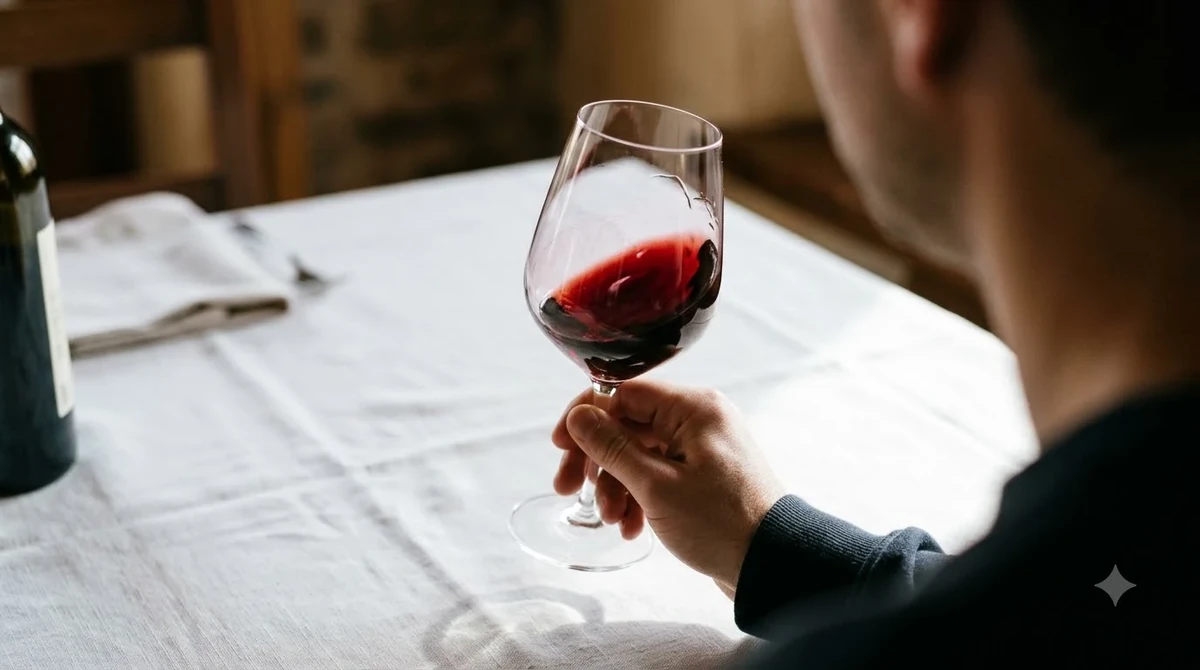
Grignolino wines are pale, and rosés are made from the grape as well. Compared with the region’s Nebbiolo and Barbera, the wines have a lighter body, and they are meant to be drunk young rather than cellared for years. That light structure makes Grignolino feel fresh and easy on the table, especially in warm weather.
The aromas are very fruity, and the acidity is strong. Many bottles also show alpine notes, a herbal or mountain-air quality that gives the wine a distinctive edge. Because the grape varies a great deal from clone to clone, the flavors can range from green, herbal notes to ripe raspberry and other red fruit. Two bottles from the same region can therefore taste quite different.
| Feature | What to expect with Grignolino |
|---|---|
| Color | Pale red, with rosés also made |
| Body | Lighter than Nebbiolo and Barbera |
| Aromas | Very fruity, often with alpine or herbal notes |
| Acidity | Strong |
| Alcohol | Around 11 to 12 percent ABV |
| Ideal age | Meant to be drunk young |
Why the Grape Is Called Grignolino
The name refers to the grape’s many seeds. That detail matters because seeds carry bitter, strong tannins, and the grape has a reputation for making wine that can taste firm if handled roughly. Winemakers therefore use gentle, slow pressings to limit how much tannin is pulled into the juice. The result is a wine that feels light in the mouth but still has a clear backbone from its acidity.
This is a useful reminder that a pale color does not mean a weak wine. Grignolino can taste bright and structured at the same time, and the balance depends a great deal on how the grower and winemaker handled the fruit. If a bottle seems bitter, the cause is often the tannin from the seeds, which a careful producer will manage.
Serving and Pairing Grignolino
Because Grignolino is light and acidic, it suits food that is fresh and not too heavy. Simple pasta with tomato, grilled vegetables, and mild cured meats all make good partners. The wine’s fruit and acidity can cut through fattier dishes, while its light body keeps it from overpowering the plate.
Serve it slightly cool rather than at room temperature. A cool glass keeps the fruit lively and helps the acidity feel clean. A medium glass that gives the aromas room is a good choice, and the wine is best enjoyed in the first year or two after it is bottled, when its fruit is at its most vivid.
Tip: If you are trying Grignolino for the first time, pair it with a simple meal rather than a big, rich roast. Its charm is in the freshness, and a light dish lets that show.
For a sense of how other light, early-drinking reds compare, the bobal wine guide covers a very different Spanish red that also rewards a fresh, youthful approach. For a broader look at how styles and grape families connect, the Wine by Type hub gathers related guides in one place. The Wikipedia entry on Grignolino also summarizes the grape’s origin and DOC structure if you want a quick overview before you shop.
Who Grignolino Suits
Grignolino suits drinkers who like bright, fruity reds with a clear acidity and a light feel. It is a good match for people who enjoy lunch wines, summer dinners, or red wines that do not weigh the table down. It also appeals to readers who like to explore regional Italian styles beyond the best-known names.
It may be less satisfying if you want a deep, long-aging red with heavy structure. The wine is designed to be drunk young, and its charm is in freshness rather than complexity. If you are comparing it with richer Piedmont reds, expect a lighter wine with a more playful profile.
How to Shop for a Good Bottle
When you shop for Grignolino, the label is your best guide. Check the appellation first, since Asti, Monferrato Casale, and Piemonte Grignolino each describe a slightly different set of rules. Look for the vintage as well, because a younger bottle will usually show the fruit and acidity that define the style most clearly. Rosé versions can be a pleasant introduction if you want to taste the grape without the firmer edge of a red.
It also helps to ask the shop staff which producers they prefer. Grignolino is a regional wine, so knowledgeable retailers often have a sense of which bottles show the grape at its most typical. A short conversation at the counter can save you from picking a bottle that does not match the style you are looking for.
Finally, think about the occasion. Grignolino works well for a casual lunch, a summer dinner with friends, or a simple weeknight meal. Its freshness and light body make it an easy choice when a heavier red would feel like too much. If you enjoy the style, you can then compare it with other regional Italian reds to see how different the Piedmont range can be.
Frequently Asked Questions
What color is Grignolino wine?
Grignolino is typically pale. Rosés are also made from the grape, so you will find both light red and pink styles.
Where is Grignolino grown?
It is grown mainly in the Asti province of Piedmont, Italy, with its origin in the Monferrato hills between Asti and Casale. It is seldom grown elsewhere.
Should Grignolino be aged?
No, it is meant to be drunk young. Its fruit and acidity are at their best while the wine is fresh, so most bottles are enjoyed within a short time of release.
What does Grignolino taste like?
Expect very fruity aromas, strong acidity, and sometimes alpine or herbal notes. Depending on the clone, the flavors can range from green and herbal to raspberry.
Grignolino is a small, distinctive wine that rewards an open mind. Its pale color and bright fruit can surprise drinkers who expect a heavy Italian red. Pick a bottle from the Asti or Monferrato area, serve it cool, and enjoy it with simple, fresh food while it is still young.
More in Wine Types & Grapes
 Zinfandel Sugar Content: Dry Red vs. White Zinfandel GramsUpdated Nov 21, 2026
 Best Zinfandel Substitute Options for Sipping and CookingUpdated Nov 21, 2026
 Zweigelt Food Pairing: Best Dishes, Cheeses, and Serving TipsUpdated Nov 21, 2026
 Zinfandel Tannins Explained: How Structure Shapes Every BottleUpdated Nov 21, 2026
 Zinfandel Sweetness Level: Dry Red vs. Sweet White Zin ExplainedUpdated Nov 21, 2026
 Xinomavro Food Pairing: Best Dishes, Styles, and Serving TipsUpdated Nov 21, 2026