

We may earn a commission when you buy through links on this page, at no extra cost to you. Learn more.
How to serve lambrusco: chill most bottles to 50–55°F (10–13°C), then pour them into a tulip-shaped sparkling-wine glass or a small-to-medium white-wine glass. Lighter Lambrusco di Sorbara and rosato are especially refreshing near 50°F, while darker, fuller Lambrusco can be served closer to 55–57°F. Keep the bottle cool between pours, and choose the food pairing to match the wine’s sweetness and weight.
Lambrusco is not one uniform sweet red fizz. The name covers a family of wines from northern Italy that can be dry, off-dry, or sweet; lightly sparkling or fully sparkling; pale pink, ruby, or deep purple. Serving it well is mostly a matter of respecting those differences rather than treating every bottle like a soft drink or a full-bodied red.
Serve Lambrusco cool, not ice-cold
The best all-purpose target for Lambrusco is 50–55°F (10–13°C). That range keeps the bubbles lively and the wine refreshing while leaving enough warmth for its red-fruit, floral, and savory aromas to show. For a lighter Sorbara or rosato, aim near 50°F; for a darker, more structured bottle, let it approach 55°F or slightly higher.
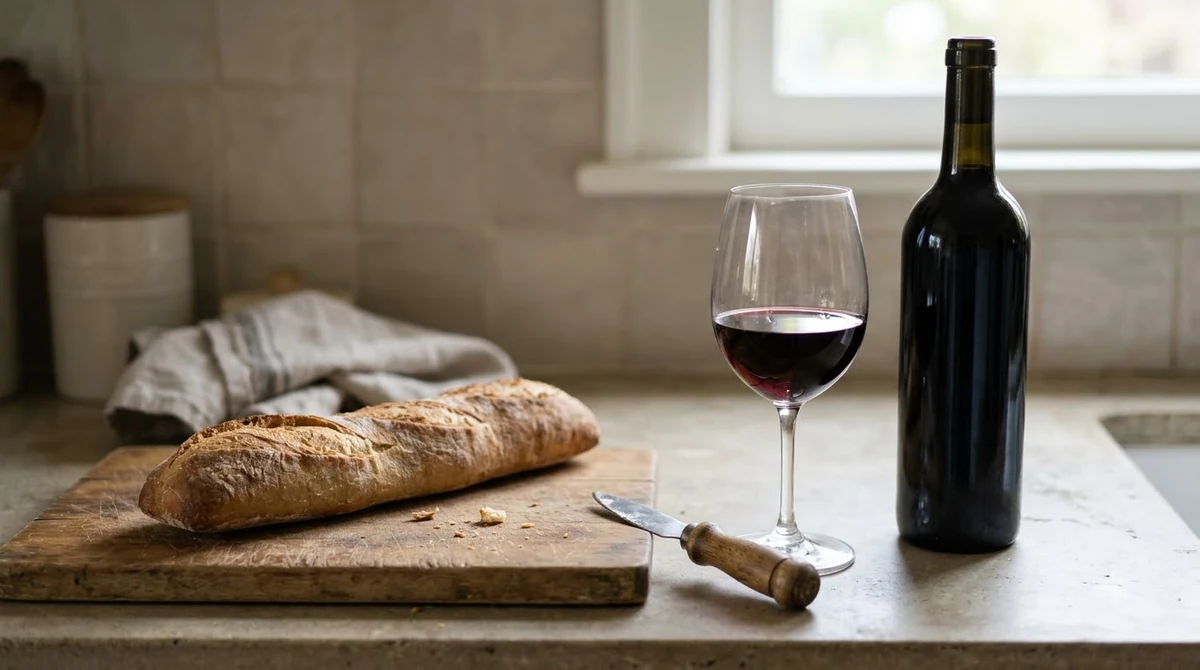
There is a reason not to serve every Lambrusco straight from a very cold refrigerator. At temperatures near 40°F, the wine can seem muted: its fruit and floral notes become harder to notice, and the texture can feel more sharply fizzy than balanced. Let a very cold bottle sit for several minutes before pouring if its aroma seems closed. On the other hand, serving it warm makes the alcohol and sweetness seem more prominent, while the bubbles feel less refreshing.
The Gambero Rosso restaurant guidance gives a useful style distinction: serve dark Lambrusco at 14°C (about 57°F), and Lambrusco di Sorbara or rosé at 10°C (50°F). Those targets sit comfortably around the general 50–55°F home-serving range, with a little extra warmth for the deeper style. A general retailer guide gives 50–55°F as a broad serving temperature, which is a practical starting point when the bottle’s grape and style are unfamiliar. For a reference to other wine styles, the temperature advice for how to serve Pinot Grigio is a useful reminder that lighter wines generally benefit from a cooler pour than full-bodied reds.
Match the temperature to the Lambrusco style
Lambrusco’s grape family includes at least 12 varieties, and the leading styles differ noticeably in color, acidity, body, and tannin. A light Sorbara should not be handled exactly like a deep-colored Grasparossa, so use the wine’s style as the guide rather than assuming that every red wine belongs at room temperature.
| Lambrusco style | Serving target | What to expect |
|---|---|---|
| Lambrusco di Sorbara | About 50°F (10°C) | Pale ruby to rosé color, floral aromas, red fruit, and high acidity |
| Lambrusco rosato | About 50°F (10°C) | Lighter body and a fresh, bright profile |
| Dark Lambrusco, including Grasparossa | About 55–57°F (13–14°C) | Deeper color, fuller body, and more noticeable tannin |
| Unspecified or mixed style | 50–55°F (10–13°C) | A balanced starting range when the exact style is not clear |
Lambrusco di Sorbara is generally the lightest of the prominent styles. Decanter describes it as delicate in color, often rose to light ruby, with red-fruited and floral aromas and a high-acid, bone-dry palate. That combination rewards a cooler serving temperature: chilling preserves its crisp impression and keeps the wine feeling delicate rather than broad. It is a natural choice when you want a sparkling red that behaves more like a lively, aromatic aperitif.
Grasparossa has a different shape. It tends to be darker and fuller-bodied, and its tannins can feel firmer; in a dry secco bottling, a little residual sugar can soften that structure. Decanter notes that secco examples can contain 12–15 grams of residual sugar per liter, while amabile examples can fall around 40–50 grams per liter. Those figures explain why two bottles both labeled Lambrusco may taste quite different, even before food enters the picture.
Lambrusco Salamino often sits between those two poles. Decanter’s tasting description of a Reggiano Salamino notes dark-cherry character, violet and carob aromas, a savory, foamy texture, and a slightly tannic attack. When choosing a serving temperature for Salamino, start around 52–55°F and adjust the next pour according to its weight: a lean, lively example can stay cooler, while a more structured one can warm slightly in the glass.
Choose the right glass and chill the bottle properly
A tulip-shaped sparkling-wine glass or a universal white-wine glass is a strong choice for Lambrusco. The bowl gives the wine room to release aromas, while the narrower opening helps retain some of the fizz. A standard wine glass is perfectly suitable at home; the goal is to enjoy both the fragrance and the bubbles, not to use elaborate stemware.
Flutes can preserve a stream of bubbles, but their narrow shape makes it harder to smell the wine. A broad red-wine goblet is also unnecessary for most Lambrusco because the wine is generally served cool and sparkling. Wine Enthusiast’s general sparkling-wine advice favors a stemmed glass with a bowl when aroma matters, rather than choosing a flute only for its display of bubbles. That approach works well for Lambrusco, particularly for aromatic Sorbara.
Plan ahead instead of relying on an extended freezer stay. A bottle starting at ordinary room temperature can go into the refrigerator for roughly 1½ to 2 hours, then be checked before serving; a bottle already stored in a wine refrigerator may need only a short adjustment. For a faster chill, place it in an ice bucket filled with a mixture of ice and water for about 20 minutes, checking that it reaches the cool target rather than letting it become painfully cold. Open the bottle carefully because pressure can vary with the style: keep a hand over the cork, point it away from people and breakable objects, and twist the bottle rather than pulling hard on the cork.
Tip: Chill the bottle before opening, dry the glass, and pour slowly down the side. Lambrusco’s bubbles can rise quickly, especially when the wine is warm or the glass is wet, so leave a little room at the top and top up after the foam settles.
Pair dry Lambrusco with salty, rich foods
Dry Lambrusco is especially good with the foods of Emilia-Romagna: cured pork, fried bread, aged cheese, and rich pasta. Its acidity and bubbles refresh the palate between fatty or salty bites, while its fruit can meet the savory intensity of the food without making the meal feel heavy.

A classic spread might include Prosciutto di Parma, Culatello di Zibello, Mortadella Bologna, Parmigiano Reggiano, and gnocco fritto, the region’s fried bread dumpling. Decanter’s Lambrusco pairing recommendations identify this combination as a natural match and single out the acidity of an ancestral-method Sorbara as a good way to balance the fat without overwhelming the flavors. A dry Sorbara is especially good when the plate includes delicate cured meats; a darker, more structured Lambrusco can stand up to richer salumi and aged cheese.
Pizza is another easy match, but the topping matters. A crisp, light Sorbara suits white pizza with Mortadella Bologna or ham, where the wine’s freshness supports the salty pork without competing with tomato acidity. For pizza with tomato sauce, melted cheese, and salami, choose a bone-dry red Lambrusco with more energetic bubbles, such as a Salamino style. The acidity of the wine should be at least as lively as the tomato sauce, since high-acid food can make a low-acid wine taste flat.
For pasta, try dry Lambrusco with tagliatelle al ragù, lasagna, pork sausage, or a cream sauce with mushrooms. The wine’s acidity cuts through richness, and the sparkling texture refreshes the palate after each bite. Salty cheeses and cured meats also soften the perception of tannin, so a firmer Grasparossa can work better with a board of aged Parmigiano than with a very delicate fish dish.
Use sweeter and rosato styles for different dishes
Off-dry and sweet Lambrusco are not merely dessert wines, but their sweetness calls for a different pairing strategy. Choose a wine at least as sweet as the dessert, and use a sweeter style when a dish has noticeable chili heat or sweet-savory seasoning. Rosato, meanwhile, is often the most flexible choice for lighter appetizers, salads, and seafood.
Lambrusco amabile is a useful partner for spicy or sweet-savory dishes. Decanter suggests it with chili con carne and beef tacos with mole, where the wine’s residual sugar can meet the dish’s heat and savory depth. Remember that chili heat can still feel more intense alongside alcohol and tannin, so do not assume that sweetness erases the spice; choose a fresh, relatively soft example and keep the food’s heat moderate enough for the pairing to remain enjoyable.
For dessert, match the sweetness level rather than relying only on fruit flavors. A sweet Lambrusco can pair with berry tart, strawberry desserts, or chocolate when the wine is at least as sweet as the food. A dry Lambrusco beside a very sweet cake may taste sharper and more acidic by comparison. For another chilled, fruit-forward wine option, the guidance on how to serve rosé can help when planning an aperitif that should lead into a lighter meal.
Rosato Lambrusco is a good fit for seafood salads, grilled shrimp, fresh cheeses, and vegetable antipasti. Its lighter body and red-fruit notes can work with tomato-free dishes and herbs, while the bubbles add lift to olive oil or a creamy dressing. A delicate Sorbara can also work with salmon or tuna nigiri: Decanter points to a longer-aged, traditional-method Sorbara as a match for these fish preparations, showing that Lambrusco can work beyond the usual cured-meat board. For ramen, choose a dry, fruity Lambrusco rather than a very sweet one; a Salamino-based wine can complement the broth’s umami and pork-rich savoriness. These pairings give Lambrusco a place alongside Japanese dishes as well as the regional foods of Emilia-Romagna.
Pour, host, and store Lambrusco with care
Lambrusco is versatile enough to serve as an aperitif, at the table, or with a casual gathering. Open a lighter Sorbara or rosato before dinner with salty snacks, then move to a deeper Grasparossa or Salamino when the main course brings pork, tomato, cheese, or grilled meat. Offering two contrasting styles side by side is an easy way to show guests that Lambrusco can be both delicate and substantial. A standard 750-milliliter bottle provides about five 5-ounce servings; pour a little less at first to leave room for foam, and keep the bottle in an ice bucket or refrigerator between pours rather than letting it warm on the table.
Lambrusco generally does not need decanting. Decanting is useful for certain young, full-bodied still reds, but Lambrusco’s bubbles are part of its character and are best preserved in the bottle until pouring. Open it shortly before serving, pour into clean glasses, and let the wine develop for a minute or two; if the first sip seems tight, give it a little time rather than decanting the whole bottle. After opening, reseal the bottle with a sparkling-wine stopper and refrigerate it. Aim to finish it within 1–3 days for the liveliest bubbles, recognizing that the wine may lose its fizz before it becomes undrinkable.
Store unopened bottles in a cool, dark place away from heat and direct sunlight; most everyday Lambrusco is made for fresh fruit and lively texture rather than long-term cellaring. When building a tasting lineup, place Lambrusco beside other sparkling, rosé, or lighter red wines so guests can compare body and sweetness. The site’s Wine by Type overview can help explain those categories, while how to serve Pinot Gris offers a useful contrast for a still white wine. Label bottles by style—Sorbara, Grasparossa, Salamino, rosato, dry, or amabile—so guests can see why each glass tastes different.
Frequently Asked Questions
These quick answers cover pronunciation, label terms, and production choices that can affect what appears in the glass. They also explain why Lambrusco can taste and feel different from one bottle to another.
How do you pronounce Lambrusco?
Lambrusco is commonly pronounced “lahm-BROO-skoh,” with the emphasis on the middle syllable. The word refers to a family of grape varieties as well as the wines made from them.
Is Lambrusco always sparkling?
No. Lambrusco is best known for its sparkling and lightly sparkling wines, but still red examples are also made. The grape family can also be vinified as white wine or rosé, so the name does not guarantee a red, fizzy bottle.
What do secco and amabile mean on a Lambrusco label?
Secco indicates a dry style, while amabile indicates an off-dry style with perceptible residual sugar. Some producers also use semisecco for a style between dry and off-dry and dolce for a sweet wine, so the label vocabulary can help narrow the expected taste before opening.
Is Lambrusco made only in Emilia-Romagna?
Emilia-Romagna is the historic heartland, but Lambrusco is also produced in Lombardy. The grape name appears across several related varieties and appellations, which is one reason the wines vary so much from one bottle to another.
What is the difference between frizzante and spumante Lambrusco?
Frizzante means semi-sparkling, with a gentler level of carbonation, while spumante refers to a fully sparkling wine. These terms describe the wine’s level of fizz rather than its sweetness, so either style can be made dry or sweet.
Serve Lambrusco cool, select a glass that lets you smell its fruit, and match the wine’s sweetness and structure to the food. With a chilled Sorbara for lighter dishes and a slightly warmer, darker style for richer plates, sparkling red wine can work from the first aperitif through the main course.
More in Wine Types & Grapes
 Zinfandel Sugar Content: Dry Red vs. White Zinfandel GramsUpdated Nov 21, 2026
 Best Zinfandel Substitute Options for Sipping and CookingUpdated Nov 21, 2026
 Zweigelt Food Pairing: Best Dishes, Cheeses, and Serving TipsUpdated Nov 21, 2026
 Zinfandel Tannins Explained: How Structure Shapes Every BottleUpdated Nov 21, 2026
 Zinfandel Sweetness Level: Dry Red vs. Sweet White Zin ExplainedUpdated Nov 21, 2026
 Xinomavro Food Pairing: Best Dishes, Styles, and Serving TipsUpdated Nov 21, 2026