

We may earn a commission when you buy through links on this page, at no extra cost to you. Learn more.
The best grenache blanc food pairing balances the wine’s generous body and ripe pear, citrus, and stone-fruit flavors with food that has enough richness to meet its weight. Try grilled fish, shellfish, roast chicken, creamy pasta, or vegetables with olive oil and herbs. The grape’s acidity can vary, so the freshest bottles can handle lemon and seafood while richer, oak-aged examples suit buttery sauces and roasted dishes.
Grenache Blanc is a versatile white grape with roots in Spain and a strong identity in the Southern Rhône. Its range runs from fresh, citrus-edged wines to broader, creamy bottles with more alcohol and oak influence. The right food match starts with the wine in your glass rather than a fixed list of rules.
How Body, Acidity, and Flavor Shape the Pairing
Grenache Blanc generally works best with dishes that have medium weight, gentle richness, and clear but not aggressive seasoning. The Southern Rhône wine organization describes it as a low-acid, fruity, round grape that adds weight and volume to blends, while Wine Enthusiast notes its fuller texture and flavors of citrus, stone fruit, and pear. Those traits explain why it often feels more substantial than a very crisp, light-bodied white.
Expect ripe pear, green plum, lemon zest, melon, peach, or honeysuckle in many examples. Oak aging can add toast and brioche, while lees contact may make the texture seem creamy or gently savory. Wine Folly’s Grenache Blanc profile describes a familiar style with medium body, medium-low acidity, and 13.5 to 15 percent alcohol. That is a useful reference, not a guarantee: cooler sites and earlier picking can produce livelier wines, and winemaking changes the result.
Build a plate around the wine’s weight. A delicate poached sole with almost no sauce can disappear beside a broad, warm-climate Grenache Blanc; grilled halibut with olive oil, herbs, and a modest squeeze of lemon has more substance. On the other hand, a very rich cream sauce may overwhelm a lean, high-acid example. Match intensity first, then use herbs, citrus, salt, and texture to create a bridge between glass and plate.
Seafood Pairings: Grilled Fish, Shellfish, and Sushi
Seafood is one of Grenache Blanc’s most dependable partners, especially when the preparation has some texture or richness. Choose grilled or roasted fish, shrimp, scallops, lobster, or sushi, and tune the sauce to the wine’s acidity and body.
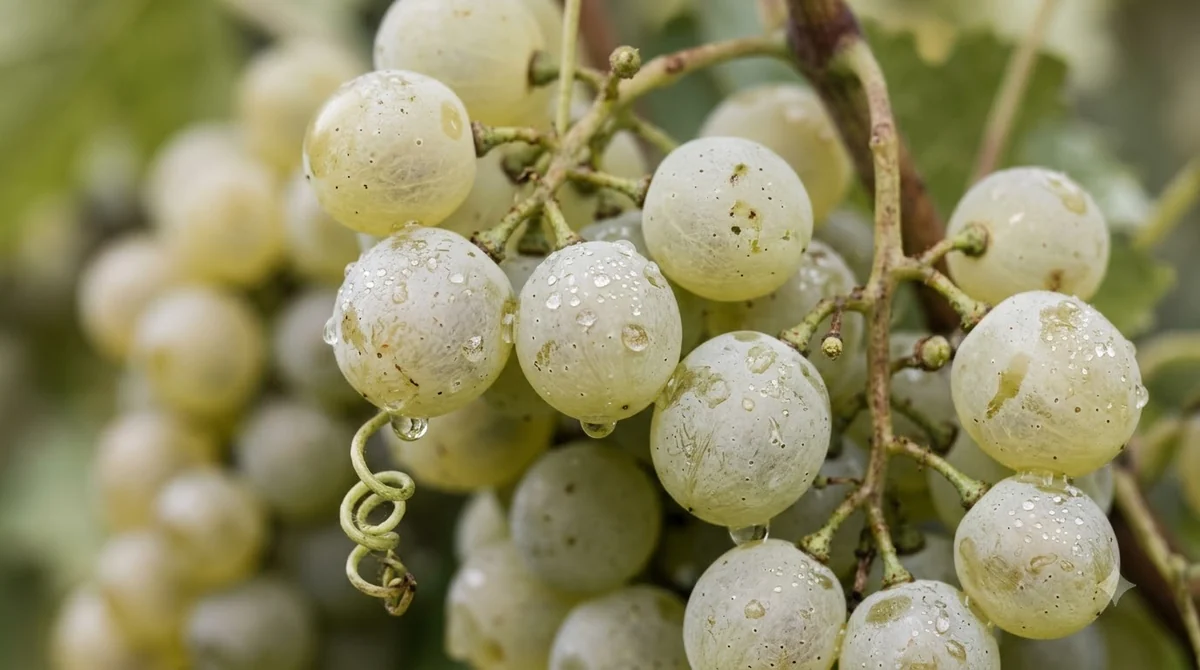
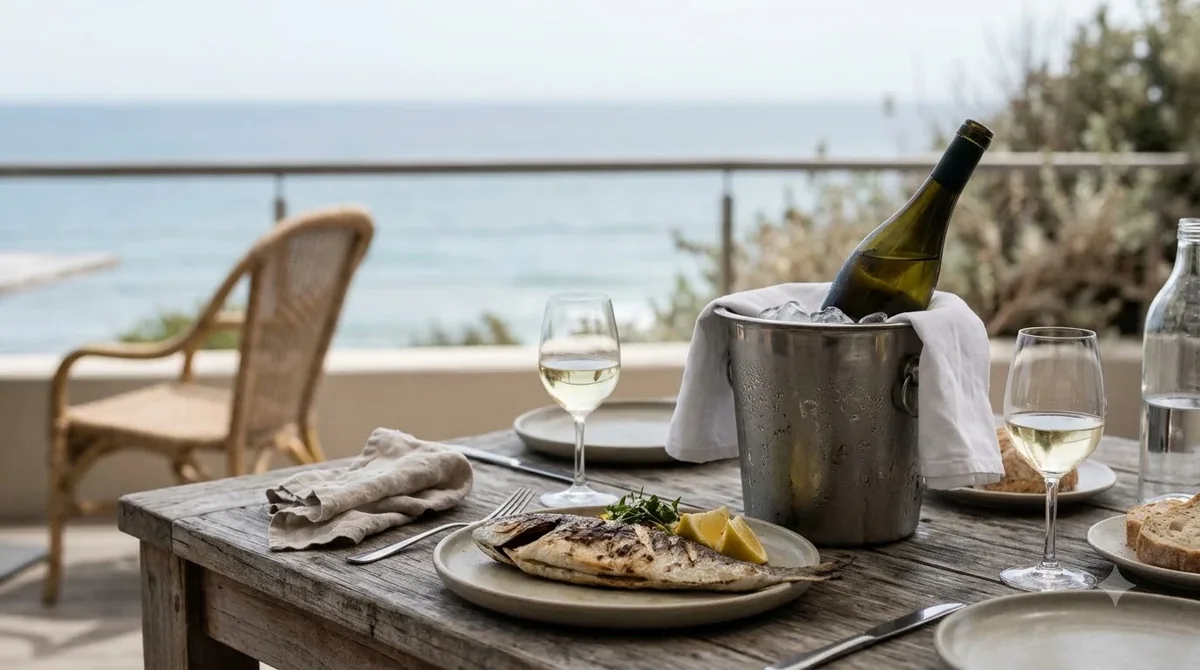
For firm fish, think tuna steaks, swordfish, mahi mahi, snapper, or halibut. Wine Folly specifically recommends steak-like fish such as tuna, swordfish, grilled snapper, and mahi mahi, because their dense texture can stand up to the wine’s fuller feel. Brush the fish with olive oil, season with salt and black pepper, and finish with parsley, fennel fronds, or a restrained lemon dressing. A medium-bodied, citrus-scented bottle will fit this preparation without making the fish seem heavy.
Shellfish calls for a little more attention to sauce. Shrimp, crab, scallops, and lobster work especially well with grilled, poached, or lightly buttered preparations. A fresh Grenache Blanc can lift shrimp with garlic, parsley, and lemon; a rounder or oak-influenced bottle is more convincing with lobster, crab cakes, or scallops in a light cream sauce. Keep garlic and chili measured so that the wine’s alcohol does not intensify heat.
Sushi and sashimi can work when the wine is fresh and the accompaniments are simple. Try salmon, cooked shrimp, or richer white fish with cucumber, avocado, or a small amount of soy sauce. Avoid relying on very hot wasabi or sweet, heavy sauces, both of which can make a moderate-acid wine feel less balanced. If raw fish is dressed with plenty of lime or rice vinegar, choose a brighter bottle or reduce the sharpness of the dressing.
Poultry, Pork, and Other White Meats
Roast chicken is a natural match because its savory skin and tender meat have enough flavor for Grenache Blanc’s body without overpowering the wine. Pork tenderloin, turkey, veal, and lightly seasoned sausages can also work, particularly when herbs, pan juices, or a mild cream sauce connect the food to the wine.
For roast chicken, season the bird with thyme, rosemary, garlic, lemon zest, and olive oil. A broad Grenache Blanc can meet the browned skin and roasting juices; a fresher style can balance a simpler herb-roasted breast. Chicken with a pan sauce made from stock, a little butter, and white wine is especially flexible. Avoid making the sauce overly acidic, because a tart reduction can expose the wine’s softer edge.
Pork offers several routes. Grilled pork chops with fennel seed, sage, or apple are good with a bottle showing pear and citrus, while slow-roasted pork shoulder suits a richer Grenache Blanc with some oak or lees texture. For turkey, use sage stuffing, roasted squash, or a mild gravy rather than a strongly sweet glaze. Veal piccata can be successful with a lively version, but keep the capers and lemon in proportion so the dish does not dominate the wine.
Texture is as important as flavor. Browned chicken skin, crisped pork edges, and a moderate amount of butter give a full-bodied white something substantial to meet. Grenache Blanc typically has little or no tannin, so the pairing should not depend on the salt-and-fat effect used to soften tannic red wines. Instead, use moderate seasoning, balanced sauces, and savory cooking techniques to bring the food and wine together.
Vegetables, Grains, and Creamy Main Dishes
Grenache Blanc’s texture makes it a strong match for vegetables and grains with oil, butter, or a creamy element. Roasted squash, cauliflower, fennel, mushrooms, artichokes, risotto, and pasta can give the wine enough savory depth while allowing its pear, citrus, and herbal notes to show.
For a vegetable centerpiece, roast cauliflower or squash until the edges caramelize, then add olive oil, parsley, toasted almonds, and a little lemon zest. The browned edges echo the richer side of the wine, while the herbs and citrus give the pairing freshness. Fennel is particularly useful because its gentle anise quality can connect with the subtle anise notes associated with Grenache Blanc in Southern Rhône descriptions. Mushrooms work better when sautéed with thyme or a light cream sauce than when buried under a dense, smoky seasoning.
Risotto is another reliable option. A seafood risotto with shrimp or scallops pairs with a fresh bottle, while a mushroom or chicken risotto suits a rounder, more textural example. Use stock, a moderate amount of butter, and Parmesan for depth; keep the finish balanced rather than exceptionally rich. Creamy pasta with peas, leeks, chicken, or roasted vegetables follows the same principle. The wine’s body can meet the sauce, while citrus zest or fresh herbs prevent the dish from feeling flat.
Beans and grains also belong on the list. White beans with rosemary, chickpeas with roasted vegetables, couscous with apricots and herbs, or rice with grilled vegetables can work particularly well beside a Grenache Blanc that has a savory or slightly waxy finish. For a lighter bottle, add grilled zucchini, cucumber, fresh herbs, or a lemon dressing. For a broader one, bring in olive oil, toasted nuts, roasted onion, or a small amount of cheese.
Cheese, Herbs, and Seasoned Cuisines
Choose cheeses with creamy texture, moderate salt, and restrained pungency. Brie, Camembert, young goat cheese, fresh ricotta, mild sheep’s milk cheese, and young Gouda can complement Grenache Blanc without burying its fruit. Strong blue cheese or very aged hard cheese is more difficult because their intensity can make a medium-acid white seem subdued.
For a simple cheese plate, offer Brie or Camembert with pear slices, almonds, and plain crackers. The soft texture meets the wine’s rounded palate, while fruit echoes its orchard-fruit flavors. Fresh goat cheese can be a good match with a high-acid Grenache Blanc, especially when served with herbs or roasted beets. A salty feta salad can also work, but keep vinegar light and include cucumber, olives, or olive oil to avoid an overly sharp combination.
Herbs are useful pairing bridges. Thyme, rosemary, parsley, tarragon, fennel, dill, and basil can mirror savory or floral notes without competing with the wine. Use them in marinades, vinaigrettes, herb sauces, and grain salads. For Southeast Asian-inspired food, coconut milk, lemongrass, ginger, basil, and moderate levels of chili can suit the wine’s fruit and body. Keep the heat gentle: alcohol and tannin intensify chili heat, and Grenache Blanc often carries more alcohol than a lean, cool-climate white.
For Indian or North African dishes, look toward mild curries, chicken korma with restrained spice, vegetable tagine, saffron rice, or grilled vegetables with cumin and coriander. Avoid very hot vindaloo, aggressively peppered dishes, and sweet sauces. If the dish has noticeable acidity from tamarind or lime, a brighter Grenache Blanc will hold up better than a broad bottle with soft acidity. A useful alternative for sharper, herb-driven salads is a crisp pinot blanc food pairing; for a more acidic white with spicy or tangy foods, compare the options in seyval blanc food pairing.
Serving Temperature, Bottle Style, and Practical Choices
Serve Grenache Blanc cool, but not so cold that its texture and aroma disappear. Wine Folly gives a broad service range of 45 to 55 degrees Fahrenheit; within that range, lighter, fresher bottles usually show best around 45 to 50 degrees, while fuller or oak-aged examples can benefit from 50 to 55 degrees.
Give a bottle a little time to open in the glass, especially if it has lees texture or oak influence. Use a standard white-wine glass with enough room to swirl, and pour about 5 ounces at a time. A 750-milliliter bottle provides roughly five standard pours. For a meal, start with a lighter seafood course and move toward richer poultry, pasta, or cheese rather than serving the heaviest dish first.
Style varies by place and producer. In the Southern Rhône, Grenache Blanc is often part of a blend and contributes weight, volume, roundness, and fruit. The grape also appears as Garnacha Blanca in Spain, particularly in regions such as Aragon and Catalonia. Wine Enthusiast’s Grenache Blanc overview describes its role in Rhône blends and notes that oak can bring toast and brioche; California examples can show a firmer citrus line and freshness, depending on site and harvest decisions.
Read the style from the wine itself. Aromas of lemon, green apple, and chalk suggest a fresher match for grilled fish, shrimp, ceviche, or herbed vegetables. Pear, peach, melon, and a rounded palate point toward roast chicken, scallops, creamy pasta, or soft cheese. Toast, brioche, or a broad, warm finish suggests roasted poultry, pork, richer seafood, or risotto. Grenache Blanc does not have to be oak-aged to feel broad, so rely on the wine’s overall weight rather than a single flavor cue.
| Serving detail | Practical number | Best use |
|---|---|---|
| Lighter, fresher style | 45–50°F | Shellfish, sushi, grilled snapper, salads |
| Fuller or oak-influenced style | 50–55°F | Roast chicken, pork, risotto, creamy pasta |
| Standard pour | 5 oz | A measured glass for a meal |
| Standard bottle | 750 ml; about 5 pours | Plan one bottle for roughly five glasses |
Tip: If the bottle tastes muted straight from the refrigerator, let it warm in the glass for several minutes. A little extra warmth can reveal pear, herbs, and texture without making the wine feel heavy.
For a wine-centered dinner, think in terms of the whole menu rather than a single dish. A crisp Grenache Blanc can start with shrimp, continue with roast chicken and fennel, and finish with young goat cheese. A richer example can begin with scallops, move to mushroom risotto, and finish with Brie and pear. For more grape-by-grape ideas, browse vidal blanc food pairing or the broader guide to Wine by Type.
Frequently Asked Questions
These answers cover five common choices, including serving temperature, the Spanish name Garnacha Blanca, and the difference between a fresh bottle and one with oak influence. Use them to fine-tune a menu built around seafood, chicken, or creamy dishes.
Is Grenache Blanc dry or sweet?
Most table wines made from Grenache Blanc are dry. The grape is also used in fortified sweet wines in parts of southern France, so the category can include a very different style from the dry white most people serve with dinner. Look for the specific wine style rather than assuming every bottle made from the grape has the same sweetness.
Is Grenache Blanc the same grape as Garnacha Blanca?
Yes. It is also called Garnatxa Blanca in Catalan usage, a name particularly associated with Catalonia. Bottles may use either spelling even though the grape is the same.
Can Grenache Blanc age in the cellar?
Some examples can develop with bottle age, particularly wines with concentration, acidity, and careful élevage. Wine Folly gives a general cellar window of 3 to 5 years for its representative profile, but that is not a universal guarantee for every lightly structured bottling. Producer guidance is more reliable for a specific wine.
Does Grenache Blanc work with tomato-based dishes?
It can work with gently cooked tomato dishes when the wine has enough freshness and the recipe includes olive oil, herbs, or seafood. Raw tomato salads dressed with sharp vinegar can be a tougher match for a softer-acid example. A white wine with more pronounced acidity may be more comfortable beside strongly acidic tomato sauce.
What is a good vegetarian pairing for Grenache Blanc?
Try a savory onion tart with leeks, thyme, and a moderate layer of Gruyère. The pastry and cheese provide enough richness for a full-bodied white, while the herbs create an aromatic connection with the wine. Serve it with a lightly dressed green salad rather than a sharply acidic vinaigrette.
Grenache Blanc is at its best with food that respects its weight: grilled seafood, roast poultry, creamy grains, roasted vegetables, and soft cheeses are excellent places to start. Adjust the seasoning and serving temperature to the bottle’s freshness, and the wine can move comfortably from a simple weeknight dinner to a more elaborate menu.
More in Wine Types & Grapes
 What Does Mourvèdre Taste Like? Flavor Profile, Regions, and PairingsUpdated Nov 20, 2026
 What Does Marsanne Taste Like? Flavors, Styles, and Food PairingsUpdated Nov 20, 2026
 What Does Malvasia Taste Like? Styles, Flavors, and Food PairingsUpdated Nov 20, 2026
 What Does Grenache Blanc Taste Like? Flavor Profile, Styles, and PairingsUpdated Nov 20, 2026
 What Does Garnacha Taste Like? Key Flavors, Styles, and Pairing TipsUpdated Nov 20, 2026
 What Does Fruit Wine Taste Like? A Complete Flavor and Style BreakdownUpdated Nov 20, 2026