

We may earn a commission when you buy through links on this page, at no extra cost to you. Learn more.
The best seyval blanc food pairing choices center on fresh shellfish, lean white fish, grilled poultry, soft goat cheese, and herb-forward green vegetables. Because this cool-climate French-American hybrid delivers high natural acidity alongside crisp citrus, pear, and wet-stone notes, it cuts cleanly through briny seafood and creamy sauces without overpowering delicate ingredients. Unoaked and sparkling styles thrive alongside raw oysters, sushi, and spring salads, while barrel-fermented bottles handle richer roast chicken and cream-based pasta dishes.
Pronounced “say-vahl-blahnc,” this versatile white grape is a staple across North American vineyards from the Finger Lakes and Hudson River Region to Missouri, as well as cool English estates. Winemakers value it for clean fermentations that highlight pure orchard fruit and brisk minerality, making it one of the most adaptable dinner-table whites in the Wine by Type lineup.
What Is Seyval Blanc
Seyval Blanc is a cold-hardy French-American hybrid white grape bred in France during the early twentieth century by Bertille Seyve and his son-in-law Villard. According to Wine Enthusiast, its genetic makeup combines 50 percent Vitis vinifera, 37 percent Vitis rupestris, and 13 percent Vitis lincecumii, giving the vine strong resistance to harsh winters and fungal pressure while preserving clean, European-style wine character.
In the winery, Seyval Blanc earns high marks for neutrality and reliable fermentation. Winemakers note that it expresses clean citrus and orchard fruit regardless of yeast selection, functioning much like a blank canvas in the cellar. Rather than pushing heavy floral perfumes or aggressive tropical aromatics, it leans toward restraint, letting vineyard minerality and winemaking choices define the finished glass.
That adaptability has also made Seyval Blanc an important parent grape in modern viticulture. Breeders at Cornell AgriTech crossed Seyval Blanc with Chardonnay to create Chardonel, and also paired it with Schuyler to develop Cayuga White. On its own, however, Seyval Blanc remains prized for dry table wines, traditional-method sparkling wines, and occasional late-harvest bottlings.
Flavor Profile and Winemaking Styles
Seyval Blanc produces medium-bodied, crisp white wines marked by high acidity, moderate sugar levels, and flavors of lemon, white grapefruit, green apple, pear, and wet stone. Depending on cellar treatment, bottles range from bone-dry and zesty to plush and lightly toasted.
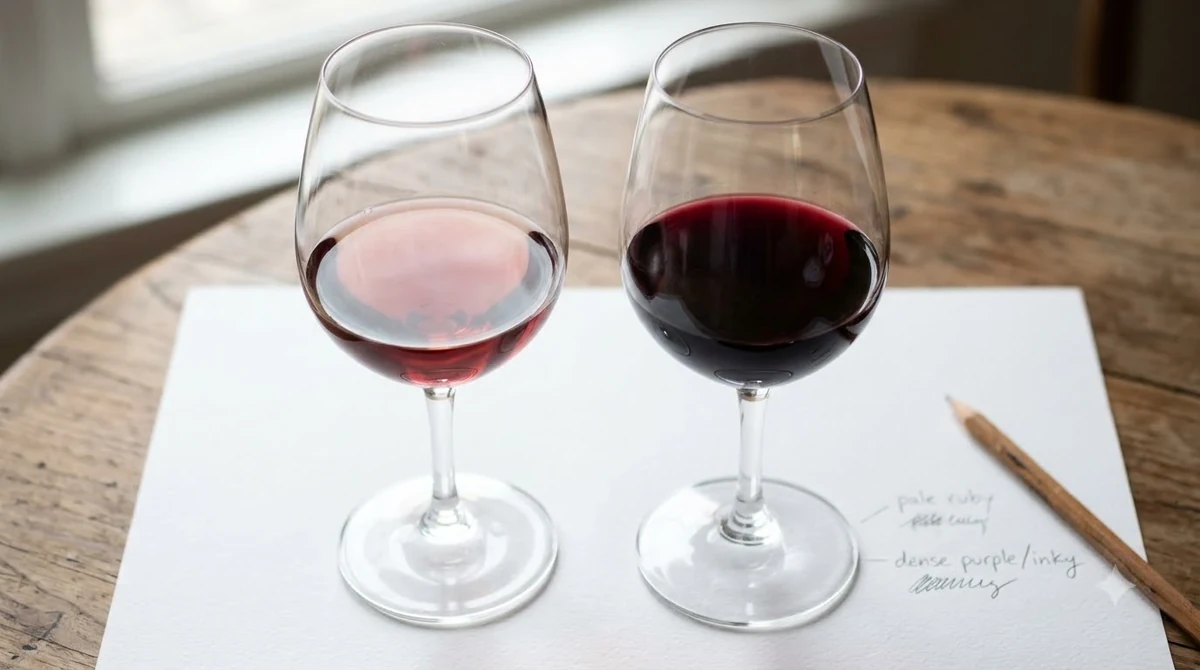
Unoaked stainless-steel bottlings represent the purest expression of the grape. Fermenting in neutral vessels locks in brisk citrus peel, white peach, and subtle herbal notes that remind many drinkers of unoaked Chablis or Loire Valley Sauvignon Blanc, minus the intense green bell pepper pyrazines. These versions finish dry, snappy, and palate-cleansing.
Barrel-fermented and lees-aged styles show a completely different side of the varietal. When winemakers ferment Seyval Blanc in oak or allow extended contact with spent yeast cells, the wine takes on rounder texture alongside hints of vanilla, toast, and biscuit. Some producers also put the wine through partial malolactic conversion to soften its sharp malic acid into a creamier mouthfeel.
Sparkling and off-dry expressions round out the category. In England and the northeastern United States, producers rely on Seyval Blanc’s naturally high acidity to craft brut-style traditional-method sparklers with fine bubbles and brioche complexity. Conversely, leaving a touch of residual sugar yields semi-dry patio sippers or late-harvest dessert wines balanced by bright citrus tension.
Where Seyval Blanc Grows
Because it thrives in short growing seasons and cold winters, Seyval Blanc flourishes across the eastern and midwestern United States, eastern Canada, and southern England. Cool temperatures preserve its signature natural acidity while allowing steady sugar accumulation.
In the United States, Seyval Blanc is a cornerstone varietal in New York’s Finger Lakes and Hudson River Region, Pennsylvania, Virginia, Ohio, and Missouri. According to the Missouri Wine and Grape Board, the grape accounts for 41.8 acres of state plantings, where warm summer days and cool nights help it ripen into a balanced, herbal-accented white. Across the northern border, Quebec and Nova Scotia rely heavily on the grape for both still whites and coastal sparkling wines.
Across the Atlantic, Seyval Blanc played a foundational role in the modern revival of English winemaking. Before classic Champagne varieties gained widespread planting in southern England, Seyval Blanc proved that British vineyards could consistently produce crisp, sparkling wines capable of aging gracefully on their lees.
How to Serve Seyval Blanc
Serve unoaked and sparkling Seyval Blanc well chilled between 38 and 45 degrees Fahrenheit to preserve its snappy citrus acidity, while slightly warmer temperatures around 45 to 50 degrees Fahrenheit allow oak-aged bottles to show their fuller texture.
Chilling stainless-steel and traditional-method sparkling bottlings near the lower end of that range keeps the brisk lemon, green apple, and mineral notes focused from the first pour to the last sip. A standard white wine glass with a medium-sized tulip bowl concentrates its delicate orchard aromas without trapping excessive chill, while a classic flute or tulip glass highlights the persistent bead in sparkling styles.
For barrel-fermented or lees-aged Seyval Blanc, pulling the bottle from the refrigerator 15 minutes before pouring makes a noticeable difference. Allowing the wine to warm toward 50 degrees Fahrenheit opens up subtle notes of toasted oak, pear, and cream while keeping the underlying acidity lively enough to refresh the palate between bites.
Tip: If you are pouring an unoaked Seyval Blanc alongside raw shellfish or a citrus-dressed salad, keep the bottle in an ice bucket between pours so warm room air does not dull its crisp mineral edge.
Seyval Blanc Food Pairing Guide
Successful seyval blanc food pairing relies on matching the wine’s brisk acidity and clean mineral finish with briny seafood, fresh herbs, tangy white cheeses, and lightly seasoned poultry. Adjusting your dish to the wine’s oak or sweetness level unlocks even broader dinner options.
Fresh seafood and shellfish sit at the top of the pairing list. Raw oysters on the half shell, steamed clams, chilled crab, and pan-seared scallops mirror the wine’s wet-stone minerality while its lemon and white grapefruit notes act like a fresh squeeze of citrus. Lean, flaky white fish such as halibut, cod, sole, and grilled trout also shine alongside unoaked bottles, especially when finished with parsley, dill, tarragon, or chives.
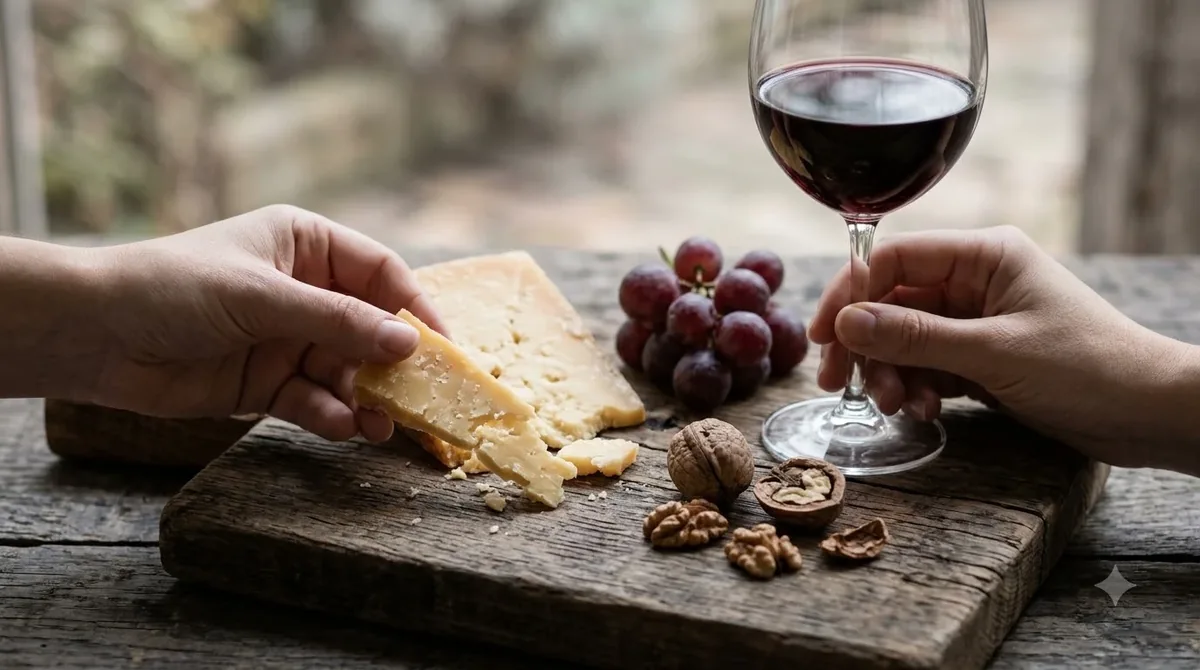
Vegetarian dishes and fresh cheeses benefit from the grape’s lively acid structure. Soft, tangy goat cheese, fresh mozzarella, feta, and creamy brie contrast cleanly against Seyval Blanc’s crisp bite. Spring and summer produce—including asparagus, zucchini, snap peas, cucumber-dill salads, and herb-dressed grain bowls—pair smoothly because the wine lacks heavy oak tannins that often clash with green vegetables. If you enjoy how pinot blanc food pairing works with delicate vegetable tarts and mild cheeses, you will find Seyval Blanc performs with similar precision.
Poultry, pork, and creamy sauces call for slightly richer styles of the wine. Grilled chicken breasts, roast turkey, and herb-rubbed pork tenderloin match effortlessly with medium-bodied dry bottlings. When the menu shifts to chicken Alfredo, white wine queso, or mushroom risotto, reach for a barrel-fermented Seyval Blanc whose fuller body and subtle oak spice stand up to dairy and butter. Meanwhile, semi-dry versions handle lightly spiced Asian dishes, sushi rolls, and fresh melon or lemon cake at the end of a meal, echoing the versatility seen in vidal blanc food pairing.
| Wine Style | Key Flavor Notes | Best Food Pairings | Serving Temp |
|---|---|---|---|
| Unoaked Dry | Lemon, green apple, wet stone, fresh herbs | Raw oysters, steamed clams, grilled white fish, goat cheese, asparagus | 38–45°F |
| Barrel-Fermented | Pear, toasted oak, vanilla, subtle cream | Roast chicken, pork tenderloin, chicken Alfredo, creamy pasta, brie | 45–50°F |
| Traditional Sparkling | White grapefruit, crisp apple, brioche, yeast | Sushi, crab cakes, fried calamari, aged white cheddar, brunch dishes | 38–45°F |
| Semi-Dry / Off-Dry | White peach, pear, citrus blossom, light sweetness | Mildly spiced Thai or Vietnamese fare, prosciutto and melon, lemon cake | 38–45°F |
How to Choose a Bottle of Seyval Blanc
Selecting the right bottle of Seyval Blanc comes down to checking the back label for oak treatment, sweetness level, and regional origin so the wine’s weight matches your meal.
Start by looking for cellar clues on the label. Terms like “stainless steel,” “unoaked,” or “crisp” signal a high-acid, citrus-driven bottle built for raw seafood, salads, and tangy cheeses. Conversely, phrases such as “barrel fermented,” “oak aged,” or “sur lie” point toward a rounder, richer white suited for cream sauces and roasted poultry, similar in weight to bottles featured in grenache blanc food pairing guides.
Next, check sweetness indicators and vintage dates. Many regional wineries include a sweetness scale on the back label ranging from dry to semi-dry; choose dry for savory main courses and semi-dry for spicy takeout or fruit-forward appetizers. According to Wine Enthusiast, most unoaked Seyval Blanc bottlings are crafted to be enjoyed young within one to three years of harvest to capture peak freshness, whereas top oak-aged or lees-aged sparkling examples can develop added complexity over three to five years.
Frequently Asked Questions
Is Seyval Blanc a dry or sweet wine?
Seyval Blanc is most commonly made as a crisp, dry white wine, though winemakers also produce semi-dry, sparkling, and late-harvest dessert styles. Because the grape naturally retains high acidity, even off-dry bottlings taste clean and refreshing rather than syrupy.
What popular wine does Seyval Blanc taste most like?
Unoaked Seyval Blanc tastes closest to unoaked Chablis, Pinot Grigio, or a restrained Loire Valley Sauvignon Blanc, offering bright lemon, green apple, and wet-stone notes without heavy tropical fruit or strong grassy aromas. Barrel-fermented versions resemble lightly oaked Chardonnay with lively citrus acidity.
Can you pair Seyval Blanc with spicy food?
Yes, a semi-dry or off-dry Seyval Blanc pairs very well with mildly spicy dishes such as Thai curry, Vietnamese spring rolls, or spicy sushi rolls. Its touch of residual sugar cools chili heat on the palate while its brisk acidity keeps each bite feeling bright and balanced.
Should Seyval Blanc be chilled before serving?
Yes, Seyval Blanc should always be served chilled to highlight its crisp fruit and mineral structure. Pour unoaked and sparkling styles between 38 and 45 degrees Fahrenheit straight from the refrigerator, and let barrel-fermented bottles warm slightly to around 45 to 50 degrees Fahrenheit for fuller aroma expression.
Whether you pick up a brisk, stainless-steel bottle for oysters on the half shell or a barrel-fermented release for creamy chicken pasta, Seyval Blanc brings reliable acidity and clean orchard fruit to the table. Keep a bottle chilled in your rotation whenever your menu calls for fresh herbs, coastal seafood, or tangy artisan cheeses.
More in Wine Types & Grapes
 What Does Mourvèdre Taste Like? Flavor Profile, Regions, and PairingsUpdated Nov 20, 2026
 What Does Marsanne Taste Like? Flavors, Styles, and Food PairingsUpdated Nov 20, 2026
 What Does Malvasia Taste Like? Styles, Flavors, and Food PairingsUpdated Nov 20, 2026
 What Does Grenache Blanc Taste Like? Flavor Profile, Styles, and PairingsUpdated Nov 20, 2026
 What Does Garnacha Taste Like? Key Flavors, Styles, and Pairing TipsUpdated Nov 20, 2026
 What Does Fruit Wine Taste Like? A Complete Flavor and Style BreakdownUpdated Nov 20, 2026