

We may earn a commission when you buy through links on this page, at no extra cost to you. Learn more.
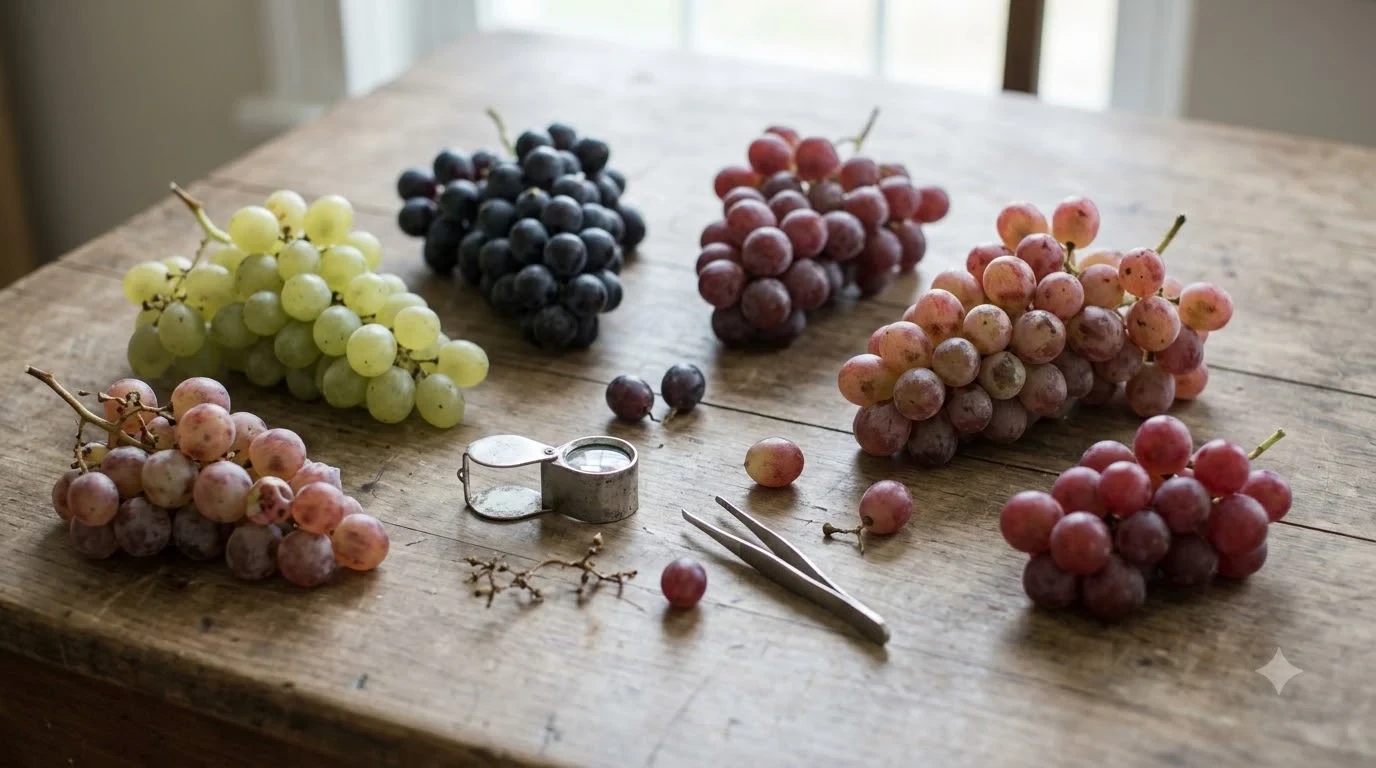
The criolla grape is part of a historic family of South American wine grapes descended from European vines introduced during the Spanish colonial period. Rather than identifying one individual variety, the name describes numerous related grapes, including Criolla Grande, Criolla Chica, and Torrontés. These varieties produce everything from light, refreshing rosés and reds to aromatic white wines, with Argentina and Chile at the center of their modern revival.
For centuries, Criolla grapes supplied much of South America’s wine industry. They were cultivated long before Malbec, Cabernet Sauvignon, and other internationally recognized varieties became prominent in the region. Although many traditional vineyards were replaced or overlooked during the twentieth century, winemakers are rediscovering their potential. Understanding the different varieties makes it easier to recognize what a bottle offers, how its flavors develop, and which styles deserve a place at the table.
What Is the Criolla Grape Family?
Criolla refers to a group of grape varieties that developed in the Americas from European vine ancestors. The family includes traditional red, pink, and white grapes, each with its own genetic identity, growing characteristics, and wine styles. It is important to distinguish this broad family name from the individual variety Criolla Grande or the specific grape Criolla Chica.
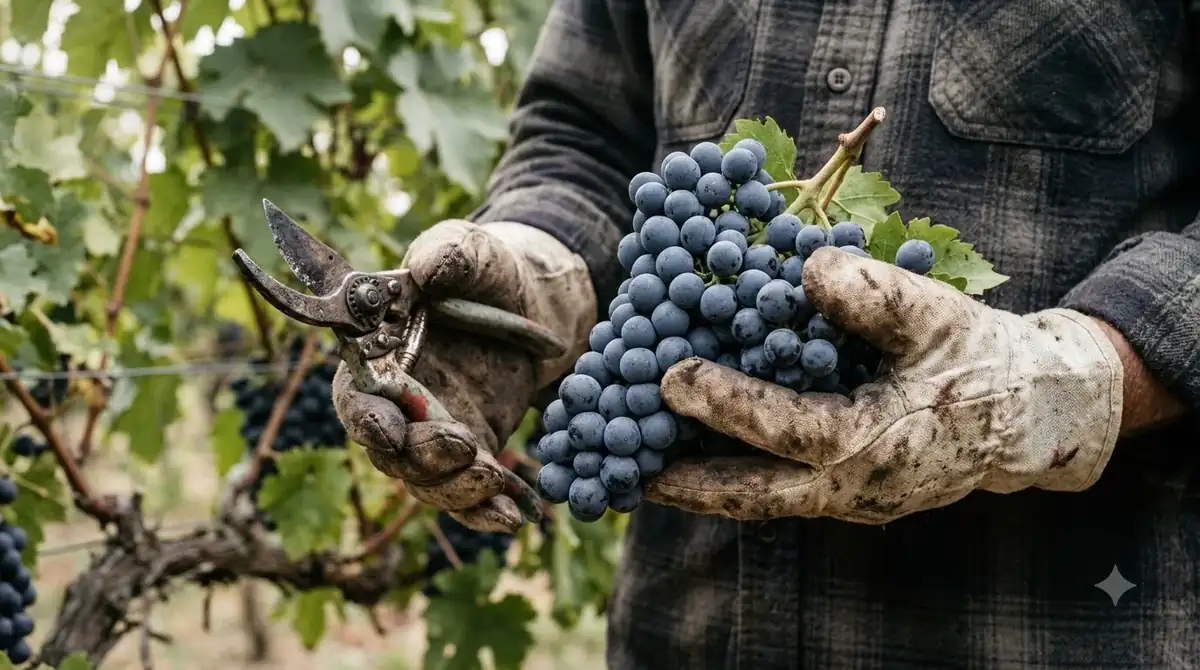
The family’s development began with European grapevines brought to the Americas by Spanish settlers. Two particularly important ancestors were Listán Prieto, a dark-skinned Spanish grape, and Muscat of Alexandria, an aromatic variety with ancient Mediterranean origins. Over generations, these vines were propagated, selected, and crossed, producing varieties adapted to South American growing conditions.
Genetic research has helped clarify the relationships between these grapes. Several important Criolla varieties descend from the two founding varieties, while others have different parentage. This explains why members of the family can look and taste quite different. A light-colored Criolla Grande wine, for example, should not be expected to resemble a red País wine simply because both belong to the same historical family.
The name also reflects the history of viticulture in the Americas. In Spanish, criollo refers to something that developed locally from European origins. In wine terminology, it became associated with grape varieties established in the New World rather than with a single European cultivar. The word therefore describes a historical and genetic relationship, not a uniform flavor profile.
Research highlighted by Decanter identifies more than 100 distinct Criolla varieties in Chile and Argentina alone. Many remain relatively unfamiliar outside their home regions, even though they have played an important role in South American agriculture for centuries. The publication’s exploration of South America’s Criolla varieties also documents the renewed interest in these historic grapes.
For readers exploring unusual grapes, Criolla is best understood alongside other traditional varieties rather than treated as a direct substitute for one internationally famous grape. Its diversity makes it an interesting category within Wine by Type, particularly for people interested in regional identity and lesser-known wine styles.
The History of Criolla Wine in South America
Criolla varieties helped establish South America’s earliest wine-growing traditions, with Listán Prieto playing a particularly important role. Their history stretches back to the sixteenth century, when Spanish settlers introduced vines to areas that now form part of Peru, Chile, and Argentina.
Listán Prieto spread widely because it could be propagated successfully across different agricultural environments. It became known by different names as it moved across the continent. Chile adopted the name País, Argentina used Criolla Chica, Peru used Negra Criolla, and the United States became familiar with the variety as Mission. These names refer to the same grape rather than separate varieties.
Historical research published in the journal Idesia describes Listán Prieto as the dominant grape of much of South American viticulture from approximately the mid-sixteenth century until the middle of the nineteenth century. During this period, it supplied grapes for wine and traditional regional beverages. Its importance extended across agricultural communities and local trade networks.
The situation changed during the nineteenth century. French grape varieties became increasingly prestigious, and growers in Argentina and Chile shifted toward varieties associated with European fine wine. Cabernet Sauvignon, Merlot, and other international grapes received greater attention from commercial wineries, agricultural institutions, and influential consumers.
The consequences were significant. Traditional País vineyards declined, and the grapes were increasingly associated with inexpensive wine production rather than carefully made bottled wines. Research by Pablo Lacoste describes this period as a long decline that continued into the late twentieth century. In Chile, historical restrictions on planting País in certain central agricultural areas further limited its development.
The renewed interest in traditional varieties began to change that perception. Growers and winemakers started paying closer attention to old vineyards, local farming knowledge, and the distinctive characteristics of their fruit. Decanter reports that the first commercial export of Chilean País wine took place in 2007, marking an important step in its international recognition.
Today, the family represents an important connection between South American wine production and its agricultural past. Rather than simply reproducing older commercial styles, modern producers are exploring vineyard-specific wines, gentle extraction, traditional fermentation vessels, and individual grape identities. The historical trajectory is examined in detail in Pablo Lacoste’s study of the rise, decline, and revival of Listán Prieto.
Major Criolla Varieties and Their Characteristics
The most useful way to understand Criolla wines is to look at the individual grapes. País, Criolla Grande, Torrontés, and Pedro Giménez each have different characteristics, and their finished wines can vary substantially in color, body, aroma, and structure.
Some varieties are primarily associated with red or rosé wines, while others are important for white wine production. The following comparison highlights five varieties that help explain the family’s diversity.
| Grape variety | Typical wine style | Main flavor characteristics | Important regions |
|---|---|---|---|
| País | Medium-bodied red | Red berries, wild herbs, flowers, bramble | Maule, Itata, Bío Bío |
| Criolla Grande | Light red and rosé | Strawberry, cherry, subtle fruit | Mendoza, San Juan |
| Torrontés Riojano | Light-bodied white | Jasmine, orange blossom, lychee, citrus | Argentina |
| Pedro Giménez | Light-bodied white | White flowers, delicate citrus | Mendoza, San Juan, Elqui |
| Moscatel de Alejandría | Medium-bodied white | Floral aromas, stone fruit, dried flowers | Chile, Peru, Bolivia |
País (Criolla Chica)
País is one of the most historically important grapes in the family. It is genetically the same variety as Listán Prieto, Criolla Chica, and Mission. Its red wines typically feature red berries, wild herbs, floral notes, and bramble. Compared with many lighter Criolla varieties, País can offer deeper color and firmer tannins.
Chile’s Maule, Itata, and Bío Bío regions are particularly associated with this variety. Old vineyards and traditional growing practices have helped establish its identity as a distinctive regional wine. Carefully handled País can have a light-bodied structure and fine tannins, making it an interesting alternative to more familiar red varieties.
Criolla Grande
Criolla Grande, also known as Sanjuanina, is an important Argentine variety. It generally produces light-colored wines with subtle strawberry and cherry flavors. Its pale appearance and relatively gentle structure make it suitable for refreshing rosés and light reds.
The grape has traditionally been cultivated in Cuyo, especially Mendoza and San Juan. Historically, it was also important for grape must and wines intended for blending. Its agricultural significance is greater than its international recognition might suggest.
Torrontés
Torrontés is an aromatic white grape with an especially strong connection to Argentina. Unlike País, it is a grape that developed in South America through natural crossing. Its ancestry includes Criolla Chica and Muscat of Alexandria.
The name covers three distinct varieties: Torrontés Riojano, Torrontés Sanjuanino, and Torrontés Mendocino. Riojano is the best-known, producing expressive wines with jasmine, orange blossom, lychee, and citrus aromas. Sanjuanino is also used for skin-contact wines, while Mendocino is less widely planted.
Pedro Giménez and Moscatel de Alejandría
Pedro Giménez is an important white grape in Argentina. Its delicate citrus and white-flower character makes it useful for lighter white wine styles. Despite its similar name, it is genetically different from Spain’s Pedro Ximénez, a distinction worth remembering when reading wine labels.
Moscatel de Alejandría, also known as Muscat of Alexandria, is one of the founding varieties of the Criolla family. It is aromatic and floral, with stone-fruit and dried-flower characteristics. In Chile, Peru, and Bolivia, it has an important historical role in both wine production and the production of pisco.
Where Criolla Grapes Grow and How They Are Cultivated
Argentina and Chile are the two most important countries for understanding the modern Criolla wine movement. Within these countries, individual regions have developed distinct traditions, shaped by climate, vineyard age, agricultural practices, and the varieties planted.
Argentina’s Cuyo Region
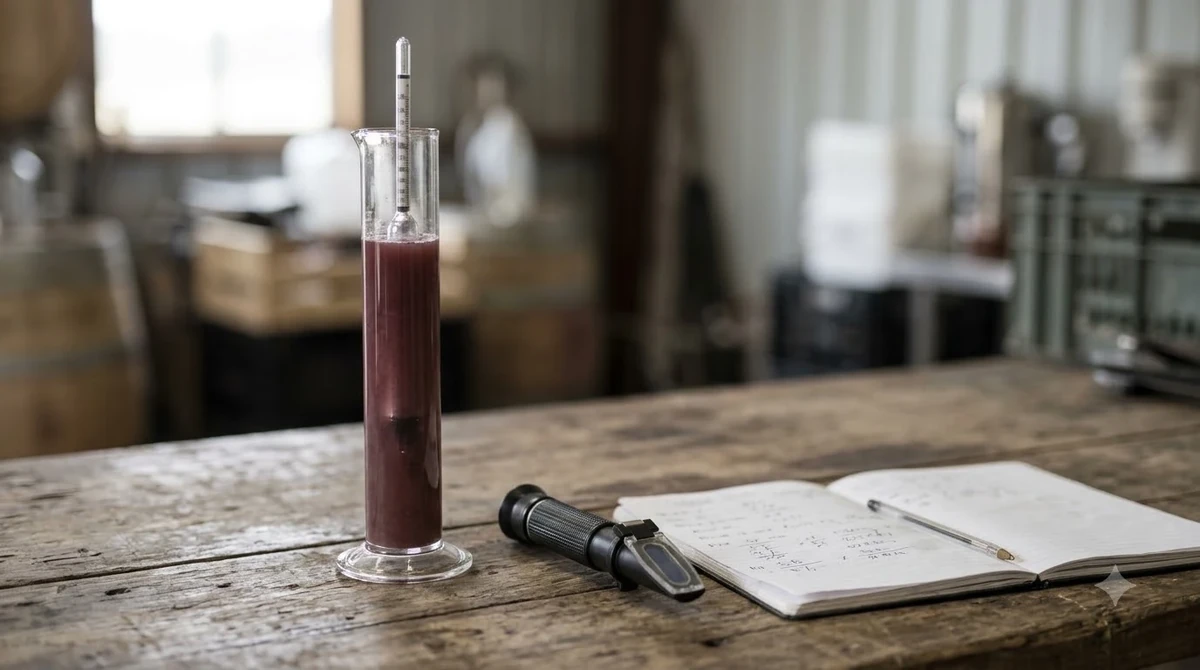
Cuyo, in west-central Argentina, is particularly important for Criolla Grande. Mendoza and San Juan are the principal growing provinces. The region’s long history of irrigation agriculture and established vineyard infrastructure helped sustain extensive plantings of traditional varieties.
Argentina’s government reported 14,040 hectares of Criolla Grande in its 2018 figures, equivalent to 6.4% of the country’s total vineyard area at that time. Mendoza accounted for 96.6% of the recorded plantings, while San Juan represented another 3.2%. These historical figures illustrate how concentrated the variety was geographically.
The same government report recorded a 43% decline in Criolla Grande vineyard area between 2000 and 2018. This contraction reflected the broader movement away from traditional high-volume grapes toward internationally recognized varieties and more specialized wine production.
Nevertheless, Criolla Grande remains an important part of Argentina’s viticultural heritage. Its fruit can be used for light red wines, rosés, and must. Some growers and winemakers are also exploring how vineyard location and harvest decisions can produce more distinctive bottled wines.
Chile’s Secano Interior
Chile’s Secano Interior is closely associated with traditional País vineyards. The broader areas of Maule, Itata, and Bío Bío are important sources of fruit, with some vineyards containing very old vines. These growing areas have helped maintain the connection between País and Chile’s rural agricultural history.
Dry-farmed vineyards are an important feature of some traditional Chilean growing areas. Rather than depending entirely on extensive irrigation systems, growers work with local rainfall patterns and established vine roots. This approach requires careful vineyard management, particularly during dry growing seasons.
Older vineyards can contain unusual planting patterns, including mixed varieties rather than neatly separated blocks of a single grape. Such field blends are also found in eastern Mendoza. The resulting wines may reflect several varieties and the agricultural traditions of a particular vineyard.
Peru and Bolivia
Peru has a long connection with Listán Prieto, particularly through the grape’s historical role in Negra Criolla wine and pisco production. Traditional vineyards also preserve varieties that have become less prominent in commercial wine markets.
Bolivia’s Cinti Valley offers another distinctive setting. Traditional vineyards may be planted alongside fruit trees and molle, or pink peppercorn trees. These mixed agricultural environments reflect a different approach to vineyard organization from the large, specialized vineyard blocks commonly associated with modern commercial production.
Across these countries, Criolla cultivation demonstrates that South American wine identity extends well beyond the most familiar commercial regions. Local varieties, old vineyard practices, and traditional farming knowledge remain important parts of the continent’s wine culture.
What Does Criolla Wine Taste Like?
There is no single Criolla flavor profile because the family includes several genetically distinct grapes. País typically produces red wines with red berries, herbs, flowers, and bramble, while Criolla Grande tends toward delicate strawberry and cherry flavors. Aromatic white varieties such as Torrontés Riojano offer a completely different experience.
For red wine drinkers, País is often the best starting point. Its fruit character can include fresh red cherry, raspberry, and wild berries, supported by herbal and floral notes. Some examples have a light-bodied structure, while others show firmer tannins and greater concentration. The final style depends on the vineyard, ripeness, extraction, and winemaking decisions.
Criolla Grande wines are generally lighter in color and body. Their subtle strawberry and cherry flavors make them appealing to people who prefer reds that do not dominate a meal. Rosé examples can offer an especially refreshing expression of the grape, with fruit-forward aromas and a relatively delicate palate.
White Criolla wines provide another dimension. Torrontés Riojano is recognized for its pronounced floral character, often combining jasmine and orange blossom with lychee and citrus. Its aromatic intensity can make it seem richer in aroma than its relatively light-bodied structure suggests.
Pedro Giménez usually offers a more restrained profile, with subtle citrus and white-flower notes. Moscatel de Alejandría is also aromatic, although some Chilean examples show earthier and more savory characteristics alongside floral and stone-fruit aromas.
Winemaking and the Influence of the Vineyard
Winemaking has a considerable influence on the finished wine. A lightly extracted País can emphasize freshness and red-fruit character, while longer skin contact may increase color, tannin, and structure. Some producers use traditional clay vessels known as tinajas, particularly in Chile, to explore texture and regional expression.
Skin-contact white wines offer another interesting approach. Varieties such as Torrontés Sanjuanino can develop additional texture and savory characteristics when fermented with their skins. This produces a style that differs from the familiar fresh, aromatic white wine associated with Torrontés Riojano.
Oak aging is not essential to understanding Criolla wines. Many examples are intended to highlight fruit, acidity, and vineyard character rather than pronounced vanilla or toasted-wood flavors. Producers may choose stainless steel, neutral vessels, clay amphorae, or carefully selected oak depending on the style they want to achieve.
For a useful comparison, think of País as a lighter, more herbal red in the broad range of styles associated with Pinot Noir, while Criolla Grande can be closer in drinking weight to an easygoing rosé or light red. These are general stylistic comparisons rather than claims that the grapes have identical flavors or structure.
Food Pairings, Serving Temperature, and Storage
Criolla wines are generally versatile at the table because many examples have moderate body, fresh fruit, and approachable structure. The best pairing depends on the specific grape and wine style: light reds work with grilled foods and poultry, aromatic whites suit seafood and vegetables, and rosés are particularly useful with casual meals.
Pairing País with Food
País works well with grilled chicken, pork, roasted vegetables, and moderately seasoned beef. Its red-fruit character and herbal notes complement charred flavors without necessarily overwhelming lighter dishes. The variety can also pair nicely with traditional South American empanadas, especially versions filled with beef, onions, or roasted vegetables.
Salt and fat soften the perception of tannin, which can help when pairing a more structured País with grilled meats. However, a lighter example should not be expected to stand up to every heavily seasoned steak preparation. Match the wine’s body to the intensity of the dish.
Pairing Criolla Grande and Rosé
Criolla Grande rosé is a natural partner for salads, grilled vegetables, chicken, seafood, and light appetizers. Its subtle red-fruit flavors work particularly well with dishes that include fresh tomatoes, herbs, and mild cheeses.
Light Criolla reds can also accompany roasted poultry, mushroom dishes, and charcuterie. If the wine has relatively little tannin, it can be served slightly cooler to emphasize freshness. Avoid pairing tannic red examples with oily fish, as the combination can produce an unpleasant metallic impression.
Pairing White Criolla Wines
Torrontés is a useful match for aromatic foods, seafood, spicy dishes, and fresh herbs. Its floral and citrus character works especially well with grilled shrimp, ceviche, chicken with citrus dressing, and dishes featuring cilantro or ginger.
For spicy food, select a version with moderate alcohol and sufficient fruit freshness. Alcohol and tannin can intensify the sensation of chili heat, so a highly alcoholic or strongly structured wine is not always the best choice. A slightly softer aromatic white can provide a more comfortable contrast.
Serving Temperatures
Serving temperature can change how a Criolla wine smells and feels. Light reds benefit from a modest chill, while aromatic whites are best served cool enough to preserve freshness without suppressing their floral aromas.
Tip: Chill light País and Criolla Grande reds to approximately 55–60°F rather than serving them at a warm room temperature. Serve rosé and lighter whites at 45–50°F, and fuller white styles at 50–55°F.
Aromatic Torrontés generally works well in the 45–50°F range. If it becomes too cold, its floral and citrus aromas may be less expressive. Allowing the wine to warm slightly in the glass can reveal additional complexity.
For storage, keep unopened bottles on their sides in a cool, dark location near 55°F when they have traditional cork closures. After opening, refrigerate still wines and aim to enjoy them within three to five days. A vacuum stopper can help slow oxidation, although delicate wines are usually most expressive shortly after opening.
How to Choose a Criolla Wine
Choosing a Criolla wine begins with identifying the actual grape variety rather than relying on the broad family name. A bottle of País, a bottle of Criolla Grande, and a bottle of Torrontés will offer very different drinking experiences, even though all are connected to the Criolla tradition.
For a red wine, País is an excellent starting point. Look for examples from Maule, Itata, or Bío Bío in Chile, particularly if you are interested in traditional vineyards and fresh, herbal flavors. These wines can be a good introduction for drinkers who enjoy lighter reds and want something different from Cabernet Sauvignon or Malbec.
If you prefer a softer and more delicate red or rosé, explore Criolla Grande from Mendoza or San Juan. The variety’s subtle strawberry and cherry character makes it suitable for relaxed meals and warmer-weather drinking. It is also an interesting choice for people who usually prefer lighter-bodied wines.
For white wine drinkers, Torrontés Riojano is one of the easiest varieties to recognize. Its floral aromas distinguish it from more restrained whites such as Pedro Giménez. Those who enjoy aromatic varieties such as Riesling or Sauvignon Blanc may find Torrontés especially appealing, although its specific acidity and flavor profile depend on the individual wine.
It can also be useful to pay attention to the producer and vineyard. Wines made from old vines or small traditional plots may offer a different expression from fruit sourced from larger commercial vineyards. Field blends can be especially interesting because they preserve the diversity of traditional plantings rather than emphasizing a single variety.
For a broader understanding of the differences between grapes and their wine styles, explore the Criolla wine category. Comparing bottles made from País and Criolla Grande is a practical way to see why the family name covers such a wide range of wines.
It is also useful to compare Criolla varieties with grapes from other wine-growing traditions. For example, Airén has a different historical and agricultural identity in Spain, while Brachetto is associated with aromatic Italian wines. These comparisons help show how grape varieties develop their own regional personalities.
For anyone new to the category, starting with one País red and one Torrontés white provides a useful contrast. The first demonstrates the family’s historic connection with red wine production, while the second shows how South American grape crossing created distinctive aromatic white varieties.
Frequently Asked Questions
Is Criolla a native South American grape?
The Criolla family developed in the Americas from European grapevine ancestors introduced during the colonial period. The original parent varieties were brought from Europe, but subsequent generations of crosses and selections produced grapes that developed their own South American identities. Whether individual varieties should be called native depends partly on how the term is defined.
Is Criolla Chica the same as Mission wine?
Yes. Criolla Chica in Argentina, País in Chile, and Mission in the United States are regional names for Listán Prieto. The grape also has the name Negra Criolla in Peru. These different names reflect the historical spread of the variety across the Americas.
Can Criolla grapes be used to make sparkling wine?
Yes, some Criolla varieties can be used in sparkling wine production, depending on the producer’s approach and the fruit’s acidity. Light-bodied varieties and early-harvested grapes can provide a useful foundation for fresh sparkling styles. However, sparkling wine is not the defining traditional expression of the Criolla family.
Is Criolla Grande the same as Cereza?
No. Criolla Grande and Cereza are separate grape varieties, although both are important traditional grapes in Argentina and are frequently associated with Cuyo. They can be cultivated together in the same vineyards, which helps explain why they sometimes appear together in discussions of historical Argentine wine production.
Does Criolla wine age well in the bottle?
Ageability depends on the individual grape, vineyard, vintage, and winemaking approach. Many light-bodied Criolla wines are intended for relatively early drinking, while more structured País wines can have greater aging potential when they possess sufficient acidity, tannin, and concentration. A producer’s recommended drinking window is useful when deciding whether to open or cellar a particular bottle.
The Criolla grape family offers an important connection to South America’s earliest wine traditions and a growing collection of distinctive modern wines. From the red-fruit character of País and Criolla Grande to the floral intensity of Torrontés, these varieties demonstrate the diversity of Argentina, Chile, and their neighboring wine regions. Exploring them is an excellent way to discover a different side of South American wine beyond its internationally famous varieties.
More in Wine Types & Grapes
 What Does Mourvèdre Taste Like? Flavor Profile, Regions, and PairingsUpdated Nov 20, 2026
 What Does Marsanne Taste Like? Flavors, Styles, and Food PairingsUpdated Nov 20, 2026
 What Does Malvasia Taste Like? Styles, Flavors, and Food PairingsUpdated Nov 20, 2026
 What Does Grenache Blanc Taste Like? Flavor Profile, Styles, and PairingsUpdated Nov 20, 2026
 What Does Garnacha Taste Like? Key Flavors, Styles, and Pairing TipsUpdated Nov 20, 2026
 What Does Fruit Wine Taste Like? A Complete Flavor and Style BreakdownUpdated Nov 20, 2026