

We may earn a commission when you buy through links on this page, at no extra cost to you. Learn more.
The niagara on the lake wine trail is a cluster of winery routes across Ontario’s Niagara-on-the-Lake appellation, where visitors can compare cool-climate whites, structured reds, sparkling wines, and Icewine in a single well-planned day. Rather than following one continuous, signed road, the experience links tasting rooms and vineyards across four sub-appellations between Lake Ontario and the Niagara River. Plan a compact route, leave room for food, and choose a driver or guided tour before the first pour.
Niagara-on-the-Lake rewards visitors who look beyond a winery checklist. Its mix of lakeshore vineyards, sunny inland plains, historic farm properties, and contemporary tasting rooms gives each stop a different reason to linger. Knowing the area’s geography and signature grapes makes it easier to choose wineries that complement one another instead of repeating the same tasting experience.
What the Niagara-on-the-Lake Wine Trail Covers
The trail is best understood as a collection of winery stops across the Niagara-on-the-Lake regional appellation, not as one fixed route with a single start and finish. The Ontario Wine Appellation Authority’s regional profile places it below the Niagara Escarpment, from the Niagara River to Lake Ontario, and identifies four sub-appellations.
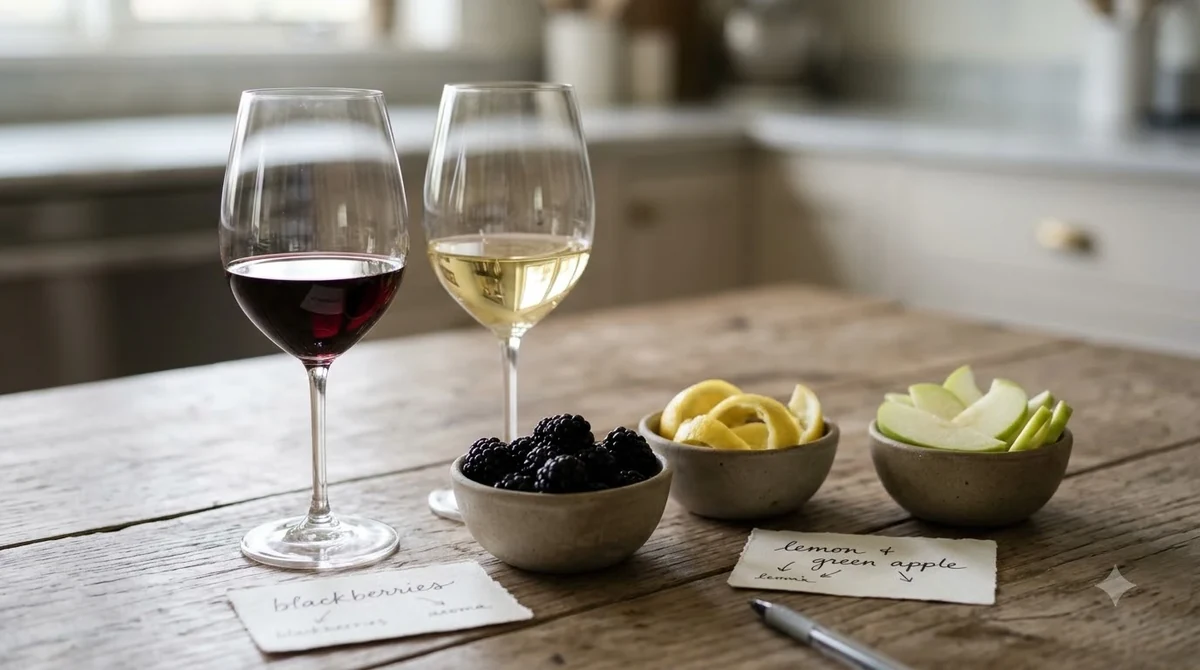
The distinction matters when mapping a day: a tasting room near Old Town may look close to another winery, while a stop farther south or west can add driving time. Local tourism lists about 40 estates and small-batch tasting rooms, while the appellation authority records 39 wineries; the counts describe slightly different listings, not a guarantee that every property accepts walk-ins.
Water and elevation shape the landscape. Lake Ontario moderates the northern edge, the Niagara River influences the east, and the Niagara Escarpment shelters parts of the inland bench. Soils range from sandy loam to red shale with silt and clay, so the region is not one uniform vineyard floor.
For a first visit, group wineries by area instead of crossing the region repeatedly. Two stops suit a half-day; three or four with lunch fit a full day. A mix of producers and wine styles teaches more than a string of rushed appointments.
Four Sub-Appellations and Their Growing Conditions
The four sub-appellations explain why wines from the same regional label can show different fruit, structure, and ripening profiles. Niagara River, Niagara Lakeshore, Four Mile Creek, and St. David’s Bench each have distinct relationships with water, soils, sunlight, and slope.
Niagara River is a narrow strip beside the river, extending inland about one kilometer between John Street and Dee Road. The VQA authority describes fine sandy soils and east-facing slopes, with river-driven air currents helping moderate temperatures and lengthen the season; it associates the area with perfumed whites and medium-bodied reds that carry bright fruit and restrained earthy tannins. Niagara Lakeshore follows Lake Ontario from the Welland Canal east to the river and extends roughly three kilometers inland. Its flatter ground, glacial and lake-deposited soils, and lake moderation support a long season that can reach late October, giving later-ripening varieties time to mature.
Four Mile Creek occupies the fertile central plain, slightly inland from the lake and below the escarpment. The regional authority describes its broad sunlight exposure, warm days, cool nights, and clay-loam soils that retain moisture through dry summer weather; its wines can show ripe tropical fruit in whites and ripe blue- or black-fruit character in reds. St. David’s Bench sits about 10 kilometers south of Lake Ontario and rises above the former Lake Iroquois Plain. Its sheltered, north-facing slopes, higher elevations of roughly 105 to 145 meters, and moisture-retaining clay soils help produce aromatic whites and more structured, concentrated reds.
These profiles are useful clues, not rigid tasting rules. A winemaker’s harvest choices, fermentation vessels, oak use, blending, and vintage conditions all shape the finished wine. Still, comparing a Niagara River Cabernet Franc with a Four Mile Creek Cabernet Franc, or a Niagara Lakeshore Riesling with one from St. David’s Bench, gives a visitor a more informed way to notice place.
Grapes and Wine Styles to Prioritize
Start with Riesling, Chardonnay, Cabernet Franc, and Merlot, then add a sparkling wine or Icewine to see the region’s wider range. The appellation authority names Chardonnay, Cabernet Franc, Merlot, Cabernet Sauvignon, and Riesling among the area’s common varieties, while producers also work with grapes such as Pinot Noir, Gamay Noir, Sauvignon Blanc, and Vidal.
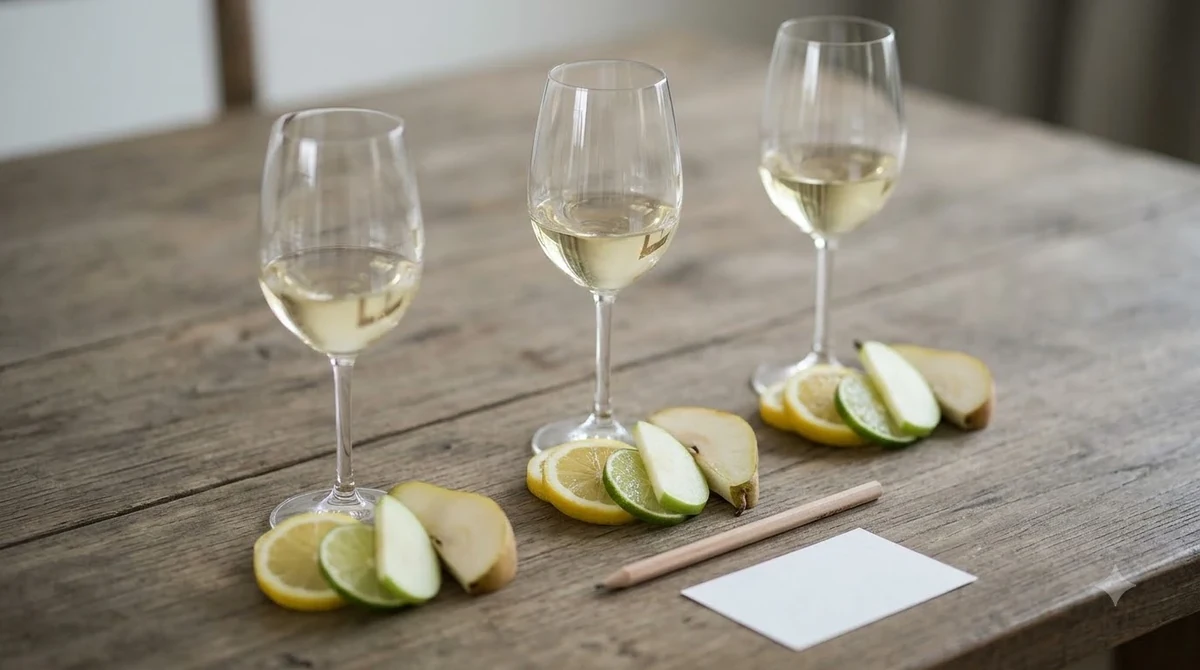
Riesling is a strong first pour because its acidity can frame citrus, orchard fruit, mineral notes, and sweetness at different levels. Chardonnay offers a useful contrast: some bottlings emphasize fresh apple and citrus, while others gain texture from barrel fermentation or lees contact. Cabernet Franc is one of the signature red grapes to compare, often bringing red or dark fruit, herbal notes, and firm but manageable structure; Merlot can provide a rounder, softer counterpoint. Cabernet Sauvignon and blends based on Bordeaux varieties offer a fuller red-wine option. Wine Enthusiast’s Niagara-on-the-Lake review archive reflects that range with a Stratus red blend based mainly on Cabernet Franc and Merlot, a Stratus Icewine Riesling, and a Reif Estate Riesling.
Sparkling wine deserves a place in the tasting plan, not just as a celebratory extra. Ontario producers use both bottle-fermented traditional methods and tank methods, so ask how a wine was made and compare the texture and flavor profile. Icewine is another regional specialty, but it is not simply a sweet late-harvest wine: VQA rules require grapes to freeze naturally on the vine and be harvested below minus 8 degrees Celsius, with juice reaching at least 35 degrees Brix.
| Wine to look for | What it can show | Serving temperature | Food idea |
|---|---|---|---|
| Riesling | Citrus, apple, floral or mineral notes; dry through sweet | 45–50°F | Lake fish, roast chicken, spicy dishes when off-dry |
| Chardonnay | Apple and citrus, with texture shaped by lees or oak | 50–55°F | Roast poultry, creamy pasta, grilled vegetables |
| Cabernet Franc | Red or dark fruit, herbs, lively acidity and structure | 55–60°F | Duck, pork, mushroom dishes |
| Merlot | Rounder fruit and softer tannin than Cabernet Sauvignon | 60–65°F | Braised beef, burgers, aged cheddar |
| Icewine | Concentrated sweetness balanced by acidity | 43–50°F | Blue cheese, fruit tart, almond desserts |
Use the table as a starting point, not a rule that every bottle must follow. Ask for a small comparison flight, taste dry before sweet, and save the most concentrated wine for later in the visit. If you want to connect the pours with vineyard geography, the niagara on the lake wine country overview can help you match a style-focused stop with a broader regional itinerary.
Tip: Taste the same grape from two different sub-appellations when a winery offers that comparison. A pair of Rieslings or Cabernet Francs is often more revealing than sampling several unrelated wines in quick succession.
How to Choose Wineries and Build a Tasting Route
Choose wineries by the experience and styles you want, then put them into a route that keeps travel time sensible. Niagara-on-the-Lake has grand tasting rooms, smaller family-run properties, vineyard patios, restaurants, and cellar experiences, so the best itinerary depends as much on pace and interests as on the wines themselves.
For a first-time visitor, consider contrasting a larger estate tasting room with a smaller producer or a winery with a strong food component. Tourism Niagara-on-the-Lake highlights AMO Estate Winery, Bella Terra Vineyards, Château des Charmes, Konzelmann Estate Winery, Ravine Vineyard Estate Winery, and Peller Estates Winery among its visitor options. These are examples to research, not a ranking: compare current tasting formats, booking requirements, available flights, accessibility, and food service before deciding which fit your day.
One useful route begins near Old Town, then continues toward Four Mile Creek for a longer vineyard visit or lunch. Another focuses on wineries near the Niagara River and Niagara Lakeshore, comparing river influence with cooler lakeshore conditions. Plot confirmed appointment times before adding spontaneous stops.
Ask which grapes are grown on the property and which sub-appellation appears on the label. Under VQA labeling rules, wine labeled with a sub-appellation such as Four Mile Creek must use grapes grown entirely within that area. Compare those site-specific bottlings with broader regional blends, and see the niagara on the lake wine tasting guide for more on tasting formats.
A practical full-day rhythm is an early tasting of two or three wines, 60 to 90 minutes at the first property, a proper lunch break, and one later appointment with a different focus. Compare Riesling and Chardonnay in the morning with Cabernet Franc or a red blend in the afternoon; save a small Icewine pour for the end if available. You do not need to taste every wine on a list to learn something useful.
Transportation, Reservations, and Tasting Pace
Plan transportation before choosing the number of winery stops, because tasting rooms are spread across a rural area and a relaxed visit should never depend on driving after drinking. Guided wine tours, private drivers, cycling tours, and bike rentals all appear among the options promoted by local tourism organizations.
A guided tour is the simplest choice for visitors who want to compare several wineries without managing the route or designating a driver. Tourism Niagara-on-the-Lake lists curated bike tours, flexible rentals, local tour operators, and a dedicated cycling map; its tour page also points visitors toward airport transportation and curated winery tours from the Toronto area. Confirm pickup points, group size, tasting inclusions, gratuities, and the amount of time spent at each stop before booking. Tour schedules can differ considerably, so do not assume that every operator visits the same wineries.
Cycling can work for confident riders on a compact itinerary, but choose the route for road conditions and weather, not the number of wineries on your wish list. Use the local cycling map, wear a helmet, carry water, and leave a generous buffer between appointments. Do not ride after drinking; arrange a sober ride or choose a guided option.
For self-driving visitors, designate a non-drinking driver and keep the schedule modest. Two or three winery appointments with a meal often make a more satisfying day than five rushed tastings. Check each winery’s policies for reservations, walk-ins, group sizes, children, pets, food, and outdoor seating. Weekends, holiday periods, and popular seasonal events can have less flexibility than a quiet weekday, and some cellar experiences are offered only at set times.
Seasonal Visits, Icewine, and Food Pairings
There is no single best season for every visitor: spring and summer favor patios and fresh whites, fall adds harvest activity and fuller reds, and winter puts Icewine in the spotlight. Each season changes the atmosphere and the kinds of experiences available, so choose travel dates around the tasting style and outdoor time you prefer.
Spring suits rosé, crisp Riesling, and lighter Chardonnay. Summer brings long days and patio tastings; book ahead for lunch and weekends. Autumn pairs harvest color with sparkling wines, Cabernet Franc, Merlot, and richer whites, though cellar work can limit tours.
Winter is closely associated with Ontario Icewine. Under VQA rules, the grapes must freeze naturally on the vine and be harvested when the air temperature is below minus 8°C; the wine is made from concentrated juice with at least 35 degrees Brix. Vidal, Riesling, and Cabernet Franc are common Icewine varieties in Ontario. The sweetness is intense, but a good Icewine also has acidity that keeps the finish from feeling flat. A small dessert pour is usually enough to understand its concentration.
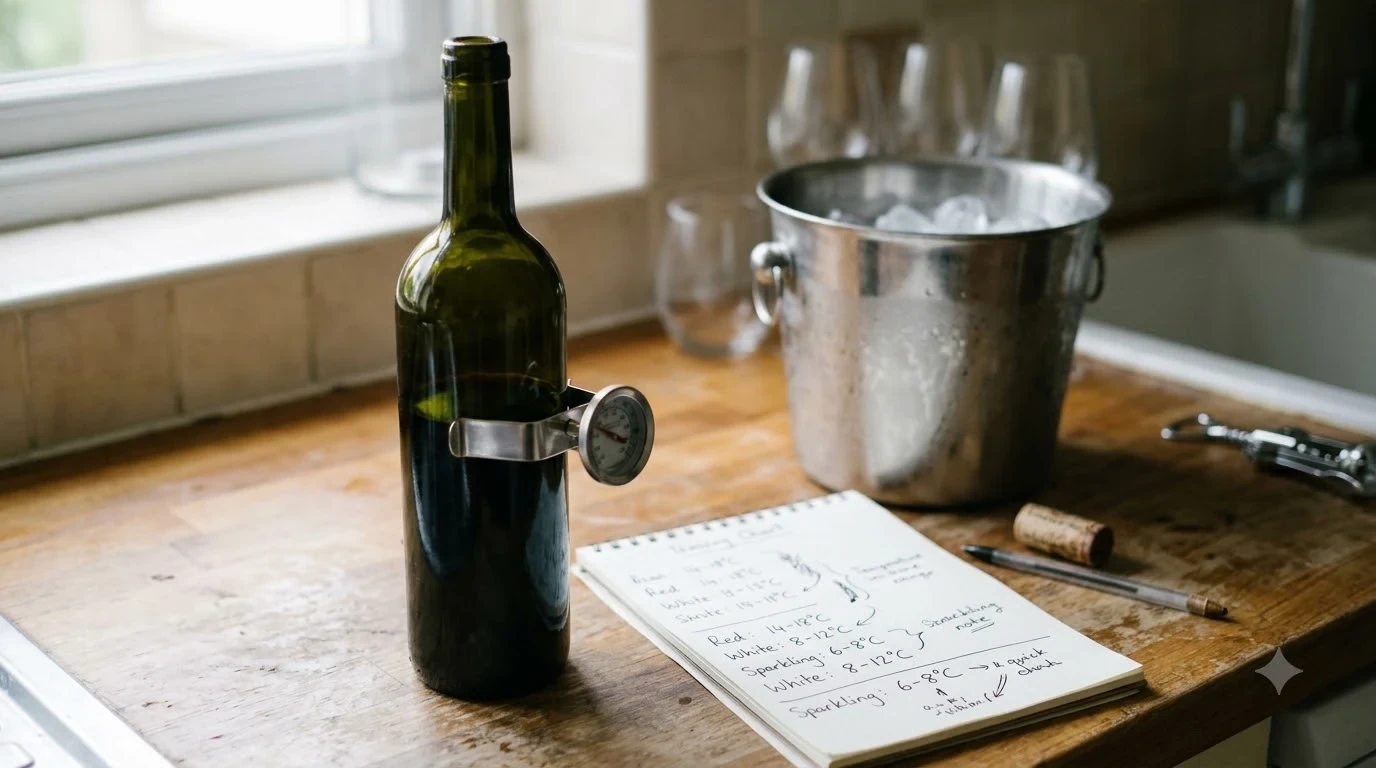
Pair wine with the dish’s balance. High-acid Riesling can stand up to tangy sauces and rich foods, while an off-dry version is often a better match for chili heat than a high-alcohol, tannic red. Cabernet Franc and Merlot suit grilled meats, braises, mushrooms, and aged cheeses; fat and salt soften tannin. Icewine should be at least as sweet as its dessert, while blue cheese offers a salty contrast. Avoid oily fish with heavily tannic reds. Serve sparkling wine around 40–50°F, light whites and rosé around 45–50°F, and light reds around 55–60°F.
The annual Icewine Festival and other winery events add another reason to plan a seasonal visit, but event dates, participating wineries, and tasting packages can change. Review the current program before booking, and use the niagara on the lake wine festival information to decide whether a festival weekend fits your preferred pace. If you are visiting during a busy period, reserve transportation and any special tastings before finalizing the rest of the day.
Frequently Asked Questions
These answers clarify the region’s appellation status, local transportation, wine labeling, and Icewine rules.
Is Niagara-on-the-Lake the same wine region as the Niagara Peninsula?
No. Niagara-on-the-Lake is one regional appellation within the larger Niagara Peninsula. Niagara Escarpment and West Niagara are also distinct regional appellations, so a bottle labeled Niagara Peninsula may come from outside Niagara-on-the-Lake.
Can visitors walk between winery tasting rooms?
The wider region is not a continuous pedestrian route, although a few individual stops are close together. Decanter notes that Stratus and Stone Eagle sit across the street from one another, about a five-minute drive from town.
What does VQA on a Niagara wine label mean?
VQA stands for Vintners Quality Alliance, Ontario’s appellation and wine-certification system. It is a certification mark, not a grape or wine style; the growing area is declared separately on the front label.
Is Icewine always made from Vidal grapes?
No. Vidal is especially associated with Ontario Icewine, but Riesling and Cabernet Franc are also common choices. VQA rules allow a wine to be made from one or more approved varieties, provided every grape meets the natural-freezing requirements.
How far is Niagara-on-the-Lake from Toronto?
Decanter’s Niagara travel guide describes the region as roughly 90 minutes from Toronto, but the actual trip depends on the starting point, traffic, and winery location. Allow extra time on weekends and avoid scheduling a tasting immediately after an airport arrival.
The Niagara-on-the-Lake wine trail is most rewarding when the itinerary has a clear theme: compare a pair of sub-appellation wines, focus on a favorite grape, or build the day around a vineyard lunch and a final Icewine pour. Keep the schedule manageable, use a safe transportation plan, and leave time to enjoy the landscape as well as the glass.
More in Wine Regions
 Willcox Wine Trail: Discover Arizona’s High-Elevation Wine CountryUpdated Nov 20, 2026
 Yakima Valley Wine Region: Find the Best Styles to TryUpdated Nov 20, 2026
 Vosne Romanee Wine Tasting: Identify Aromas and Choose Better PairingsUpdated Nov 20, 2026
 Yakima Valley Wine Festival: Find the Best Seasonal Wine EventsUpdated Nov 20, 2026
 Wales Vineyards: Discover Cool-Climate Wines and Where to VisitUpdated Nov 20, 2026
 Yountville Wine Festival: Discover Napa Wines and Local FoodUpdated Nov 20, 2026