

We may earn a commission when you buy through links on this page, at no extra cost to you. Learn more.
The Maremma wine region is a diverse wine-producing area in southern Tuscany, Italy, known for Sangiovese-based Morellino di Scansano, aromatic Vermentino, and expressive red blends. Stretching across the province of Grosseto, Maremma combines Mediterranean coastal influences, rolling hills, volcanic soils, and a broad selection of native and international grape varieties. Its wines range from fresh, approachable whites to structured reds suited to several years of aging.
Southern Tuscany offers a different perspective on Italian wine from the better-known vineyards around Chianti and Montalcino. Maremma has a warmer coastal setting, varied elevations, and a wine culture that brings traditional Tuscan grapes together with international varieties. Understanding its principal appellations, grape varieties, and subregions makes it easier to choose bottles that reflect this distinctive part of Italy.
Where Maremma Is Located and What Makes Its Terroir Distinctive
Maremma is a broad historical and geographical area in southwestern Tuscany, with its wine identity centered on the province of Grosseto. Its combination of Mediterranean weather, varied elevations, and different soil types produces wines with a wider range of styles than a single grape or appellation can represent.
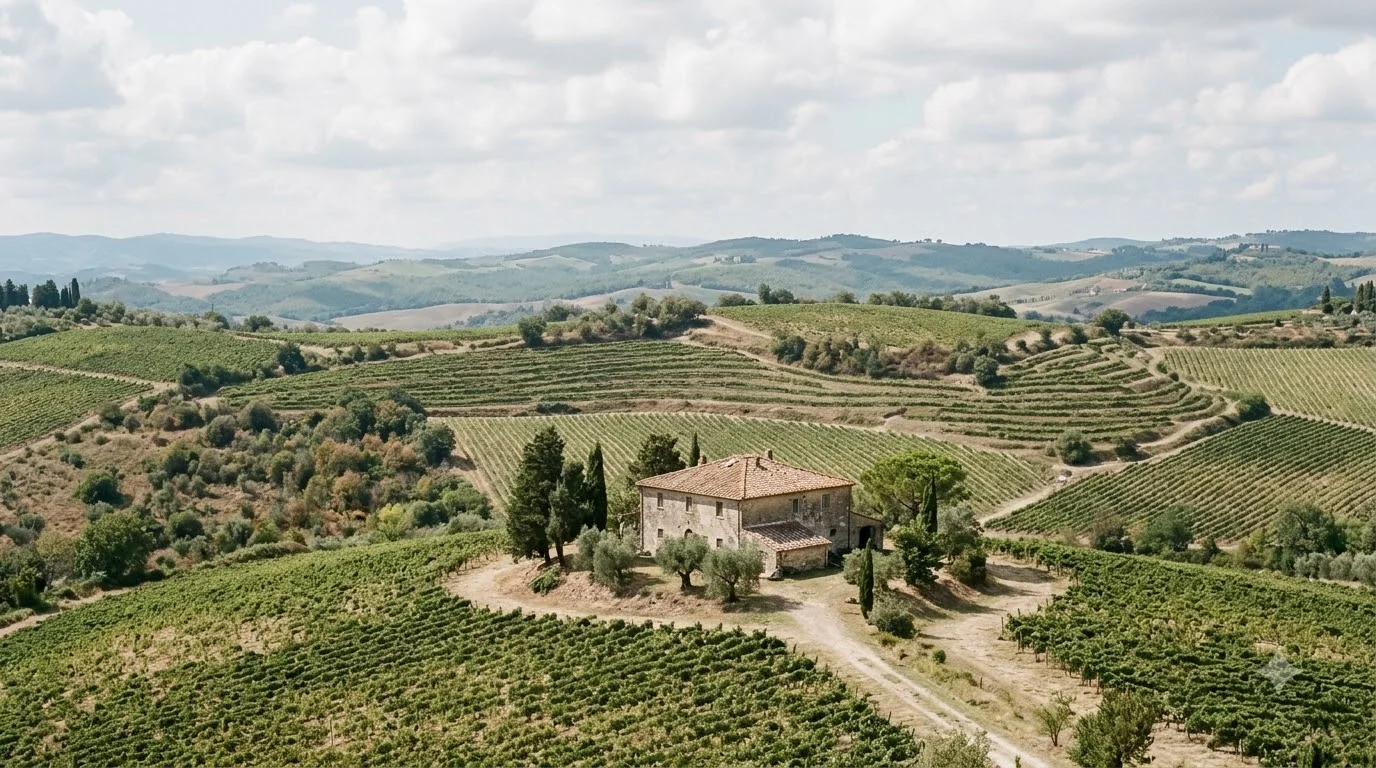
The Maremma Toscana DOC covers approximately 4,500 square kilometers, according to the Consorzio Tutela Vini della Maremma Toscana. Its vineyard landscape extends from the slopes of Mount Amiata toward the Tyrrhenian coast, Argentario peninsula, and Giglio Island. The regional consortium identifies approximately 8,770 hectares of vineyards within this geographical area. Its official overview of Maremma’s terroir and grape varieties provides further geographical detail.
Several geographical features help explain the differences between individual wines. Inland vineyards occupy rolling hills and foothills, while the northeastern landscape rises toward Mount Amiata, a long-dormant volcano. Farther east, around Pitigliano and Sorano, vineyards grow in areas characterized by volcanic soils and distinctive tuff-stone formations. Along the coast, clay-rich soils and maritime influences contribute another dimension to the region’s viticulture.
The climate is predominantly Mediterranean, with moderate rainfall, relatively dry summers, and regular ventilation. According to the European Union’s geographical description of the appellation, deep soils and good drainage support vine development. Warm growing conditions encourage ripe fruit, while coastal breezes help moderate vineyard temperatures.
Giglio Island and the Argentario peninsula provide particularly distinctive vineyard settings. Some island vineyards occupy narrow terraces above the sea, where the terrain limits the amount of land available for cultivation. Traditional stone structures called palmetti remain in some vineyard areas, reflecting older methods of handling grapes before they were transported to cellars.
These geographical differences matter when selecting a bottle. A coastal Vermentino may emphasize freshness and aromatic character, while a red from warmer inland hills can show fuller fruit and more substantial structure. Wines from volcanic surroundings can offer another expression of the region, making the place of origin an important consideration beyond the grape name.
The Main Grapes Grown in Maremma
Maremma grows both traditional Tuscan varieties and international grapes, giving its wines an unusually broad stylistic range. Sangiovese remains an important reference point, but Vermentino, Ciliegiolo, Ansonica, Cabernet Sauvignon, Merlot, and Syrah also contribute to the area’s identity.
Sangiovese is the essential red grape for understanding southern Tuscan wine. It provides acidity, red-fruit flavors, and tannin, with expressions ranging from approachable everyday reds to more concentrated wines intended for aging. In Morellino di Scansano, the grape is locally called Morellino and forms at least 85% of the blend.
Ciliegiolo is another traditional red variety worth recognizing. Its name is associated with cherry, an appropriate reference to the fresh red-fruit character frequently associated with the grape. It can produce approachable wines on its own or contribute fruit and balance to regional blends. Alicante, also known as Grenache, offers another red-wine option, while Pugnitello represents a less widely encountered native Tuscan variety.
International varieties have become increasingly important. Cabernet Sauvignon and Cabernet Franc provide darker fruit and firmer tannins, while Merlot generally offers softer texture and rounded fruit. Syrah contributes spice and dark-fruit character. Petit Verdot can add color, concentration, and structure when included in blends.
White wines offer a different picture. Vermentino is particularly important in coastal Maremma, where it produces aromatic wines with refreshing acidity. Ansonica, also known as Inzolia, is another traditional white grape, while Trebbiano Toscano contributes to regional white blends. Chardonnay, Sauvignon Blanc, and Viognier provide additional stylistic choices.
| Grape variety | Color | Typical wine character | Common use |
|---|---|---|---|
| Sangiovese | Red | Red cherry, acidity, tannin | Morellino and red blends |
| Ciliegiolo | Red | Fresh cherry and soft fruit | Varietal wines and blends |
| Cabernet Sauvignon | Red | Dark fruit and firm tannin | Varietal wines and blends |
| Merlot | Red | Plum and softer tannin | Varietal wines and blends |
| Syrah | Red | Dark fruit and pepper | Varietal wines and blends |
| Vermentino | White | Citrus, herbs, refreshing acidity | Coastal white wines |
| Ansonica | White | Ripe fruit and Mediterranean character | Varietal wines and blends |
| Viognier | White | Floral aromas and stone fruit | Varietal wines and blends |
The regional wine consortium describes Maremma as a place where native and international grapes coexist, with the result being a broad selection of single-variety wines and blends. This diversity is particularly useful for wine drinkers who enjoy Tuscan food but want alternatives to traditional Sangiovese-based bottles.
For a broader understanding of how grape varieties and geographical conditions shape European wines, the Wine Regions resource provides useful context. Comparing Maremma with the Savoie wine region also illustrates how dramatically climate and geography can influence wine styles within the same country or neighboring regions.
Important Maremma Appellations and Their Differences
Maremma contains several wine appellations, each with its own geographical boundaries and production requirements. The most useful starting points are Maremma Toscana DOC and Morellino di Scansano DOCG, which represent two different approaches to expressing southern Tuscan wine.

Maremma Toscana DOC
Maremma Toscana DOC is the broad regional denomination covering the province of Grosseto. Established in September 2011, it recognizes the area’s wide range of grape varieties and wine styles. Producers can make red, white, rosato, sparkling, sweet, and late-harvest wines under the denomination when they meet the applicable production requirements.
The denomination includes wines identified by grape variety, including Vermentino, Ansonica, Chardonnay, Sauvignon, Trebbiano, Viognier, Sangiovese, Ciliegiolo, Merlot, Syrah, and Cabernet. These labels can help consumers identify the principal grape in the bottle rather than relying only on the geographical name.
White wines often emphasize freshness and aromatic character, while reds range from relatively accessible young bottlings to more concentrated blends. Rosato provides another option, frequently drawing on red varieties such as Sangiovese, Ciliegiolo, Syrah, and Alicante.
Morellino di Scansano DOCG
Morellino di Scansano is one of Maremma’s best-known red wines. It comes from the hills around Scansano and Grosseto, in an area associated with the Ombrone and Albegna rivers. The denomination received DOCG status in 2006.
Sangiovese must account for 85% to 100% of the wine, with permitted complementary red grapes making up the remaining portion. The result is a recognizable Tuscan red with ruby color, dry flavor, and a combination of fruit, acidity, and tannin.
According to Visit Tuscany, the standard wine has a minimum alcohol content of 12.5%. Morellino di Scansano Riserva has stricter aging requirements: at least two years of maturation after January 1 of the harvest year, including at least one year in wooden casks, and a minimum alcohol content of 13%.
Other regional wine identities
Maremma’s broader wine landscape includes other denominations and local wine identities. Montecucco, for example, occupies an area near the inland hills and offers another Tuscan expression of Sangiovese. Ansonica Costa dell’Argentario represents the importance of white-wine production around the coastal peninsula and its islands.
These names are useful because they provide more geographical information than the broad Maremma designation alone. A consumer comparing bottles can start with the appellation, identify the main grape, and then consider whether the wine comes from a coastal, inland, or elevated vineyard area.
The key distinction is that Maremma Toscana DOC is a broad denomination, while Morellino di Scansano DOCG is a more narrowly defined wine with specific Sangiovese requirements. Neither name should be treated as interchangeable with the other, even though both belong to the same wider southern Tuscan wine landscape.
What Maremma Wines Taste Like
Maremma wines vary considerably, but ripe fruit, Mediterranean herbs, and a balance between richness and freshness are useful characteristics to look for. The grape variety and production method usually provide the clearest clues to the style in the glass.
Red wines
Morellino di Scansano commonly shows red cherry, plum, dried herbs, and earthy notes. Its acidity gives the wine freshness, while Sangiovese contributes moderate to firm tannin. Younger examples tend to emphasize fruit and drinkability, whereas Riserva bottlings generally offer more developed flavors and additional structure from maturation.
Cabernet Sauvignon-based wines typically show darker fruit, firmer tannins, and a fuller structure. Merlot-based wines are generally softer, with plum and black-cherry flavors. Syrah can introduce pepper, dark berries, and savory notes. Blends bring these characteristics together, sometimes with Sangiovese adding freshness and a recognizable Tuscan profile.
Ciliegiolo-based wines can be particularly approachable, especially when producers prioritize fresh fruit rather than extended maturation. Their cherry-driven character makes them useful alternatives for people who enjoy lighter, fruit-forward reds.
White wines
Vermentino is one of the most useful varieties for understanding coastal Maremma. Typical examples show lemon, grapefruit, fresh herbs, and occasionally a subtle saline impression. The wines often have enough acidity to accompany seafood and vegetable dishes without overwhelming delicate ingredients.
Ansonica can offer a rounder impression, with ripe citrus, orchard fruit, and Mediterranean herbal notes. Trebbiano-based wines generally provide a lighter, straightforward style, while Sauvignon Blanc can deliver more pronounced citrus and herbal aromas.
Chardonnay offers a different direction. Depending on the producer’s winemaking choices, it can be fresh and restrained or fuller in texture with more developed fruit. Viognier is often more aromatic, with floral notes and flavors associated with peach and apricot.
Rosato and sweet wines
Maremma rosato provides a middle ground between the region’s reds and whites. Depending on the grape combination, these wines can show red berries, citrus, and refreshing acidity. Sangiovese and Ciliegiolo are among the varieties used in local rosato production.
The appellation also permits sweet and late-harvest styles, including Vin Santo and passito wines. These bottles provide a different expression of the region’s grapes and are often suited to dessert or mature cheeses. Their sweetness makes them particularly useful at the end of a meal.
Overall, Maremma should not be reduced to one flavor profile. A Sangiovese Riserva, a coastal Vermentino, and a Cabernet Sauvignon blend can taste very different despite sharing a regional identity.
Food Pairings for Maremma Wine
Maremma wines work especially well with Mediterranean food, including grilled meats, seafood, rustic soups, vegetables, and dishes prepared with olive oil and herbs. Matching the intensity, acidity, and tannin of the wine to the food makes these combinations more successful.
Morellino di Scansano is a natural partner for traditional Tuscan cooking. Young examples pair well with tomato-based pasta, roasted vegetables, grilled sausages, and simple meat dishes. The wine’s acidity works particularly well with tomato sauce, while its tannin complements the richness of grilled meat.
Morellino Riserva is better suited to dishes with deeper flavors. Roasted lamb, beef, game, and slow-cooked wild boar provide enough richness to match its greater structure. Visit Tuscany specifically identifies local specialties such as acquacotta, boar scottiglia, and maiale ubriaco as suitable companions. Its Morellino di Scansano wine profile and pairing recommendations offer further examples of traditional local combinations.
Cabernet-based Maremma reds are useful with grilled steak, braised beef, and lamb. Their firmer tannins work with protein and fat, which soften the wine’s drying sensation. Merlot-based wines can accompany meatballs, mushroom pasta, and roasted pork, while Syrah works with pepper-seasoned meats and grilled vegetables.
For white wines, Vermentino is an excellent choice with grilled fish, shellfish, calamari, and seafood pasta. Its acidity refreshes the palate after oily or olive-oil-rich preparations. It also complements zucchini, asparagus, and fresh herb dishes.
Ansonica pairs well with seafood risotto, baked white fish, and vegetable antipasti. Chardonnay can accompany roasted chicken, creamy pasta, and grilled poultry. More aromatic Viognier is suitable for dishes featuring herbs, mildly spiced vegetables, or richer white meats.
Rosato is a flexible choice for pizza, grilled vegetables, cold cuts, and outdoor meals. Its fruit character and refreshing acidity allow it to work across several courses without the weight of a substantial red.
Tip: Match Morellino with roasted meats and tomato-based dishes, but choose Vermentino for seafood and lighter coastal cooking. If a dish contains considerable chili heat, avoid high-alcohol, tannic reds because both alcohol and tannin can make the heat feel stronger.
Cheese pairings also depend on the wine’s structure. Young Sangiovese can work with medium-aged pecorino, while a more concentrated Riserva can accompany aged sheep’s-milk cheeses. Fresh goat cheese is generally easier to pair with crisp Vermentino than with a heavily tannic red.
For additional inspiration, compare the food traditions of Maremma with those of the Switzerland wine region, where alpine conditions and local specialties create a different set of wine-pairing possibilities.
How to Choose, Serve, and Store Maremma Wines
The best way to choose a Maremma wine is to start with the grape, appellation, and intended occasion. A fresh Vermentino suits a casual seafood meal, while a structured Morellino Riserva or Cabernet blend is more appropriate for substantial meat dishes.
Choosing the right bottle
For a first purchase, Morellino di Scansano is a good introduction to traditional Maremma red wine. Its Sangiovese foundation provides a familiar Tuscan profile, with red fruit, acidity, and enough tannin for food. A younger bottling is generally the more versatile option for everyday meals.
Choose Morellino Riserva when a more mature and structured red is preferred. The two-year aging requirement and minimum one-year period in wooden casks distinguish this category from the standard version. It is particularly suitable for roasted meat and richer dishes.
For white wine, start with Vermentino. It is a useful choice for people who enjoy aromatic, dry whites with noticeable acidity. Ansonica offers another regional style, while Chardonnay and Viognier provide alternatives for drinkers who prefer fuller textures or more pronounced floral aromas.
For consumers interested in international varieties, Cabernet Sauvignon and Merlot are sensible starting points. These grapes make Maremma particularly interesting for people who enjoy Bordeaux-style varieties but want to explore how they perform in a Mediterranean Tuscan climate.
Serving temperatures
Serving temperature can change how a wine’s aromas, acidity, and tannins are perceived. Maremma whites generally benefit from cooler temperatures, while structured reds are best served slightly below typical room temperature.
- Vermentino and other light whites: 45–50°F.
- Fuller Chardonnay: 50–55°F.
- Rosato: 45–50°F.
- Young, lighter reds: 55–60°F.
- Morellino Riserva and fuller red blends: 60–65°F.
A standard serving is approximately 5 ounces, and a 750-milliliter bottle provides about five glasses. Use a glass with enough room for the wine to release its aromas, particularly for structured reds and aromatic whites.
Decanting and storage
Young, full-bodied red wines may benefit from 30 to 60 minutes of decanting before serving. This can help soften the initial impression of tannin and allow the wine’s aromas to develop. Lighter Morellino and most Vermentino generally do not require extended decanting.
Store unopened bottles on their sides when they have natural cork closures, in a cool and relatively stable environment near 55°F. Protect wine from direct sunlight, strong temperature fluctuations, and unnecessary vibration.
Once opened, refrigerate the bottle and use a suitable closure. Most still wines remain enjoyable for approximately three to five days, although their aromas and freshness can gradually change. Sparkling wines generally keep for one to three days when properly sealed and refrigerated.
There is no need to save every Maremma red for extended aging. Many wines are made for relatively early enjoyment, while selected Riserva bottlings and structured blends may develop additional complexity over several years. Producer, vintage conditions, grape composition, and storage quality all influence how successfully a wine ages.
Frequently Asked Questions
What does the name Maremma mean?
The name refers to a historical geographical area extending along the southern Tuscan coast and into parts of neighboring Lazio. The landscape historically included extensive marshlands, particularly before major drainage and land-reclamation projects. Its identity today combines coastal settlements, agricultural areas, nature reserves, and vineyard country.
Is Maremma wine considered Super Tuscan?
Not every Maremma wine is a Super Tuscan. The term is an informal category associated with innovative Tuscan wines, particularly those that use international varieties or depart from traditional appellation conventions. Some internationally styled Maremma reds fit that description, but Morellino di Scansano and Maremma Toscana DOC wines remain distinct regulated categories.
What is the Italian pronunciation of Maremma?
Maremma is pronounced approximately mah-REM-mah, with the emphasis on the second syllable. The double consonant in the final part of the name is held slightly longer in Italian pronunciation. The word is commonly used for both the geographical area and its wine-producing identity.
Does Maremma produce organic wines?
Yes, organic viticulture is practiced by producers in the area, alongside integrated vineyard management. The regional consortium describes initiatives involving organic fertilizers, cover crops, erosion control, and reduced-impact vineyard protection. Organic certification is producer-specific rather than an automatic requirement of the Maremma Toscana DOC.
What is the difference between Maremma and the Maremma Toscana DOC production area?
Maremma is a broader geographical and historical territory that extends beyond the boundaries of an individual wine denomination. Maremma Toscana DOC has a legally defined production area covering the province of Grosseto. The distinction matters because a wine can come from the wider Maremma landscape without necessarily qualifying for the Maremma Toscana DOC designation.
The Maremma wine region deserves attention for its combination of traditional Sangiovese wines, distinctive coastal whites, and modern red blends. Start with Morellino di Scansano for a classic Tuscan experience, then explore Vermentino, Ansonica, and international varieties to appreciate the region’s wider character. Its varied landscapes and food-friendly wines make southern Tuscany an especially rewarding area to explore.
More in Wine Regions
 Willcox Wine Trail: Discover Arizona’s High-Elevation Wine CountryUpdated Nov 20, 2026
 Yakima Valley Wine Region: Find the Best Styles to TryUpdated Nov 20, 2026
 Vosne Romanee Wine Tasting: Identify Aromas and Choose Better PairingsUpdated Nov 20, 2026
 Yakima Valley Wine Festival: Find the Best Seasonal Wine EventsUpdated Nov 20, 2026
 Wales Vineyards: Discover Cool-Climate Wines and Where to VisitUpdated Nov 20, 2026
 Yountville Wine Festival: Discover Napa Wines and Local FoodUpdated Nov 20, 2026