

We may earn a commission when you buy through links on this page, at no extra cost to you. Learn more.
The la mancha wine region is a vast wine-producing area in central Spain, best known for its native Airén white grape, Tempranillo-based reds, sunny continental climate, and exceptional diversity of wine styles. Located across four provinces in Castilla-La Mancha, this historic appellation produces everything from fresh everyday whites to oak-aged reds and traditional-method sparkling wines. Understanding its principal grapes, aging classifications, and growing conditions makes it easier to recognize the styles worth exploring.
La Mancha has a much broader wine identity than its reputation for inexpensive Spanish table wine might suggest. Its immense vineyards, limestone-rich soils, and dry climate support a wide range of grape varieties, while modern winemaking has encouraged producers to develop more distinctive expressions of both indigenous and international grapes. Whether you prefer fresh white wine, fruity rosé, structured red wine, or sparkling wine, this part of Spain offers several styles to discover.
Where La Mancha Is Located and What Makes Its Climate Distinctive
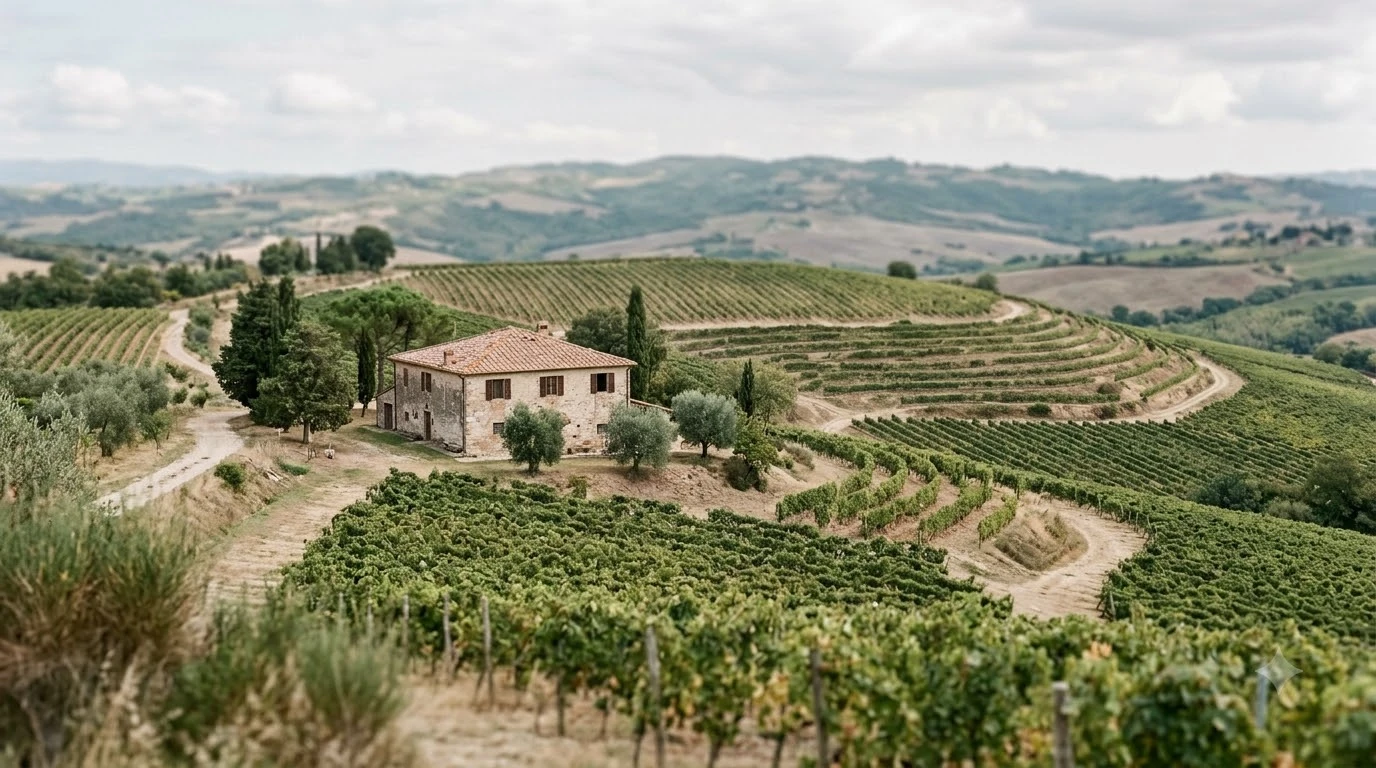
La Mancha occupies a large section of the Castilla-La Mancha autonomous community in central Spain. Its combination of high elevation, dry weather, abundant sunshine, and continental temperature extremes has a major influence on the grapes grown there and the wines produced from them.
The Denomination of Origin, commonly abbreviated as DO La Mancha, encompasses 182 municipalities distributed across four provinces: Albacete, Ciudad Real, Cuenca, and Toledo. The geographical designation was officially recognized in September 1932, placing it among Spain’s oldest appellations. The Regulatory Council subsequently developed its own identity in 1973, and the first formal regulations received approval in 1976. These institutions help define which vineyards and wines qualify for the appellation.
The region lies on the elevated Central Plateau of the Iberian Peninsula. Much of the landscape consists of open plains, agricultural fields, vineyards, and small towns. Vineyard elevations commonly range from approximately 600 to 800 meters, according to Spain’s official tourism website. This elevation matters because it contributes to temperature differences between daytime and nighttime conditions, even during the hot growing season.
La Mancha experiences a continental climate, characterized by hot, dry summers and cold winters. Summer temperatures can become intense, while winter conditions can bring substantial cold. Rainfall is limited, generally falling around 300 to 400 millimeters annually, although individual areas vary. The region also receives approximately 3,000 hours of sunshine each year.
These conditions influence grape development in several ways. Abundant sunshine encourages ripening, while dry weather limits the availability of natural moisture. Growers must pay close attention to water management, vineyard exposure, and harvest timing. Excessive heat can cause grapes to accumulate sugar quickly, potentially resulting in higher alcohol levels and reduced freshness if harvesting is delayed.
Soils are another important part of the regional identity. Much of La Mancha has reddish-brown earth derived from Miocene sedimentation, with limestone, marl, and sand among its principal components. Limestone-rich ground can support structured reds, while sandy and calcareous combinations influence drainage and vine growth. Soil conditions differ across the appellation, so wines from separate vineyards should not automatically be expected to taste identical.
The contrast between the broad, dry landscape and the variety of wines produced is one of the region’s most interesting characteristics. La Mancha’s reputation was historically associated with large-scale production, but its geographical size also allows growers to work with different grape varieties, vineyard conditions, and production methods.
For a closer look at individual growing areas and vineyard characteristics, explore our guide to La Mancha vineyards.
Airén, Tempranillo, and the Main Grape Varieties
Airén and Tempranillo are the two essential starting points for understanding La Mancha. Airén defines much of the region’s white-wine history, while Tempranillo, locally called Cencibel, forms the foundation of its traditional red-wine identity.
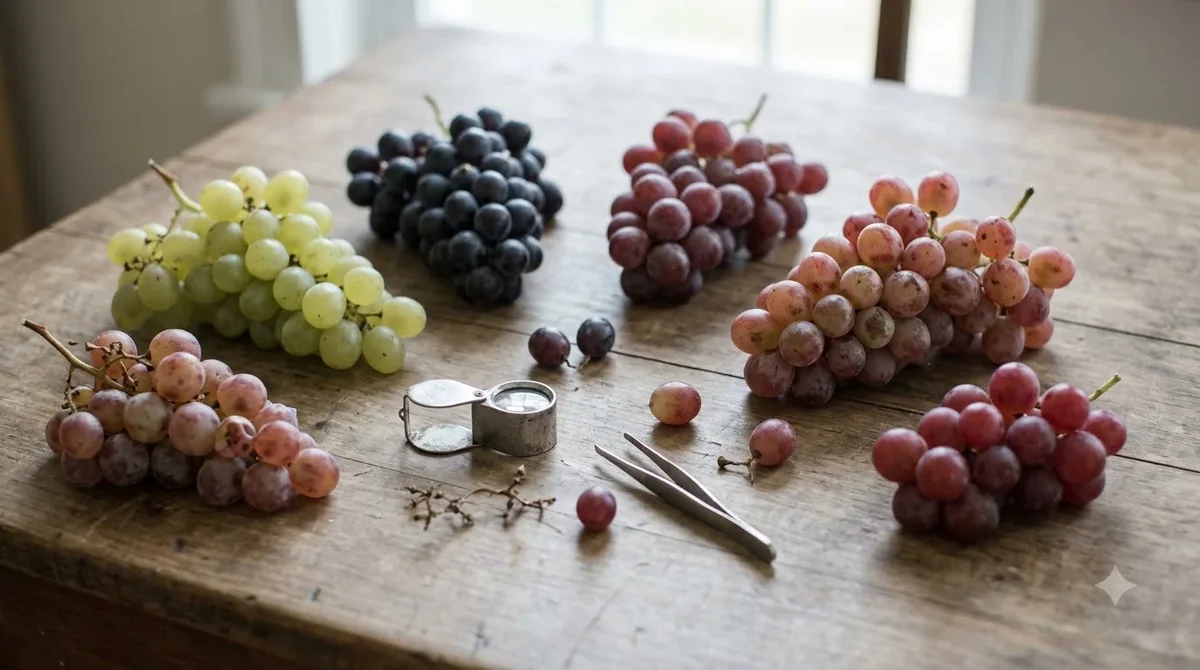
Airén is a white grape that has adapted particularly well to La Mancha’s hot, dry conditions. It has historically occupied an enormous proportion of the region’s vineyards and has traditionally supplied grapes for basic white wines and Spanish brandy production. Wine Enthusiast estimates that Airén accounts for approximately 70 percent of regional production in its overview of central Spain.
Historically, Airén was valued for its ability to produce generous crops under difficult growing conditions. Its importance was not necessarily connected to premium varietal wine production. Instead, it served a practical agricultural and commercial role in a region where drought resistance and dependable yields were important considerations.
Modern winemaking has encouraged greater attention to Airén as a wine grape in its own right. Fresh, young examples can offer gentle citrus, apple, pear, and floral impressions. Their body is generally moderate, with freshness depending on grape ripeness, harvest decisions, and cellar practices. Airén is also used in blends and sparkling wines.
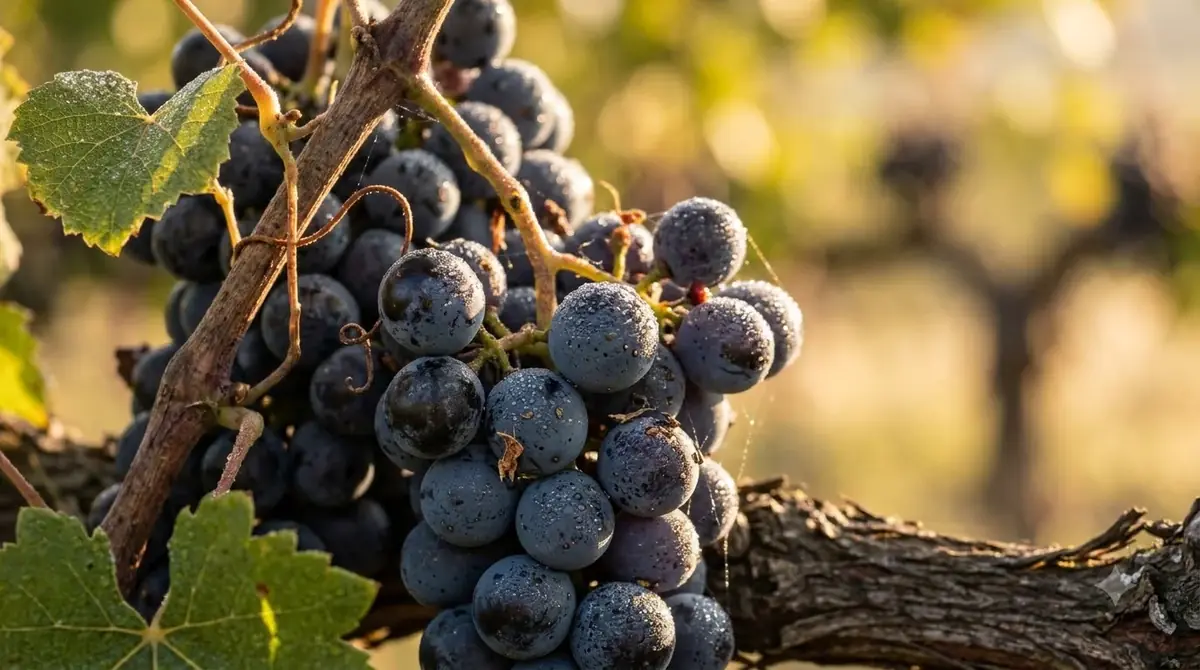
Tempranillo is the principal red variety associated with La Mancha. Known locally as Cencibel, it is also grown extensively elsewhere in Spain, including Rioja and Ribera del Duero. In La Mancha, the warm climate can produce ripe fruit flavors, medium to full body, and noticeable alcohol, depending on the harvest and winemaking approach.
Other red varieties add further diversity:
- Garnacha: Often produces generous red-fruit flavors, moderate tannins, and approachable texture.
- Syrah: Can deliver dark berries, pepper, spice, and a fuller structure.
- Cabernet Sauvignon: Provides firmer tannins, dark-fruit character, and potential for oak aging.
- Merlot: Usually contributes softer tannins, rounded fruit, and a smoother texture.
- Monastrell: Offers ripe dark fruit, concentrated flavors, and a substantial mouthfeel.
- Bobal: An important Spanish red grape that can contribute color, acidity, and structure.
White-wine production extends beyond Airén. Macabeo, also known as Viura, is an important traditional Spanish variety. Chardonnay, Sauvignon Blanc, Verdejo, Viognier, Riesling, and Moscatel also appear among the authorized varieties of the appellation.
These grapes create different styles. Sauvignon Blanc generally emphasizes citrus, herbal notes, and higher acidity. Chardonnay can produce broader, rounder wines, particularly when oak aging is involved. Verdejo often provides fresh citrus and herbal characteristics, while Viognier can contribute floral aromas and a richer texture.
The following table summarizes the principal varieties and their typical roles.
| Grape | Color | Typical characteristics | Common role |
|---|---|---|---|
| Airén | White | Apple, citrus, gentle floral notes | Fresh whites and sparkling wines |
| Macabeo | White | Light fruit, moderate freshness | White wines and blends |
| Verdejo | White | Citrus, herbs, refreshing acidity | Aromatic dry whites |
| Chardonnay | White | Apple, citrus, possible creamy notes | Varietal wines and oak-aged whites |
| Tempranillo | Red | Cherry, plum, spice | Young and aged red wines |
| Garnacha | Red | Red berries, ripe fruit | Approachable reds and blends |
| Syrah | Red | Black fruit, pepper, spice | Fuller reds and blends |
| Cabernet Sauvignon | Red | Blackcurrant, firm tannins | Structured and oak-aged reds |
| Merlot | Red | Plum, soft fruit, moderate tannins | Rounded reds and blends |
| Monastrell | Red | Dark fruit, concentrated flavors | Full-bodied red wines |
The variety list is broader than these ten examples. Authorized grapes also include Petit Verdot, Malbec, Cabernet Franc, Graciano, Pinot Noir, Parellada, Gewürztraminer, Pedro Ximénez, and Torrontés. This diversity means that a bottle labeled DO La Mancha does not necessarily indicate a single recognizable flavor profile.
The Main Wine Styles Produced in La Mancha
La Mancha produces dry whites, reds, rosés, sweet wines, semi-sparkling wines, and traditional-method sparkling wines. Its range reflects both the region’s long agricultural history and the efforts of producers to make wines for different occasions and consumer preferences.
Young white wines are among the most approachable expressions. Airén, Macabeo, Sauvignon Blanc, and Verdejo can produce fresh, fruit-driven bottles intended for relatively early consumption. Depending on the variety, aromas may include lemon, green apple, pear, peach, white flowers, or herbs. These wines generally work well as aperitifs and alongside uncomplicated meals.
Red wines provide another important part of the appellation’s identity. Young Tempranillo and Cencibel wines often show cherry, strawberry, plum, and gentle spice. They can have medium body and approachable tannins, making them suitable for casual meals. More concentrated examples may include Garnacha, Syrah, Cabernet Sauvignon, or Monastrell, either individually or in blends.
Rosé wines are also produced throughout the region. These wines typically emphasize fresh red berries, strawberry, raspberry, and lively fruit flavors. They are usually designed for relatively early drinking rather than extended cellar aging. Rosé can be made from several red grape varieties, so its acidity, body, and color vary.
La Mancha also produces semi-sparkling wines, which retain a smaller quantity of carbon dioxide, and fully sparkling wines. Some sparkling wines use the traditional method, with a secondary fermentation in the bottle. This production method differs from the tank method commonly associated with Prosecco.
Traditional-method sparkling wine is particularly interesting because it demonstrates that the appellation’s production is not limited to still wine. The Regulatory Council specifies a minimum of nine months of bottle aging for this category. Depending on the grape composition and production choices, these wines can offer fine bubbles, fresh fruit, and a more developed texture.
Sweet and naturally sweet wines are also part of the appellation’s classification system. These wines may offer ripe fruit, floral notes, and a softer impression on the palate. Their sweetness levels differ, so it is useful to distinguish genuinely sweet bottles from wines that simply have generous fruit aromas.
One useful way to approach the region is to begin with a young Airén white and a Tempranillo red. These two bottles provide a simple comparison between its historic white-wine identity and its most recognizable red-wine variety.
La Mancha Wine Aging Classifications Explained
La Mancha uses specific aging categories to distinguish different production styles. Understanding the minimum requirements for oak and bottle aging makes it easier to choose between a youthful red and a more developed reserva or gran reserva.
Young wines are generally made to emphasize fresh fruit and straightforward varietal expression. Under the appellation’s classification, these wines are intended to be consumed within nine months of preparation. They are usually the best starting point for drinkers who prefer uncomplicated, fruit-focused wine.
Traditional wines occupy another category. Unlike wines defined primarily by extended oak aging, these may mature in tanks or vats. The classification can also include naturally sweet white wines. This category is useful because it recognizes that wine development does not always require time in oak barrels.
Oak-aged wines must spend at least 60 days in oak barrels under the stated DO requirements. This shorter period can introduce gentle wood influences, such as vanilla, toast, and spice, without necessarily producing the more developed character associated with longer aging.
The more familiar Spanish aging terms include crianza, reserva, and gran reserva. Each category has minimum aging requirements that distinguish it from the others.
| Classification | Minimum aging requirement | Typical style |
|---|---|---|
| Young | Consumption within 9 months of preparation | Fresh fruit and immediate appeal |
| Oak-aged | 60 days in oak | Fruit with gentle wood influence |
| Crianza | 2 years natural aging | Developed fruit, oak, and spice |
| Reserva | 12 months in oak and 24 months in bottle | More developed aromas and texture |
| Gran reserva | 24 months in oak and 36 months in bottle | Extended maturation and greater complexity |
| Traditional-method sparkling | 9 months in bottle | Fine bubbles and developed texture |
These figures describe the minimum requirements presented by the La Mancha Regulatory Council. They should be understood as category-specific requirements rather than a universal statement about every wine produced in the region. Individual wines may have different production decisions and additional maturation time.
Crianza is often a practical middle ground for drinkers who enjoy some oak character without seeking the more developed flavors of extended maturation. Reserva offers more time for the wine to integrate its fruit, oak, and other components. Gran reserva represents the longest of these three principal red-wine aging categories.
Longer aging does not automatically mean that a wine will be better for every drinker. A fresh young Tempranillo may be more enjoyable with grilled pork than a mature, oak-influenced bottle. Likewise, a reserva may be a better choice when serving a slow-roasted lamb dish or mature cheese.
Tip: If you are choosing your first aged La Mancha red, start with crianza. It offers a useful introduction to the relationship between Tempranillo fruit, oak, and bottle development without requiring you to begin with the region’s longest-aged wines.
For a broader explanation of how Spanish and international appellations differ, our Wine Regions resource provides additional regional context.
Food Pairings That Work With La Mancha Wines
La Mancha wines are particularly suitable for traditional Spanish cooking, including roasted meats, pork, lamb, rabbit, cod, and regional vegetable dishes. Matching the wine’s acidity, tannin, body, and sweetness to the food is more reliable than choosing a bottle solely because both the wine and dish come from Spain.
Young Tempranillo is a natural partner for grilled pork, roast chicken, tapas, and moderately seasoned sausages. Its red-fruit flavors complement roasted and grilled ingredients, while its medium tannins provide structure without necessarily overpowering the food. A slightly chilled young red can also work well with a selection of cured meats.
For more substantial dishes, choose a structured Tempranillo, Syrah, or Cabernet Sauvignon. Roasted lamb, beef stew, grilled beef, and slow-cooked pork have sufficient richness to work with fuller-bodied reds. The fat and protein in these foods also soften the perception of tannin.
Monastrell and Syrah are particularly useful with richly flavored dishes. Their darker fruit character can complement roasted meats, grilled vegetables, and meals featuring paprika or black pepper. However, very hot chili dishes require caution because alcohol and tannin can amplify the sensation of heat.
Airén and other dry whites are useful with fish, shellfish, salads, and lighter dishes. Their gentle fruit character and moderate body make them suitable for grilled white fish, shrimp, and seafood rice. Sauvignon Blanc and Verdejo are especially good choices when the dish contains fresh herbs, lemon, or other acidic ingredients.
Macabeo and Chardonnay can work with roast chicken, creamy vegetable dishes, and mild cheeses. A fuller Chardonnay may be better suited to richer preparations, while a fresher white is preferable for lighter meals. Avoid pairing strongly tannic red wine with delicate oily fish because the combination can create an unpleasant metallic impression.
Rosé is another versatile option for regional cooking. Serve it with tomato-based tapas, grilled vegetables, chicken, cold meats, or lighter pork dishes. Its fruit flavors and refreshing character make it a useful choice when a meal includes several different foods.
Sweet La Mancha wines should be paired with desserts that are equally sweet or less sweet than the wine. Fruit pastries, almond desserts, and certain traditional Spanish sweets can work well. If the dessert is sweeter than the wine, the wine may taste thin or sharply acidic by comparison.
Here are some practical pairing suggestions:
- Airén with grilled seafood: The wine’s gentle fruit and refreshing character complement delicate fish and shellfish.
- Verdejo with lemon-seasoned salads: Its acidity can match the freshness of citrus-based dressings.
- Young Tempranillo with Manchegan pork: Red-fruit flavors complement grilled and roasted meat.
- Crianza with roast lamb: Oak-derived spice and developed fruit suit richer roasted dishes.
- Syrah with beef stew: Dark fruit and fuller structure work with concentrated savory flavors.
- Rosé with tapas: Fresh fruit and moderate body accommodate several small dishes.
- Sweet white with almond pastries: Matching the dessert’s sweetness helps preserve the wine’s flavor.
For a traditional regional meal, consider a bottle of Tempranillo alongside Manchegan lamb or a young white with cod. These combinations connect the area’s wine styles with the local food culture without requiring complicated recipes.
Serving Temperatures, Storage, and Choosing a Bottle
Serving temperature has a noticeable effect on the way La Mancha wines taste. Light whites, fuller reds, rosés, and sparkling wines each benefit from different temperatures, and a little attention to chilling can make an ordinary meal more enjoyable.
Light-bodied whites, including many Airén and Verdejo wines, generally show their freshness best at 45–50 degrees Fahrenheit. Fuller whites, especially oak-influenced Chardonnay, can be served slightly warmer at 50–55 degrees Fahrenheit. These temperatures preserve freshness while allowing the wine’s aromas to remain noticeable.
Rosé can also be served around 45–50 degrees Fahrenheit. This range keeps the wine refreshing without making its fruit aromas difficult to recognize. Sparkling wines are generally best at 40–50 degrees Fahrenheit, which helps maintain a refreshing impression and keeps the bubbles lively.
For reds, avoid serving the wine excessively warm. Light-bodied reds generally work well at 55–60 degrees Fahrenheit, while fuller-bodied reds are usually best around 60–65 degrees Fahrenheit. This is especially relevant in warm climates or during summer meals, when bottles can quickly become warmer than intended.
Young Tempranillo often needs little preparation beyond opening and allowing a few minutes for the aromas to develop. Fuller reds, particularly those with substantial tannin and oak influence, may benefit from decanting. A young, full-bodied red can generally be decanted for approximately 30–60 minutes before serving.
Storage conditions matter as well. Bottles intended for longer storage should be kept on their sides when sealed with natural cork, in a stable environment near 55 degrees Fahrenheit. Avoid direct sunlight, strong temperature fluctuations, and unnecessary movement.
Once opened, most still wines should be refrigerated and consumed within approximately three to five days. Sparkling wines generally retain their best qualities for one to three days when properly resealed and refrigerated. These are practical guidelines rather than guarantees because freshness varies with the wine and storage conditions.
When choosing a bottle, begin with the grape variety and the style you prefer. Someone who enjoys fresh, light whites can start with Airén, Verdejo, or Sauvignon Blanc. Drinkers who prefer soft, fruit-forward reds may enjoy Merlot or a young Garnacha, while those who like firmer structure can explore Cabernet Sauvignon or Syrah.
It is also useful to consider the occasion. A young white or rosé makes sense for a casual lunch, while crianza or reserva can be appropriate for a substantial evening meal. Sparkling wine provides an alternative for celebrations and aperitifs.
Finally, consider the producer rather than relying only on the size of the appellation. La Mancha includes traditional wineries, large modern operations, and producers working with organic and sustainable farming practices. Their wines can differ substantially in style, even when they share the same geographical designation.
Visiting La Mancha: Vineyards, Wine Towns, and Local Culture
La Mancha offers wine tourism that combines vineyard visits, historic towns, regional cooking, and the landscapes associated with Miguel de Cervantes’ Don Quixote. Its official wine route provides a practical way to explore the region while learning about its wines and agricultural traditions.
According to Spain’s official tourism website, the La Mancha Wine Route includes 11 municipalities in the heart of the plain. It is not simply a series of winery visits. The route also introduces visitors to the architecture, rural landscapes, historical traditions, and food culture of Castilla-La Mancha.
Alcázar de San Juan is an important point of reference for the route. Located in Ciudad Real, it provides access to local wineries and regional activities. Other wine-related destinations and surrounding towns offer opportunities to learn about the area’s historic production methods and contemporary winemaking.
One particularly interesting traditional feature is the tinaja, a large earthenware vessel historically used for fermenting and storing wine. Some wineries preserve these vessels as part of their production heritage, while others combine traditional equipment with modern temperature-controlled technology.
Visitors may encounter wineries with historic buildings and thick adobe walls alongside large, technologically advanced facilities. This contrast reflects the region’s development from an agricultural wine-producing center into an area that serves different domestic and international markets.
Vineyard walks and tasting sessions are among the activities available along the wine route. Some experiences focus on distinguishing grape varieties, while others introduce visitors to barrel aging and different stages of fermentation. Certain activities are organized around sunset, offering opportunities to explore the countryside during cooler hours.
Food is another major reason to visit. Local cooking features lamb, pork, cod, rabbit, partridge, roasted meats, and hearty stews. Traditional dishes such as atascaburras and tiznao provide useful introductions to the region’s culinary identity. These foods also demonstrate why Tempranillo, Garnacha, and structured regional whites are natural companions to Manchegan meals.
The landscape offers attractions beyond wine. Visitors can explore traditional stone huts, historic windmills, rural walking routes, wetlands, and towns connected to the stories of Don Quixote. The Mancha Húmeda wetlands are particularly interesting for nature enthusiasts and birdwatchers.
Getting around the area is relatively straightforward by road. Spain’s tourism authority identifies the A-4, A-43, CM-42, and AP-36 as important routes serving the wine region. Seven railway stations also provide connections within the wider area, making train travel another possibility for planning a visit.
For the best experience, plan winery appointments in advance rather than assuming every producer accepts walk-in visitors. A useful itinerary includes a vineyard visit, a guided tasting, a traditional local meal, and time to explore one of the region’s historic towns. During the warmer months, morning and late-afternoon activities are often more comfortable than spending extended periods outdoors at midday.
For further regional context, comparing La Mancha with northern European wine areas such as the Savoie wine region can help illustrate how elevation, climate, and grape selection shape different wine identities.
The official La Mancha Wine Route information from Spain’s tourism authority provides additional details about destinations, food, activities, and transportation. The La Mancha Regulatory Council’s appellation information is also useful for understanding grape varieties and aging classifications.
Frequently Asked Questions
Is La Mancha the largest wine region in Spain?
La Mancha is widely recognized as Spain’s largest wine appellation by geographical and vineyard scale. Its enormous production area spans 182 municipalities across four provinces. However, the precise ranking of wine regions can depend on whether the comparison uses vineyard acreage, total production, or the boundaries of a designated appellation.
How do you pronounce La Mancha?
La Mancha is commonly pronounced lah MAHN-chah in English-language wine references. The Spanish pronunciation uses a softer consonant sound for the letters ch, similar to the sound in the English word church. The name refers to the historic geographical region of central Spain.
Does La Mancha produce organic wine?
Yes. Organic and sustainable wine production is represented among the region’s producers. Castilla-La Mancha also has a broader agricultural tradition that includes extensive dryland farming. Individual organic certification depends on the producer and the specific vineyard or wine, rather than applying automatically to every bottle carrying the DO La Mancha designation.
What is the difference between La Mancha and Valdepeñas?
La Mancha and Valdepeñas are separate wine appellations in Castilla-La Mancha. Valdepeñas is a distinct designated wine area within Ciudad Real, while DO La Mancha covers a much larger territory across four provinces. Both produce Tempranillo-based reds, but their geographical boundaries and appellation regulations are different.
Can Airén grapes be used to make sparkling wine?
Yes. Airén can be used in sparkling wine production, including wines made using the traditional method. The grape’s relatively neutral aromatic profile makes it useful for different production styles. The final character depends on harvest maturity, fermentation decisions, blending, and bottle aging.
The La Mancha wine region offers much more than its traditional reputation for large-scale Spanish wine production. Its Airén whites, Cencibel reds, varied international grape plantings, and distinct aging classifications provide plenty of opportunities for exploration. Start with a fresh Airén or a Tempranillo, then compare a crianza or traditional-method sparkling wine to discover the breadth of this historic central Spanish appellation.
More in Wine Regions
 Willcox Wine Trail: Discover Arizona’s High-Elevation Wine CountryUpdated Nov 20, 2026
 Yakima Valley Wine Region: Find the Best Styles to TryUpdated Nov 20, 2026
 Vosne Romanee Wine Tasting: Identify Aromas and Choose Better PairingsUpdated Nov 20, 2026
 Yakima Valley Wine Festival: Find the Best Seasonal Wine EventsUpdated Nov 20, 2026
 Wales Vineyards: Discover Cool-Climate Wines and Where to VisitUpdated Nov 20, 2026
 Yountville Wine Festival: Discover Napa Wines and Local FoodUpdated Nov 20, 2026