

We may earn a commission when you buy through links on this page, at no extra cost to you. Learn more.
La Mancha vineyards are located across the central Spanish plateau, where hot summers, limestone-rich soils and abundant sunshine support extensive plantings of Airén, Tempranillo and other wine grapes. This enormous wine-growing area spans four provinces in Castilla-La Mancha and produces a wide range of white, red, rosé and sparkling wines. Its identity comes from a combination of traditional bush-trained vines, modern vineyard management and grape varieties adapted to demanding continental conditions. Understanding the landscape and its leading grapes makes it easier to recognize what distinguishes La Mancha wines.
La Mancha is one of Spain’s most recognizable wine-producing areas, although its reputation extends well beyond the bottles commonly found in export markets. The region has a long agricultural history, a distinctive landscape of open plains and a wine culture that combines traditional practices with modern production. Its vineyards are particularly important for understanding Spanish Airén and the different expressions of Tempranillo, known locally as Cencibel. From fresh whites to oak-aged reds and traditional-method sparkling wines, La Mancha offers considerably more variety than its reputation for large-scale wine production might suggest.
Where La Mancha Vineyards Are Located
La Mancha vineyards occupy a broad section of the central Spanish plateau in the autonomous community of Castilla-La Mancha. The designated appellation covers 182 municipalities across Albacete, Ciudad Real, Cuenca and Toledo, creating one of Spain’s largest geographically defined wine-producing areas.
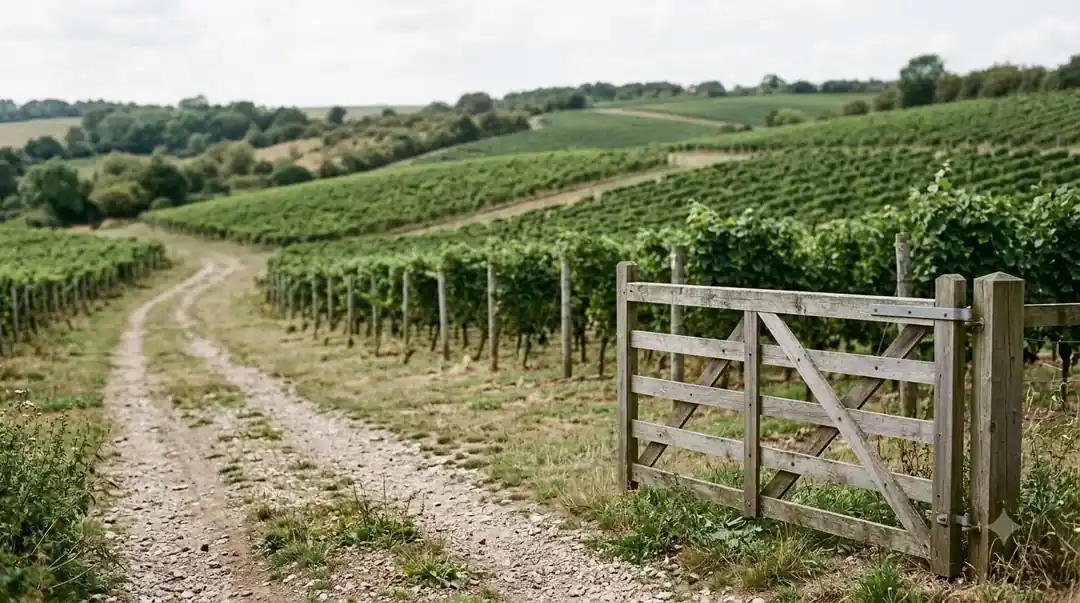
The natural region of La Mancha covers approximately 30,700 square kilometers. Its landscape is predominantly open and relatively flat, with agricultural fields, vineyards, villages and occasional elevated areas extending across the interior of the Iberian Peninsula. The regional identity is closely connected with the four provinces, but the appellation has its own defined boundaries and production requirements. This distinction matters because not every vineyard situated in the wider natural region automatically qualifies to produce wine carrying the La Mancha designation.
Ciudad Real is particularly important to the area’s wine culture. Towns such as Alcázar de San Juan, Tomelloso and Manzanares are associated with vineyards, wine production and the agricultural traditions of the Manchegan plain. Alcázar de San Juan is also the location of the regulatory council’s headquarters. The area’s villages and wineries form part of a wine landscape that has developed over many generations.
The designation’s geographical history is also significant. According to the La Mancha regulatory council, the appellation received official recognition in 1932, while the regulatory framework was formally approved in 1976. The long-established designation provides a system for identifying wines associated with the region and controlling the production standards behind that identity. The official La Mancha appellation information explains its geographical identity, authorized grapes and wine classifications.
La Mancha is often discussed alongside other major Spanish wine-producing areas, but its scale and climate make it distinct. For readers comparing Spanish appellations, the broader Wine Regions overview provides useful context for understanding how geography, grape varieties and regional regulations shape different wine styles. The nearby La Mancha wine region article offers another perspective on the area’s geographical and historical identity.
Its extensive boundaries also explain why La Mancha should not be treated as a single uniform vineyard. Differences in elevation, soil composition, exposure and local growing conditions can influence grape ripeness and the eventual character of a wine. A bottle from one municipality may therefore have a noticeably different profile from another produced elsewhere within the same designation.
Climate, Elevation and Vineyard Soils
La Mancha’s vineyards grow under an extreme continental climate, with hot, dry summers and cold winters. Annual rainfall commonly falls between 300 and 400 millimeters, while sunshine can exceed 3,000 hours, creating conditions that strongly influence grape selection and vineyard management.
The central plateau is generally situated at considerable elevation. According to Spain’s official tourism information, many vineyards in the La Mancha appellation lie between 600 and 800 meters above sea level. This elevation helps distinguish the growing environment from lower-lying Mediterranean vineyard areas. Although daytime temperatures can become very high during summer, nighttime cooling can help preserve some freshness as grapes approach maturity.
Temperature extremes are an important feature of the region. The La Mancha regulatory council describes winter temperatures reaching approximately minus 15 degrees Celsius and summer temperatures approaching 45 degrees Celsius. These conditions create challenges for vineyard workers, particularly during periods of intense heat or unusually cold weather. Grape varieties must be capable of coping with the local growing season, while vineyard decisions need to account for limited water availability.
The soils are another defining characteristic. Much of the landscape contains reddish-brown earth formed from Miocene sediments, with limestone, clay, sand and chalky components. Limestone-rich ground is particularly significant because it influences drainage and the availability of water to vine roots. In some vineyards, hard limestone layers can restrict root development unless the soil is appropriately prepared before planting.
Rainfall scarcity makes water management an important part of viticulture. Some vineyards depend largely on natural rainfall, while others use regulated irrigation systems, including drip irrigation. The choice depends on vineyard location, vine age, regulations and production objectives. Carefully managed water supplies can help maintain healthy vines without encouraging excessive vegetative growth.
These growing conditions also help explain why La Mancha has historically supported grapes capable of tolerating heat and dry conditions. Airén has become especially important because it performs reliably across the region. Tempranillo and other red varieties also benefit from a long, sunny growing season, although producers must manage ripeness to retain a suitable balance of fruit, acidity and alcohol.
Tip: When comparing wines from different La Mancha producers, pay attention to the grape variety, elevation and aging classification. A fresh Airén white and an oak-aged Cencibel red can come from the same broad landscape but offer very different drinking experiences.
The Main White Grapes in La Mancha
Airén is the most important traditional white grape associated with La Mancha, and its adaptability has helped establish the region’s enormous vineyard base. However, modern producers also cultivate several international and Spanish white varieties to create a wider selection of wine styles.
Airén has long been valued for its ability to withstand hot, dry growing conditions. Historically, much of the grape was used for straightforward white wines and distillation, including the production of wine intended for brandy. Its naturally restrained aromatic character made it particularly suitable for large-scale production. However, vineyard management and careful winemaking have helped demonstrate that Airén can also produce appealing wines for direct consumption.
Modern examples can show fresh fruit, restrained citrus, apple and subtle herbal notes. The final character depends on grape maturity, vineyard conditions, fermentation temperature and the winemaker’s approach. Stainless steel fermentation is particularly useful when the aim is to preserve freshness and primary fruit aromas rather than introduce oak-derived flavors.
Macabeo, also known as Viura in other Spanish regions, is another important white grape. It can contribute fresh fruit and balanced acidity, making it useful for still wines and blends. Chardonnay provides a more internationally familiar style, while Sauvignon Blanc offers a more aromatic profile with citrus and herbal characteristics. Verdejo, associated especially with Spain’s Rueda region, also provides an alternative for producers seeking expressive white wines.
Other permitted white grapes include Riesling, Viognier, Parellada, Torrontés, Gewürztraminer, Pedro Ximénez and Moscatel varieties. These grapes give winemakers additional options for producing different aromatic and structural profiles. Their presence also demonstrates that La Mancha is not limited to traditional varieties or a single established wine style.
Airén deserves particular attention when choosing a bottle. A simple stainless-steel version can be light, refreshing and suitable for casual meals, while more ambitious examples may offer greater texture and complexity. Consumers familiar with Sauvignon Blanc or Pinot Grigio should not assume that every La Mancha white will have the same acidity or aromatic intensity.
For food pairing, fresher Airén and Macabeo wines can work well with grilled seafood, salads, vegetables and light poultry dishes. Sauvignon Blanc can be a useful choice for herb-driven dishes, while a fuller Chardonnay may suit roast chicken or creamy preparations. Food acidity should remain balanced with the wine’s acidity, particularly when serving dishes with lemon, vinegar or tomato.
Red Grapes and the Importance of Cencibel
Cencibel, the local name for Tempranillo, is the leading traditional red grape of La Mancha. It is supported by varieties such as Garnacha, Syrah, Cabernet Sauvignon, Merlot, Bobal and Monastrell, which give producers considerable flexibility in blending and wine style.
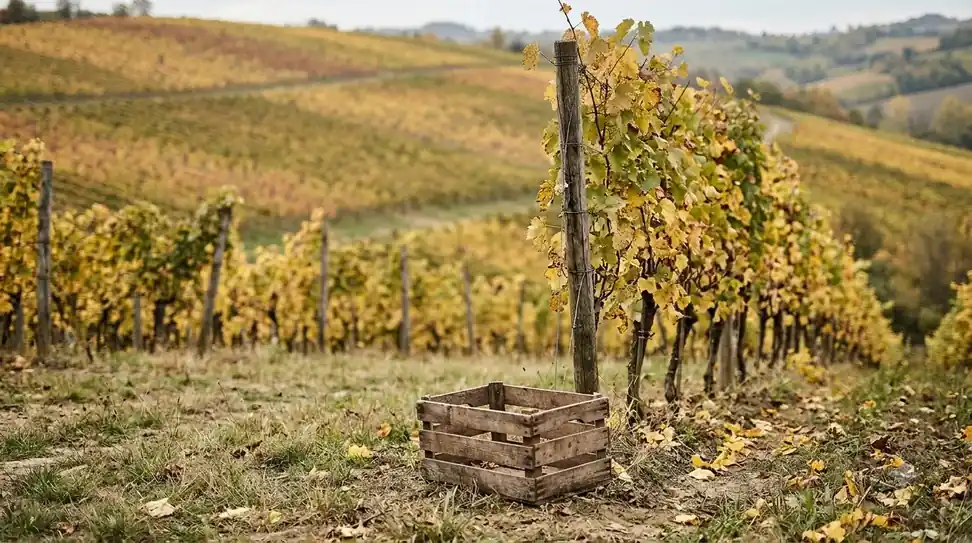
Tempranillo is well suited to the region’s sunny conditions, although its character depends on vineyard location, harvest timing and cellar decisions. Wines made for early drinking can emphasize red cherry, plum and other fresh fruit characteristics. More structured examples may show darker fruit, additional tannin and flavors developed through oak aging.
Cencibel is an especially useful name to recognize when shopping for Spanish wine. It refers to the Tempranillo variety rather than a separate grape. The variety is also grown in Rioja and Ribera del Duero, where local conditions and regional traditions create different expressions. In La Mancha, its fruit character can reflect the warm growing environment, while altitude and harvesting decisions influence the final balance.
Garnacha offers another route to approachable red wines. Depending on ripeness and extraction, it can produce generous red fruit, moderate tannin and a rounded palate. Bobal is another Spanish variety that contributes color, acidity and structure. Monastrell is also authorized and can produce dark-fruited wines with a substantial profile in warm climates.
International grapes have an established place in the region as well. Cabernet Sauvignon can contribute firmer tannins and blackcurrant characteristics, while Merlot generally provides a softer texture. Syrah can introduce dark fruit, spice and additional structure. Graciano, Malbec, Petit Verdot, Cabernet Franc, Mencía and Pinot Noir are among the other authorized red varieties.
The differences between these grapes matter when selecting a bottle. Cabernet Sauvignon usually has high tannin, while Merlot is generally softer and medium-bodied in tannin. Pinot Noir typically has lower to medium tannin and higher acidity. Syrah can have medium-plus to high tannin, depending on its growing conditions and production method.
La Mancha’s range of red varieties makes it possible to find both accessible young wines and bottles designed for extended aging. A fruit-forward Cencibel may suit everyday meals, whereas a structured Cabernet Sauvignon or Syrah blend can be more appropriate for grilled meats and richer dishes.
Vineyard Training, Yields and Production Practices
Traditional goblet-trained vines and modern trellised vineyards are both important to La Mancha viticulture. The two systems differ in vine structure, canopy management and permitted production yields, illustrating how the region combines older agricultural practices with contemporary vineyard methods.
Goblet training, also called bush-vine training, keeps the vine relatively low to the ground. Several arms extend outward from the trunk, creating a free-standing structure without the same permanent wire framework used in trellised systems. This traditional arrangement has a long history in dry-farmed Mediterranean vineyards and remains recognizable across parts of La Mancha.
Trellised vines use wires and supporting posts to guide shoots and manage the canopy. This arrangement can make vineyard operations more systematic, including pruning, canopy work and mechanical harvesting where conditions allow. It also provides greater control over the position of shoots and leaves, which can be useful in hot climates where fruit exposure requires careful attention.
The appellation establishes maximum production yields for these systems. According to its production standards, goblet-trained vineyards have a maximum yield of 10,000 kilograms of grapes per hectare, while trellised vineyards have a maximum of 13,000 kilograms per hectare. These are regulatory limits, not targets that every producer must reach. Actual yields can be lower depending on vineyard age, water availability, pruning and quality objectives.
| Vineyard system | Maximum grape yield | Maximum wine yield |
|---|---|---|
| Goblet-trained vines | 10,000 kg/ha | 74 hl/ha |
| Trellised vines | 13,000 kg/ha | 96.2 hl/ha |
The wine-yield limits are expressed in hectoliters per hectare. One hectoliter equals 100 liters, so 74 hectoliters represents 7,400 liters per hectare, while 96.2 hectoliters represents 9,620 liters. The figures provide a useful way to understand the scale of permitted production, but they do not indicate the quality of an individual bottle.
Vineyard management also involves pruning, controlling canopy growth and monitoring grape maturity. In a region with more than 3,000 hours of sunshine annually, excessive exposure can be a concern. Producers must consider how much shade the canopy provides, whether the grapes are ripening evenly and whether water stress is becoming too severe.
Harvest timing is especially important. Picking too early may leave certain grapes with underdeveloped fruit flavors, while excessively late harvesting can result in high sugar levels, increased potential alcohol and reduced freshness. Different grape varieties do not necessarily reach their ideal maturity at the same time, so harvesting can take place over an extended period.
Modern production facilities commonly use stainless-steel equipment and temperature control to manage fermentation. These tools are particularly useful for aromatic white wines, where controlling fermentation temperature helps preserve delicate fruit character. Red wines may involve extended skin contact, extraction and aging decisions that shape tannin and structure.
Wine Styles, Aging Classifications and Sparkling Bottles
La Mancha produces young whites, rosés, reds, oak-aged wines and traditional-method sparkling wines. Its official classifications help consumers understand the intended style and minimum aging requirements, particularly for Crianza, Reserva and Gran Reserva bottles.
Young wines, commonly described as joven, are generally intended to emphasize primary fruit rather than extended maturation. Fresh Airén and other whites can show citrus, orchard fruit and uncomplicated freshness. Young reds often emphasize cherry, plum and other fruit characteristics, with limited oak influence. The regulatory council specifies that its young wines should be consumed within nine months after preparation.
Traditional wines offer a different approach. They may mature in tanks or vats rather than spending extended periods in oak barrels. This category can include wines with more developed characteristics while maintaining a style that does not depend on substantial barrel influence.
Barrel-aged wines have a minimum of 60 days in oak according to the appellation’s classification description. Oak can contribute vanilla, spice, toast and additional texture, depending on the barrel’s origin, age and previous use. However, barrel aging does not automatically make a wine better. The goal is to balance the wood influence with the fruit and natural structure of the grape.
Crianza, Reserva and Gran Reserva classifications have more specific aging requirements. These terms help distinguish wines with different maturation periods, although producers may choose to age individual bottles longer than the minimum requirements.
- Crianza: Two years of natural aging, with one year in barrel and bottle according to the regulatory description.
- Reserva: At least 12 months in oak and 24 months in bottle.
- Gran Reserva: At least 24 months in oak and 36 months in bottle.
These categories can be particularly useful when comparing Tempranillo-based reds. A young Cencibel may emphasize fresh fruit, whereas a Reserva can develop more integrated oak characteristics and additional complexity. Gran Reserva wines generally have a longer maturation history and are often intended for consumers who enjoy developed red-wine flavors.
La Mancha also has a traditional-method sparkling category. The appellation requires at least nine months of bottle aging for these wines. Traditional-method production involves a second fermentation in the bottle, which creates the carbon dioxide responsible for the bubbles. This is a different approach from the tank method commonly used for Prosecco.
Airén and other permitted white varieties contribute to the diversity of the region’s sparkling production. These bottles can be useful for aperitifs, celebrations and lighter meals. For serving, sparkling wines are best chilled to approximately 40 to 50 degrees Fahrenheit, while full-bodied whites are generally better served around 50 to 55 degrees Fahrenheit.
For readers interested in how growing conditions shape wines elsewhere, comparisons with Tasmania vineyards and Uruguay vineyards highlight how different climates and grape-growing traditions produce contrasting styles. La Mancha’s combination of heat, elevation and dryness provides a particularly clear example of continental Mediterranean viticulture.
Visiting La Mancha Vineyards and Choosing Its Wines
Visitors can explore La Mancha through its official wine route, which connects 11 municipalities across the central plain. Vineyard visits, winery experiences, local food and traditional architecture make the area interesting for travelers who want to understand Spanish wine beyond tasting bottles in a restaurant.
The official La Mancha Wine Route includes towns in Ciudad Real and provides access to a variety of wine-related experiences. Activities include vineyard walks, tastings, barrel sampling and opportunities to learn about grape varieties. The route also connects visitors with the wider cultural landscape associated with Miguel de Cervantes and Don Quixote.
Traditional wine vessels called tinajas are another interesting feature of the area’s winemaking history. These large earthenware containers have been used for fermentation and storage. Their presence reflects a regional tradition that predates modern stainless-steel production facilities. Some wineries continue to explore earthenware vessels as part of contemporary winemaking, while others concentrate on modern equipment and temperature-controlled fermentation.
Wine tourism also offers opportunities to experience local cuisine. Lamb, pork, rabbit, partridge and cod feature in traditional Manchegan cooking. Regional dishes include atascaburras, tiznao and galianos, as well as roasts and hearty stews. These foods provide useful examples of how the region’s wines can be paired with its traditional meals.
When choosing a wine, start with the grape variety and intended style. An Airén white is a sensible option for someone seeking a regional alternative to familiar international whites. A young Cencibel is a good introduction to La Mancha red wine, while a Reserva provides an opportunity to explore the effects of longer maturation.
Food pairing can make these distinctions clearer. Fresh Airén and Macabeo can complement grilled fish and seafood, while a fuller Chardonnay can accompany roasted poultry. Cencibel works well with grilled lamb, pork and roasted vegetables. A more structured Syrah or Cabernet Sauvignon can suit rich meat dishes, although highly tannic reds are less suitable for oily fish.
Salt and fat can soften the perception of tannin, making structured reds easier to pair with dishes containing roasted meat or rich sauces. Chili heat, by contrast, can become more pronounced alongside wines with higher alcohol and tannin. For sweet dishes, choose a wine that is at least as sweet as the dessert so that the wine does not taste sour or thin.
Serving temperature also affects the experience. Light-bodied reds are generally best around 55 to 60 degrees Fahrenheit, while fuller reds are more comfortable around 60 to 65 degrees Fahrenheit. Young, full-bodied reds can benefit from 30 to 60 minutes of decanting, especially when their tannins are firm.
For a standard tasting pour, approximately 5 ounces is appropriate. A 750-milliliter bottle provides roughly five such servings. Opened still wines generally keep for three to five days in the refrigerator when properly sealed, although freshness declines with exposure to oxygen. Unopened bottles are best stored away from direct light and major temperature fluctuations, ideally on their sides at approximately 55 degrees Fahrenheit when they have natural cork closures.
Frequently Asked Questions
Are La Mancha vineyards the largest in Spain?
La Mancha is widely recognized as Spain’s largest wine-producing appellation by geographical scale. The broader natural region covers approximately 30,700 square kilometers, although the area of actual planted vineyards is considerably smaller. Its large agricultural landscape helps explain its historic importance to Spanish wine production.
Why is Airén sometimes used to make brandy?
Airén has historically been an important grape for producing neutral base wines suitable for distillation. Its adaptability and ability to produce substantial harvests made it particularly useful for this purpose. Distillation transforms the fermented base wine into a spirit rather than preserving the original wine’s characteristics as a finished table wine.
What does Cencibel mean on a Spanish wine label?
Cencibel is a regional name for Tempranillo, rather than a separate grape variety. The name is especially useful to recognize when exploring wines from Castilla-La Mancha. Other Spanish regions use different local names for Tempranillo, reflecting the grape’s long history across the country.
Are organic wines produced in La Mancha?
Yes. Spain’s official tourism information describes producers in La Mancha who focus on organic and sustainable wine production. The region’s dry conditions and limited rainfall can help reduce some vineyard disease pressures, although organic certification still requires compliance with specific agricultural and production standards.
How long must La Mancha traditional-method sparkling wines age?
The La Mancha appellation requires a minimum of nine months of bottle aging for its traditional-method sparkling wines. This requirement distinguishes the category from wines made through faster production methods. The second fermentation takes place inside the bottle, creating the carbon dioxide that forms the bubbles.
La Mancha vineyards demonstrate how a hot, dry continental climate can support a remarkably diverse wine industry. Airén and Cencibel remain essential to the region’s identity, while international varieties, modern vineyard techniques and established aging classifications provide additional choices. Whether exploring a fresh white, a structured red or a traditional-method sparkling wine, La Mancha offers a rewarding introduction to the breadth of Spanish wine production.
More in Wine Regions
 Willcox Wine Trail: Discover Arizona’s High-Elevation Wine CountryUpdated Nov 20, 2026
 Yakima Valley Wine Region: Find the Best Styles to TryUpdated Nov 20, 2026
 Vosne Romanee Wine Tasting: Identify Aromas and Choose Better PairingsUpdated Nov 20, 2026
 Yakima Valley Wine Festival: Find the Best Seasonal Wine EventsUpdated Nov 20, 2026
 Wales Vineyards: Discover Cool-Climate Wines and Where to VisitUpdated Nov 20, 2026
 Yountville Wine Festival: Discover Napa Wines and Local FoodUpdated Nov 20, 2026