

We may earn a commission when you buy through links on this page, at no extra cost to you. Learn more.
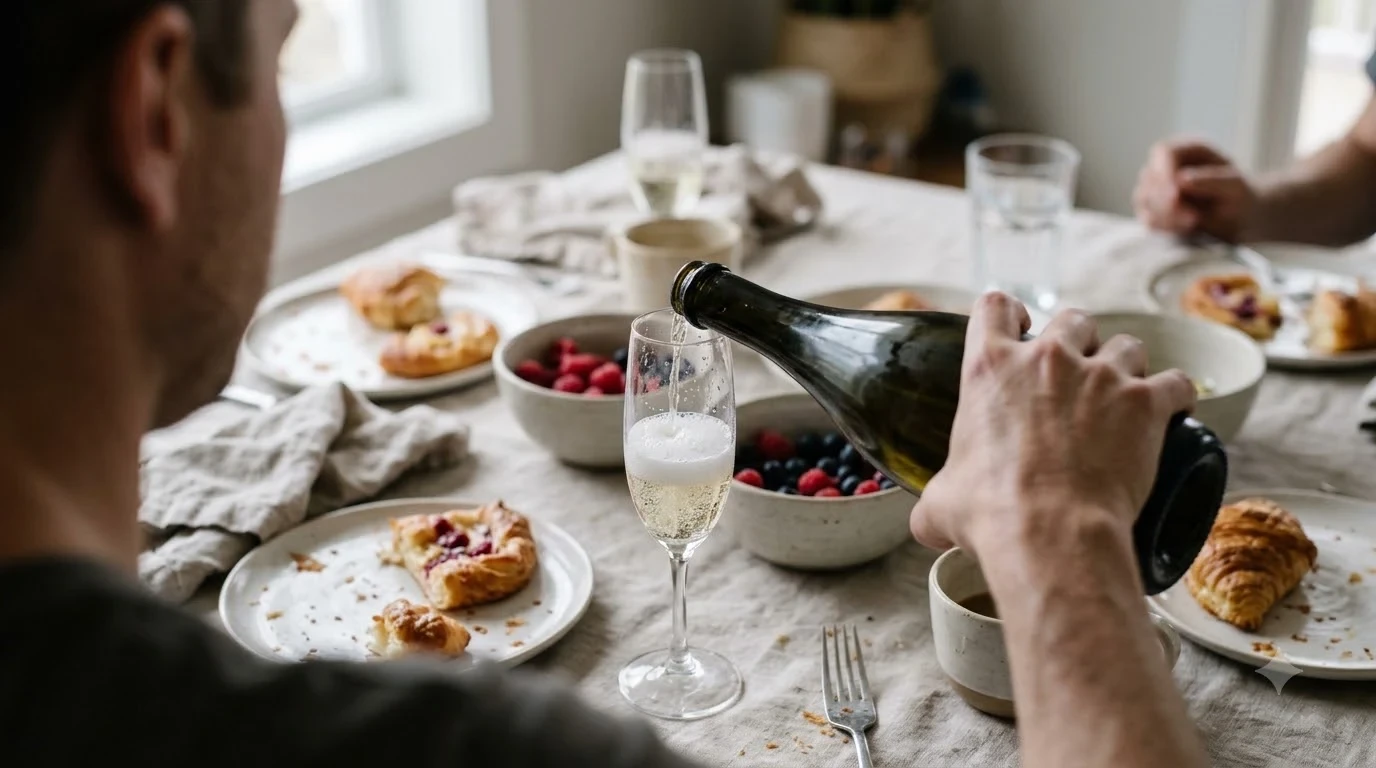
Franciacorta wineries produce some of Italy’s finest traditional-method sparkling wines, combining Chardonnay, Pinot Nero, and local terroir with extended bottle aging. Located in Lombardy’s Province of Brescia, near Lake Iseo, these producers follow strict DOCG regulations that require a second fermentation in the bottle. Their wines range from fresh, approachable Brut bottlings to creamy Satèn, expressive Rosé, vintage Millesimato, and long-aged Riserva.
Franciacorta offers a distinctive alternative to both Champagne and Prosecco. Its wineries combine French-influenced sparkling wine techniques with Italian grape varieties, glacial soils, and a continental climate moderated by Lake Iseo. Some producers concentrate on large-scale international distribution, while others emphasize organic viticulture, individual vineyard character, or small-production wines. Understanding the leading wineries, local production rules, and differences between sparkling styles makes it easier to explore this important Italian wine region.
1. Understanding the Franciacorta Wine Region
Franciacorta is a defined wine-producing area in Lombardy, northern Italy, covering approximately 200 square kilometers around the southern shores of Lake Iseo. Its rolling hills, glacial soils, and proximity to Brescia and Milan provide the geographical foundation for its traditional-method sparkling wines.

The production area includes municipalities such as Erbusco, Adro, Iseo, Passirano, and Monticelli Brusati. The western boundary follows the Oglio River, while Lake Iseo forms a natural northern reference point. These geographical boundaries matter because grapes used for Franciacorta DOCG must come from authorized vineyards, and the principal winemaking operations must take place within the defined production area.
Glacial activity shaped the region’s landscape, leaving deposits of sand, silt, gravel, and mineral-rich morainic material. Soil composition varies between vineyard sites, influencing drainage, water availability, grape development, and the character of the resulting base wines. Some vineyards occupy deeper morainic deposits, while others grow on hillsides with shallower, more gravelly soils.
Lake Iseo also influences local growing conditions. Its moderating effect helps reduce temperature extremes, while breezes and nighttime cooling help preserve acidity in ripening grapes. This balance is particularly valuable for sparkling wine production because base wines benefit from fresh acidity, moderate alcohol, and relatively restrained fruit development.
The region’s modern sparkling wine identity developed rapidly during the 1960s. Wine Enthusiast traces an important turning point to Franco Ziliani’s work with Guido Berlucchi, which introduced the traditional method to the area’s modern production. The first vintage of this new style appeared in 1961, with 3,000 bottles of Pinot di Franciacorta.
The denomination received DOC recognition in 1967 and DOCG status in 1995. The Franciacorta Consortium, established by local producers in 1990, helped develop shared production standards and protect the regional identity. Today, the name Franciacorta identifies a specific DOCG wine rather than simply a geographical reference or a generic Italian sparkling wine.
Visitors exploring Italian wine regions can compare this area with other distinctive destinations, including Wachau wineries in Austria and the hillside vineyards of Lombardy. Franciacorta’s identity is particularly closely connected to bottle-fermented sparkling wine, although the wider area also produces still wines under separate denominations.
2. Leading Franciacorta Wineries to Know
Franciacorta wineries differ in production scale, vineyard management, blending philosophy, and cellar practices. Several established names provide useful starting points for understanding the region, particularly Ca’ del Bosco, Bellavista, Berlucchi, Barone Pizzini, and Ferghettina.
Ca’ del Bosco
Ca’ del Bosco is among the region’s best-known sparkling wine producers. Its name is closely associated with premium Franciacorta, careful grape selection, and technically sophisticated cellar operations. The winery has helped establish the international reputation of the denomination through wines that emphasize precision, concentration, and extended aging.
Its portfolio includes traditional Franciacorta styles, vintage bottlings, and prestige cuvées. Chardonnay and Pinot Nero play important roles in the region’s classic blends, although the precise composition varies by wine. Ca’ del Bosco is a useful producer to explore for drinkers interested in how blending decisions and maturation influence texture and complexity.
Bellavista
Bellavista is another major reference point for Franciacorta. Its wines are associated with refined sparkling wine production and a recognizable house approach to blending. Chardonnay is particularly important in many of its expressions, contributing citrus, orchard fruit, freshness, and structure.
The producer’s range offers opportunities to compare non-vintage sparkling wine with more ambitious vintage and prestige bottlings. These comparisons can demonstrate how additional maturation changes the relationship between fruit, acidity, toasted notes, and texture.
Guido Berlucchi
Guido Berlucchi has a central place in the modern history of Franciacorta. The collaboration between Guido Berlucchi and Franco Ziliani led to the landmark 1961 traditional-method release that helped transform the region’s wine industry.
The producer remains an important name for understanding the denomination’s development. Its range provides examples of familiar styles such as Brut and Rosé, alongside wines with greater maturation and vintage character. For newcomers, Berlucchi offers a historical connection to the emergence of modern Franciacorta.
Barone Pizzini
Barone Pizzini is particularly interesting for its commitment to organic viticulture. Wine Enthusiast identifies the producer’s 1997 organic Franciacorta as an important milestone in the region’s development of organic sparkling wine.
Its wines provide an opportunity to explore how vineyard management and grape-growing decisions influence sparkling wine character. Organic certification concerns agricultural practices rather than guaranteeing a particular flavor, so comparisons with other producers remain useful for understanding the finished wine.
Ferghettina and Other Producers
Ferghettina is another established producer worth investigating, particularly for drinkers interested in Chardonnay-led sparkling wines and different levels of bottle maturation. Other notable names identified in regional wine coverage include Corte Fusia and Colline della Stella.
Montina also provides a useful perspective on the diversity of local vineyard conditions. The producer describes working with 72 hectares of owned and leased vineyards distributed across seven Franciacorta municipalities. Its vineyard holdings illustrate how a winery can work with several distinct soil environments rather than relying on one uniform site.
These producers should not be treated as interchangeable. A useful tasting comparison involves selecting two or three wineries and examining their Brut, vintage, or Rosé wines side by side. Differences in dosage, grape composition, reserve wine selection, and maturation can be more revealing than brand reputation alone.
3. Grapes and Vineyard Practices Behind Franciacorta
Franciacorta relies primarily on Chardonnay and Pinot Nero, with Pinot Bianco and Erbamat permitted under specific DOCG limits. Vineyard decisions are important because the acidity, ripeness, and condition of the harvested grapes directly influence the quality of the base wine.
Chardonnay is widely planted and contributes freshness, citrus character, orchard fruit, and structural balance. Depending on vineyard conditions and harvest timing, it can also develop ripe apple, pear, peach, and subtle floral characteristics. Its versatility makes it suitable for both blends and Chardonnay-dominant sparkling wines.
Pinot Nero, known internationally as Pinot Noir, adds another dimension. It contributes structure, body, and red-fruit character, particularly in Rosé Franciacorta. Its inclusion can also add depth to traditional white sparkling blends without producing a visibly pink wine when the grapes are pressed appropriately.
Pinot Bianco is permitted at up to 50% of the blend in the applicable Franciacorta categories. Erbamat, a local white grape variety, is permitted up to 10%. Its naturally high acidity and relatively neutral aromatic profile make it an interesting blending component, especially for producers seeking additional freshness.
Harvesting and Vineyard Regulations
Harvesting is carried out by hand, allowing vineyard workers to select and transport healthy grape bunches with care. The regulations specify that grapes must be placed in crates or bins with a maximum capacity of 200 kilograms and a maximum load height of 40 centimeters.
Yield limits also influence vineyard management. The production regulations establish a maximum grape yield of 12 metric tons per hectare, although regional decisions can adjust permitted quantities under specified circumstances. The maximum base-wine yield is 65 hectoliters per hectare, with pressing limited to 65%.
These limits help control the amount of fruit entering production and support the denomination’s quality standards. They also distinguish Franciacorta from sparkling wine categories that use substantially different production rules.
The region’s harvest generally takes place earlier than that of many still-wine areas. The Consortium describes picking as typically occurring between the first ten days of August and the first ten days of September, depending on the growing season.
Why Vineyard Differences Matter
Soil diversity means that two wineries located relatively close to each other can work with different grape-growing conditions. Drainage, soil depth, exposure, and water availability affect vine growth and ripening patterns.
Some producers emphasize fruit from particular vineyard areas, while others blend across multiple sites to maintain a consistent house style. Neither approach automatically produces better wine. Single-site expressions can reveal distinctive vineyard characteristics, while broader blending can create balance and consistency.
When comparing producers, look beyond the grape varieties listed on the label. Vineyard location, harvest conditions, grape selection, and the use of reserve wines can all contribute to differences between bottles made from similar varieties.
4. Understanding Franciacorta Production and Aging
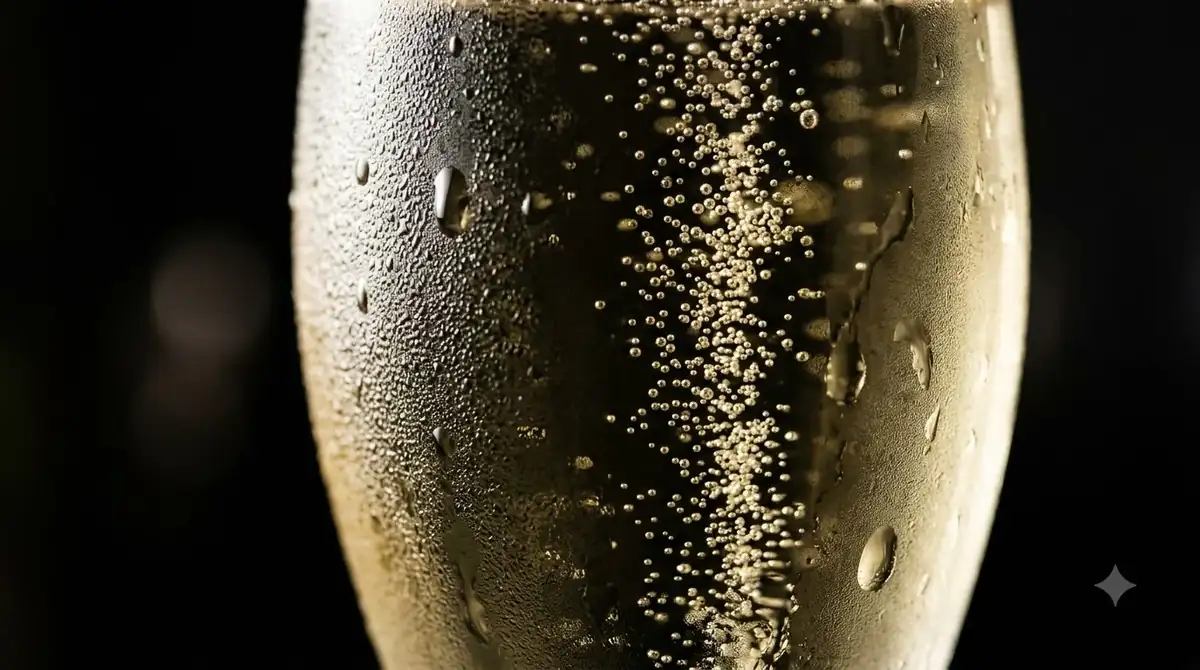
Franciacorta is produced using the traditional method, meaning its second fermentation takes place inside the bottle. This process creates the wine’s bubbles and allows it to develop additional texture and aromas during contact with spent yeast cells, known as lees.
The process begins with hand-harvested grapes that are gently pressed. The resulting juice undergoes its initial fermentation to produce base wine. Winemakers then select and blend individual base wines according to the intended style, using different grape varieties, vineyard sources, and, where appropriate, reserve wines from previous harvests.
After blending, the wine is bottled with the ingredients needed for a second fermentation. Yeast converts additional sugar into alcohol and carbon dioxide. Because the bottle is sealed, the carbon dioxide remains dissolved in the wine, creating its characteristic bubbles.
The bottles then remain in contact with the lees for a legally prescribed minimum period. This maturation can contribute aromas of bread crust, brioche, yeast, biscuits, and toasted nuts, while also influencing the wine’s texture and overall complexity.
Lees Aging Requirements
The DOCG regulations distinguish between several categories, each with its own minimum maturation requirement. These periods are measured from the date of bottling for the second fermentation until disgorgement.
| Franciacorta category | Minimum lees aging | Main characteristic |
|---|---|---|
| Standard Franciacorta | 18 months | Fresh, balanced sparkling wine |
| Franciacorta Rosé | 24 months | Red-fruit character and structure |
| Franciacorta Satèn | 24 months | Creamier texture and softer bubbles |
| Millesimato | 30 months | Vintage-specific expression |
| Riserva | 60 months | Extended maturation and complexity |
These are minimum legal periods, not guarantees that every wine will have the same flavor or quality. Some producers choose longer maturation to develop additional complexity. A 60-month Riserva, for example, has considerably more time to develop mature aromas than a standard bottling released after its minimum 18-month period.
Remuage and Disgorgement
Before disgorgement, bottles undergo remuage, the process of gradually moving and turning them so that the sediment collects in the neck. This can be carried out manually or with specialized mechanical equipment.
During disgorgement, the accumulated lees are removed. A dosage may then be added to determine the wine’s final sweetness category before the bottle is sealed with a cork and wire cage.
The amount of sugar in the dosage influences the finished wine’s style. However, sweetness is only one component of the final impression. Acidity, alcohol, grape composition, and maturation also affect how dry or rounded a sparkling wine seems on the palate.
For additional background on the production rules, the Franciacorta Consortium’s official regulations provide the legal specifications for permitted grapes, production practices, and maturation periods.
5. Franciacorta Wine Styles and Label Terminology
Franciacorta wineries produce several sparkling wine styles, including standard Franciacorta, Satèn, Rosé, Millesimato, and Riserva. Understanding these categories helps buyers select bottles according to their preferred texture, fruit profile, and level of maturation.
Brut and Other Dosage Categories
Brut is a common starting point for exploring Franciacorta. It typically combines freshness and acidity with enough dosage to balance the wine without making it noticeably sweet. Citrus, green apple, pear, and light bakery aromas are common reference points, although individual wines vary.
Other dosage categories indicate progressively different sugar levels. The sequence from driest to sweetest is Brut Nature, Extra Brut, Brut, Extra Dry, Dry, Demi-Sec, and Doux. This terminology can be confusing because Extra Dry is sweeter than Brut, despite its name.
Brut Nature and Extra Brut are useful choices for drinkers who prefer a particularly dry finish. Demi-Sec provides a sweeter profile that can work well with fruit desserts and dishes containing gentle sweetness.
Satèn: Creamier Texture
Satèn is one of Franciacorta’s most distinctive categories. It is made exclusively with white grape varieties, with Chardonnay representing at least 50% of the blend and Pinot Bianco permitted up to 50%.
Its defining characteristic is lower bottle pressure, with a maximum of five bars. This creates a softer impression of effervescence compared with standard Franciacorta. Satèn also requires at least 24 months of lees aging and can be marketed only as Brut.
Its flavor profile often emphasizes white flowers, pear, apple, almonds, and creamy bakery notes. Satèn is a particularly good choice for drinkers who enjoy traditional-method sparkling wine but prefer a gentler mousse.
Rosé Franciacorta
Rosé Franciacorta must contain at least 35% Pinot Nero. Its color and fruit character come from the use of this red grape variety, while the finished wine retains the freshness and structure expected of traditional-method sparkling wine.
Depending on the producer, Rosé can show aromas of strawberry, raspberry, red currant, and subtle floral notes. Some examples emphasize freshness and delicate fruit, while others have greater body and a more pronounced Pinot Nero character.
The minimum lees aging requirement is 24 months. Rosé is particularly useful at the table because its fruit character and acidity can complement dishes that are more substantial than those normally served with a delicate white sparkling wine.
Millesimato and Riserva
Millesimato identifies a vintage Franciacorta made predominantly from grapes of a single harvest year. At least 85% of the wine must come from the stated vintage, and the category requires at least 30 months on the lees.
Riserva represents a more extended maturation category. It requires at least 60 months on the lees, allowing more time for the development of complex aromas and a mature palate. Depending on the producer and vintage, these wines can show toasted bread, hazelnut, dried citrus, and deeper savory characteristics.
Tip: For a useful comparison, open a standard Brut, a Satèn, and a Millesimato from the same producer. Serve them at approximately 45–50 F and compare their bubble texture, acidity, fruit character, and bakery aromas. This makes the effect of grape composition and extended lees aging easier to recognize.
6. Visiting Franciacorta Wineries and Planning a Tasting
A winery visit provides a closer look at the relationship between Franciacorta’s vineyards, production facilities, and finished sparkling wines. Many producers offer some combination of cellar tours, vineyard visits, guided tastings, and opportunities to learn about the traditional method.
Erbusco is a useful starting point because it is closely associated with several prominent producers and lies within the heart of the denomination. Other places to include in a regional itinerary are Iseo, Adro, Passirano, and Monticelli Brusati. These communities offer different perspectives on the landscape and wine-growing environment.
Choosing Wineries for a Visit
For a first visit, consider selecting producers with different approaches rather than booking several wineries that make very similar wines. A large established house can provide an overview of the denomination’s history and production scale. A smaller producer may offer a more detailed discussion of individual vineyard sites and specific winemaking decisions.
Ca’ del Bosco, Bellavista, and Guido Berlucchi are useful names to investigate for visitors interested in established producers and recognizable regional styles. Barone Pizzini is particularly interesting for those who want to learn more about organic vineyard management. Montina provides another perspective through its vineyards across seven municipalities.
Not every winery operates a public tasting room with unrestricted access. Visits may require advance reservations, and available experiences can differ by season, group size, language, and the producer’s schedule. Confirm the current tour arrangements directly with each winery before traveling.
What to Expect During a Cellar Tour
A typical educational visit can begin with an explanation of the vineyard area and its grape varieties. Guides may discuss Chardonnay, Pinot Nero, Pinot Bianco, and Erbamat, along with the importance of hand harvesting and gentle pressing.
The cellar portion can introduce visitors to base-wine fermentation, blending, tirage, and bottle maturation. Some wineries also explain remuage and disgorgement, helping visitors understand why traditional-method sparkling wine requires considerable time and specialized equipment.
Ask how the producer distinguishes its standard Brut from its Satèn, Rosé, or vintage wines. Questions about the proportion of reserve wines, dosage, lees aging, and vineyard sourcing often lead to more informative discussions than simply asking which bottle is the most prestigious.
Planning a Practical Itinerary
A relaxed itinerary might include two winery visits in one day, with sufficient time for lunch and travel between appointments. Three lengthy tastings can become tiring, particularly when each includes a full cellar tour and several wines.
Lake Iseo makes a natural addition to a wine-focused trip. The surrounding landscape provides opportunities to explore lakeside villages, local restaurants, and regional food specialties between appointments. The proximity to Brescia also makes it possible to combine wine visits with a broader cultural itinerary.
Arrange transportation before scheduling tastings, especially if several wineries are involved. Drivers should avoid drinking alcohol, and visitors should allow sufficient time for appointments rather than trying to fit too many cellar visits into one afternoon.
Franciacorta is also an appealing destination for travelers exploring other European wine regions. Those planning a wider Italian itinerary might compare its sparkling wine culture with Puglia wineries, where regional wine traditions focus on different grape varieties and still-wine styles.
7. Serving Franciacorta and Pairing It with Food
Franciacorta is a versatile table wine, not simply a drink for celebrations. Its acidity, bubbles, and range of styles make it suitable for seafood, fried dishes, poultry, cheeses, and selected desserts, provided the wine’s sweetness and intensity match the food.
Serving temperature makes a noticeable difference. Sparkling wines are generally best served between 40 and 50 F. This temperature range helps preserve freshness while allowing the wine’s aromas to develop as it warms slightly in the glass.
Use a tulip-shaped sparkling wine glass when possible. Its shape provides enough room for aromatic development while maintaining the visual appeal of the bubbles. A standard 5-ounce pour is appropriate for a tasting, and a 750-milliliter bottle provides approximately five such glasses.
Food Pairings for Different Styles
Brut Franciacorta is an excellent match for oysters, shrimp, scallops, and simply prepared white fish. Its acidity and bubbles refresh the palate, while its restrained sweetness works well with the natural flavors of seafood.
Fried foods are another strong match. Fried calamari, vegetable fritters, and lightly breaded seafood benefit from the wine’s acidity and effervescence. These qualities help balance the richness of the cooking oil and the crisp texture of the coating.
Satèn is especially suitable for dishes with creamy or delicate textures. Consider serving it with risotto, roasted chicken, mild cheeses, or pasta with a light cream sauce. Its softer mousse and rounded texture complement these foods without overwhelming their flavors.
Rosé Franciacorta offers additional flexibility. Its Pinot Nero character can work with grilled salmon, roasted poultry, mushroom dishes, and charcuterie. The wine’s red-fruit flavors also make it a natural partner for dishes containing tomatoes or herbs.
Vintage and Riserva wines generally have more developed flavors and can complement richer dishes. Consider aged cheeses, roast poultry, mushroom risotto, and dishes featuring roasted nuts. Avoid pairing highly tannic red wines with oily fish, as the combination can create an unpleasant metallic impression.
Matching Sweetness and Avoiding Common Mistakes
Sweetness matters when choosing sparkling wine for dessert. The wine should be at least as sweet as the dish, or the food can make it seem excessively acidic and austere. A Demi-Sec Franciacorta may therefore be more suitable for a sweet fruit dessert than a very dry Brut Nature.
Acidic foods also require attention. Dishes with lemon, vinegar, or strong tomato acidity generally need a wine with equal or greater acidity. A fresh Brut is often more successful with citrus-seasoned seafood than a soft, low-acid wine.
Salt and fat can soften the perception of tannin in wines, while chili heat can become more pronounced alongside alcohol and tannin. For spicy dishes, a fresh sparkling wine with moderate alcohol and little noticeable tannin is generally a safer choice than a powerful red wine.
Opened bottles should be stored in the refrigerator with a suitable sparkling wine stopper. As a practical guideline, sparkling wine generally retains its best qualities for approximately one to three days after opening, although freshness depends on the wine and how securely it is resealed.
For the best experience, avoid serving every Franciacorta at the same temperature or pairing every bottle with the same food. A fresh Brut, creamy Satèn, and mature Riserva offer different strengths, and thoughtful serving choices help reveal those differences.
Frequently Asked Questions
Is Franciacorta made in the same way as Champagne?
Both wines use the traditional method, with the second fermentation taking place inside the bottle. However, Franciacorta is an Italian DOCG denomination with its own grape rules and regional production requirements. Champagne comes from a separate French appellation with different geographical boundaries and regulations.
How many wineries are there in Franciacorta?
Wine Enthusiast describes the region as having more than 120 wineries. The number of active producers and their individual production volumes can change over time. The denomination includes both prominent international producers and smaller family-operated businesses.
Can Franciacorta be made entirely from Pinot Nero?
Standard Franciacorta can use Chardonnay and/or Pinot Nero as its principal grapes, with Pinot Bianco and Erbamat permitted within their respective limits. Franciacorta Rosé has a separate requirement of at least 35% Pinot Nero. Satèn must contain at least 50% Chardonnay and uses only white grape varieties.
Does Franciacorta produce still wine as well as sparkling wine?
Yes. The broader Franciacorta area also produces still wines under the Curtefranca DOC and Sebino IGT designations. Curtefranca includes white and red wines, while Sebino IGT allows a broader range of grape varieties and wine styles than the Franciacorta sparkling DOCG.
Can Franciacorta be aged after purchase?
Some vintage and Riserva bottlings can develop additional complexity with careful bottle aging. Storage conditions are important: keep bottles away from direct sunlight, significant temperature changes, and vibration. A cool storage environment near 55 F is a useful target, with bottles kept on their sides when appropriate for their closure and storage setup.
Franciacorta wineries demonstrate how Italy has developed a distinctive traditional-method sparkling wine culture through regional grape varieties, careful vineyard management, and extended bottle maturation. From the historic importance of Guido Berlucchi to the modern prestige of Ca’ del Bosco and Bellavista, the region offers plenty of styles and producers to explore. Start with a classic Brut, compare it with Satèn or Rosé, and then discover how vintage and Riserva wines express the depth of Franciacorta’s vineyards and cellar traditions.
More in Wine Regions
 Willcox Wine Trail: Discover Arizona’s High-Elevation Wine CountryUpdated Nov 20, 2026
 Yakima Valley Wine Region: Find the Best Styles to TryUpdated Nov 20, 2026
 Vosne Romanee Wine Tasting: Identify Aromas and Choose Better PairingsUpdated Nov 20, 2026
 Yakima Valley Wine Festival: Find the Best Seasonal Wine EventsUpdated Nov 20, 2026
 Wales Vineyards: Discover Cool-Climate Wines and Where to VisitUpdated Nov 20, 2026
 Yountville Wine Festival: Discover Napa Wines and Local FoodUpdated Nov 20, 2026