

We may earn a commission when you buy through links on this page, at no extra cost to you. Learn more.
DAOU wine comes from DAOU Vineyards, a Paso Robles estate founded in 2007 on DAOU Mountain in the Adelaida District, and the winery is known mainly for Cabernet Sauvignon and Bordeaux-style red blends. The brothers Georges and Daniel Daou started the estate after building a healthcare technology business, and Daniel serves as the winemaker. The wines are built for structure and aging, and the brand sits among the most visible names in the Paso Robles Cabernet community.
Paso Robles has become one of California’s most talked-about wine regions, and DAOU is often part of that conversation. Shoppers who see the name on a shelf or a restaurant list want to know where the wine comes from, what style it represents, and whether it suits their table. This guide covers the estate’s history, its focus on Bordeaux varieties, the flavors to expect, how to serve the wines, and which foods bring out their best.
The story behind DAOU Vineyards
The brothers Georges and Daniel Daou grew up in Beirut, Lebanon. According to the Paso Robles History Museum, a rocket struck their home at the start of the Lebanese Civil War and both boys were badly hurt, and the family later moved to France. The brothers came to California to study engineering at UC San Diego, went on to found Daou Systems, Inc., a healthcare information technology company, and later sold it. That business success provided the capital for the winery.
In 2007 the brothers acquired the property that became DAOU Mountain, after a long search for a site they felt suited Bordeaux varieties. They planted a vineyard on the mountain’s slopes and started DAOU Family Estates. The estate sits in the Adelaida District, a cooler, higher-elevation area of Paso Robles. The site’s terroir was first identified by Dr. Stanley Hoffman, and the brothers preserved the original winery building on the property. The Paso Robles History Museum’s DAOU page describes this early history in more detail.
The brand has grown since then. In 2020 the estate acquired the Bank of Italy building in downtown Paso Robles, which is being renovated while keeping its facade and architectural style. In later years the business drew the attention of larger wine companies, and Decanter reported on a major acquisition by Treasury Wine Estates, although the Daou brothers remain closely involved in the winemaking and leadership.
What DAOU makes
DAOU’s portfolio centers on Cabernet Sauvignon and Bordeaux-style blends. The estate is a leading voice for those varieties in Paso Robles, and the brothers also helped establish the Paso Robles CAB Collective, a group of local wineries that promote Cabernet and related Bordeaux grapes in the region. Their focus on Bordeaux varieties sets the house apart from the many Rhône-style and Zinfandel producers in the area.
Because the estate works with a single hillside site, the wines tend to show a consistent character from year to year. The Cabernet styles are the most recognizable, while the red blends combine Cabernet with other Bordeaux grapes to add texture and aromatic lift. Reading the label for the specific bottling is the best way to know which style you are buying.
| Category | What it covers | What to look for |
|---|---|---|
| Estate Cabernet Sauvignon | Core focus of the estate | Dark fruit, firm structure |
| Bordeaux-style red blends | Cabernet with other Bordeaux grapes | Layered fruit, savory notes |
| Single-site expression | Fruit from DAOU Mountain | A sense of place and elevation |
Flavor profile of DAOU wine
DAOU Cabernet Sauvignon is generally full-bodied and fruit-forward, with dark berry, black currant, and plum at the center. The hillside setting adds savory and mineral notes that keep the wine from feeling heavy. Tannins are usually firm enough to give the wines a long finish and a clear sense of structure, which is typical of Paso Robles Cabernet grown on mountain sites.
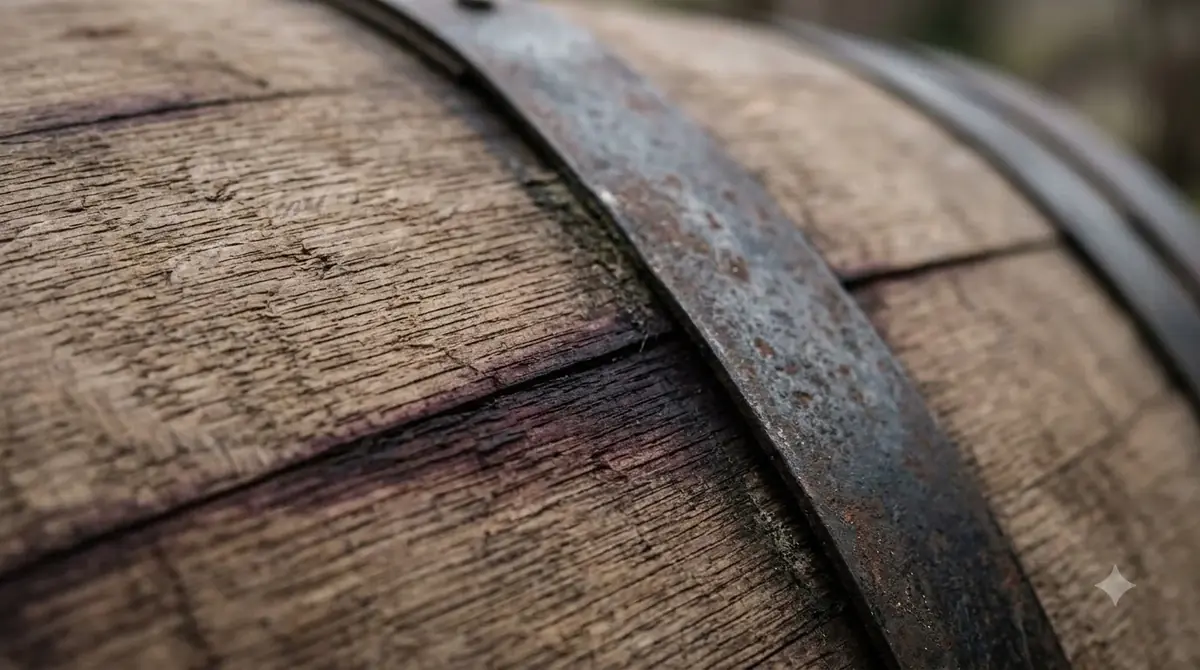
The Bordeaux-style blends tend to be more layered, with the Cabernet providing backbone and the other varieties adding aromatic lift and a softer mid-palate. Oak plays a supporting role, adding vanilla and spice without covering the fruit. If you want a comparison point, Napa Cabernet from a valley-floor site often shows a rounder, more plush texture, while mountain Cabernet from Paso Robles tends to read leaner and more savory.
How to serve DAOU wine
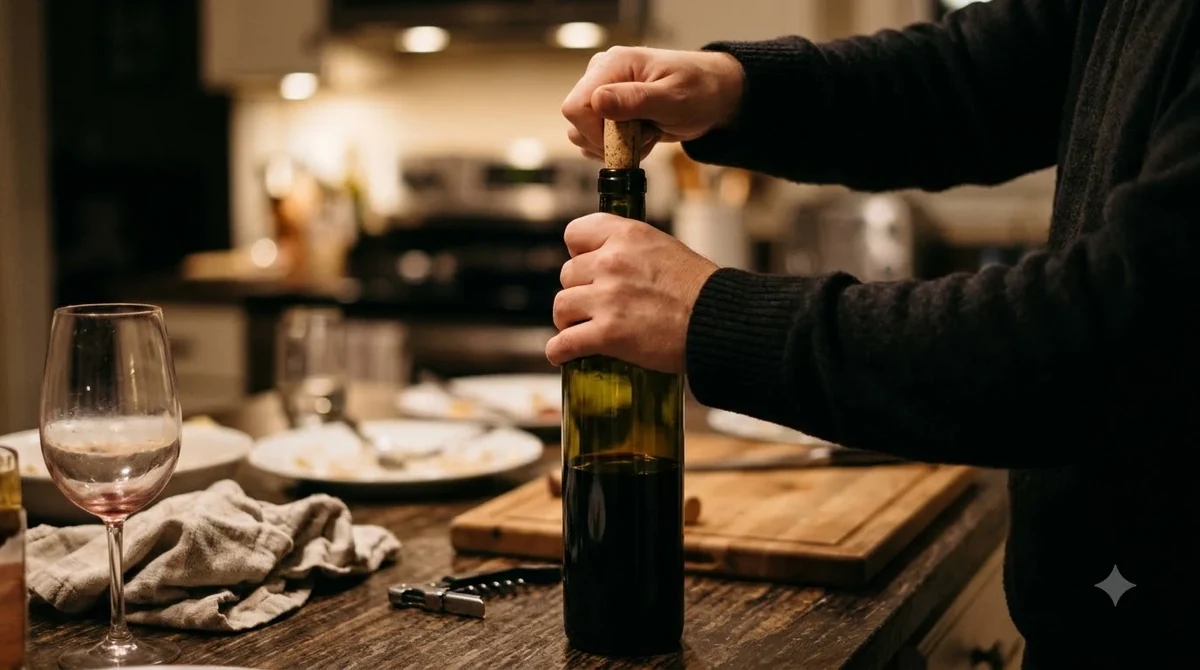
Serve DAOU reds at a cool room temperature, which for a structured Cabernet means a little below the warmest end of the range. A standard red wine glass with a generous bowl lets the aromas open as you swirl. If the bottle has been stored in a warm room, a short stop in the refrigerator will bring it into range without making it taste closed.
Decanting is worth doing for younger bottles, especially the Cabernet and the blends, which often benefit from an hour of air to soften the tannins and lift the fruit. Older bottles should be opened closer to serving time, and any sediment is best left behind by pouring slowly or decanting carefully.
Food pairing with DAOU wine
Grilled or roasted red meat is the classic match for a structured Cabernet. Beef, lamb, and rib-eye with a herb or peppery sauce all suit the wine’s firm tannin and dark fruit. Mushroom dishes, braised short ribs, and roasted root vegetables with rosemary also work well because they echo the wine’s savory side.
The Bordeaux-style blends are flexible enough for a wider menu, including roast duck, grilled lamb chops, and hard aged cheeses such as aged cheddar or Manchego. For a lighter dinner, try a pasta with a tomato-based ragu, which balances the wine’s acidity and fruit. Avoid pairing a big DAOU red with delicate fish, since the wine will overpower the dish.
Who DAOU wine suits
DAOU suits buyers who want a structured, Bordeaux-focused red from a Paso Robles estate with a clear identity. It is a good choice for dinners with red meat, for gifts to someone who enjoys Cabernet, and for drinkers who want to follow a single producer across several vintages. The estate’s story and focus on one site also give it a personal feel that many shoppers appreciate.
It may not suit drinkers who prefer soft, low-tannin reds for everyday sipping. Those shoppers might look at lighter Pinot Noir or a fruit-driven red blend instead. Buyers who are still learning about wine often start with a more approachable brand such as barefoot wine before moving to a structured estate Cabernet.
If you want to compare DAOU with another Cabernet from the same region, the daou cabernet guide goes deeper into the varietal, and the wider Wine Brands section shows how other producers approach similar styles.
Frequently Asked Questions
Where is DAOU Vineyards located?
DAOU sits on DAOU Mountain in the Adelaida District of Paso Robles, on the Central Coast of California. The estate overlooks the coastal mountains, and its higher elevation is part of what shapes the wine’s savory character.
What is DAOU known for?
DAOU is best known for Cabernet Sauvignon and Bordeaux-style red blends. The estate has a strong focus on those varieties and helped found the Paso Robles CAB Collective to promote them in the region.
Who founded DAOU Vineyards?
The brothers Georges and Daniel Daou founded the estate after building a healthcare information technology company. Daniel serves as the winemaker, and both brothers remain involved in the winery.
Does DAOU wine need to be decanted?
Younger bottles, especially the Cabernet and the blends, benefit from about an hour of air before serving. Older bottles should be opened closer to serving time, and decanting them gently helps keep any sediment out of the glass.
DAOU offers a clear example of a Paso Robles estate built around one site and a few Bordeaux varieties. Start with the estate Cabernet to learn the house style, give younger bottles some air, and serve them with red meat or savory dishes. From there, compare a blend or a different vintage to see how the mountain fruit changes over time.
More in Wine Brands
 Underwood Wine Price: Compare Bottles, Cans, and Pack SizesUpdated Nov 21, 2026
 Zenato Wine Price: Compare Styles and Choose the Right BottleUpdated Nov 21, 2026
 Zuccardi Wine Price: Compare Bottles and Find the Right RangeUpdated Nov 21, 2026
 Yellow Tail Moscato Review: Taste, Sweetness and Serving TipsUpdated Nov 21, 2026
 Wolf Blass Yellow Label Review: Choose Your Best StyleUpdated Nov 21, 2026
 Wolffer Estate Rose Review: Choose the Right Bottle for Your TableUpdated Nov 21, 2026