

We may earn a commission when you buy through links on this page, at no extra cost to you. Learn more.
The arizona wine trail is best explored as three distinct wine-country regions: Verde Valley, Willcox, and Sonoita. Each region has its own vineyards, tasting-room communities, grape varieties, and high-desert landscape. Rather than following one continuous road, visitors can plan separate wine-tasting trips around the towns and wineries that make each area distinctive.
Arizona wine country offers a different experience from the state’s better-known desert attractions. Vineyards grow among northern Arizona’s red-rock scenery, southeastern grasslands, and the wide agricultural valleys surrounding Willcox. High elevations, intense sunshine, cool nights, and seasonal monsoon rainfall influence how grapes grow and how local wines develop. Understanding the geography makes it easier to choose a route, select tasting stops, and plan enough time to enjoy the experience.
How the Arizona Wine Trail Is Organized
The Arizona wine trail is a collection of regional tasting routes rather than a single official road connecting every winery. Its three principal wine-growing areas are the Verde Valley, Willcox, and Sonoita, each recognized as a federally designated American Viticultural Area.
An American Viticultural Area, or AVA, identifies a grape-growing region with distinctive geographical characteristics. According to the Arizona Wine Growers Association, a wine labeled with an AVA must contain at least 85% grapes grown within that region, and it must be fully finished within the state where the AVA is located. This gives visitors a useful way to understand where the grapes came from instead of treating every Arizona wine as though it had the same origin. The Arizona Wine Growers Association’s regional overview provides a useful introduction to the state’s growing areas and their geographical differences.
The three regions are separated geographically, so a visitor should not assume that a tasting room in Sedona is a quick stop on the way to a vineyard near Willcox. The Verde Valley lies in northern Arizona, while Willcox and Sonoita are in the southeastern part of the state. Their elevations, growing conditions, and vineyard landscapes differ enough to make each region a worthwhile destination on its own. Travelers researching other American wine destinations may also find the Wine Regions section useful for understanding how local growing conditions shape regional wine identities.
| Region | Typical vineyard elevation | Average annual rainfall | Geographic character |
|---|---|---|---|
| Verde Valley | 3,000–5,500 feet | 16–18 inches | Creek valleys, red-rock surroundings, varied soils |
| Willcox | 4,000–5,500 feet | 13–18 inches | Broad agricultural valley and mountain foothills |
| Sonoita | 4,500–5,200 feet | 15–20 inches | Open grasslands and rolling high-desert hills |
The elevation and rainfall ranges in this comparison come from the Arizona Wine Growers Association’s descriptions of the three regions. They are regional ranges, not measurements that apply to every vineyard. A particular property may sit at a different elevation or receive different rainfall depending on its location and surrounding terrain.
Verde Valley: Creekside Vineyards and Northern Arizona Scenery
The Verde Valley is a strong choice for travelers who want to combine wine tasting with Sedona’s scenery and the historic character of nearby small towns. Its vineyards and tasting rooms are spread across communities including Cottonwood, Cornville, Clarkdale, Jerome, and Sedona.
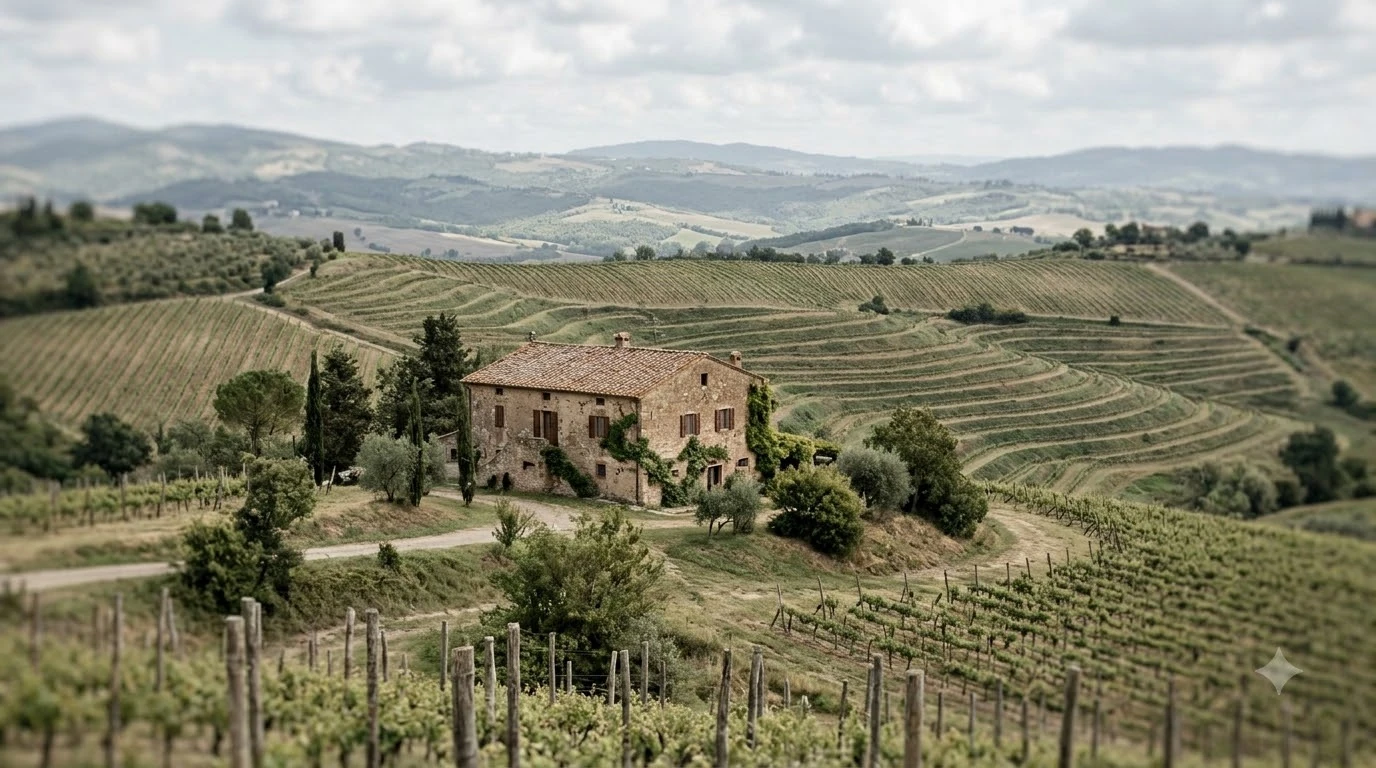
The area benefits from a varied landscape rather than one uniform vineyard environment. According to the Arizona Wine Growers Association, vineyards in the Verde Valley range from approximately 3,000 to 5,500 feet in elevation. Local soils include limestone near Rimrock, sandstone around Sedona, basalt near House Mountain, and fertile alluvial deposits close to Oak Creek and the Verde River. These differences help explain why vineyards in separate parts of the valley can develop distinctive growing conditions, even when they share the broader regional identity.
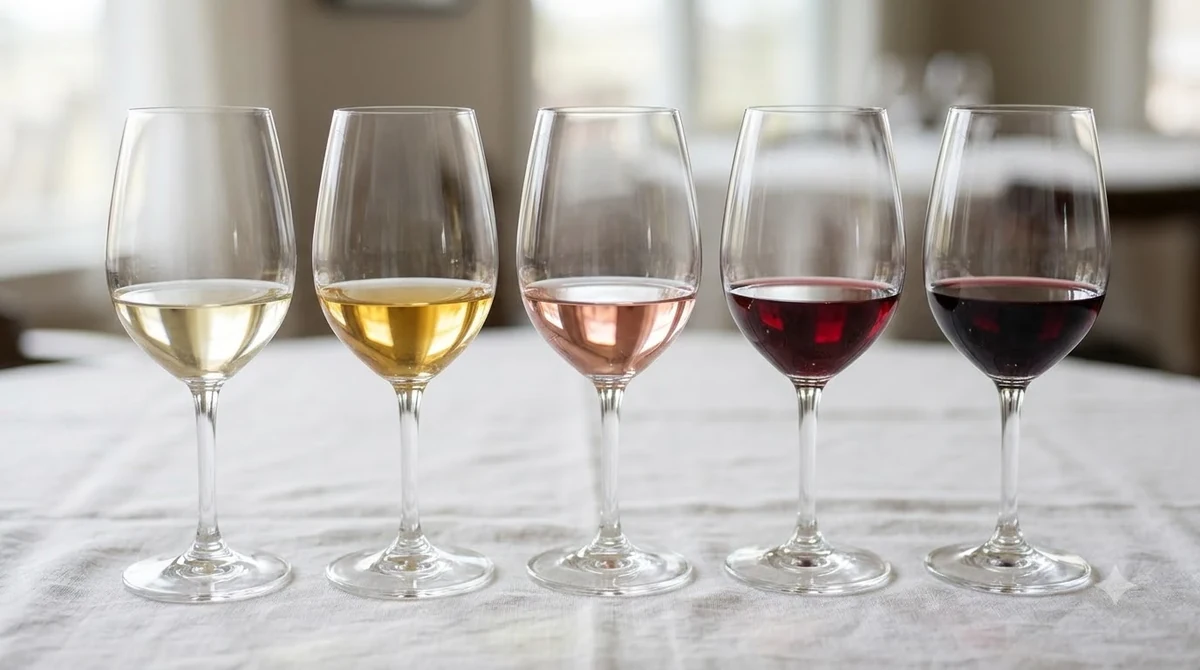
Verde Valley wines include both red and white varieties. Visit Arizona highlights Syrah, Zinfandel, and Cabernet Sauvignon among the region’s red grapes, while Malvasia Bianca and Viognier are examples of its white varieties. This range makes the region useful for visitors who want to compare different styles in one trip instead of concentrating exclusively on full-bodied reds. A tasting flight that includes a white wine and two contrasting reds can provide a good introduction to the area’s diversity.
Cottonwood is a practical starting point for exploring the area. It sits approximately 100 miles north of Phoenix by road, with Interstate 17 providing a main approach. Old Town Cottonwood offers restaurants, shops, and tasting opportunities, while nearby Cornville and Page Springs provide a more rural setting. Visitors interested in creekside scenery can look toward Page Springs Cellars, located near Oak Creek and less than 20 minutes south of downtown Sedona. Alcantara Vineyards is another notable Verde Valley stop. Visit Arizona identifies its property as having more than 20,000 vines across 17 grape varieties.
Jerome and Clarkdale make useful additions for travelers who want to see more than one community. Jerome’s hillside location provides a different atmosphere from Cottonwood’s historic main street, while Clarkdale is another useful base for discovering local wine producers. These towns are close enough to consider as part of a regional itinerary, but visitors should still allow time for driving, parking, and tasting appointments rather than planning an unrealistic number of stops.
Willcox: Arizona’s Major Grape-Growing Region
Willcox is an important destination for visitors who want to experience Arizona wine production close to its agricultural roots. The region accounts for a substantial share of the state’s grape crop and offers a combination of vineyard properties, rural roads, and tasting rooms in and around the town of Willcox.
The Willcox AVA extends across southeastern Arizona, including Willcox, Pearce, Kansas Settlement, and Turkey Creek, along with areas of Cochise and Graham counties. The Arizona Office of Tourism reports that the region accounts for approximately 74% of Arizona’s grape production and contains two-thirds of the state’s vines. Its scale gives Willcox an important role in supplying grapes for wines made across Arizona, including some that visitors may encounter in tasting rooms outside the region.
Vineyards in Willcox generally grow between approximately 4,000 and 5,500 feet. The surrounding landscape includes the Chiricahua, Dos Cabezas, and Dragoon mountain ranges, as well as the Sulphur Springs Valley. The Arizona Wine Growers Association reports that vineyard sites can experience temperature fluctuations of up to 50 degrees between day and night during the growing season. These changes matter because warm daytime conditions support ripening, while cooler nights can help preserve freshness in the grapes.
Visit Arizona highlights Grenache, Tempranillo, and Mourvèdre among the varieties associated with the region. These grapes give visitors an opportunity to explore wines with different textures and flavor profiles, from generous red-fruit character to deeper savory notes. The area’s gravelly soils and warm, dry days are also associated with structured, expressive wines. A tasting flight that compares Grenache with Tempranillo or Mourvèdre can help visitors understand the range of red-wine styles produced in the area.
Willcox itself is a convenient center for wine tasting. The historic downtown contains several places to sample Arizona wine without driving from one rural vineyard to another for every stop. The official Visit Willcox directory lists producers including Aridus Wine Company, Birds and Barrels Vineyards, Copper Horse Vineyard, Golden Rule Vineyards, Keeling Schaefer Vineyards, and Pillsbury Wine Company. Other properties are outside the center, including wineries around Pearce. This mix means visitors can combine a walkable downtown tasting experience with a separate drive to a vineyard property.
Travelers coming from Tucson can use Interstate 10 to reach Willcox, with the journey taking approximately an hour depending on the starting point and traffic. The route is suitable for a dedicated day trip, although staying overnight gives visitors more flexibility to explore rural wineries and nearby attractions. Willcox also works well as a starting point for a longer southeastern Arizona itinerary that includes Sonoita and Elgin on another day.
Sonoita and Elgin: High-Altitude Grasslands and Traditional Vineyards
Sonoita is especially interesting for visitors who want to see Arizona’s early modern wine-growing history and its open high-desert countryside. The region’s rolling grasslands, mountain views, and vineyards between Sonoita and Elgin create a different atmosphere from the red-rock setting of the Verde Valley or the broad agricultural landscape around Willcox.
The Sonoita AVA was Arizona’s first federally recognized wine region. The Arizona Wine Growers Association places its vineyards at approximately 4,500 to 5,200 feet above sea level and identifies Sonoita, Elgin, and Patagonia among the communities associated with the valley. Its annual rainfall averages approximately 15 to 20 inches, much of which arrives during the summer monsoon season. The area’s location among the Santa Rita, Mustang, Whetstone, and Huachuca mountains contributes to its distinctive landscape and mineral-rich, gravelly loam soils.
High elevation is one of the most noticeable features of the Sonoita experience. Visitors may expect Arizona to mean low desert, saguaros, and intense heat, but the vineyards here occupy open grasslands at a considerably higher altitude. The conditions allow for warm days and cooler nights during the growing season. The resulting wines include varieties such as Sangiovese, Cabernet Franc, and Petit Verdot, which give the region a recognizable selection of European grape varieties adapted to local conditions.
Highway 82 is a useful route for exploring the area because vineyards and tasting destinations can be found between Sonoita and Elgin. Callaghan Vineyards in Elgin is one of the wineries highlighted by Visit Arizona. Rune Wines, in Sonoita, is another suggested starting point, with wines including Viognier, Grenache, Roussanne, and Syrah. Los Milics Vineyards in Elgin offers another style of tasting-room experience, with a building designed to frame views of the surrounding Mustang Mountains and grasslands.
Dos Cabezas WineWorks is also worth considering for visitors interested in learning how fruit from different vineyard locations can contribute to one producer’s wines. Visit Arizona describes its grapes as coming from Pronghorn Vineyard in Elgin and Cimarron Vineyard in the Kansas Settlement near Willcox. This is a useful reminder that regional wine identities can involve fruit from more than one growing site. A winery’s tasting selection may therefore provide a broader picture of Arizona viticulture than a single vineyard landscape can show.
Sonoita is less than an hour south of Tucson, according to Visit Arizona, and roughly an hour from Willcox. These distances make it possible to combine the southeastern regions on a longer trip, but each deserves enough time for its own tastings and scenery. Visitors who enjoy open landscapes, smaller communities, and vineyard-focused stops may find Sonoita a particularly rewarding destination.
Planning a Route, Choosing Stops, and Setting a Realistic Schedule
The easiest way to plan an Arizona wine trip is to select one region as the main destination and build a manageable itinerary around its nearby tasting rooms. Verde Valley, Willcox, and Sonoita each have enough individual character to fill a dedicated day, and attempting to cover all three in one afternoon would leave little time to enjoy any of them.
For a northern Arizona trip, use Cottonwood as a starting point and group stops around Cornville, Page Springs, Clarkdale, Jerome, and Sedona. A practical day could include a morning vineyard visit, lunch in Cottonwood, and one or two afternoon tastings. Visitors staying in Sedona can consider a shorter route toward Cornville and Page Springs rather than repeatedly driving back and forth across the valley. Those arriving from Phoenix should allow for the approximately 100-mile drive to Cottonwood before scheduling their first appointment.
For Willcox, begin with downtown tasting rooms and choose a separate vineyard visit if the schedule permits. The local directory lists a variety of producers in and around Willcox, while properties near Pearce require additional driving. Visitors should check the location of each tasting room before placing it on an itinerary. A stop that looks close on a regional map may still involve a meaningful drive along rural roads, so grouping nearby addresses is more practical than choosing wineries solely by name.
For Sonoita, follow Highway 82 between Sonoita and Elgin and select wineries that fit the day’s direction of travel. A visit to Callaghan Vineyards in Elgin can be paired with another tasting in Sonoita, such as Rune Wines or Dos Cabezas WineWorks. If the trip starts in Tucson, the region is suitable for a dedicated day excursion. Combining it with Willcox makes more sense as a multi-day journey than as a rushed single-day circuit.
Plan around the tasting-room schedule rather than assuming every vineyard accepts visitors throughout the day. Rural properties may operate on different hours from downtown tasting rooms, and some experiences may require reservations. Check opening days, appointment requirements, kitchen service, and group policies directly with each winery before setting out. This is especially important when visiting multiple locations or traveling during a holiday period.
Tip: Choose no more than three tasting appointments for a full day, group them by location, and leave time for lunch and the drive between properties. A shorter schedule makes it easier to ask questions, compare wines, and enjoy the landscape instead of watching the clock.
Transportation deserves attention, especially when several tasting rooms are included. A designated driver or arranged transportation is a practical choice for a day built around wine flights. Visitors should also plan for rural roads and changing weather conditions. Mobile service can vary outside town centers, so keeping winery addresses and directions accessible before leaving is useful. A printed itinerary or saved map can prevent unnecessary detours.
Arizona Wine Styles, Tasting Tips, and Food Pairings
Arizona wines reflect a broad range of grape varieties rather than one signature style shared by every region. Verde Valley, Willcox, and Sonoita each offer different combinations of grapes and growing conditions, making a regional tasting flight an effective way to discover what the state produces.
Start by comparing varieties rather than relying only on red-versus-white categories. A Verde Valley tasting might include Viognier or Malvasia Bianca alongside Syrah or Zinfandel. In Willcox, compare Grenache with Tempranillo or Mourvèdre. In Sonoita, Sangiovese, Cabernet Franc, and Petit Verdot provide useful examples of the region’s range. Ask the tasting-room staff which wines best represent the local vineyards and whether a flight includes fruit from a single AVA or several growing areas.
Food can make the differences between wines easier to understand. Red wines with more tannin, such as Cabernet Sauvignon, generally work better with protein-rich dishes than with delicate seafood. Salt and fat can soften the perception of tannin, making grilled meats, aged cheeses, and hearty vegetable dishes useful companions for structured reds. Lighter wines and more acidic whites suit dishes with citrus, fresh herbs, or tangy sauces because a wine’s acidity should be equal to or higher than the acidity of the food.
Think about the region’s available food as part of the itinerary. Cottonwood offers a convenient place to schedule lunch between tasting-room visits, and some winery destinations provide food or small plates. Visit Arizona describes Los Milics Vineyards in Elgin as offering a small-plate menu, while its description of Dos Cabezas WineWorks in Sonoita mentions wood-fired pizza. These options can make a tasting stop feel more like a complete visit rather than a brief sample of wine.
Serving temperature can also change how a wine feels. Light whites and rosé are generally best around 45 to 50 degrees Fahrenheit, while fuller-bodied whites are better around 50 to 55 degrees. Light reds are usually served at 55 to 60 degrees, and fuller reds at approximately 60 to 65 degrees. A red wine served too warm may seem heavier and more alcoholic, while a very cold red can hide some of its aromas and flavors.
Take notes during the visit, especially when sampling unfamiliar grapes. Record the winery, grape variety, region, and one or two impressions about aroma or texture. Even simple notes such as “bright red fruit,” “fresh acidity,” or “firm tannin” can help identify which styles were most appealing. When comparing several wines, taste lighter-bodied examples before more powerful reds so the stronger wines do not overwhelm the earlier ones.
Travelers who enjoy comparing regional wine experiences may also appreciate how different the traverse city wine trail is from Arizona’s high-desert vineyards. The applegate valley wine trail provides another point of comparison, particularly for visitors interested in how geography and regional grape choices shape a wine trip. Arizona’s combination of elevation, dry conditions, monsoon weather, and mountain surroundings gives its wine regions a distinct identity.
Frequently Asked Questions
Can I taste Arizona wine without visiting a vineyard?
Yes. Visit Arizona identifies the Scottsdale Wine Trail as a walkable route with five tasting rooms featuring wines from Arizona producers. This is a convenient alternative for visitors based in the Phoenix metropolitan area who cannot make a trip to Verde Valley, Willcox, or Sonoita.
Are there Arizona wine producers outside the three main AVAs?
Yes. The Arizona Wine Growers Association identifies smaller wine-growing areas outside the three principal AVAs, including Chino Valley, Young, Kingman, Williams, and Portal. These producers are sometimes described by the association as regional pioneers because they grow grapes in locations with their own microclimates.
Can I find several tasting locations in Cottonwood itself?
Yes. Visit Arizona identifies more than 10 places to taste wine along Cottonwood’s Main Street. This makes Old Town a useful option for travelers who prefer to park once and explore several tasting opportunities on foot rather than drive between individual vineyard properties.
Why does the University of Arizona study the state’s wine regions?
The University of Arizona Cooperative Extension studies the climate, soil, and topography of the Sonoita, Willcox, and Verde Valley AVAs. Its research considers how local environmental conditions affect grapevine growth, crop yields, fruit quality, and the suitability of different areas for wine-grape production.
Does the official Willcox wine directory include locations beyond the town?
Yes. The Visit Willcox directory includes properties in nearby Pearce as well as tasting locations in Willcox. It also lists Sand-Reckoner Vineyards at a Tucson address, showing that regional wine directories can include tasting options outside the immediate vineyard area.
The Arizona wine trail rewards travelers who approach it as a series of regional experiences rather than a race between tasting rooms. Verde Valley offers creekside vineyards and northern Arizona scenery, Willcox provides a close look at the state’s major grape-growing area, and Sonoita combines high-altitude grasslands with a long regional winemaking tradition. Choose one region for a focused first visit, then return for the others to experience the full range of Arizona wine country.
More in Wine Regions
 Willcox Wine Trail: Discover Arizona’s High-Elevation Wine CountryUpdated Nov 20, 2026
 Yakima Valley Wine Region: Find the Best Styles to TryUpdated Nov 20, 2026
 Vosne Romanee Wine Tasting: Identify Aromas and Choose Better PairingsUpdated Nov 20, 2026
 Yakima Valley Wine Festival: Find the Best Seasonal Wine EventsUpdated Nov 20, 2026
 Wales Vineyards: Discover Cool-Climate Wines and Where to VisitUpdated Nov 20, 2026
 Yountville Wine Festival: Discover Napa Wines and Local FoodUpdated Nov 20, 2026