

We may earn a commission when you buy through links on this page, at no extra cost to you. Learn more.
The best answer to what wine goes with short ribs is a full-bodied, dry red with enough tannin and acidity, especially Cabernet Sauvignon or Syrah for rich, slow-braised beef short ribs. Tannin balances the meat’s rendered fat, while acidity refreshes the palate and keeps a concentrated sauce from tasting heavy. The best bottle depends on whether the ribs are braised in red wine, glazed with something sweet, or seasoned with soy, herbs, or chile.
Short ribs are rich enough to stand up to substantial reds, but the sauce matters as much as the cut. A dark, wine-based braise welcomes structure; a sweet barbecue glaze calls for ripe fruit and lively acidity; and a salty, savory preparation can make firm tannins feel smoother. Use the cooking method and final sauce as your guide, then serve the wine at a temperature that lets its fruit and freshness show.
Why Short Ribs Pair Best With Structured Red Wine
Short ribs usually call for a dry red with full body, firm tannin, and enough acidity to balance richness. The combination makes sense because slow cooking softens the meat while concentrating its fat, collagen, browned edges, and braising liquid into a deeply savory dish.

Tannin is the drying sensation that can make a red wine feel firm around the gums. In a lean dish, high tannin can seem severe; beside fatty short ribs, that same structure feels more balanced because the richness of the meat softens the wine’s grip. Cabernet Sauvignon is the classic high-tannin choice, while Syrah usually brings medium-plus to high tannin, darker fruit, and savory spice. Merlot is softer and has medium tannin, so it can suit a braise when you prefer a gentler texture.
Acidity performs a different job. It gives the palate a fresh, mouthwatering counterpoint to a sauce reduced from stock, wine, vegetables, and meat juices. A wine with good acidity feels lively after a bite of rich beef rather than becoming dense beside it. That is why the best pairings are not simply the biggest or highest-alcohol bottles; a balanced wine needs freshness as well as weight.
Think about the sauce before deciding how much structure you want. A classic red-wine reduction can handle Cabernet, Syrah, or Nebbiolo; a sweeter glaze calls for a fruitier, more supple red. If the dish has noticeable chile heat, avoid a high-alcohol, heavily tannic wine, because alcohol and tannin can make the spice feel hotter.
Cabernet Sauvignon and Syrah for Classic Braised Short Ribs
Cabernet Sauvignon and Syrah are two of the strongest choices for traditional short ribs braised with dry red wine, beef stock, and herbs. Both have enough flavor and structure for the meat, but they bring different accents to the plate.
Cabernet Sauvignon is the straightforward choice when the sauce is dark, concentrated, and savory. Its high tannin stands up to the beef’s richness, and its dark-fruit character fits browned meat and a reduced sauce. Napa Valley Cabernet can offer a ripe, generous profile; Bordeaux-style Cabernet blends tend to emphasize firmer structure and savory notes. A bottle with balanced acidity is preferable to one that tastes only of oak or alcohol, particularly when the sauce already has a glossy, concentrated texture.
Syrah is especially appealing when the braise includes black pepper, garlic, rosemary, thyme, or charred aromatics. Wine Enthusiast’s pairing for braised short ribs specifically points to Syrah from Sonoma Coast or the Northern Rhône, noting the grape’s black-pepper, smoke, and savory-meat character alongside acidity and plush tannins. A Northern Rhône Syrah is a natural fit for a restrained herb-and-stock braise; a fuller, riper Syrah from California can match a more intensely reduced sauce. For a direct pairing reference, see Wine Enthusiast’s Syrah pairing for braised beef short ribs.
These wines also give you room to adapt the serving. Cabernet’s firmer tannin suits especially fatty ribs, while Syrah’s savory character works well with pepper, smoked paprika, or rosemary. A dry Merlot is a softer alternative when guests find young Cabernet too firm.
Malbec, Chianti, and Zinfandel for Different Flavor Profiles
Short ribs do not need to be paired with one grape variety every time. Malbec, Chianti, and California Zinfandel each work in a different version of the dish, from a plush, dark-fruited braise to a tomato-bright ragù or a sweet-tangy glaze.
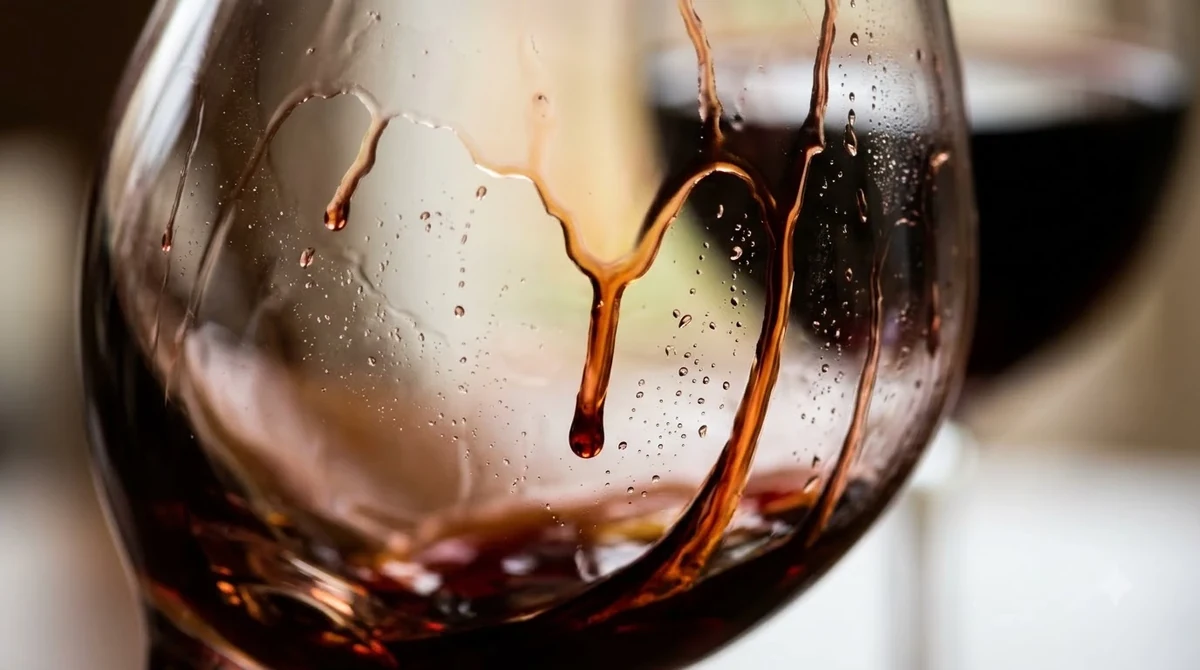
Malbec is a useful choice when you want ripe dark fruit and a rounder feel than a firm Cabernet can provide. Argentine Malbec from Mendoza often gives the meal a generous black-plum and blackberry profile, with enough body for slow-cooked beef. Choose a structured example for a red-wine braise and a softer, fruit-forward style for a glaze with a little sweetness. Malbec is not automatically low in tannin, but many examples feel approachable because ripe fruit and full body balance the wine’s grip.
Chianti, made primarily from Sangiovese, is particularly good with short-rib ragù or a tomato-based sauce. Its higher acidity refreshes the palate and complements tomato, while its tannin gives the wine enough frame for beef. Food & Wine notes that Chianti’s Sangiovese-driven acidity and tannins pair well with short-rib ragù served with orange-parsley gremolata. The citrus and herbs brighten the dish, making Chianti a more natural match than a very ripe, low-acid red. Chianti Classico is a useful step up in depth when the sauce is especially concentrated.
California Zinfandel suits a different direction: ribs braised with balsamic vinegar, brown sugar, or a barbecue-style glaze. The wine’s ripe fruit and peppery character echo caramelized flavors, while its acidity helps keep the pairing from turning cloying. Food & Wine recommends a rich, full-bodied California Zinfandel with balsamic-and-brown-sugar short ribs, and also discusses Chilean reds such as Carménère and Cabernet with cola-braised ribs. The same sweet-glaze logic is useful for what wine goes with pork ribs, although the meat and sauce still determine the final choice. Carménère generally has softer tannins and less acidity than Cabernet Sauvignon, so it can be appealing when a structured wine is desired without the same firm grip. Choose among these by the finished dish, rather than treating them as interchangeable: Malbec is the dark-fruited middle ground, Chianti is brighter with tomato and herbs, and Zinfandel suits a sweeter glaze. For another sauce-driven beef comparison, see what wine goes with beef brisket.
Choose the Wine by the Braising Liquid and Sauce
The liquid and glaze determine which part of the wine’s profile should stand out. A classic dry red braise welcomes structure, while sweetness, soy, tomato, vinegar, and chile each shift the ideal balance.
For traditional red-wine-braised short ribs, choose a dry red that is pleasant to drink and has enough acidity to keep the reduced sauce bright. Cabernet Sauvignon is an obvious option, but Merlot or a Rhône-style blend can work just as well when you want a softer profile. Bon Appétit’s red-wine-braised short rib recipe uses bone-in English-cut beef with onions, carrots, celery, garlic, and a full bottle of dry red wine; the meat braises for a few hours and can be made ahead. The recipe recommends Cabernet Sauvignon first, while also naming Merlot and Rhône-style red as suitable choices. Its advice is useful beyond that particular recipe: do not use a wine in the pot that tastes unpleasant in the glass.
When the sauce includes balsamic vinegar, brown sugar, honey, or cola, sweetness becomes a central factor. A very dry, tightly tannic Cabernet can seem harder beside a sweet glaze, so look for ripe fruit and a more generous texture. Zinfandel is a natural candidate; a fruit-forward Malbec or a softer Syrah blend can also work. The wine should still taste dry enough to balance the dish, but it should have enough ripe fruit to avoid seeming thin or sour against caramelized sauce.
Soy-based Korean-style short ribs need a slightly different approach. Soy sauce contributes salt, which can soften the sensation of tannin, while pear, brown sugar, or other sweet marinade ingredients can make a very dry red taste more bitter. Choose a juicy, medium-to-full-bodied red with moderate tannin, such as a supple Syrah blend or fruit-forward Malbec. For grilled galbi, where char and sweet-salty marinade are prominent, a chilled sparkling rosé or a fruit-driven red can refresh the palate. Keep chile heat in mind: a fiery sauce is usually better with moderate alcohol and restrained tannin than with a high-alcohol, heavily structured red. Tomato-rich short-rib ragù benefits from acidity, so Chianti or another Sangiovese-based wine can echo the tomato’s brightness. For a herb-forward jus without much sweetness, return to Syrah or Cabernet. The point is to match the sauce, not to assume every beef dish needs the same red.
Serve Short Ribs With the Right Temperature and Sides
Even a good bottle can feel heavy if it is served too warm or paired with sides that amplify the sauce’s weight. Serve full-bodied reds at 60–65°F, and build the plate with enough freshness, salt, and texture to keep each bite balanced.
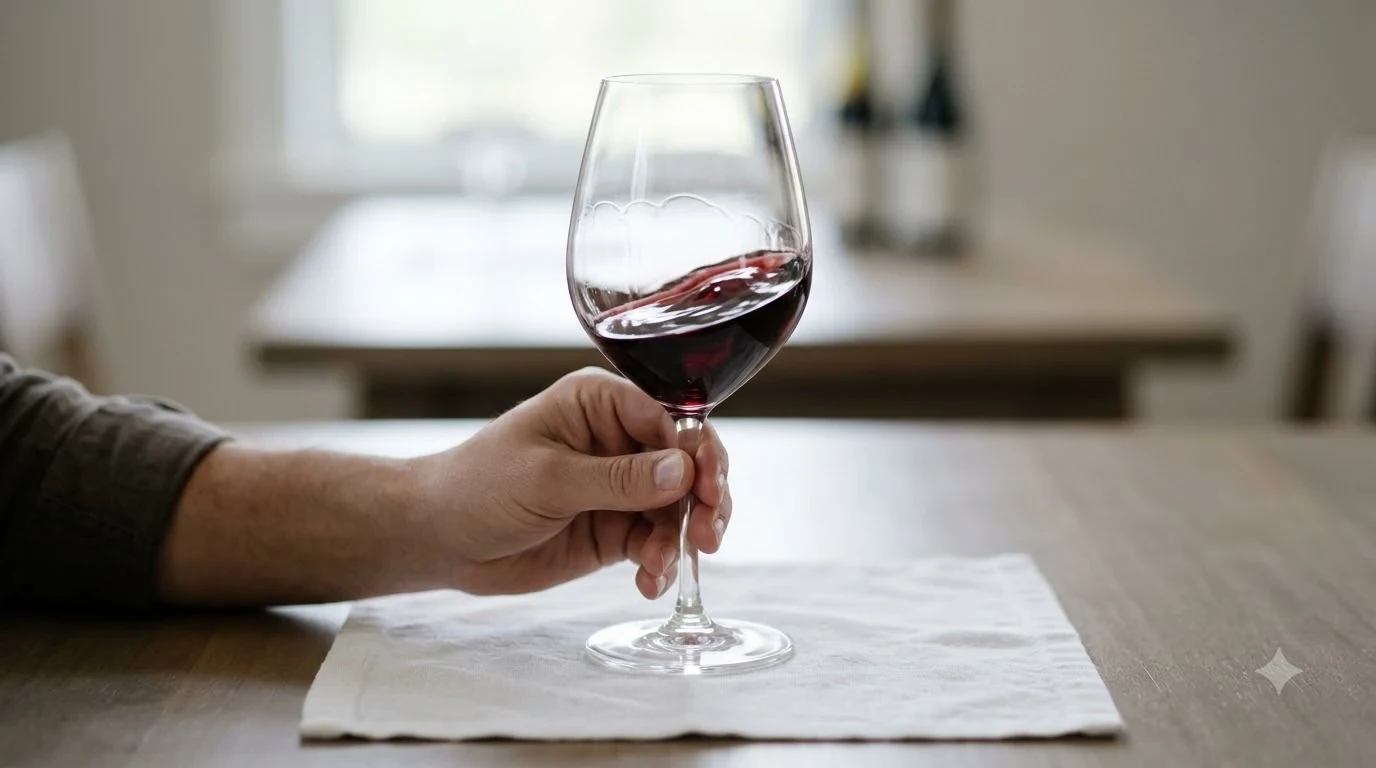
Do not serve a full-bodied red at a warm room temperature if the dining room is hot. A short time in a cool place can bring Cabernet, Syrah, or Malbec closer to 60–65°F, the recommended range for full reds. Excess warmth can make alcohol seem more prominent and fruit feel less fresh. Very young, full-bodied reds can benefit from 30–60 minutes in a decanter, which gives the wine time to open and helps soften the first impression of firm tannin. Older bottles with delicate aromas do not automatically need the same treatment.
| Short-rib preparation | Wine to try | Useful serving detail |
|---|---|---|
| Classic red-wine braise | Cabernet Sauvignon or Syrah | Serve at 60–65°F |
| Peppery, herb-led braise | Northern Rhône or Sonoma Coast Syrah | Serve at 60–65°F |
| Balsamic and brown-sugar glaze | California Zinfandel | Serve at 60–65°F |
| Young, firmly structured red | Cabernet Sauvignon or Syrah | Decant for 30–60 minutes |
Classic sides are easy to pair. Creamy mashed potatoes, soft polenta, and buttered egg noodles absorb the sauce and make the meal feel cohesive; roasted carrots, mushrooms, or charred onions echo the braise’s savory flavors. Add one bright element, such as a parsley salad, orange-parsley gremolata, or green vegetables with lemon, to introduce freshness. A tomato salad or pickled garnish can do similar work when the meat is especially rich. The aim is not to make the plate acidic overall, but to provide a fresh contrast to the beef and its sauce.
Salt can soften tannin, which is why a structured Cabernet may seem smoother beside a properly seasoned short rib than it does on its own. Fat also softens the perception of astringency, but a salty sauce that is also sweet or spicy does not automatically call for the biggest red. Choose ripe fruit and moderate tannin to keep the combination balanced. If you are serving blue cheese after the ribs, use the separate advice in what wine goes with blue cheese; the dinner red may not suit the cheese equally well. For a dinner party, prepare the ribs a day ahead when the recipe allows. Food & Wine notes that braises can be made one to three days early, making it easier to skim the chilled fat and reheat gently. The Wine Pairing guide explains how acidity, sweetness, salt, and tannin affect a whole menu.
Tip: Choose the wine after the sauce is finished, not just after you choose the cut. Taste a spoonful of the braising liquid: if it is dark and savory, reach for Cabernet or Syrah; if it is sweet and sticky, choose a fruitier red such as Zinfandel or Malbec; if it is tomato-bright, try Chianti.
Frequently Asked Questions
These quick answers cover serving choices that come up once the menu is set. The best bottle remains the one whose structure and flavor suit the finished sauce.
Can you serve white wine with short ribs?
Yes, although a full-bodied white is a less typical choice than a structured red. A rich Chardonnay served around 50–55°F can bring enough texture for the meat, especially when the sauce is lighter and herb-led rather than heavily reduced. It will not provide the tannin that makes Cabernet or Syrah such natural partners, so keep the preparation relatively restrained.
How many glasses are in a standard bottle of wine?
A 750-milliliter bottle holds about five standard 5-ounce pours. That makes one bottle a reasonable starting point for five guests having one glass each, though a longer dinner or a second pour calls for more. A smaller pour can also be useful when serving several wines with different courses.
How long does opened wine keep after dinner?
Most opened still wines keep for about 3–5 days in the refrigerator when recorked or sealed. Remove the bottle from the refrigerator shortly before serving so a full red can move back toward its proper temperature. If the wine smells noticeably oxidized or tastes flat, use a fresh bottle for the next dinner.
Is Pinot Noir too light for short ribs?
Pinot Noir has low-to-medium tannin and high acidity, so it can be a good partner for a less heavy short-rib preparation. Try it with grilled or simply seasoned ribs, a lighter jus, or a dish with mushrooms rather than a very sweet, intensely reduced glaze. For a rich, fatty braise, Cabernet or Syrah is usually the more dependable match.
At what temperature should sparkling wine be served?
Serve sparkling wine at 40–50°F, colder than a full-bodied red. That range helps preserve its crisp impression and keeps the bubbles lively in the glass. Take the bottle from the refrigerator shortly before pouring rather than leaving it on the counter throughout dinner.
For most slow-braised short ribs, start with Cabernet Sauvignon or Syrah and let the sauce make the final decision. Choose Malbec for a rounder, fruit-forward red, Chianti for tomato and herbs, or Zinfandel for a sweet-tangy glaze. Serve the bottle at the right temperature, add a fresh side to the plate, and the pairing will feel balanced from the first bite to the last.
More in Food & Wine Pairing
 Risotto With White Wine Recipe: Make a Creamy Dinner at HomeUpdated Nov 20, 2026
 Wassail With Wine Recipe for a Festive Spiced Holiday DrinkUpdated Nov 20, 2026
 Spritz Veneziano Recipe: Make a Classic Venetian Aperitivo at HomeUpdated Nov 20, 2026
 Summer Wine Punch Recipe for Easy Homemade EntertainingUpdated Nov 20, 2026
 Bishop Recipe: How to Make a Bright, Citrus-Forward Red Wine CocktailUpdated Nov 20, 2026
 Wine Cupcakes Recipe: Bake Rich Chocolate Cupcakes at HomeUpdated Nov 20, 2026