

We may earn a commission when you buy through links on this page, at no extra cost to you. Learn more.
The ahr wine region is a small wine-growing area in northern Germany’s Rhineland-Palatinate, best known for elegant Pinot Noir (Spätburgunder) grown on steep, sun-facing slate and rocky vineyards. Its distinctive combination of a relatively cool northern climate, sheltered river valley, and warm vineyard slopes produces red wines with fresh acidity, expressive red-fruit flavors, and refined structure. Although Pinot Noir dominates local production, the region also makes Frühburgunder, Portugieser, Riesling, and increasingly popular Blanc de Noir wines.
Germany is internationally associated with Riesling, but the Ahr offers a different perspective on German winemaking. Along a relatively short stretch of river between the Eifel Hills and the Rhine, winegrowers cultivate predominantly red grapes on difficult, often dramatically steep terrain. The result is a distinctive wine region where vineyard location, grape selection, and careful cultivation play important roles in the character of each bottle. Understanding its geography and traditions makes it easier to recognize what separates Ahr wines from Pinot Noir produced in Burgundy, Baden, or other European regions.
Where Is the Ahr Wine Region?
The Ahr is a small wine-growing region in northern Rhineland-Palatinate, Germany, situated along the Ahr River before it joins the Rhine south of Bonn. Its relatively compact geography brings together steep vineyard terraces, picturesque wine villages, and sheltered slopes that support red grape cultivation farther north than many people might expect.
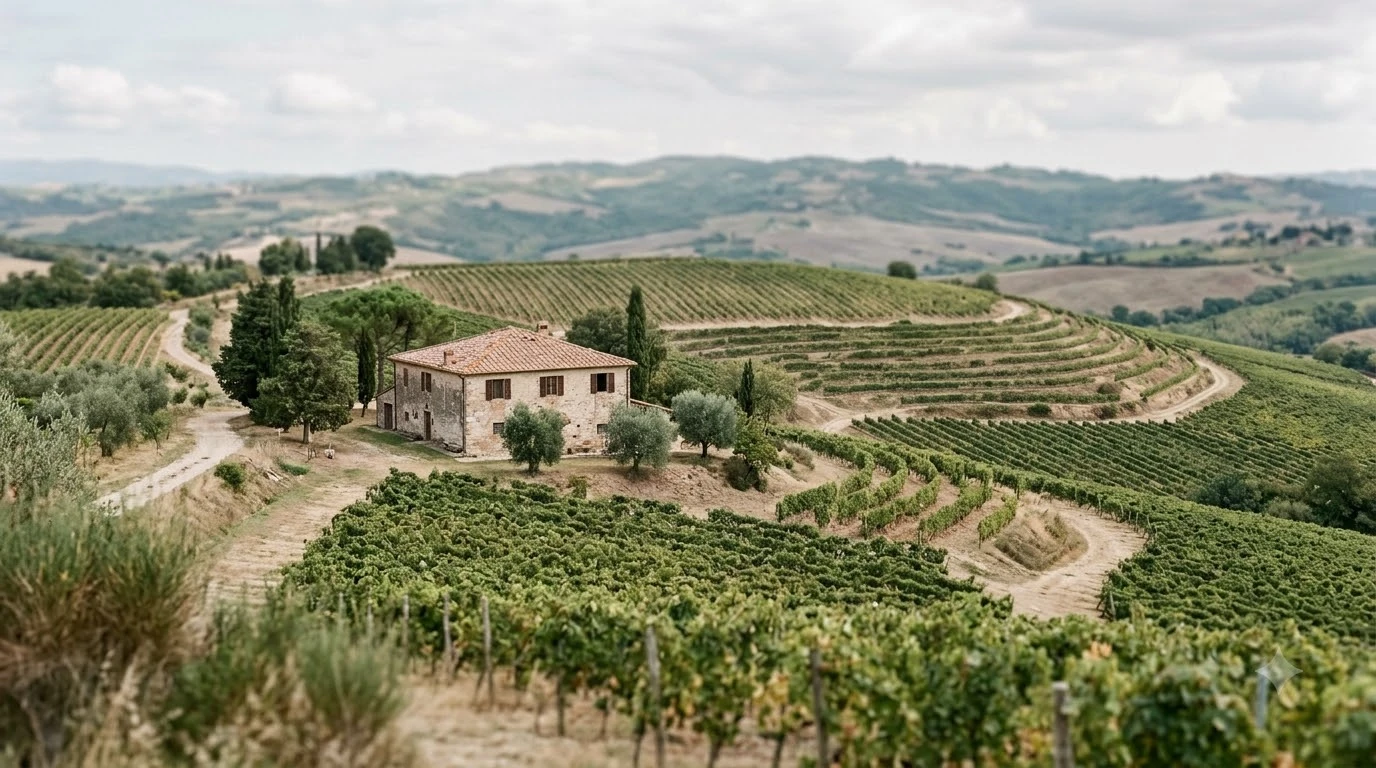
The vineyards extend approximately 24 kilometers along the river, from the western village of Altenahr toward the eastern valley around Bad Neuenahr-Ahrweiler and the Rhine. The Ahr is one of Germany’s smallest official wine-growing regions. Wines of Germany reports 535 hectares of vineyard area and approximately 40 individual vineyard sites in its regional statistics. That compact scale makes the area particularly interesting for wine drinkers who enjoy exploring differences between individual vineyard locations.
The surrounding Eifel Hills provide an important geographical advantage. They offer protection from colder northern weather, while the winding river valley creates sheltered growing locations. South-facing slopes receive particularly useful sunlight, allowing grapes to ripen under conditions that might otherwise be challenging for a predominantly red-wine region at this latitude.
Several villages are central to understanding Ahr wine. Altenahr is associated with dramatic vineyard scenery and historic wine-country landscapes. Mayschoß is particularly important because of its longstanding cooperative tradition. Rech, Dernau, and Walporzheim are also recognized wine-growing communities, while Bad Neuenahr-Ahrweiler serves as a major regional center.
The area is accessible from the larger cities of Bonn and Cologne, making it a popular destination for wine tourism. Visitors can combine winery visits with village restaurants, vineyard walks, and scenic viewpoints. Unlike larger wine regions where vineyards may stretch across extensive plains, the Ahr often feels intimate and closely connected to its river, villages, and surrounding hills.
The Ahr’s geographical identity is also reflected in its official wine classification. It is one of Germany’s 13 designated wine-growing regions, known in German as Anbaugebiete. Its wines carry the regional designation Ahr, identifying their geographical origin rather than simply their grape variety.
Climate, Geography, and Vineyard Soils
The Ahr’s distinctive wines result from a combination of northerly latitude, sheltered slopes, relatively low rainfall, and soils that retain warmth while allowing excess water to drain. Slate, greywacke, volcanic rock, and loess contribute to the region’s varied vineyard conditions.
The VDP regional association reports approximately 560 millimeters of annual precipitation in the Ahr Valley. Its location in the rain shadow of the Eifel Hills helps keep conditions relatively dry compared with some other German growing areas. This is particularly useful for red grapes, which benefit from a sufficiently long and favorable ripening period.
The river’s direction also influences vineyard exposure. The Ahr generally runs from southwest to northeast, creating slopes that face different directions. The particularly valuable south-facing vineyards on the left bank receive substantial sunlight. Their dark soils absorb daytime warmth, helping maintain favorable temperatures around the vines.
Soil conditions change along the valley. The western and middle sections contain substantial quantities of slate, greywacke, and rocky volcanic material. The eastern valley becomes broader, with gentler slopes and deeper loess soils. These differences influence drainage, water availability, vineyard temperatures, and the practical difficulty of cultivation.
Slate is especially important to the region’s identity. Its dark surface absorbs heat from sunlight, while the underlying rock structure can allow water to move through the soil. Greywacke also contributes to the area’s well-drained vineyard conditions. Although soil type does not independently determine flavor, these geological differences influence how vines grow and how winegrowers manage individual sites.
Many vineyards are extremely steep. In some locations, machinery cannot operate safely or effectively, making manual vineyard work essential. Pruning, canopy management, vineyard maintenance, and harvesting require considerable physical effort. Terraces and retaining walls help winegrowers manage these challenging slopes.
Tip: When comparing Ahr Pinot Noir bottles, look beyond the regional name and investigate the vineyard location. A wine from a steep, slate-rich site may have a different structure and expression from one grown on deeper loess soils in the broader eastern valley.
The combination of relatively cool regional conditions and warm individual vineyard sites is especially significant. Rather than relying exclusively on a hot climate to ripen red grapes, Ahr winegrowers take advantage of sheltered slopes, sunlight exposure, and local geology. This balance helps explain why the region can produce Pinot Noir with ripe fruit character while retaining freshness.
Spätburgunder: The Signature Grape of the Ahr
Spätburgunder, the German name for Pinot Noir, is the defining grape of the Ahr and accounts for approximately two-thirds of its vineyard area. Its combination of red-fruit aromas, moderate tannins, and naturally lively acidity makes it particularly well suited to the region’s cool climate and varied vineyard sites.
Wines of Germany reports that Spätburgunder occupies approximately 347 hectares in the region, representing around 64.9% of its total vineyard area. The Ahr also has Germany’s highest proportion of red grape varieties, with red plantings accounting for 79% of vineyard acreage. This concentration makes the region unusual in a country better known internationally for white wines.
Ahr Pinot Noir is generally associated with red cherry, raspberry, strawberry, and sometimes darker berry aromas. Depending on the producer, vineyard, and winemaking approach, additional notes can include violet, spice, earth, subtle herbal character, and oak-derived vanilla.
Its texture is another important characteristic. Pinot Noir generally has low-to-medium tannin compared with varieties such as Cabernet Sauvignon or Syrah. Ahr examples can therefore feel structured without being excessively heavy. Their acidity helps maintain freshness, while ripe fruit provides a satisfying middle palate.
Different approaches to Pinot Noir
Not every Ahr Pinot Noir follows the same winemaking philosophy. Some producers favor bright fruit, restrained oak, and relatively early drinking. Others use longer maturation and oak barrels to develop additional complexity and structure. Both approaches can express the grape successfully, but they create different experiences in the glass.
Unoaked or lightly oaked examples often emphasize fresh cherry, raspberry, and floral aromas. They can be particularly appealing to people who enjoy lighter-bodied reds and want to appreciate the fruit character of Pinot Noir without prominent barrel influence.
More structured examples may spend time in larger wooden vessels or smaller oak barrels. Oak maturation can introduce notes of vanilla, toast, baking spice, and subtle wood character. The goal is generally to complement the grape rather than overwhelm its delicate aromas.
Producer and vineyard differences matter considerably. A wine from a warmer, more sheltered site may show riper fruit, while a cooler location can preserve a more restrained profile. Vintage conditions also influence concentration, acidity, tannin development, and the timing of harvest.
For newcomers, a straightforward dry Spätburgunder is an excellent introduction. More experienced Pinot Noir drinkers can explore single-vineyard bottlings and wines with more extensive barrel maturation to understand the range of styles available in the region.
Other Important Ahr Grapes and Wine Styles
Although Pinot Noir receives most of the attention, the Ahr produces several other distinctive wines. Frühburgunder, Portugieser, Dornfelder, Riesling, and Pinot Blanc contribute to a more varied regional selection than its reputation as a red-wine destination might suggest.
Frühburgunder
Frühburgunder is one of the region’s most interesting traditional specialties. Its name refers to its earlier ripening compared with Spätburgunder. It is also known internationally as Pinot Noir Précoce and is closely related to Pinot Noir.
Its early ripening is particularly useful in a relatively northerly wine region, where the growing season can be challenging. The grape has a relatively small presence compared with mainstream Pinot Noir, making it an appealing discovery for people interested in less familiar European varieties.
Frühburgunder wines often display attractive red-fruit aromas, including cherry and raspberry, with a distinctive concentration and color. Their precise structure depends on vineyard conditions and winemaking. Bottles can be particularly interesting for drinkers who enjoy Pinot Noir but want to explore a closely related variety with its own identity.
Portugieser
Portugieser is another traditional red grape found in the Ahr. It generally produces lighter, approachable wines with fresh fruit character and less pronounced structure than many oak-aged Pinot Noirs.
Depending on the producer, Portugieser can be made as a fresh red intended for relatively early drinking or as a more substantial wine. Its approachable character makes it useful for casual meals, simple dishes, and occasions when a less tannic red is preferable.
Dornfelder
Dornfelder is a German red grape known for its deep color and approachable dark-fruit character. Compared with Pinot Noir, it typically produces a more visibly colored wine with a different fruit profile. Blackberry, plum, and other dark-fruit impressions are common descriptions.
It provides an alternative for drinkers who prefer a darker, more immediately expressive red. Its presence also illustrates that the Ahr’s identity is not limited to delicate Burgundy-style wines.
Riesling and other white grapes
Riesling is the best-known white grape produced in the Ahr. Its naturally high acidity can provide freshness and aromatic definition, with citrus, apple, peach, and floral characteristics depending on ripeness and production style.
Müller-Thurgau and Pinot Blanc also contribute to the region’s white-wine production. Pinot Blanc generally offers a softer, more rounded profile than Riesling, making it a useful alternative for people who prefer less pronounced acidity.
Blanc de Noir
Blanc de Noir is an especially interesting regional specialty. The term describes white wine produced from red grapes, most notably Pinot Noir in the Ahr. The winemaker presses the grapes gently and limits contact between the juice and colored grape skins, allowing the wine to retain a pale appearance.
These wines offer a different way to experience Pinot Noir. Rather than emphasizing red-fruit and tannin characteristics associated with conventional red wine, they generally focus on freshness, delicate fruit, and a lighter structure. They can be particularly useful for meals where a red grape’s character is appealing but a white-style wine is more appropriate.
Understanding Ahr Vineyards, Villages, and Producers
The Ahr’s wine identity is closely connected to its individual villages, steep vineyard sites, and cooperative tradition. Exploring these locations provides a better understanding of the differences between wines than considering the region as a single uniform area.
Mayschoß is one of the best-known wine communities. Its cooperative, Mayschoß-Altenahr, was founded in 1868 and is recognized by the regional tourism organization as the oldest registered winegrowers’ cooperative in the world. Cooperative production has played an important role in supporting local growers and maintaining a regional market for Ahr wine.
The importance of cooperatives extends beyond history. According to Wines of Germany, five cooperatives produce and market approximately 75% of the region’s wine. This collective approach allows growers to combine resources, coordinate production, and reach consumers more effectively than many small independent vineyards could manage alone.
Walporzheim is another important wine village. It is home to the Gärkammer, a particularly small vineyard site covering just 0.7 hectares. Its limited size illustrates the fragmented character of some Ahr vineyards, where individual locations can be very small but highly regarded.
Dernau and Rech are also worth recognizing. Both form part of the central wine-growing landscape and are associated with the steep slopes and vineyard terraces that characterize much of the valley. Visitors interested in comparing producers can use these villages as starting points for exploring local wine estates.
Recognized Ahr estates
The VDP, Germany’s association of quality-focused wine estates, has an established regional group in the Ahr. Its listed producers include Deutzerhof, Burggarten, J.J. Adeneuer, Jean Stodden, Kreuzberg, Meyer-Näkel, and Nelles.
The VDP.Ahr regional association was established independently in 2017. Its six member estates collectively cultivate approximately 56 hectares. This is a small proportion of the entire region, illustrating that the VDP represents a selected group of producers rather than every vineyard or winery in the Ahr.
Jean Stodden is associated with Rech, while J.J. Adeneuer is based in Bad Neuenahr-Ahrweiler. Meyer-Näkel is another recognized name among the region’s Pinot Noir specialists. These producers provide useful starting points for exploring different approaches to German Spätburgunder.
Kloster Marienthal also deserves attention. The historic monastery dates to the 12th century and is home to the Ahr’s largest wine estate, according to Wines of Germany. Its setting illustrates the longstanding connection between viticulture, religious institutions, and the cultural history of European wine regions.
For consumers who want to explore the region systematically, comparing a cooperative wine with an independent estate bottling can be particularly informative. Look at grape variety, vineyard origin, oak treatment, and alcohol content rather than assuming that all wines from the same village will taste alike.
How to Choose, Serve, and Pair Ahr Wines
Choosing an Ahr wine is relatively straightforward once the grape variety and intended drinking occasion are considered. Pinot Noir is the natural starting point, while Frühburgunder offers a less common alternative, Portugieser suits lighter meals, and Riesling provides a fresh white-wine option.
For a first bottle, look for a dry Spätburgunder from a recognized producer. A regional bottling can provide an accessible introduction to the area’s red-fruit character. If you already enjoy Burgundy or other cool-climate Pinot Noir, a single-vineyard Ahr wine may be a more interesting comparison.
Pay attention to the wine’s production style. Wines matured primarily in stainless steel or large wooden vessels may emphasize fresh fruit. Those aged in smaller oak barrels can show additional vanilla, toast, and spice. Neither approach is inherently superior; the better choice depends on your preferred balance between fruit and oak.
Recommended serving temperatures
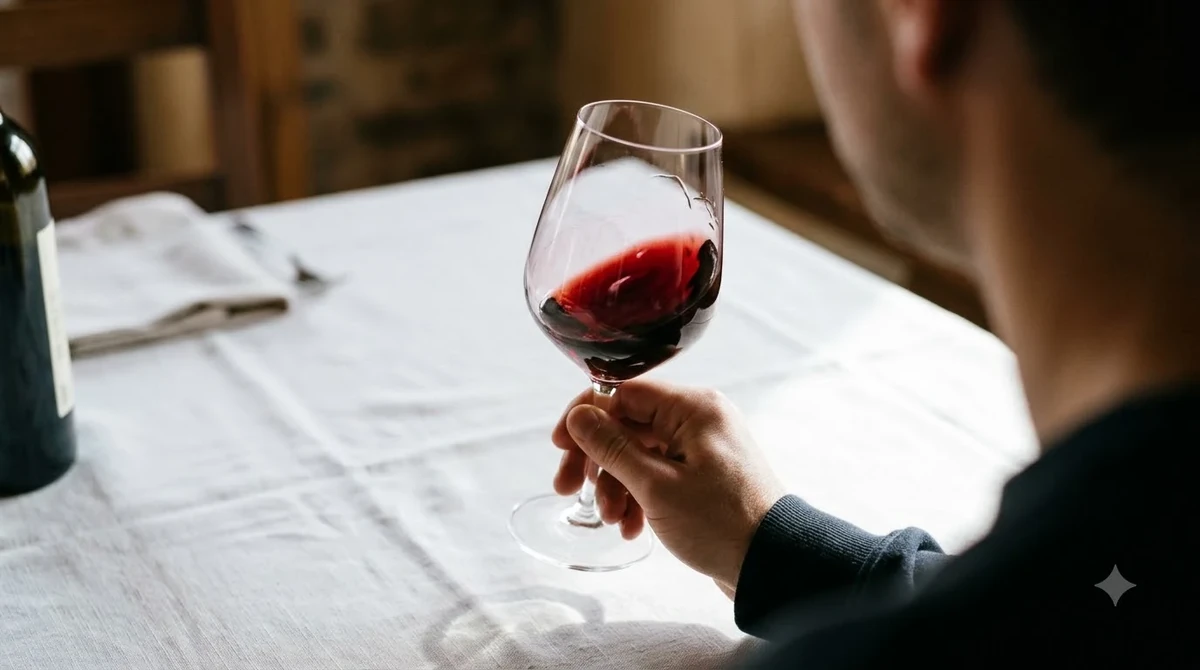
Temperature has a significant effect on the way wine expresses its aromas and structure. Pinot Noir should generally be served slightly cooler than full-bodied reds. Chilling it moderately helps preserve freshness and prevents alcohol from dominating the fruit.
| Wine style | Recommended temperature | Typical serving approach |
|---|---|---|
| Ahr Spätburgunder | 55–60°F | Lightly chilled red wine service |
| Ahr Frühburgunder | 55–60°F | Serve slightly cool to emphasize fruit |
| Ahr Portugieser | 55–60°F | Fresh, approachable red wine service |
| Ahr Riesling | 45–50°F | Chilled white wine service |
| Ahr Pinot Blanc | 45–50°F | Chilled white wine service |
| Ahr Blanc de Noir | 45–50°F | Cool white-style wine service |
These temperatures are practical starting points rather than rigid rules. A very aromatic Pinot Noir may benefit from a few minutes in the glass as it warms, while a simple, fruit-forward Portugieser can be enjoyed slightly cooler. If a red wine feels too warm and alcoholic, a short period in the refrigerator can improve its balance.
Food pairings for Ahr Pinot Noir
Pinot Noir is particularly versatile at the table because its relatively moderate tannin and fresh acidity work well with a range of foods. Roasted chicken, duck, pork tenderloin, mushroom dishes, and herb-seasoned vegetables are all useful pairings.
For a traditional German-inspired meal, try Spätburgunder with roast pork, mushroom gravy, or roasted poultry accompanied by potatoes. The wine’s acidity helps balance richer dishes, while its red-fruit aromas complement savory flavors without overwhelming them.
Frühburgunder works well with roasted duck, grilled mushrooms, and dishes featuring herbs. Its distinctive fruit character can make it an interesting alternative to conventional Pinot Noir at a dinner party.
Portugieser is suitable for lighter preparations, including roast chicken, mild sausages, vegetable dishes, and simple pasta recipes. Avoid pairing delicate examples with heavily smoked or extremely spicy foods, which can dominate the wine’s relatively gentle flavors.
Pairing Ahr white wines
Riesling is particularly useful with foods that benefit from high acidity. Fish, shellfish, pork, and dishes with citrus-based sauces can all work well, depending on the wine’s sweetness and body.
Dry Riesling is a strong option for grilled fish with lemon, while an off-dry example can balance mildly spicy Asian-inspired dishes. The wine should have enough sweetness to balance the dish without making the food taste excessively hot or bitter.
Pinot Blanc works well with roasted chicken, mild cheeses, creamy vegetable dishes, and delicate fish preparations. Its generally softer acidity and restrained aromas make it a flexible choice when a more intensely aromatic Riesling would dominate the meal.
Blanc de Noir can be served with seafood, salads, light poultry dishes, and appetizers. Its white-wine presentation makes it suitable for occasions when guests want something different from a conventional white grape variety.
Decanting and storage
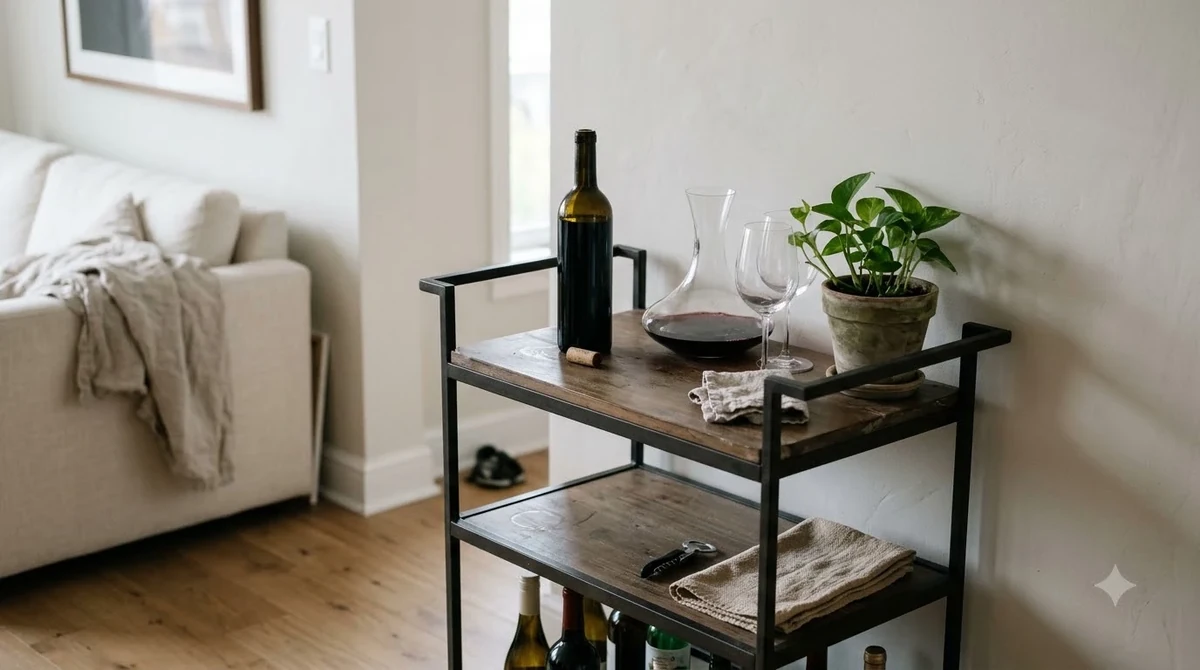
Most young Ahr Pinot Noir wines do not require lengthy decanting. A short period in an open glass or decanter can help the aromas develop, particularly for wines with more pronounced oak influence. Young, full-bodied reds may benefit from 30 to 60 minutes of decanting, although delicate Pinot Noir should be assessed carefully before extended aeration.
Store unopened bottles away from direct sunlight and large temperature fluctuations. A consistent storage temperature near 55°F is a useful target, with cork-finished bottles generally stored on their sides to keep the cork from drying out.
Once opened, still wines generally remain in good condition for approximately three to five days when properly resealed and refrigerated. Allow a red wine to warm moderately before serving it again. Smaller pours also help preserve the remaining wine by limiting repeated exposure to oxygen.
Visiting the Ahr Valley: Wine Tourism and Local Experiences
The Ahr is an appealing destination for wine tourism because its vineyards, villages, wineries, and walking routes are concentrated within a relatively small valley. Visitors can combine wine tasting with outdoor activities and historical sightseeing without needing to travel long distances between major attractions.
The Rotweinwanderweg, or Red Wine Hiking Trail, is one of the best-known ways to explore the landscape. It passes through vineyard areas and wine-growing villages, offering views of the steep slopes and the river valley. The route is particularly attractive to visitors who want to understand how terrain shapes local wine production.
Another way to explore the area is by following the Rotweinstraße, a designated driving route through wine country. It provides access to different villages and vineyard viewpoints. Visitors who prefer cycling can also explore the Ahr-Radtour, which follows the valley’s cycling routes.
Wine villages provide opportunities to visit tasting rooms, traditional wine taverns, and restaurants serving regional dishes. Mayschoß is especially interesting for its cooperative history, while Walporzheim offers access to the celebrated Gärkammer vineyard. Rech and Dernau provide additional opportunities to discover individual winegrowers.
Wine tasting is a useful way to compare the region’s different grapes. A tasting that includes Spätburgunder, Frühburgunder, and Riesling can demonstrate how varied the local production is. Comparing a fruit-forward Pinot Noir with a barrel-matured example can also reveal the influence of winemaking decisions.
Visitors should consider arranging winery appointments in advance, especially when planning to visit smaller independent estates. Many vineyards are family-run operations with limited staff, and availability can vary depending on the season and harvest schedule.
Seasonal events provide another reason to visit. The grape harvest is a particularly interesting time to see vineyard work, while village wine festivals offer opportunities to sample local bottles and experience the region’s hospitality. The best time for vineyard walks depends on personal preference: spring brings fresh growth, summer offers lush greenery, and autumn provides colorful vineyard landscapes during harvest.
The valley also has an important historical dimension. Its long association with wine production is reflected in its villages, cooperative buildings, vineyard terraces, and historic sites. Kloster Marienthal is a particularly notable example of the relationship between regional heritage and winemaking.
For a useful overview of the region’s vineyards, grape varieties, and wine-growing geography, consult the Wines of Germany profile of the Ahr. It provides regional vineyard statistics alongside details about the area’s terrain and principal grapes.
When planning a visit, it is useful to combine one or two winery tastings with a village walk and a meal at a local restaurant. Trying several wines in their place of origin gives a clearer impression of their regional character than simply comparing bottles at home.
For readers interested in comparing other cool-climate wine destinations, the Savoie wine region offers another distinctive European setting where geography and local grape varieties play a major role. The Switzerland wine region is another useful comparison for understanding how northern and Alpine growing conditions influence wine styles.
Frequently Asked Questions
Is the Ahr the northernmost wine region in Germany?
The Ahr is among Germany’s northernmost wine-growing regions, but it is not the country’s absolute northernmost region. Saale-Unstrut lies farther north in eastern Germany. The Ahr’s particular distinction is its unusually high concentration of red grape varieties despite its northerly location.
What does Spätburgunder mean in English?
Spätburgunder is the German name for Pinot Noir. The name is associated with the grape’s relatively late ripening compared with Frühburgunder. Both varieties belong to the Pinot family, but they are distinct cultivars and produce wines with their own characteristics.
What is the difference between Ahr wine and Mosel wine?
The main difference is the grape composition and regional wine identity. The Mosel is particularly famous for Riesling, while the Ahr is especially associated with red wines made from Spätburgunder. The two regions also differ in their vineyard geography, with the Ahr’s distinctive red-wine terraces contrasting with the Mosel’s famous steep riverbank Riesling vineyards.
What is the smallest famous vineyard in the Ahr?
The Gärkammer in Walporzheim covers approximately 0.7 hectares. Its small size makes it an interesting example of the Ahr’s highly fragmented vineyard landscape. Individual vineyard sites can have considerable recognition even when they occupy relatively little land.
Can Ahr Pinot Noir age in the bottle?
Yes. Some structured Ahr Pinot Noir wines can develop additional complexity with bottle age, particularly examples from recognized producers and carefully selected vineyard sites. Their development depends on vintage conditions, acidity, tannin, concentration, and winemaking choices. Simpler, fruit-focused bottlings are generally better enjoyed younger, while more concentrated wines may reward additional cellaring.
The Ahr is one of Germany’s most distinctive wine regions, combining a cool northern location with sheltered vineyards and a remarkable concentration of red grape varieties. Its Pinot Noir, rare Frühburgunder, traditional cooperatives, and varied vineyard sites make it particularly rewarding to explore. For anyone interested in European Pinot Noir, discovering the Ahr offers a valuable perspective on how geography and local winemaking traditions shape the character of a wine.
More in Wine Regions
 Willcox Wine Trail: Discover Arizona’s High-Elevation Wine CountryUpdated Nov 20, 2026
 Yakima Valley Wine Region: Find the Best Styles to TryUpdated Nov 20, 2026
 Vosne Romanee Wine Tasting: Identify Aromas and Choose Better PairingsUpdated Nov 20, 2026
 Yakima Valley Wine Festival: Find the Best Seasonal Wine EventsUpdated Nov 20, 2026
 Wales Vineyards: Discover Cool-Climate Wines and Where to VisitUpdated Nov 20, 2026
 Yountville Wine Festival: Discover Napa Wines and Local FoodUpdated Nov 20, 2026