

We may earn a commission when you buy through links on this page, at no extra cost to you. Learn more.
What are tasting notes? Tasting notes are descriptions of a wine’s appearance, aromas, flavors, texture, structure, and finish that explain what you can observe in the glass. They help wine drinkers understand a bottle’s character, compare different varieties, and recognize the styles they enjoy. A useful tasting note does not require complicated vocabulary or professional training. By paying attention to a few basic characteristics, anyone can describe wine clearly and make more informed choices.
Wine labels and restaurant wine lists often feature descriptions such as blackberry, citrus, toasted oak, crisp acidity, silky tannins, and a long finish. These expressions are not simply decorative language. Each one communicates something about the wine’s aromas, flavors, or physical sensations. Understanding how tasting notes work makes it easier to interpret those descriptions and decide whether a particular bottle matches your preferences. It also gives you a practical way to remember wines you have enjoyed and compare them with new discoveries.
What Wine Tasting Notes Actually Describe
Wine tasting notes provide a structured account of a wine’s sensory characteristics, rather than simply stating whether it tastes good. They bring together observations about appearance, smell, taste, mouthfeel, and the impressions that remain after each sip.

A professional tasting note usually begins with the wine’s appearance and aroma before moving to its palate and finish. For example, a description might identify a pale straw-colored Sauvignon Blanc with grapefruit, lime, fresh herbs, bright acidity, and a clean finish. Another might describe a Cabernet Sauvignon with dark cherry, blackberry, cedar, firm tannins, and a persistent finish. These descriptions communicate considerably more than simply calling the wines refreshing or powerful.
Tasting notes also help distinguish objective observations from individual preferences. Saying that a wine has high acidity describes a recognizable structural characteristic. Saying that you dislike its sharp, citrus-driven character expresses a personal reaction. Both observations are useful, but they serve different purposes.
There is no requirement that every taster identify precisely the same aromas. One person might recognize raspberry in a red wine, while another notices strawberry or red cherry. These differences reflect individual sensory experiences, familiarity with particular foods, and the memories people associate with aromas.
Another important distinction is that tasting notes are not necessarily scores. A wine can have a detailed description without receiving a numerical rating. Someone might appreciate its freshness and balance without considering it their favorite style. Understanding what wine ratings measure is useful because numerical evaluations and written descriptions answer different questions.
In practical terms, tasting notes are most valuable when they help you remember a wine accurately. A few specific details about fruit, acidity, body, and finish can make a bottle much easier to recognize later.
The Five Main Elements of a Wine Tasting Note
A useful tasting note covers five connected areas: appearance, aroma, flavor, structure, and finish. Considering these characteristics in a consistent order makes descriptions clearer and helps beginners avoid relying on vague words such as delicious or smooth.
Appearance describes the wine’s color, clarity, and intensity. White wines can range from pale greenish-yellow to deep gold, while red wines can appear purple, ruby, garnet, or brick-colored. Rosé wines commonly display pink, salmon, or pale orange tones. Appearance can provide clues about grape variety, production, and development, but color alone does not establish quality.
Aroma refers to the smells detected before and during tasting. These can include fruit, flowers, herbs, spices, earth, and oak-related characteristics. Swirling the wine gently helps release aromatic compounds, making individual scents easier to recognize.
Flavor describes the impressions experienced while drinking the wine. Aromas and flavors frequently overlap, so a wine that smells like lemon may also taste like lemon. However, the palate can reveal additional characteristics, including savory notes, bitterness, sweetness, and changes in fruit intensity.
Structure describes the physical sensations and proportions that shape the wine. The main considerations include sweetness, acidity, tannin, alcohol, and body. These characteristics explain why two wines with similar fruit aromas can feel completely different in the mouth.
Finish describes the flavors and sensations that remain after swallowing or spitting. A short finish disappears quickly, while a long finish continues to reveal identifiable flavors and structural sensations. Its character matters just as much as its duration.
| Element | What to Observe | Common Descriptors |
|---|---|---|
| Appearance | Color and clarity | Pale, ruby, garnet, gold |
| Aroma | Scents detected in the glass | Citrus, cherry, violet, vanilla |
| Flavor | Impressions on the palate | Apple, blackberry, spice, honey |
| Structure | Weight and physical sensations | Dry, crisp, tannic, full-bodied |
| Finish | Persistence after the sip | Short, clean, lingering, long |
These five elements work together. A wine with concentrated blackberry aromas, full body, noticeable tannins, and a long finish creates a different experience from a light-bodied white wine with lemon aromas, refreshing acidity, and a clean finish. Neither description automatically establishes which wine is better. They simply explain the differences.
How Wine Aromas and Flavors Develop
Wine aromas generally fall into three groups: primary, secondary, and tertiary. These categories help explain whether a characteristic comes primarily from the grapes, the winemaking process, or the wine’s development during aging.
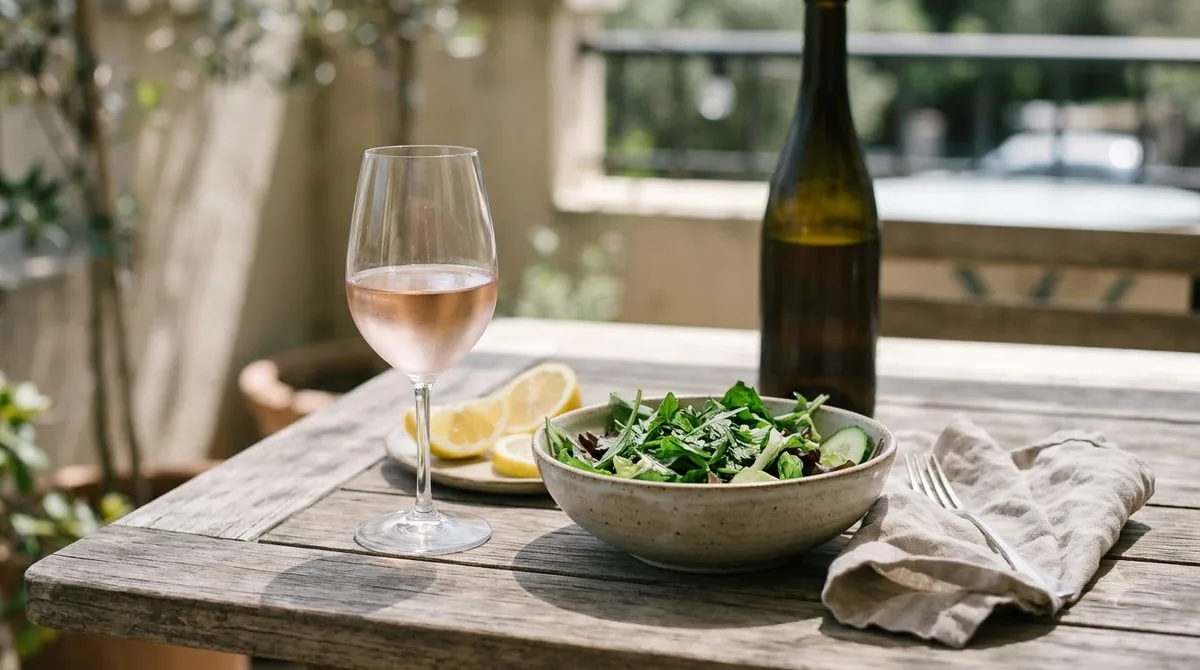
Primary aromas originate mainly from the grape variety and the conditions in which the grapes grow. Fruit and floral characteristics are particularly common. Sauvignon Blanc can suggest grapefruit, lime, fresh grass, and white flowers. Pinot Noir often displays strawberry, raspberry, cherry, and delicate earthy notes. Riesling may suggest green apple, peach, citrus, and flowers.
Primary aromas are especially useful when comparing grape varieties. A glass of Cabernet Sauvignon might suggest blackcurrant, blackberry, and dark cherry, while a glass of Pinot Noir may lean toward red cherry, raspberry, and strawberry. Recognizing these broad differences provides a starting point for identifying wines by style.
Secondary aromas develop through winemaking decisions, including fermentation and maturation. Yeast activity and malolactic fermentation can contribute characteristics such as bread, pastry, butter, and cream. Oak barrels can introduce additional aromas, including vanilla, baking spice, toast, smoke, and cedar.
Not every wine undergoes the same production methods. A stainless-steel-fermented white wine may emphasize fresh citrus and orchard fruit, while an oak-aged Chardonnay can develop more noticeable vanilla, toast, and buttery impressions. These differences are partly responsible for the variety of styles made from the same grape.
Tertiary aromas emerge as wine develops through aging in a bottle or barrel. Depending on the wine and its conditions, these characteristics can include dried fruit, leather, mushroom, tobacco, nuts, caramel, and earthy notes. Some mature white wines develop honeyed or nutty aromas, while older reds may display dried cherry, leather, and forest-floor characteristics.
It is helpful to remember that these three categories are not rigid flavor checklists. Aromas can overlap, and a wine may show primary fruit, secondary oak, and tertiary development simultaneously. The balance between these characteristics often changes as the wine evolves in the glass.
Useful Aroma Families for Beginners
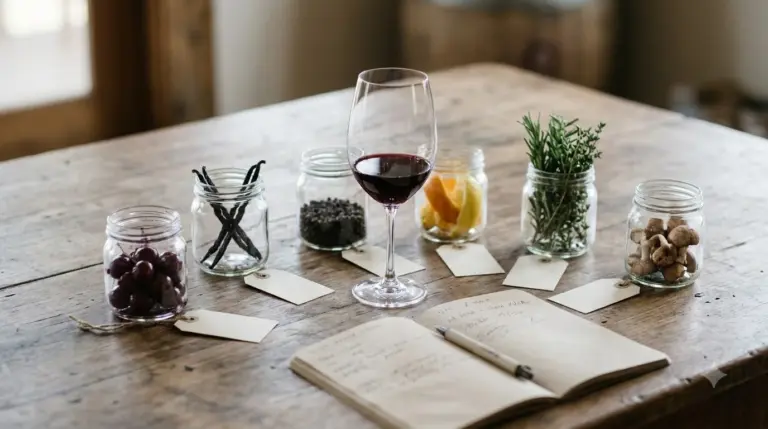
Starting with broad aroma families is easier than trying to identify every individual scent. The following examples provide a practical vocabulary for common wine styles.
- Citrus: Lemon, lime, grapefruit, orange peel, and tangerine.
- Tree fruit: Green apple, pear, peach, apricot, and nectarine.
- Red fruit: Strawberry, raspberry, cranberry, and red cherry.
- Black fruit: Blackberry, blackcurrant, blueberry, and plum.
- Floral: Rose, violet, jasmine, honeysuckle, and orange blossom.
- Herbal: Grass, mint, sage, thyme, and bell pepper.
- Spice: Black pepper, cinnamon, clove, and anise.
- Earthy: Mushroom, forest floor, wet stone, and leather.
- Oak-related: Vanilla, toast, cedar, smoke, and baking spice.
These descriptions are associations rather than ingredients added to the wine. A wine that smells like blackberry does not necessarily contain blackberry. The aroma comes from naturally occurring compounds and their sensory resemblance to familiar foods and objects.
Understanding Acidity, Tannins, Sweetness, and Body
Wine structure explains how a wine feels and behaves on the palate. Acidity, tannin, sweetness, alcohol, and body are especially important because they influence the overall drinking experience even when the wine’s fruit aromas are similar.
Acidity creates freshness and a mouthwatering sensation. Wines with high acidity can feel crisp, lively, and refreshing, while wines with lower acidity often seem softer and rounder. Sauvignon Blanc and Riesling commonly have high acidity, whereas Chardonnay generally has medium acidity. Moscato typically has low-to-medium acidity.
Tannin produces a drying or gripping sensation, particularly in red wines. It comes primarily from grape skins and can also be influenced by seeds, stems, and oak. Cabernet Sauvignon typically has high tannin, while Merlot generally has medium, softer tannins. Pinot Noir usually has low-to-medium tannin, whereas Syrah can have medium-plus to high tannin.
Sweetness describes the amount of residual sugar perceived in the finished wine. A dry wine has little perceptible sweetness, although ripe fruit aromas can make it smell sweet. Off-dry wines have noticeable sweetness, while sweet wines have a more pronounced sugary impression. This distinction is particularly useful when comparing Riesling, Moscato, and dessert wines.
Alcohol contributes warmth and can influence the perceived weight of a wine. Higher alcohol can create a warming sensation in the mouth and throat. In a balanced wine, this warmth integrates with the fruit, acidity, and other structural components rather than dominating the experience.
Body describes the wine’s apparent weight and fullness. Light-bodied wines feel relatively delicate, medium-bodied wines have more noticeable weight, and full-bodied wines create a richer, heavier impression. Comparing wine with milk can help: skim milk suggests light body, regular milk suggests medium body, and cream suggests full body.
Texture is another useful consideration. A wine may feel silky, creamy, velvety, chalky, or coarse. These descriptions explain sensations that fruit names cannot communicate. For example, two medium-bodied Pinot Noirs might share cherry aromas but differ considerably in texture, acidity, and tannin.
How Structural Characteristics Differ Between Wine Styles
Knowing the typical structure of familiar grape varieties makes tasting notes easier to interpret. These are general tendencies rather than guarantees for every bottle.
- Cabernet Sauvignon: High tannin, typically medium-to-full body, and dark-fruit characteristics.
- Merlot: Medium tannin, softer texture, and plum or cherry characteristics.
- Pinot Noir: Low-to-medium tannin, high acidity, and red-fruit characteristics.
- Syrah: Medium-plus to high tannin, often with blackberry, pepper, and savory notes.
- Sauvignon Blanc: High acidity, often with citrus, green fruit, and herbal aromas.
- Riesling: High acidity, with styles ranging from dry to sweet.
- Chardonnay: Medium acidity, with body and texture influenced by winemaking.
- Moscato: Low-to-medium acidity, often with floral and fruity aromas.
These structural differences also help explain food pairing recommendations. High-acid wines can work well with acidic foods, while salt and fat can soften the perception of tannin. A high-tannin Cabernet Sauvignon may suit a fatty steak, whereas a tannic red can clash with delicate oily fish. Sweet wines generally pair best with desserts that are no sweeter than the wine itself.
How to Taste Wine and Identify Its Characteristics
A consistent tasting routine makes it easier to identify wine characteristics without relying on guesswork. The basic process involves looking, swirling, smelling, sipping, and evaluating what remains afterward.
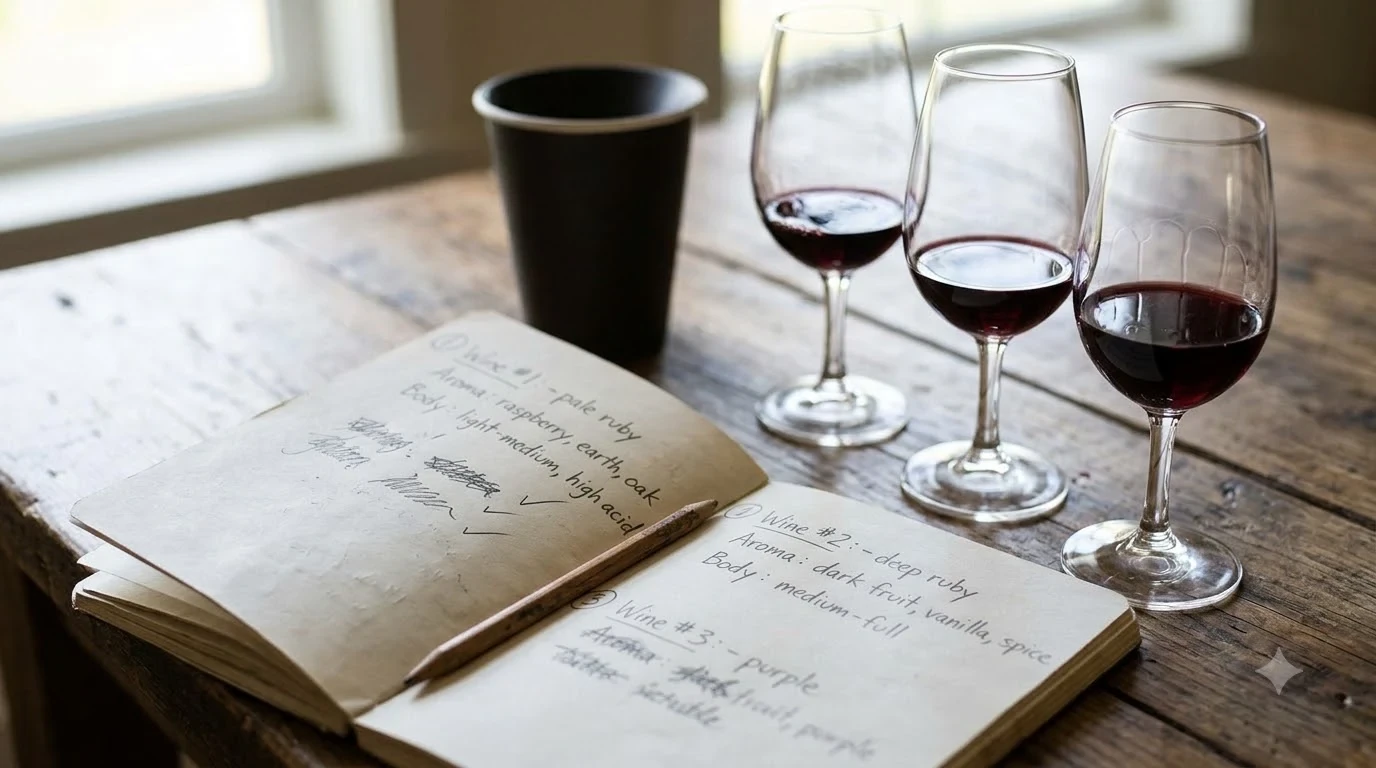
Step 1: Examine the appearance. Pour a small amount of wine into a clear glass and hold it against a white background. Observe the color, clarity, and intensity. A young red wine may appear purple or ruby, while a mature red may show garnet or brick tones. White wine can range from pale straw to deeper gold.
Step 2: Swirl gently. Rotate the glass to expose more wine to the air and release its aromas. You do not need to swirl vigorously. A few controlled movements are sufficient to make the aromatic profile easier to assess.
Step 3: Smell before and after swirling. Bring your nose close to the rim and take a few gentle sniffs. Start with a broad category such as citrus, red fruit, black fruit, flowers, herbs, or spice. Then narrow the description if you recognize a more specific aroma.
For example, instead of immediately searching for an unusual fruit description, begin by asking whether the wine smells like red or black fruit. If it is red fruit, consider whether the impression resembles strawberry, raspberry, or cherry. This gradual approach helps build a reliable vocabulary.
Step 4: Take a small sip. Let the wine spread across your palate and consider its first impression. Does it taste dry or sweet? Is the acidity refreshing? Does the wine feel light, medium, or full-bodied? If it is red, pay attention to the drying sensation created by tannin.
Step 5: Consider the finish. After swallowing or spitting, notice what remains. Fruit, spice, acidity, bitterness, and tannin may become more noticeable as the initial taste fades. Record whether the finish is short, moderate, or long and whether its character is pleasant and balanced.
Step 6: Summarize the wine. Combine the most important observations into one or two sentences. Avoid listing every aroma you think you might recognize. A short description containing three specific aromas and two structural characteristics is often more useful than a long collection of disconnected adjectives.
Tip: Pause for approximately 15 seconds after smelling or sipping before choosing your descriptors. Allow your first impression to develop naturally, then identify specific aromas and structural characteristics. This helps prevent other people’s descriptions from influencing what you think you perceive.
For a more useful comparison, taste two wines side by side. Try a Sauvignon Blanc and a Chardonnay, or compare Pinot Noir with Cabernet Sauvignon. Use the same tasting sequence for both and record their differences in acidity, body, aroma intensity, and finish.
Serving temperature also matters. Light whites and rosé generally show well around 45–50 degrees Fahrenheit, while full-bodied whites are commonly served at 50–55 degrees Fahrenheit. Light reds generally suit 55–60 degrees Fahrenheit, and full-bodied reds are usually served at 60–65 degrees Fahrenheit. Sparkling wines are typically served at 40–50 degrees Fahrenheit. Wine that is excessively cold may have muted aromas, while wine served too warm can seem overly alcoholic.
For a broader understanding of the different styles you may encounter during tastings, explore what the main types of wine are. Knowing whether a wine is sparkling, white, rosé, red, or fortified provides useful context for interpreting its tasting characteristics.
How to Write Clear and Useful Wine Tasting Notes
Writing a good tasting note is about selecting the most meaningful observations and arranging them into a clear description. Beginners can produce useful notes with a simple structure that records the wine’s identity, aromas, palate, structure, and finish.
Start by recording the wine’s name, producer, grape variety, region, and vintage when available. These details make it possible to identify the exact bottle later. They are particularly helpful when comparing several wines from different regions or producers.
Next, write down two or three aromas that stand out. Avoid attempting to identify every possible scent. If you notice apple, lemon, and fresh herbs, those three details provide a reasonable description of a white wine’s aromatic profile. If you notice cherry, blackberry, and black pepper, those observations may provide a useful starting point for a red.
Then describe the palate. Record sweetness, acidity, tannin where relevant, body, and texture. These characteristics explain how the wine feels rather than simply what it smells or tastes like. A dry, high-acid, light-bodied white wine is quite different from an off-dry, medium-bodied white, even if both have peach aromas.
Finish with an overall impression and your personal preference. You might write that the wine is balanced and refreshing, with a clean finish, and that you would enjoy it with seafood. Alternatively, you might note that its high tannin and powerful structure make it more suitable for rich meat dishes than casual drinking.
A Simple Tasting Note Template
The following format can be used for almost any still wine:
- Wine identity: Name, producer, grape, region, and vintage.
- Appearance: Color, intensity, and clarity.
- Aromas: Two or three recognizable fruit, floral, herbal, spice, or oak characteristics.
- Palate: Main flavors and their intensity.
- Structure: Sweetness, acidity, tannin, alcohol, body, and texture.
- Finish: Length and the sensations that remain.
- Overall impression: Balance, complexity, and personal preference.
Here is an example of a completed note:
This Sauvignon Blanc has a pale straw color and aromas of grapefruit, lime, and fresh herbs. It is dry and light-bodied, with bright acidity and refreshing citrus flavors. The finish is clean and moderately long, making it an appealing choice for seafood and fresh salads.
A red wine note might read:
This Cabernet Sauvignon displays a deep ruby color with aromas of blackberry, blackcurrant, cedar, and dark cherry. The palate is dry and full-bodied, with concentrated fruit, high tannin, and a firm structure. Its long finish reveals lingering dark fruit and spice, making it a natural partner for grilled steak.
Notice that neither example depends on exaggerated language. Both describe recognizable aromas and sensations while giving readers a practical impression of the wine.
As your experience grows, compare your notes from different occasions. You may discover that you consistently enjoy high-acid whites, softer reds, or wines with noticeable oak influence. Keeping a tasting journal makes these preferences easier to recognize and helps you choose bottles that suit your palate.
For additional introductory material and explanations of common wine terminology, the Wine Q&A section provides another useful starting point. You can also read Total Wine’s practical guide to tasting wine for further examples of tasting techniques and descriptive vocabulary.
Frequently Asked Questions
Are wine tasting notes subjective or objective?
Wine tasting notes combine both objective observations and subjective impressions. Characteristics such as color, sweetness, acidity, and tannin can be assessed using shared descriptive standards, while aroma recognition and personal enjoyment vary between individuals. A trained taster and a beginner can therefore describe the same bottle differently without either account being automatically incorrect.
Can tasting notes help identify a wine in a blind tasting?
Yes. Blind tasters use combinations of aromas, acidity, tannin, body, alcohol, and finish to develop hypotheses about a wine’s grape variety and origin. For example, a combination of grassy aromas and high acidity may suggest Sauvignon Blanc. However, these characteristics overlap between regions and producers, so a tasting note provides clues rather than definitive identification.
Do wine tasting notes change after a bottle is opened?
Yes. Exposure to oxygen can change a wine’s aromatic intensity and flavor profile after opening. Some wines become more expressive during the first hour, while others gradually lose freshness or develop less appealing characteristics. The same wine can therefore produce different tasting notes depending on how long it has been open and how it has been stored.
What does minerality mean in a wine description?
Minerality is a sensory term used for impressions such as wet stone, chalk, flint, or saline freshness. It describes how a wine smells or feels rather than establishing that the wine contains identifiable pieces of rock or minerals from its vineyard soil. The expression is particularly common in descriptions of dry white wines such as Chablis and Riesling.
Should wine tasting notes mention the vintage?
Yes, including the vintage is useful when the information is available because wines from the same producer and region can vary between harvests. Weather conditions, growing-season temperatures, and rainfall can influence grape ripeness, acidity, and flavor concentration. Recording the vintage makes it easier to distinguish one bottle from another and compare how wines develop over time.
Wine tasting notes turn a glass of wine into a set of understandable observations about aroma, flavor, structure, and finish. Learning a few descriptive terms and following a consistent tasting routine is enough to begin writing useful notes without professional training. The more wines you compare and record, the easier it becomes to recognize your favorite styles and choose bottles with confidence.
More in Wine Basics
 What Is The Best Wine For Mimosas? Choose Bubbly That Balances Orange JuiceUpdated Nov 20, 2026
 Which Prosecco Is Best for Your Taste and OccasionUpdated Nov 20, 2026
 Which Wine Is Best For Health? Understand the Risks and BenefitsUpdated Nov 20, 2026
 Which Champagne Is Best for Your Taste and OccasionUpdated Nov 20, 2026
 What To Put In A Wine Gift Basket For A Thoughtful, Memorable GiftUpdated Nov 20, 2026
 What Is the Best Wine for Mulled Wine? Choose a Smooth, Fruity RedUpdated Nov 20, 2026