


We may earn a commission when you buy through links on this page, at no extra cost to you. Learn more.
Kirkland Signature Prosecco is a sparkling wine from Costco’s Kirkland Signature house label, and it is made in the Prosecco style, which is built on the Glera grape and the tank method. Prosecco is a dry, light sparkling wine with green apple, pear and floral notes, and it is usually served cold as an aperitif or with light food. This guide explains what to look for on the label, how Prosecco is made, how to serve it and which dishes suit it.
Store-brand sparkling wines are a common find for shoppers who want bubbles for a weekend brunch, a birthday or a casual party. This guide is for anyone who has picked up a Kirkland Signature Prosecco and wants to understand what the style is, how it is made and how to get the most from the bottle.
What Kirkland Signature is and how to read the label
Kirkland Signature is the private-label brand that Costco uses for many of its house products, and it covers wine as well as food and household goods. Because a store label can be sourced from different producers over time, the most useful part of the bottle for a shopper is the wording on the label itself rather than the brand name alone.
Look for the Prosecco designation on the label, which shows the wine comes from the Prosecco production area in northeastern Italy. Check the sweetness word as well. Brut, Extra Dry and Dry are the common terms on Prosecco labels, and they tell you how sweet the wine will taste before you open it.

Prosecco is an Italian style, so the label should also name the production area and, where it applies, the quality tier. Reading those details takes less than a minute at the store and helps you compare bottles with confidence, especially when several sparkling wines sit side by side on the shelf.
How Prosecco is made
Prosecco is made from the Glera grape, which was once called Prosecco itself. The name was changed to Glera to help protect the Prosecco region in Italy. Up to 15 percent of other permitted varieties can be blended in, including Verdiso, Bianchetta and Perera, according to the Wine Folly guide to Prosecco.
Most Prosecco is made with the tank method, also called the Martinotti method. The base wine is fermented a second time in pressurized tanks, where the carbon dioxide produced by the yeast is trapped in the wine and creates the bubbles. The wine then rests for a few months, usually around three, before it is filtered, dosed and bottled. Because the second fermentation happens in tank rather than in the bottle, the wine tends to taste fresh and fruit-forward rather than yeasty.
| Prosecco label term | What it usually signals | Good with |
|---|---|---|
| Brut | Dry, crisp and the least sweet common style | Oysters, fried snacks and aperitif plates |
| Extra Dry | Slightly sweeter, with more fruit on the palate | Brunch dishes and fruit desserts |
| Dry | The sweetest of the three common labels | Spicy Asian dishes and sweeter desserts |
| Superiore DOCG | Hilly Conegliano Valdobbiadene area with stricter rules | Special occasions and longer meals |
Tip: The table is a guide to common terms, not a ranking. If you like a drier wine, choose Brut. If you want a softer fruit feel, look for Extra Dry or Dry and taste a small glass before buying a case.
What the Prosecco style tastes like
Wine Folly describes Prosecco as dry with a light body and medium-high acidity, typically with 11.5 to 13.5 percent alcohol. The flavor profile often includes green apple, honeydew, pear and a creamy note, and tank-made wines in particular taste fresher and more yeast-driven than traditional-method sparkling wines.
That light, lively style is what makes Prosecco easy to match with food and easy to drink on its own. A well-made Prosecco usually does not need aging to show its best character, which is why many bottles are designed for drinking within the year after harvest.
How to serve Kirkland Signature Prosecco
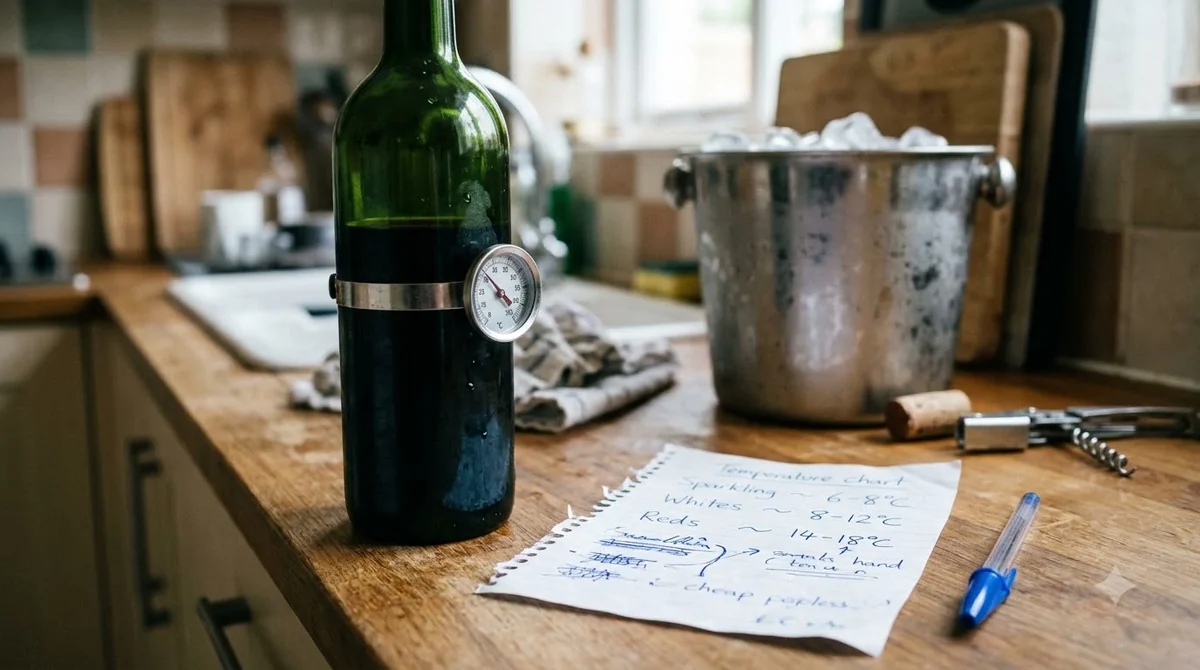
Serve Prosecco cold. The Prosecco consortium suggests a serving temperature of about 6 to 8 degrees Celsius, while Wine Folly recommends 3 to 7 degrees Celsius, so a bottle that has rested in the fridge for several hours is in the right range for either guide. Chill the bottle before the party rather than dropping ice into the glass, which dilutes the wine and dulls the bubbles.
Pour into a tulip-shaped glass or a standard white wine glass, which keeps the bubbles and aromas focused. A flute is also fine, but a slightly wider bowl shows more of the fruit. Pour slowly down the side of the glass to limit foaming, and fill the glass only about two-thirds full so the aromas have room.
Food pairings that suit Prosecco
Prosecco works well as an aperitif with antipasto, cured meats, olives and almonds. Its acidity cuts through rich, salty foods, and its fruit flavors complement light cheeses and bread. For a main course, it pairs with light dishes such as seafood, chicken and fresh vegetable plates.
Wine Folly also suggests fresh Asian dishes such as shrimp fresh rolls, sushi and Pad Thai, where the wine’s fruit and lively acidity work with bright flavors. For spicy Asian or Indian food, choose an Extra Dry or Dry style, because a very dry Brut can make heat taste sharper.
Is Kirkland Signature Prosecco a good pick?
A bottle of Kirkland Signature Prosecco suits drinkers who want a bright, easy sparkling wine for gatherings and everyday celebrations. The Prosecco style is approachable and food-friendly, so it fits well into an open-house party or a relaxed brunch without needing special handling. Buying two bottles for one event is a sensible habit, since a sparkling wine tends to disappear faster than shoppers expect once the first glass is poured.
It may not suit people who want a complex, aged sparkling wine with toasty notes, which is more typical of traditional-method Champagne. For that style, the wine’s brioche and yeast character comes from longer time on the lees, and a Prosecco is simply built differently.
Frequently Asked Questions
Is Kirkland Signature Prosecco the same as Champagne?
No. Prosecco is made from the Glera grape in Italy and usually uses the tank method, while Champagne is made in France and typically uses the traditional method with a second fermentation in the bottle. The two styles taste different, with Prosecco tending to be lighter and fruitier.
What does Brut mean on a Prosecco label?
Brut is the driest common sweetness level on Prosecco labels. It tastes crisp and less sweet than Extra Dry or Dry, and it works well with salty snacks and aperitif plates.
How long should I keep an open bottle?
An opened bottle loses bubbles quickly. Reseal it with a sparkling wine stopper, keep it cold and drink it within a day or two for the best fizz and fruit.
Can Prosecco be cellared?
Most Prosecco is meant to be drunk young, usually within the year after harvest. Some Superiore bottles can keep a few years, but most shoppers will enjoy a standard Prosecco at its freshest.
If you like the Prosecco style, you can compare it with the Zonin Prosecco guide or the Chloé Prosecco guide to see how different producers handle the same grape. For a fuller look at how sparkling wine brands are organized, the wine brands overview is a good starting point. To read the consortium’s own account of the appellation, visit the Prosecco DOC consortium website, and for a broader style guide see Wine Folly’s Prosecco guide.
More in Wine Brands
 Underwood Wine Price: Compare Bottles, Cans, and Pack SizesUpdated Nov 21, 2026
 Zenato Wine Price: Compare Styles and Choose the Right BottleUpdated Nov 21, 2026
 Zuccardi Wine Price: Compare Bottles and Find the Right RangeUpdated Nov 21, 2026
 Yellow Tail Moscato Review: Taste, Sweetness and Serving TipsUpdated Nov 21, 2026
 Wolf Blass Yellow Label Review: Choose Your Best StyleUpdated Nov 21, 2026
 Wolffer Estate Rose Review: Choose the Right Bottle for Your TableUpdated Nov 21, 2026