

We may earn a commission when you buy through links on this page, at no extra cost to you. Learn more.
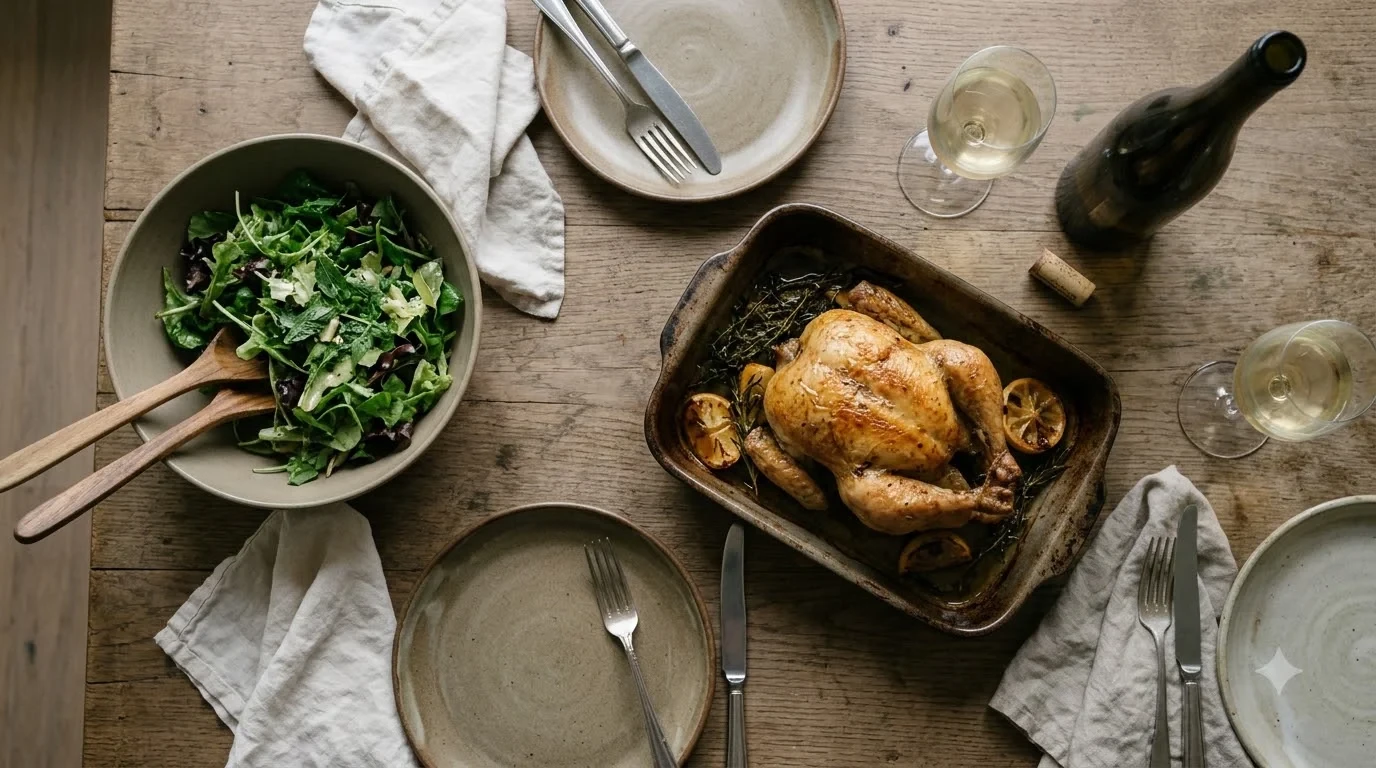
The best carmenere food pairing is grilled or roasted meat with savory herbs, pepper, and moderate richness. Think chimichurri steak, herb-roasted pork, smoky chicken, and roasted vegetables. Carmenère’s dark-fruit flavors, green-pepper notes, and generally moderate tannins make it a versatile red for substantial meals without demanding the heavy richness of a highly tannic Cabernet Sauvignon. The key is choosing foods with enough flavor to complement the wine while keeping chili heat, acidity, and sauce intensity in balance.
Carmenère is one of Chile’s most recognizable red wines, offering a combination of ripe berries, black plum, herbal character, and gentle spice. Its flexible structure makes it suitable for weeknight dinners, weekend grilling, traditional Chilean recipes, and many vegetarian dishes. Understanding its flavor profile helps you make pairings that bring out the fruit instead of emphasizing bitter or overly vegetal notes. These recommendations follow the same basic principles used in practical Wine Pairing: match the intensity of the food, balance acidity, and pay attention to how sauces and cooking methods affect the finished dish.
How Carmenère’s Fruit, Herbs, and Tannins Shape a Pairing
Carmenère pairs especially well with savory, moderately rich foods because its ripe fruit and herbal aromas provide two complementary directions for a meal. Blackberries, cherries, black plum, bell pepper, and green peppercorn give the wine enough personality to accompany grilled ingredients, roasted meats, and dishes seasoned with aromatic herbs.
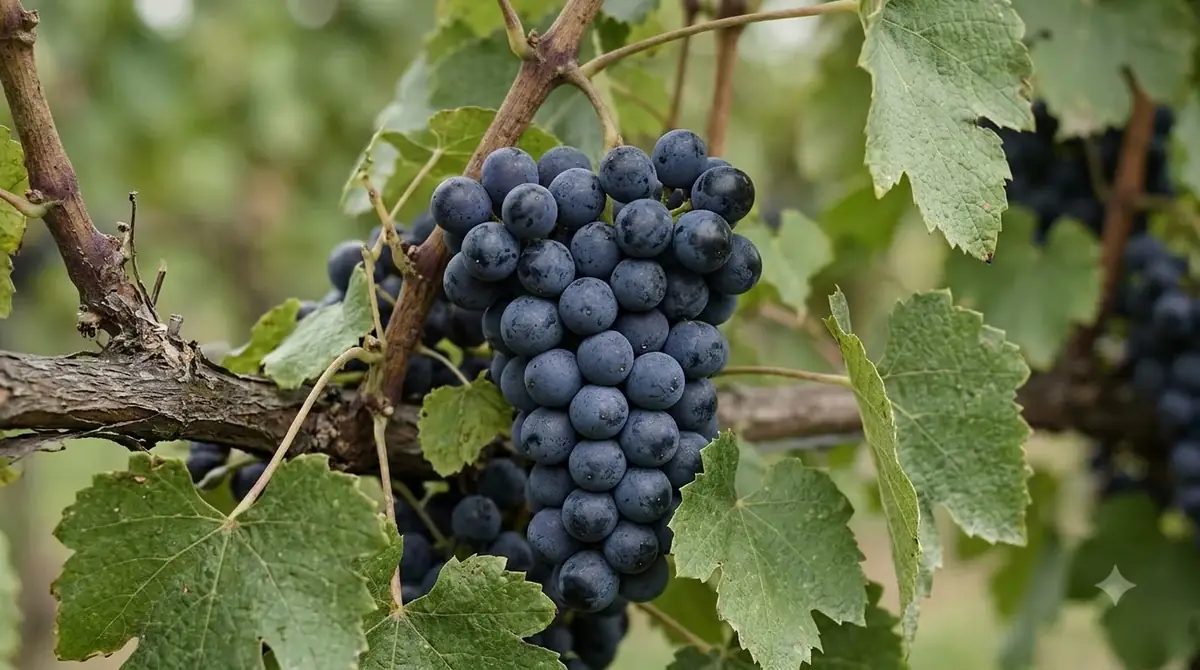
The grape’s defining green character comes partly from aromatic compounds called methoxypyrazines. These compounds are also found in Cabernet Franc and Cabernet Sauvignon, and they help explain Carmenère’s recognizable bell-pepper and leafy-herb aromas. In a well-balanced wine, these notes add a savory dimension rather than making the wine taste like raw vegetables. They can complement charred peppers, fresh parsley, rosemary, thyme, and green herb sauces particularly well. Wine Folly’s Carménère grape profile also describes the variety’s characteristic combination of green pepper, ripe berries, moderate tannins, and herbal aromas.
Fruit intensity is equally important. Carmenère can show raspberry, red cherry, blackberry, and black plum, while oak aging may introduce vanilla, smoke, and additional savory depth. This combination makes it suitable for dishes with browned surfaces, roasted ingredients, and moderate amounts of seasoning. A blackberry-scented Carmenère, for example, can complement grilled pork with a pepper crust, while a more herbaceous example can work especially well with beef topped with parsley and garlic.
Its tannin and acidity also influence the result. Carmenère generally has moderate tannins and medium to medium-high acidity, although individual bottles vary in structure. It is usually less aggressively tannic than Cabernet Sauvignon, which gives it flexibility with pork, chicken, turkey, and some vegetarian dishes. Its acidity helps keep richer preparations from feeling too heavy, while the fruit provides a pleasing contrast to smoky, earthy, and savory flavors.
Style matters as much as the grape name. Wine Folly describes Maipo Valley examples as relatively light and refined, sometimes showing floral and cherry notes. Peumo wines, by contrast, can be fuller-bodied, with ripe red fruit and higher alcohol. A lighter bottle can accompany roast chicken or a mushroom dish, while a richer example can stand alongside grilled beef or lamb.
Grilled Meats, Pork, and Poultry Make Reliable Matches
Grilled and roasted meats are among the most dependable choices for Carmenère because browned surfaces, savory seasonings, and the wine’s ripe fruit create a natural combination. Beef, pork, lamb, duck, and turkey can all work, provided the preparation has enough flavor to match the wine’s medium-to-full body.
Grilled steak with chimichurri is an especially good starting point. The meat’s browned exterior supplies smoky and savory flavors, while parsley, garlic, olive oil, and vinegar in the sauce complement Carmenère’s herbal aromas. The acidity of the chimichurri also helps cut through the richness of the beef. Choose a moderately seasoned version rather than one dominated by sharp vinegar or excessive chili.
For pork, try roast pork tenderloin with rosemary, garlic, and black pepper. Tenderloin is relatively lean, so its preparation benefits from a flavorful sauce or a side of roasted vegetables. A more substantial pork shoulder or Cuban-style lechón asado provides additional richness and a savory exterior that works particularly well with a fruit-forward Carmenère.
Barbecue pork ribs are another strong candidate, especially when they have a smoky rather than extremely sweet coating. A sauce made with tomato, paprika, garlic, and moderate brown sugar brings out the wine’s fruit and spice. The combination becomes less successful when the sauce is overwhelmingly sweet, because a dry red can taste more bitter and acidic beside food that is much sweeter than the wine.
For poultry, roast turkey, duck breast, and smoky chicken are practical options. Duck has enough richness to complement the wine’s structure, while herbs such as thyme and rosemary pick up its green and savory aromas. Roast turkey benefits from a mushroom gravy, caramelized onions, or a peppercorn seasoning. Chicken works best when it is roasted or grilled until the skin develops a flavorful browned surface rather than being served with an extremely delicate, lightly seasoned preparation.
Choosing the Right Meat Preparation
Cooking method makes a difference. Direct grilling creates char and smoky flavors, slow roasting develops concentrated savory flavors, and braising produces softer textures with deeper sauce characteristics. These preparations provide more satisfying matches than plain boiled or steamed meat, which can leave a medium-bodied red feeling too intense.
For a practical dinner menu, serve grilled flank steak with chimichurri, roasted pork loin with rosemary potatoes, or turkey with a mushroom and thyme sauce. A side of grilled red peppers or roasted carrots creates a consistent flavor bridge between the plate and the glass. Keep sauces savory, and use fresh herbs to add fragrance without introducing excessive heat.
Chilean Classics and Spiced Dishes Bring Out Its Savory Side
Carmenère has particularly natural connections with Chilean food, including empanadas, pastel de choclo, grilled meats, and richly seasoned dishes. Its dark fruit, peppery character, and savory herbal notes fit recipes built around roasted meat, onions, corn, and aromatic spices.
Chilean empanadas are an excellent place to begin. Traditional meat-filled versions contain ingredients such as ground beef, onions, seasonings, and sometimes olives or hard-boiled egg. The filling provides enough richness to complement Carmenère, while the pastry contributes a browned, slightly savory texture. Serve the wine with baked empanadas rather than very delicate appetizers, and offer a fresh tomato or herb-based accompaniment to keep the meal balanced.
Pastel de choclo, a traditional Chilean corn pie, is another natural possibility. Its combination of corn topping and savory filling gives the dish both sweetness and substantial texture. A fruit-forward Carmenère can complement the meat and browned corn while its herbal character helps balance the richness. The wine should not be significantly sweeter than the dish, but the corn’s natural sweetness is generally not a problem for a dry red when the filling and seasonings remain savory. Decanter’s Carmenère pairing recommendations also single out Chilean empanadas and pastel de choclo alongside roasted, barbecued, tomato-based, and spicy dishes.
Spiced cuisine can also work well. Carmenère is a useful choice for Indian dishes involving roasted vegetables, lentils, mild tomato-based curries, or moderately seasoned chicken. Cumin, coriander, black pepper, paprika, and garlic all provide aromatic links to the wine. A producer’s own serving suggestion for a De Gras Central Valley Carmenère specifically includes Chilean, Arabian, and Indian food, demonstrating the variety’s ability to accompany more than traditional European meat dishes.
However, spicy food needs thoughtful seasoning. Alcohol can amplify the sensation of chili heat, and tannin may make a hot dish seem harsher. Carmenère can contain 13.5–15% alcohol, so an aggressively hot curry or chili sauce may overwhelm the wine even when the flavors appear compatible. Use moderate chili, include yogurt or a creamy accompaniment where appropriate, and let cumin, coriander, roasted garlic, and smoked paprika supply much of the flavor.
For Mexican-inspired dinners, consider beef tacos, pork carnitas, roasted poblano peppers, and bean-filled enchiladas. Fresh cilantro, grilled onion, and a moderate tomato salsa offer useful flavor connections. A very hot habanero sauce is less suitable than a milder roasted pepper salsa because the latter allows the wine’s fruit and herbal aromas to remain noticeable.
Vegetarian Mains, Beans, and Cheese Work Too
Carmenère does not require a plate of red meat to make a satisfying food pairing. Its herbal aromas, berry flavors, and moderate tannins can work with beans, mushrooms, roasted peppers, aubergine, and substantial vegetable-based meals.
Roasted vegetables are particularly useful because caramelization creates deeper flavors than raw vegetables generally provide. Try roasted red peppers, eggplant, mushrooms, onions, and zucchini with olive oil, black pepper, and thyme. The lightly browned edges of these vegetables complement the wine’s savory side, while their concentrated sweetness works with its dark fruit. Add lentils, chickpeas, or white beans to create a more substantial main course.
For a simple dinner, serve Carmenère with white bean and kale soup. Garlic, onion, rosemary, and black pepper give the soup enough savory character to stand up to the wine. A small amount of smoked paprika can strengthen the connection, while a drizzle of olive oil adds richness. Pinto bean chili is another useful option, especially when prepared with moderate chili, tomatoes, roasted peppers, and cumin rather than an overwhelming amount of hot sauce.
Mushroom dishes are also excellent. Portobello mushrooms grilled with garlic and herbs provide a meaty texture and earthy flavors that complement the wine’s darker fruit. Mushroom risotto can work when it is savory rather than excessively creamy, and a roasted mushroom tart offers another option for a dinner party. Avoid building the whole dish around delicate green vegetables alone; combine them with browned mushrooms, legumes, or roasted ingredients to provide greater flavor intensity.
Cheese and Meat-Free Appetizer Ideas
Cheese can provide a useful bridge between Carmenère and a vegetarian menu. Semi-firm cheeses, aged cheddar, gouda, and moderately flavored farmhouse cheeses offer enough character to complement the wine’s fruit and spice. The best choices have some savory depth without becoming overwhelmingly sharp or salty.
Fresh or soft cheeses can work with lighter, fruit-forward examples. Try mozzarella with grilled peppers, mild goat cheese with roasted vegetables, or farmer cheese with herb-seasoned flatbread. These preparations bring out the wine’s fruit without requiring a heavily seasoned dish. A pepper jack cheese can also be appealing, although its chili content should remain moderate.
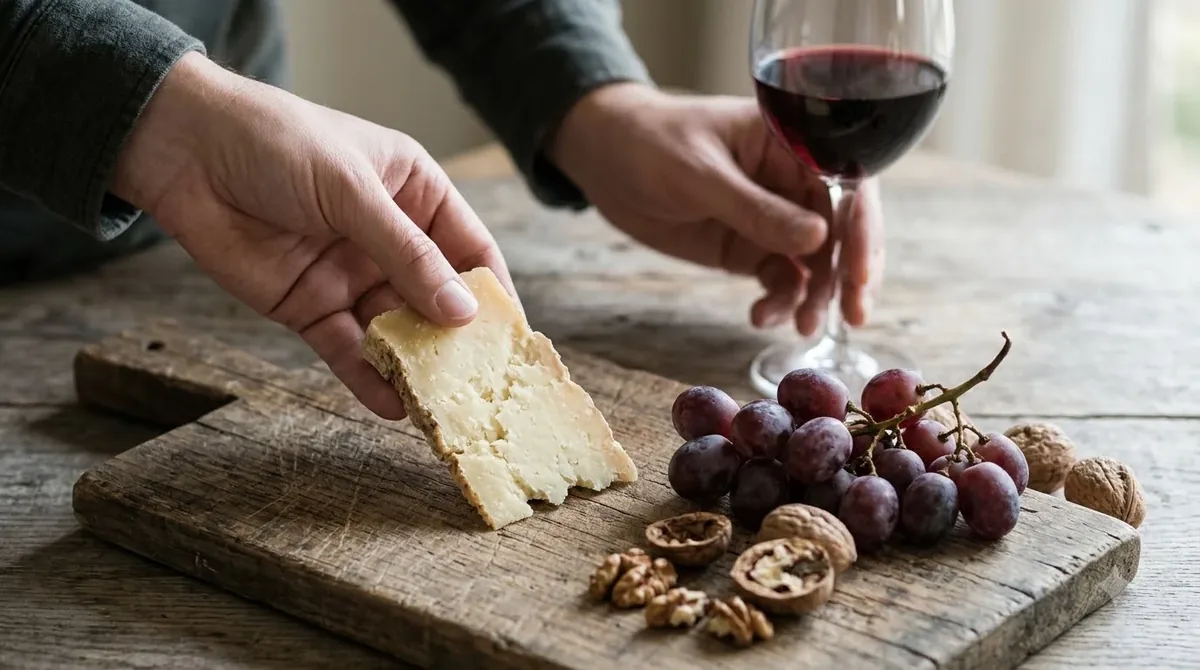
For a cheese board, combine two or three contrasting styles rather than presenting only very sharp cheeses. Include semi-firm cheddar, mild gouda, roasted peppers, olives, walnuts, and herb-seasoned crackers. Keep sweet accompaniments restrained because an excessively sweet jam or honey can make a dry Carmenère taste less balanced. Fresh fruit such as blackberries or red grapes can be a pleasant addition when served in modest amounts.
There is also a useful contrast with lighter white wines. Delicate seafood, fresh salads, and shellfish may be better suited to Albariño food pairing, especially when the meal emphasizes citrus, fresh herbs, and bright acidity instead of roasted or smoky flavors. Carmenère is generally more satisfying alongside dishes with substantial texture and savory seasoning.
Tomato Sauces, Marinades, and Foods to Avoid
Sauces can determine whether a Carmenère pairing succeeds or struggles, even when the main ingredient is a good match. Tomato, vinegar, chili, sugar, and strongly acidic ingredients all influence how the wine tastes alongside a dish.
Tomato-based preparations can work, particularly when the sauce has balanced acidity and enough savory depth. Try pasta with a moderate tomato sauce, roasted garlic, mushrooms, and ground beef. The fruit in Carmenère can complement cooked tomato, while the wine’s herbal character works with oregano, thyme, and parsley. A tomato sauce that tastes excessively sharp or vinegary may make the wine seem flat, however, because acidic food needs a wine with equal or higher acidity to retain its balance.
This distinction is important with Italian food. A richly seasoned tomato and meat sauce may be a reasonable choice, while a very tart, simple tomato pasta could be more successful with a higher-acidity red. For that alternative, consult Barbera food pairing, since Barbera is particularly associated with fresh acidity and tomato-friendly meals. For Carmenère, add roasted vegetables, meat, mushrooms, and olive oil to create greater flavor balance.
Very sweet barbecue sauces deserve similar attention. A dry Carmenère may seem more bitter or sharp beside heavily sweetened ribs or glazed pork. Use restrained sweetness and increase the savory ingredients instead. Smoked paprika, black pepper, garlic, and modest amounts of brown sugar can give a barbecue sauce enough complexity without making it dessert-like.
Extremely hot food is another difficult match. A sauce dominated by habanero, ghost pepper, or concentrated chili paste can make the wine’s alcohol more noticeable. The wine’s moderate tannin may also become less pleasant when combined with intense chili heat. Choose milder peppers, remove some seeds and membranes, and include cooling ingredients such as yogurt or sour cream when preparing dishes with significant spice.
Seafood and Other Difficult Matches
Delicate white fish and raw seafood generally do not offer enough flavor or texture for Carmenère. A light preparation of sole, steamed cod, or fresh oysters is more likely to be overwhelmed by a medium-to-full-bodied red. The wine’s fruit, alcohol, and herbal intensity can dominate rather than complement the subtle flavors of these dishes.
Oily fish can be especially challenging because fish oils and tannic red wines are not an ideal combination. Salmon and mackerel are often more successful with appropriately selected white wines, lighter reds, or preparations specifically designed around wine acidity. If seafood is the main attraction, choose a different bottle rather than forcing Carmenère into a pairing that does not suit its structure.
Another difficult match is a very delicate vegetable dish with little seasoning. Plain steamed asparagus, lightly dressed lettuce, or simple boiled vegetables may leave the wine tasting disproportionately powerful. Strengthen the preparation with roasted garlic, grilled mushrooms, black pepper, legumes, or browned onions when serving Carmenère. The goal is not to make every side dish heavy, but to ensure that the meal has enough savory character to accompany the wine.
Serving Temperature, Glassware, and Portion Planning
Good serving technique helps Carmenère retain its fruit and herbal aromas without allowing warmth to exaggerate its alcohol. Aim for 60–65°F for a fuller-bodied example, use a standard red wine glass, and allow a young, more structured bottle approximately 30–60 minutes to breathe when appropriate.
Serving a red wine too warm can make alcoholic aromas more prominent and reduce the impression of freshness. A lightly chilled bottle, on the other hand, can preserve fruit and make the wine feel more balanced alongside grilled meat or rich sauces. If the bottle has been stored in a warm room, place it in the refrigerator briefly before serving rather than relying on the assumption that all red wine belongs at room temperature.
| Serving detail | Practical target | Why it matters |
|---|---|---|
| Serving temperature | 60–65°F | Preserves fruit and keeps alcohol from dominating. |
| Standard bottle | 750 ml | Provides approximately five 5-ounce glasses. |
| Typical pour | 5 ounces | Leaves room for swirling and smelling the wine. |
| Decanting young, full-bodied reds | 30–60 minutes | Allows the wine to open and develop its aromas. |
| Opened still wine | 3–5 days refrigerated | Slows oxidation and helps preserve the remaining wine. |
Glassware does not have to be complicated. A standard red wine glass with a reasonably wide bowl is sufficient for most Carmenère. The bowl provides room to swirl the wine and release its aromas, while the opening directs those aromas toward the nose. There is no need to purchase a specialized glass for every Chilean red grape variety.
Decanting is most useful with young, structured bottles that benefit from additional air. A 30-minute decant is a reasonable starting point, while some fuller examples may benefit from closer to an hour. Lighter, fruit-forward Carmenère may be ready shortly after opening. Pour a small sample first, assess the aromas, and decide whether additional aeration would improve the experience.
For a full dinner, plan the wine around the strongest flavors on the plate. A 750 ml bottle generally supplies five standard 5-ounce pours, which is useful when planning a meal for a small group. Keep the bottle away from direct sunlight and excessive warmth between pours. Once opened, reseal it and store it in the refrigerator; most still wines retain their best qualities for approximately three to five days under refrigeration.
Tip: For an especially dependable Carmenère dinner, serve the wine at 60–65°F with grilled steak, chimichurri, and roasted red peppers. Prepare the sauce with parsley, garlic, olive oil, and moderate vinegar, then keep the chili heat restrained. This combination brings together the wine’s fruit, green-herb aromas, and savory character without overwhelming its acidity or alcohol.
Different Chilean regions can also help guide the menu. A relatively refined Maipo example is a useful choice for roast poultry, mushroom dishes, and pork tenderloin. A richer Peumo or other fuller-bodied Carmenère may be more satisfying with grilled beef, lamb, or substantial bean dishes. If the meal is particularly concentrated or rich, a different style of Italian red may also be interesting; Amarone food pairing offers a useful comparison for dinners built around richer meat dishes and more concentrated flavors.
Frequently Asked Questions
These five questions cover additional details about Carmenère’s history and identity, including its French name, the 1994 Chilean identification, and its connection with vineyards outside South America.
Is Carmenère related to Cabernet Sauvignon?
Yes. Carmenère, Merlot, and Cabernet Sauvignon share Cabernet Franc as a parent grape variety. Carmenère is therefore part of the broader Bordeaux grape family, although it has its own distinctive aroma and growing characteristics. Its relationship with Cabernet Franc helps explain some of its herbal and green-pepper similarities to other Bordeaux reds.
Why was Carmenère mistaken for Merlot in Chile?
For many years, Chilean vineyards contained vines believed to be Merlot that were later identified as Carmenère. The two varieties can share similarities in appearance and fruit character, making the distinction difficult without closer identification. The discovery in 1994 established that an important part of Chile’s supposed Merlot plantings was actually this Bordeaux-origin grape.
Is Carmenère grown outside Chile?
Yes. Carmenère is also cultivated in countries including China, Italy, Argentina, France, New Zealand, and the United States. In China, the variety is associated with the name Cabernet Gernischt. Italy also has a regional name, Carmenero, used for varietal wines in areas including Trentino and Lombardy.
Why does Carmenère sometimes smell like green bell pepper?
The aroma comes partly from naturally occurring compounds called methoxypyrazines, which can be particularly noticeable in Carmenère. These compounds are also present in Cabernet Franc and Cabernet Sauvignon. Their concentration and the fruit’s ripeness influence whether the resulting green character seems pleasantly herbal or excessively vegetal.
Is Carmenère suitable for long-term cellaring?
Some structured Carmenère wines can develop additional complexity with several years of bottle aging. More age-worthy examples may develop leather, earth, and mature savory aromas rather than showing only fresh fruit. However, not every bottle is made for extended cellaring, and lighter, fruit-driven examples are generally intended for enjoyment relatively young.
Carmenère is an adaptable red wine that works particularly well with grilled meats, herb-seasoned poultry, roasted vegetables, beans, and traditional Chilean dishes. Keep sauces savory, balance acidity, and avoid excessive chili heat to make the most of its fruit and herbal character. With the right preparation and a serving temperature of 60–65°F, Carmenère can become a reliable choice for both casual dinners and more elaborate meals.
More in Food & Wine Pairing
 Risotto With White Wine Recipe: Make a Creamy Dinner at HomeUpdated Nov 20, 2026
 Wassail With Wine Recipe for a Festive Spiced Holiday DrinkUpdated Nov 20, 2026
 Spritz Veneziano Recipe: Make a Classic Venetian Aperitivo at HomeUpdated Nov 20, 2026
 Summer Wine Punch Recipe for Easy Homemade EntertainingUpdated Nov 20, 2026
 Bishop Recipe: How to Make a Bright, Citrus-Forward Red Wine CocktailUpdated Nov 20, 2026
 Wine Cupcakes Recipe: Bake Rich Chocolate Cupcakes at HomeUpdated Nov 20, 2026