

We may earn a commission when you buy through links on this page, at no extra cost to you. Learn more.
The answer to what is disgorgement in wine is simple: it is the step in traditional method sparkling wine production that removes dead yeast from the bottle. After the second fermentation, the spent yeast cells, called lees, gather in the bottle’s neck. Winemakers freeze that sediment into a small plug, let the bottle’s own pressure push it out, and then top the wine up with a measured dose of sugar before corking. That final step also sets how sweet the finished wine will taste.
If you have seen the word “disgorged” on a Champagne label or heard a sommelier mention a bottle’s disgorgement date, you have met one of the least understood steps in winemaking. The term sounds harsh, but it describes a precise process that makes sparkling wine clear, stable, and ready for the glass. Knowing how it works helps you read labels, judge freshness, and choose a sweetness level that suits your meal. This guide walks through the steps in order, explains the two main methods, and shows how dosage and aging change what ends up in the bottle.
The Yeast Problem That Disgorgement Solves
Disgorgement exists because of what happens inside the bottle during fermentation. Once the yeast has finished its work, it does not simply disappear, and leaving it in the wine would cloud the appearance and add a heavy, yeasty flavor.
In the traditional method, a still base wine is bottled with a measured amount of sugar and yeast. Inside the sealed bottle, the yeast ferments that sugar a second time, producing carbon dioxide that stays dissolved and creates the bubbles, along with a little extra alcohol. When the work is complete, the dead yeast cells settle out as sediment. Producers call this sediment lees, and it is the material that disgorgement removes.
Getting the lees into a removable spot takes patience. Difford’s Guide explains that bottles are stored neck down, so gravity and the regular turning of the bottles, known as riddling, gather the yeast into the neck. That concentration is what makes a clean removal possible. If terms like lees, riddling, and dosage are new to you, the Wine Glossary defines them in plain language.
How Disgorgement Works, Step by Step
The removal itself happens in a few fast moves, and each one has to be timed with care. The neck is frozen, the cap is taken off, and the pressure does most of the work.
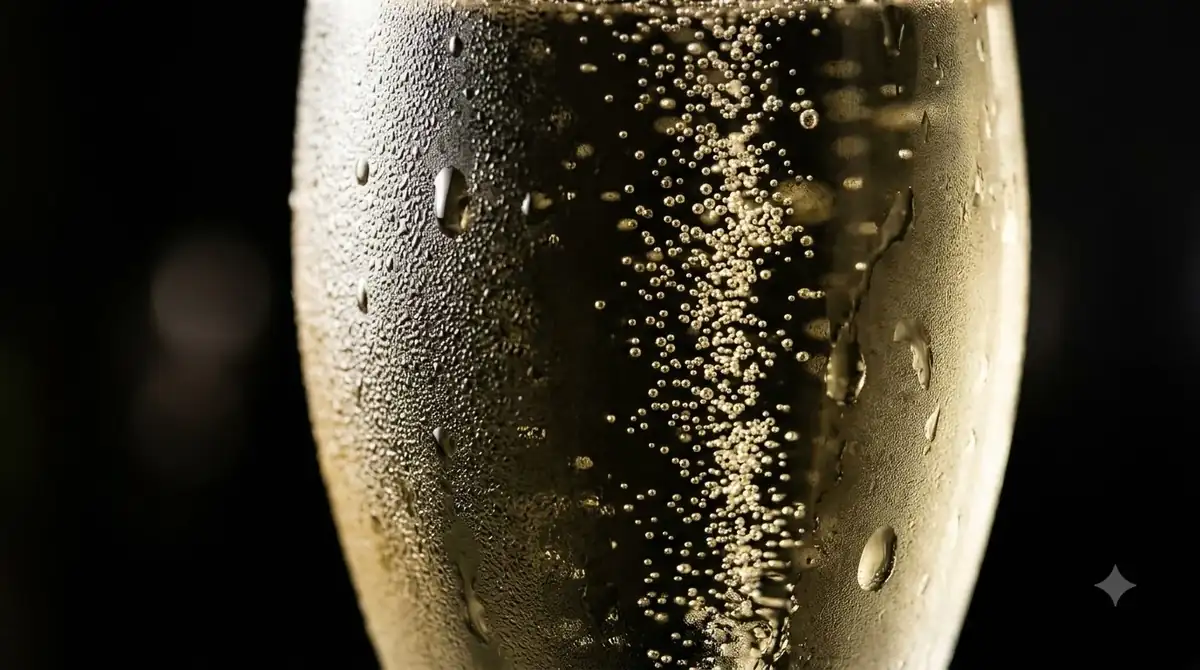
The first move is freezing. Bottles are plunged neck first into a refrigerated brine bath at about minus 25 degrees Celsius, roughly minus 13 degrees Fahrenheit. According to the Union des Maisons de Champagne, this creates an ice plug about 4 centimeters long that traps the sediment. A few minutes in the bath is usually enough, and the plug holds the deposit together so it can leave the bottle as a single piece.
Next, the bottle is turned upright and the temporary crown cap is removed. The carbon dioxide inside the bottle forces the cap, the stopper, and the frozen plug out together. Difford’s Guide describes the aim as removing the deposit without losing too much of the wine or its dissolved gas, which is why the operator has to work quickly and precisely once the cap comes off.
Some wine always leaves with the plug, so the bottle has to be refilled before it is sealed. That top-up is where dosage comes in, and it largely determines how the finished wine tastes. The bottle then receives its final cork and wire hood, and it is ready for labeling and shipment.
Two Methods: À La Glace and À La Volée
Producers use two broad approaches, and the main difference is whether the sediment is frozen first. Both end with clear wine in the bottle, but they differ sharply in speed, equipment, and the skill they demand.
Freezing the Neck: À La Glace
À la glace, meaning “on the ice,” is the standard method at commercial scale. The neck is frozen as described above, and the bottle is uncapped on a disgorging line that moves each bottle from the freezing tank to the uncapping machine. The Union des Maisons de Champagne reports that production rates range from 2,000 to 18,000 bottles per hour, depending on how automated a facility is.
Automation accounts for much of that speed. The same source notes that modern disgorging units increase the uncapping rate about 20-fold compared with manual work, and they also take physical strain off cellar staff. For a large house, that difference shapes the entire release schedule.
Hand Disgorging: À La Volée
À la volée, which means “in flight,” needs no freezing step at all. The disgorger holds the bottle at a slight angle against the forearm, removes the cap with a key or pincers, and brings the bottle upright in one swift motion. Before the bottle moves on, the disgorger checks the wine for clarity and sniffs for any abnormal aroma.
Timing matters here more than anywhere. The Union des Maisons de Champagne warns that if a bottle is turned upright too soon, sediment mixes back into the wine and makes it unfit to drink, while an incorrect angle causes a large quantity of wine to escape. Skilled hands keep that loss low, which is why the method is generally reserved for smaller volumes. If you are planning a celebration built around a large-format bottle, check how many glasses in a magnum before you buy.
Dosage: The Sugar Added After Disgorgement
Once the lees are gone, the wine is topped up with a small blend of wine and sugar called dosage. Dosage sets the final sweetness, so it is the last major stylistic decision a producer makes before the bottle is corked and released.
The top-up is known as liqueur de dosage or liqueur d’expédition. Decanter describes it as a mix of sugar and wine that both tops up the bottle and helps balance the wine’s acidity. Difford’s Guide describes the mixture as wine and cane sugar, with the amount depending on the sweetness the producer wants. For perspective, a Brut at the upper limit of 12 grams per liter holds roughly 9 grams of sugar in a standard 750-milliliter bottle, about two teaspoons.
Decanter’s behind-the-scenes look at how producers choose a dosage level shows how much care goes into the decision. Mark Driver, owner of Rathfinny Wine Estate in East Sussex, England, compares dosage to seasoning that enhances a wine’s existing character without adding new flavors. In Decanter’s account, the Rathfinny team compared several sugar levels side by side and settled on 3 grams per liter for its Blanc de Blancs and 3.5 grams per liter for its Blanc de Noirs.
Driver also argues that too much dosage flattens the fruit and shortens the finish, while completely dry wines can seem spiky. Serving temperature changes how that sweetness reads, too. Most sparkling wines show best at 40 to 50 F, and colder service tends to make a wine taste drier.
| Style | Residual sugar (g/L) | How it tastes |
|---|---|---|
| Brut Nature | Under 3 | Bone dry, with no added sugar |
| Extra Brut | 0 to 6 | Very dry and crisp |
| Brut | Under 12 | Dry, and the most common style for Champagne |
| Extra Dry | 12 to 17 | Lightly sweet, with rounder fruit |
| Dry | 17 to 32 | Clearly sweet, works with fruit desserts |
| Demi-Sec | 32 to 50 | Sweet and dessert-style |
Doux sits beyond demi-sec at the sweet end of the scale, and it is the choice for very sweet dessert pairings.
Tip: Choose by the sweetness word on the label rather than the bottle design. Brut is the dependable default for most dinners, while Extra Dry or Demi-Sec suits a dessert course or a crowd that prefers sweeter wine.
How Disgorgement Shapes Aging and Flavor
Disgorgement also marks the point where a bottle’s aging clock changes. Before it, the lees shield the wine from oxygen; afterward, the wine begins to develop at a different pace.
VinePair explains that while wine stays in contact with lees, the yeast protects it from oxygen and slows its aging. Once the lees are removed, that protection is gone, and the wine ages faster. Over time, fruit and aromas can fade, which is why the timing of disgorgement matters so much to the finished bottle.
The process also lets in a small amount of fresh oxygen. Difford’s Guide reports that many producers believe this exposure, together with the cork that replaces the temporary cap, lets the wine breathe and can intensify nutty and toasty flavors. Others argue that a longer rest after disgorgement helps the dosage blend into the wine and gives a more harmonious result.
Producers differ on how long to wait before release. Difford’s Guide suggests minimum rests of roughly 3 to 6 months for non-vintage Champagne and 6 to 12 months for vintage bottles. For great vintage Champagnes, the same guide notes that 4 to 6 years of cellar aging after disgorgement is not unusual, and it argues that such long periods allow complex spice flavors to develop. In the glass, the result of that patient timing shows up as a wine that feels integrated rather than sharp, with a texture that is harder to achieve in a bottle released straight after disgorgement.
Reading the Disgorgement Date on a Bottle
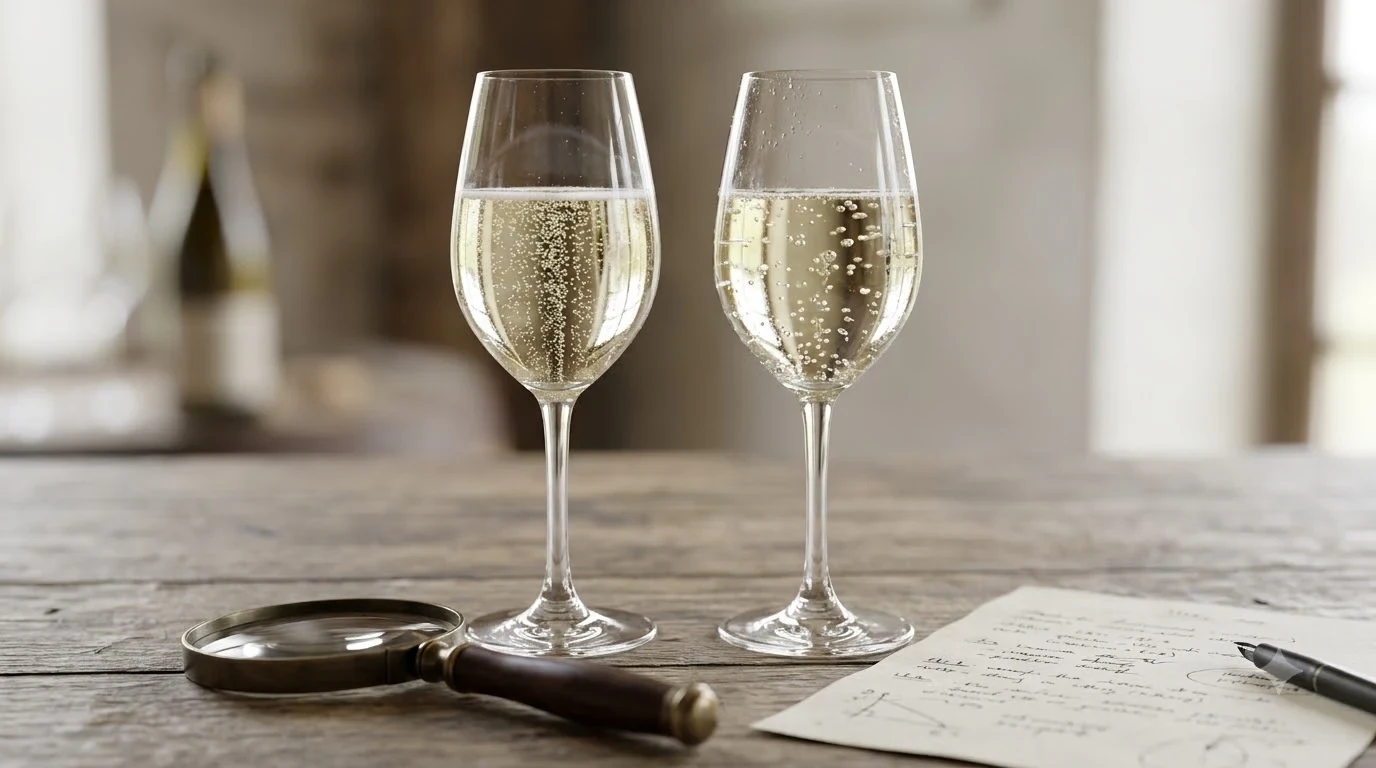
Some producers print a disgorgement date on the label, which tells buyers how far a wine has moved past its lees-protected stage. The date matters most for non-vintage bottles, since their blends can mix base wines from several years and make the age hard to judge.
VinePair points out that only about a quarter of Champagne bottles list a vintage, and the rest are non-vintage blends. For those bottles, the disgorgement date is often the best clue to freshness. Many houses now print the date, and the practice is becoming increasingly common, which gives shoppers a clearer picture of what they are buying. For a larger party where sparkling wine is poured by the case, see how much wine for 100 guests to plan quantities.
VinePair also suggests a simple rule of thumb: a date roughly one year before purchase generally means the wine should taste fresh, while a date more than a couple of years old is a reason to think twice. A date describes timing rather than quality on its own. Bottles built for complexity, with reserve wines and long lees aging, often reward more time after disgorgement, while lighter, fresh styles usually show best when they are young.
Tip: Once opened, sparkling wine keeps for about one to three days in the refrigerator, so reseal it with a stopper made for bubbly and finish it soon.
Frequently Asked Questions
These questions come up often once people start reading disgorgement dates and sweetness terms. Each answer adds a detail that the sections above do not cover.
Does disgorgement make sparkling wine foam when the bottle opens?
Usually very little. The Union des Maisons de Champagne notes that barely any gas escapes during disgorgement, thanks to the low temperature and the carbon dioxide already dissolved in the wine. Handling is delicate because a sharp bump to the bottle can trigger a sudden burst of gas.
How quickly can an experienced person disgorge by hand?
An experienced hand disgorger can average about 400 bottles per day, according to the Union des Maisons de Champagne. That pace depends on a firm hand and considerable experience. Compared with machine lines, hand work is far slower, but it remains a respected craft in many cellars.
Does a Brut Nature Champagne contain absolutely no sugar?
Not always. Decanter notes that Brut Nature means no sugar was added at dosage, but a bottle may still contain up to 3 grams per liter of natural residual sugar left from fermentation. Some houses use the term zéro dosage to make clear that nothing was added, even though a trace of natural sugar may remain.
How long should non-vintage Champagne be enjoyed after disgorgement?
VinePair reports that producers generally age non-vintage Champagne for up to a year after disgorgement. When the bottle is stored out of direct sunlight at a cool, steady temperature, the wine is then typically good for two to three more years. Storage conditions therefore matter as much as the date printed on the bottle.
Which Champagne houses print disgorgement dates on their bottles?
VinePair names Ayala, Charles Heidsieck, Lanson, Mumm, and Piper-Heidsieck among the houses that list the date. It also notes that premium houses such as Krug are transparent about it. Not every Champagne house does this, so the date is sometimes absent.
Knowing this one step makes sparkling wine labels easier to read and bottles easier to choose. Whether you pick a bright Brut for a holiday table or a Demi-Sec for dessert, the sugar level and the disgorgement date tell you a great deal about what is in the glass.
More in Wine Basics
 Which Rose Is Best for Your Taste, Budget, and Food PairingsUpdated Nov 21, 2026
 Is Cheap Wine Bad? How to Find Bottles Worth DrinkingUpdated Nov 21, 2026
 What To Write On A Wine Gift Tag: Thoughtful Messages For Every OccasionUpdated Nov 21, 2026
 Which Wine Is Best For Weight Loss? Compare Lower-Calorie ChoicesUpdated Nov 21, 2026
 What Is The Best Wine For Mimosas? Choose Bubbly That Balances Orange JuiceUpdated Nov 20, 2026
 Which Prosecco Is Best for Your Taste and OccasionUpdated Nov 20, 2026