

We may earn a commission when you buy through links on this page, at no extra cost to you. Learn more.
The term ferrari carano red wine refers to a Sonoma County collection of Cabernet Sauvignon, Merlot, Zinfandel, Pinot Noir, Sangiovese, and blended reds shaped by mountain and valley vineyards. The range moves from medium-bodied, cherry-driven Merlot and Sangiovese to full-bodied Cabernet-led wines with firmer tannins and darker fruit. Choosing a bottle is easier when you start with grape variety, vineyard origin, and the food you plan to serve.
Ferrari-Carano is often associated with its aromatic white wines, but its red portfolio has a clear identity of its own. The winery keeps vineyard lots separate before blending, draws fruit from several Northern California appellations, and makes its reds at a mountain facility in Alexander Valley. That combination gives the range several distinct styles rather than one house taste.
Sonoma County Roots and Mountain Winemaking
Ferrari-Carano’s red wines are closely tied to the slopes of Alexander Valley, where its Mountain Winery sits on RockRise Mountain at about 1,000 feet above Geyserville. The winery describes this as the home of its red-wine production, distinct from the Dry Creek Valley estate winery that focuses on whites.
The mountain vineyards produce small berries with concentrated flavors, and the red program draws from ranches including RockRise and LookOut. The winery says those vines are low-yielding and non-irrigated, an approach that adds depth and character to the fruit. It also harvests the mountain grapes by hand at night and samples each vineyard block daily to help determine picking time.
The facility is designed to handle fruit gently. Ferrari-Carano describes a delivery system that moves whole berries on a vertical elevator belt into stainless-steel and oak fermenting tanks, three crush pads for different handling needs, and a 77,000-square-foot underground cave for fermentation and barrel aging. The winery keeps lots separate through vinification and blends them later, allowing each component to contribute its own fruit, acidity, texture, or structure.
Ferrari Carano Red Wine Styles
Start with the grape or blend that suits your palate: Cabernet Sauvignon for structure, Merlot for a rounder middle weight, Pinot Noir for brighter acidity, and Sangiovese-based wines for lively cherry character. Zinfandel and Cabernet-led blends offer richer options for grilled meats and slow-cooked dishes.
Cabernet Sauvignon and Merlot show two different sides of the Sonoma portfolio. The 2022 Sonoma County Cabernet is full-bodied and blends 76% Cabernet Sauvignon, 22% Syrah, and 2% mixed reds; its profile includes dried cherry, blackberry, violet, plum jam, cola, coffee, and leather. The 2023 Reserve Cabernet Sauvignon is 100% Cabernet from LookOut and RockRise mountain vineyards in Alexander Valley, with cedar, cassis, allspice, black plum, cocoa, and caramel. The 2023 Sonoma County Merlot is medium-bodied and contains 76% Merlot, 17% Syrah, 6% Petite Sirah, and 1% Malbec; cardamom-spiced cherry, cedar, leather, pomegranate, Bing cherry, maple, and mocha define its profile.
Sangiovese, Siena, Zinfandel, and Pinot Noir broaden the choice. The 2023 Sangiovese is 95% Sangiovese and 5% Syrah, with black cherry, cranberry, nutmeg, juicy acidity, and supportive tannins. The 2024 Siena blend is 70% Sangiovese with Malbec, Petit Sirah, Cabernet Sauvignon, and Zinfandel; the winery describes Bing cherry, plum, sandalwood, licorice, vanilla, caramel, and cedar spice. The 2023 Dry Creek Valley Zinfandel is 88% Zinfandel and 12% Petite Sirah, with plum jam, raspberry, cola, white pepper, cocoa, and blackberry cobbler. Sky High Ranch Pinot Noir is 100% Pinot Noir from Mendocino Ridge above Anderson Valley, with sarsaparilla, cranberry, vanilla, forest floor, bright acidity, and black cherry.
For a Bordeaux-inspired blend, Trésor combines Cabernet Sauvignon, Malbec, Merlot, Cabernet Franc, and Petit Verdot. The 2023 blend is 71% Cabernet Sauvignon, 10% Malbec, 8% Merlot, 6% Cabernet Franc, and 5% Petit Verdot. Its cola, cedar, cassis, peony, plum jam, toasty oak, and English toffee notes place it among the fuller, more layered reds in the portfolio.
The Vineyard Sites Behind Each Style
Ferrari-Carano’s red wines draw on a patchwork of Northern California sites, and the origin named for a bottle helps explain its character. Alexander Valley is central to the Cabernet and mountain-wine story, Dry Creek Valley contributes to the Zinfandel program, and Mendocino Ridge supplies the high-elevation Sky High Ranch Pinot Noir.
LookOut Mountain is especially important for the PreVail wines. The winery places this vineyard at the meeting point of Alexander Valley, Knights Valley, and Chalk Hill, with elevations from 500 to 1,400 feet. Its soils are described as ancient weathered sandstone and sandy loam, and the vines are low-yielding. PreVail West Face combines 68% Cabernet Sauvignon with 32% Syrah; the 2022 wine is full-bodied, with savory notes of bacon fat, violet, ripe plum, anise, caramelized berry pie, and mocha.
PreVail Lookout Tree comes from the same mountain site but uses Cabernet Franc instead of Syrah as its blending partner. The 2022 version is 83% Cabernet Sauvignon and 17% Cabernet Franc, with cedar, cola, vanilla, caramel, leather, white pepper, blueberry, cherry jam, plum, and black tea. Other Ferrari-Carano reds come from different elevations and appellations: the 2023 Zinfandel is sourced from an estate vineyard in Dry Creek Valley, while Sky High Ranch Pinot Noir comes from mountaintop vineyards on Mendocino Ridge high above Anderson Valley.
Bottle Profiles and Technical Differences
Comparing grape blends, alcohol levels, and tasting descriptions shows how wide the red portfolio can be. These examples cover several wines and vintages listed by Ferrari-Carano; blend percentages and technical details can change from one vintage to another.
| Wine and vintage | Composition | Alcohol | Style cues |
|---|---|---|---|
| Sonoma County Cabernet Sauvignon, 2022 | 76% Cabernet Sauvignon, 22% Syrah, 2% mixed reds | 14.8% | Full-bodied; blackberry, plum, cola, coffee |
| Sonoma County Merlot, 2023 | 76% Merlot, 17% Syrah, 6% Petite Sirah, 1% Malbec | 14.8% | Medium-bodied; cherry, pomegranate, cedar, mocha |
| Trésor, 2023 | 71% Cabernet Sauvignon, 10% Malbec, 8% Merlot, 6% Cabernet Franc, 5% Petit Verdot | 14.8% | Full; cassis, plum jam, cedar, toasty oak |
| Siena, 2024 | 70% Sangiovese, 15% Malbec, 7% Petit Sirah, 4% Cabernet Sauvignon, 4% Zinfandel | 14.8% | Juicy; Bing cherry, plum, licorice, cedar spice |
| Dry Creek Valley Zinfandel, 2023 | 88% Zinfandel, 12% Petite Sirah | 14.9% | Full and round; plum jam, raspberry, blackberry cobbler |
| PreVail West Face, 2022 | 68% Cabernet Sauvignon, 32% Syrah | 15.0% | Full-bodied; plum, violet, mocha, savory notes |
The figures show why the lead grape is only part of the story. The 2022 Cabernet Sauvignon includes a substantial Syrah component, while the 2023 Merlot adds both Syrah and Petite Sirah. Those blending grapes can contribute color, body, and texture while the main variety continues to shape the wine’s central flavor profile. Trésor takes a different route, using four other Bordeaux varieties to add layers around a Cabernet Sauvignon framework.
Independent reviews offer another reference, but scores describe a particular vintage rather than guaranteeing that every bottle will suit every palate. Wine Enthusiast gave the 2022 Cabernet Sauvignon 91 points and described roasted cherry, cocoa, black pepper, blackberry, licorice, and barrel spice. Read the Wine Enthusiast review of the 2022 Cabernet Sauvignon for its complete tasting note. Decanter lists the 2022 Trésor as a dry, full-bodied, oaked red from Sonoma County at 14.8% alcohol; Decanter’s Trésor listing provides a second independent point of comparison.
Food Pairings for Cabernet, Merlot, and Blends
Match a Ferrari-Carano red to the weight and flavor of the dish: Cabernet and PreVail suit grilled or roasted meats, Merlot fits many poultry and red-meat dishes, and Sangiovese-based Siena works naturally with tomato-rich Italian food. Balance the wine’s tannin, acidity, fruit, and alcohol with the food’s salt, fat, acidity, and spice.
For Cabernet Sauvignon, start with beef, lamb, venison, or pork that has been roasted, broiled, or grilled. The 2022 Sonoma County Cabernet is full-bodied, making it a good match for a beef burger, grilled steak, or braised short ribs. The 2023 Reserve Cabernet is 100% Cabernet from Alexander Valley mountain vineyards and can stand up to a rib roast, lamb chops, or aged hard cheese. Salt and fat soften tannin, which is why a seasoned, marbled cut of beef can make a structured red feel rounder. Merlot is more adaptable for roast chicken, pork tenderloin, meatloaf, mushroom dishes, and tomato-based pasta with meat; its medium body and softer tannins are less likely to overpower the meal.
Siena and Sangiovese are natural partners for tomato sauce because their lively acidity can meet the acidity in the food. Try Siena with lasagna, sausage-and-tomato rigatoni, pizza with roasted mushrooms, or chicken cacciatore. The winery also suggests duck salad with citrus or berries and prosciutto on crostini for Siena. Zinfandel’s ripe fruit and rounder texture can handle barbecue pork, smoky ribs, grilled sausages, and tomato-glazed meatloaf, provided the sauce is not extremely hot or sweet.
For Trésor or PreVail, consider braised beef, lamb shanks, roast pork, duck, or aged cheeses. A Cabernet-Syrah blend such as West Face can work with black-pepper-crusted steak or slow-cooked short ribs, while Lookout Tree’s Cabernet-Cabernet Franc blend can suit roast chicken, duck cassoulet, or grilled beef. Avoid strongly tannic reds with oily fish, which can make the fish seem metallic or bitter; a lighter Pinot Noir is usually a better starting point with salmon. Sweet food requires another rule: the wine should be at least as sweet as the dessert, so dry reds are not ideal with very sweet chocolate cake or fruit tart.
Serving Temperature, Decanting, and Storage
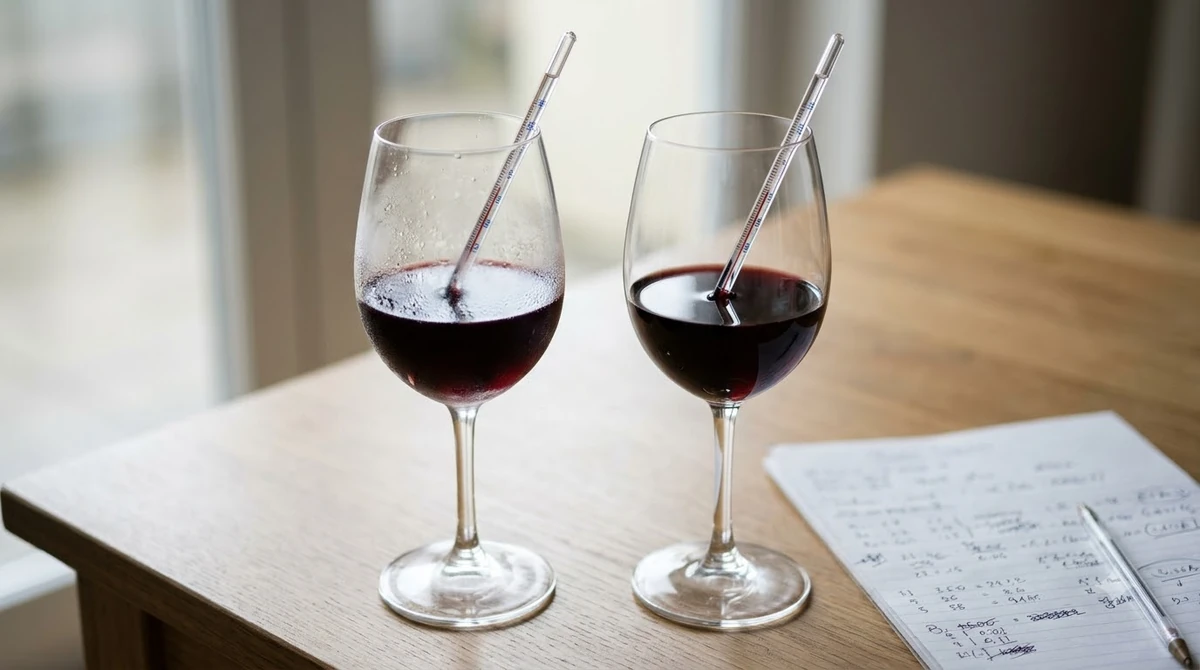
Serve lighter Ferrari-Carano reds slightly cool and fuller Cabernet-led wines closer to cool room temperature. A useful guide is 55–60°F for lighter reds such as Pinot Noir and 60–65°F for fuller reds such as Cabernet Sauvignon, Zinfandel, Trésor, and PreVail.
Room temperature is often warmer than ideal, particularly in a heated dining room. If a bottle has been stored at 70°F or higher, give it a short chill in the refrigerator before serving; a light red may need less time than a full-bodied Cabernet. Pour a five-ounce glass rather than filling the bowl, leaving room to swirl and smell the wine. A standard 750-milliliter bottle yields about five such servings.
Young, full-bodied reds can benefit from 30–60 minutes in a decanter, especially a structured young Cabernet, Trésor, or PreVail whose aromas seem closed after opening. Decanting can also separate clear wine from sediment in an older bottle, but a mature red may lose delicate aromas if exposed to air for too long. Store unopened bottles on their side in a cool, dark place near 55°F; once opened, replace the closure and refrigerate the bottle. Most still wines are best used within 3–5 days.
Tip: Start a full-bodied Ferrari-Carano red at 60°F, pour a small taste, and let it warm in the glass. If the tannins feel firm or the aromas are muted, give a young Cabernet or PreVail 30 minutes of air before serving the rest of the bottle.
Choosing a Bottle for Your Table
Choose by body and meal first, then narrow the decision by grape, vineyard, or blend. A 2023 Merlot or 2024 Siena is a practical place to start for a medium-weight dinner, while the 2022 Cabernet Sauvignon, 2023 Reserve Cabernet, Trésor, and PreVail are more natural choices for richer dishes and a more structured red.
For a lighter red, consider Sky High Ranch Pinot Noir. Its Mendocino Ridge origin and 100% Pinot Noir composition set it apart from the Alexander Valley Cabernet wines, and its bright acidity and black-cherry character can suit roast chicken, mushroom risotto, pork loin, or salmon. For a classic steak dinner, compare the Sonoma County Cabernet with the Reserve Cabernet or PreVail: the regular Cabernet is a Cabernet-led blend, the Reserve is 100% Cabernet Sauvignon from LookOut and RockRise, and West Face combines Cabernet Sauvignon with Syrah from LookOut Mountain.
For an Italian menu, compare Siena with the single-variety Sangiovese. Siena layers Sangiovese with Malbec, Petit Sirah, Cabernet Sauvignon, and Zinfandel, while the 2023 Sangiovese is 95% Sangiovese and 5% Syrah. Both can work with tomato sauce, cured meats, and roast poultry, but the single-variety bottling gives Sangiovese a more direct role. The 2024 Reserve Sangiovese is a small-lot wine selected exclusively from LookOut Mountain, with cranberry, Montmorency cherry, dried rose, and a mocha finish.
Compare the winery’s reds with its white wines rather than treating the label as a single style. A bottle of Ferrari-Carano white wine may suit seafood or a fresh salad before a red with the main dish, and the Fumé Blanc tasting notes help explain the contrast between its aromatic white style and mountain reds. For more producer profiles and grape comparisons, browse the wider Wine Brands section.
Frequently Asked Questions
Who founded Ferrari-Carano?
Don and Rhonda Carano founded Ferrari-Carano in 1981. The first wines under the label were released in 1987: a 1986 Fumé Blanc and a 1985 Chardonnay, both of which the winery says it still produces.
Who owns Ferrari-Carano?
Foley Family Wines purchased Ferrari-Carano Winery in 2020. The winery’s history page identifies the acquisition in its timeline, while the brand continues to operate under the Ferrari-Carano name.
How large is the Ferrari-Carano vineyard estate?
The winery describes its holdings as 21 estate vineyards across six appellations and more than 1,200 sustainably farmed acres. Its sites include regions such as Alexander Valley, Dry Creek Valley, Russian River Valley, Mendocino, and Napa Carneros.
Can visitors taste Ferrari-Carano wines at the winery?
The winery’s Villa Fiore Wine Shop and Tasting Room is in Dry Creek Valley at 8761 Dry Creek Road in Healdsburg, California. Its website lists visiting hours of 10 a.m. to 5 p.m.; confirm current arrangements with the winery before making a trip.
Who leads Ferrari-Carano’s red-wine program?
Ferrari-Carano identifies Rebecka Deike as its winemaker for red wines. The winery’s profile describes her work as closely connected to seasonal vineyard development, grape ripening, and the winemaking process.
Ferrari-Carano’s red portfolio is broader than a single Cabernet style: it includes medium-bodied Merlot, lively Sangiovese wines, Dry Creek Zinfandel, Mendocino Ridge Pinot Noir, and mountain-focused blends. Use the grape and origin as your first guide, then serve the wine at the right temperature with food that balances its acidity and tannin.
More in Wine Brands
 Louis Latour Wine Price: Compare Bottles by Style and TierUpdated Nov 20, 2026
 Yellow Tail Moscato Price: What to Expect Before You BuyUpdated Nov 20, 2026
 Sutter Home Sweet Red Review: Find the Right Food PairingsUpdated Nov 20, 2026
 Franzia Chillable Red Review: Find the Right Serving StyleUpdated Nov 20, 2026
 Veuve Clicquot Rose Review: Flavor, Food Pairings and Buying AdviceUpdated Nov 20, 2026
 Rombauer Wine Price: Compare Bottles Before You BuyUpdated Nov 20, 2026