

We may earn a commission when you buy through links on this page, at no extra cost to you. Learn more.
Pinot Noir with sushi works best when the fish has enough richness to meet the wine’s bright acidity and gentle tannins. Choose it for salmon, fatty tuna, soy-seasoned tuna, and some cooked or lightly seared toppings rather than every delicate piece on a platter. A lighter, cool-climate style is usually the safest starting point, served slightly cool so its fruit stays fresh and its texture stays supple.
Sushi is not one flavor or texture: lean tuna, salmon belly, and sweet soy-glazed eel ask different things from a wine. Pinot Noir can be a thoughtful red-wine choice because it is generally lower in tannin than Cabernet Sauvignon, carries refreshing acidity, and often shows cherry, cranberry, and savory notes. The pairing becomes easier when you match the wine to the fish, rice, and finishing sauce instead of relying on the color of the protein alone.
Why Pinot Noir Can Work With Sushi
Pinot Noir can complement sushi because it combines lively acidity with a relatively light body and restrained tannin. With fish, acidity refreshes after a rich bite, while modest tannin is less likely to create metallic or bitter flavors.
The strongest matches are usually richer or more savory preparations. Salmon nigiri, fatty tuna, tuna dressed with a little soy, and cooked seafood with a restrained glaze have enough flavor and texture to meet Pinot Noir’s red-fruit character. Chefs interviewed by VinePair point to salmon and fatty tuna, including chutoro and otoro, as good candidates; another chef identifies meatier fish such as amberjack and cobia as possible partners for a lighter red. This challenges the blanket rule that seafood always needs white wine.
Delicate fish need a different approach. Fluke, hirame (Japanese halibut), squid, scallop, and mild white fish can disappear beside a deeply extracted or heavily oaked red. Decanter’s sushi-pairing advice separates shellfish and white fish from lean tuna, recommending dry, mineral whites for the former and identifying Pinot Noir as an option for akami. Treat an assortment as a progression of bites, not one dish.
Rice helps connect the elements. Sushi rice is seasoned with vinegar, and its gentle sweetness can soften the jump between fish and wine. Sommelier Hiroshi Ishida, quoted in Decanter’s guide to pairing wine with sushi, notes that Pinot Noir’s acidity can work with the sweetness of steamed rice. That helps explain why a light red can suit nigiri better than a fish-only comparison suggests.
Choose a Pinot Noir Style That Stays Fresh
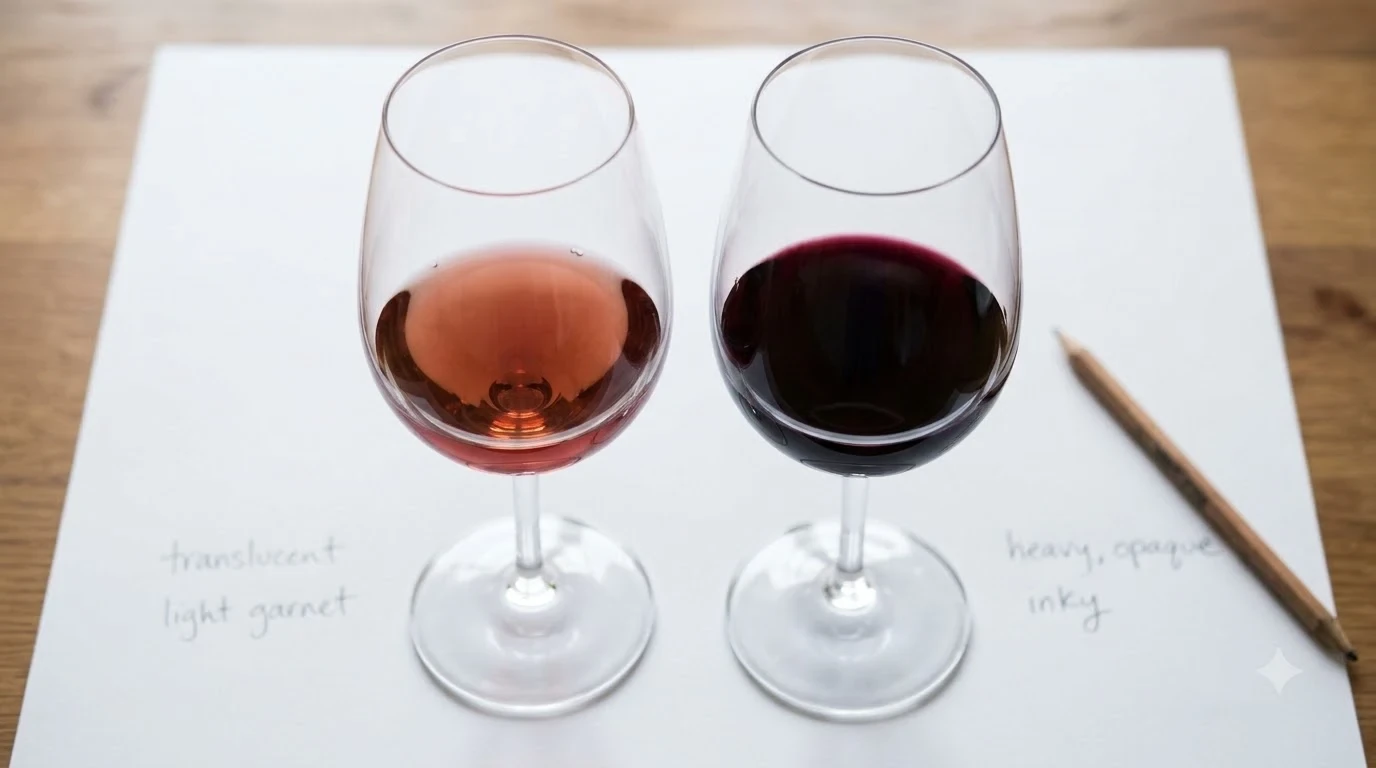
Look for a dry, light- to medium-bodied Pinot Noir with bright acidity, moderate alcohol, and fine rather than forceful tannins. A restrained wine is more likely to complement fish and rice than one dominated by ripe fruit, sweet oak, or a heavy finish.
Climate and winemaking influence how the wine behaves at the table. Wine Enthusiast describes cooler-climate Pinot Noir from places such as Burgundy as tending toward cranberry, dark cherry, mushroom, and forest-floor notes with lively acidity. Warmer-region examples can show concentrated raspberry, cherry, or pomegranate, plus a plusher texture and more noticeable tannic structure. The cooler, restrained profile is usually easier with subtle sushi.
Alcohol is a clue, not the whole decision. The Wine Enthusiast Pinot Noir guide gives the grape a typical range of 12 to 15 percent alcohol by volume, with cooler-region examples often around 12 to 13.5 percent and warmer-climate examples often around 13.5 to 15 percent. For lean tuna or delicate salmon nigiri, lean toward the lower end; with salmon belly, fatty tuna, or grilled eel, a somewhat fuller wine may have enough presence without overwhelming the food.
| Pinot Noir profile | Typical alcohol by volume | Useful sushi matches |
|---|---|---|
| Cool-climate, lighter style | 12–13.5% | Lean tuna, lightly seasoned salmon, mushroom or vegetable rolls |
| Warmer-climate, fuller style | 13.5–15% | Salmon belly, fatty tuna, soy-glazed or grilled toppings |
| General Pinot Noir range | 12–15% | Choose according to fish richness and seasoning |
These are regional tendencies, not rules for every bottle. A cool-climate wine can still feel firm if it has substantial oak or extraction, while a warmer-region Pinot can remain balanced if its fruit and tannin are controlled. Modest oak is preferable; strong vanilla, toast, or baking spice can compete with fish, vinegar, and seaweed.
Match the Wine to Nigiri and Sashimi
For nigiri, begin with the topping and then account for the rice beneath it. Salmon, tuna, and other rich or meaty fish are the clearest candidates for Pinot Noir; lean white fish and shellfish generally make a better case for crisp white wine.

Salmon nigiri is a reliable starting point because the fish has enough oil and flavor to stand up to a light red. Choose a Pinot with fresh cherry or cranberry notes and lively acidity, not a heavy wine with drying tannins. As the salmon cut becomes fattier, a slightly fuller Pinot can feel more balanced. Keep the rice seasoning clean; thick spicy mayonnaise can obscure the fish.
Tuna depends on the cut. Lean akami has a firmer, more concentrated flavor than many white fish, and Decanter’s sommelier guidance names it as a natural candidate for lighter Pinot Noir. Fatty tuna, including chutoro and otoro, can take a little more body because its richness softens the impression of tannin and gives the wine’s acidity something to refresh. A supple Burgundy-style Pinot or restrained Oregon Pinot can work well when the tuna is served with only a small amount of soy.
For hamachi, amberjack, or cobia, consider the preparation. A plain portion may suit a mineral white, but a richer cut or one brushed with soy can meet a fresh, low-tannin Pinot. Scallop, sweet shrimp, squid, and mild white fish are more difficult matches because their subtle sweetness can be overwhelmed by red-fruit intensity. Sashimi removes the rice from the equation, so the match depends more directly on the fish, its fat, and its seasoning; salmon sashimi and fatty tuna remain good candidates, while lean white fish may leave a red wine feeling detached.
Pair Rolls, Eel, and Cooked Seafood With Care
Pinot Noir is often easier to pair with rolls that contain salmon, tuna, mushrooms, or cooked seafood than with rolls built around delicate white fish. Nori, rice, fillings, and sauces add layers of flavor, so the whole bite matters more than the name of the main ingredient.
A salmon roll or tuna roll is a natural place to start, particularly when it is simply seasoned. Avocado adds a creamy texture that can make a light Pinot feel rounder, while cucumber and scallion keep the bite fresh. A roll with cooked shrimp or crab can also work when the filling is savory rather than sweet, although a delicate preparation may still favor a white wine. Choose enough fruit for the filling, but avoid oak that makes the seaweed taste harsh.
Unagi, or freshwater eel, is one of the more promising cooked options because it is commonly brushed with a sweet-savory sauce and may be grilled. The browned surface and glaze bring a substantial, smoky character that can meet a supple Pinot. Anago, or saltwater eel, can be more delicate, so a lighter wine and less assertive sauce are better starting points. Seared tuna can work along similar lines, especially when its surface adds savory depth without becoming heavily charred.
Spicy tuna and rolls loaded with chili sauce call for caution. Alcohol and tannin can make chili heat feel stronger, so Pinot Noir is not a dependable answer when heat is the main feature. A mildly seasoned roll differs from one coated in spicy mayonnaise or chili oil. Keep the wine cool and the heat restrained, or choose a high-acid white with a touch of sweetness. For other savory dishes, the examples for pinot noir with pasta and pinot noir with pizza show how mushrooms, tomato, cheese, and toppings change the pairing.
Balance Soy Sauce, Wasabi, and Rice Seasoning
Condiments can change a successful pairing in a single bite. Soy sauce adds salt and umami, wasabi brings sharp heat, and sushi rice contributes vinegar and a touch of sweetness, so use each in proportion to the fish rather than treating sauces as background details.
A restrained pour of soy sauce can help Pinot Noir, particularly a savory style with cherry, tea, or earthy notes. Decanter notes that Burgundy and reserved New Zealand Pinot Noir can work with soy-seasoned sushi. The key is restraint: a small dip on the fish can add savory depth, but soaking the rice or flooding the plate can make the bite too salty and the wine seem thin.
Wasabi should sharpen the fish, not dominate it. Its heat can amplify alcohol and tannin, so use a small amount when drinking Pinot Noir. If a restaurant has already placed wasabi between the fish and rice, taste the nigiri before adding more. Rice seasoning also matters: standard sushi rice is usually seasoned with rice vinegar, while some traditional preparations use akazu, a red vinegar made from sake lees. Decanter notes that akazu can be especially friendly to red wine because its deeper flavor links the rice to Pinot Noir’s savory side.
Tip: Taste one bite of salmon or tuna with just rice first, then add a little soy sauce or wasabi to the next bite. If the condiment becomes the strongest flavor, reduce it before changing the wine.
Salt can be a better choice than soy for delicate squid, shellfish, and white fish, preserving their natural flavor. Avoid sweet sauces that make a dry wine seem sour, sharp citrus dressings that make it feel flat, and large amounts of chili oil that magnify alcohol warmth. A thin brush of soy-based glaze or a few drops of sesame oil can connect food and wine without masking the ingredients.
Serve Pinot Noir Cool and Plan the Sushi Sequence
Serve Pinot Noir slightly cool, not warm and not ice-cold. A useful target is about 55°F for a lighter, delicate bottle, with fuller styles served closer to 60–65°F; this keeps the wine fresh while allowing its aromas and texture to show.
Wine Enthusiast gives Pinot Noir a broad serving range of 55 to 65°F and advises serving lighter versions near 55°F and fuller examples closer to 65°F. For sushi, start at the cool end of that range, especially with a high-acid bottle and a meal that includes lean tuna or salmon nigiri. If the wine seems muted straight from the refrigerator, let it warm briefly in the glass rather than placing it near a heat source.
Think about sequence as well as temperature. A sushi dinner often moves from milder pieces to richer or more seasoned ones, and wine can follow the same progression. Begin with plain white fish or shellfish alongside a mineral white if one is available, then bring out Pinot Noir for salmon, tuna, and richer cooked toppings. Sommelier Hiroshi Ishida’s advice in Decanter is that one wine should work across two or three sushi dishes, practical when a new glass for every bite would interrupt the meal.
For omakase, mention the Pinot Noir before the first course and ask which pieces will be richest or most seasoned; the chef may adjust the order or suggest suitable bites. A five-ounce pour means a 750-milliliter bottle holds about five glasses. Keep the bottle cool between pours, and refrigerate any remainder with the cork replaced; Wine Enthusiast says opened Pinot Noir is likely to stay fresh for one to three days. For another example of the grape’s acidity and moderate tannin with food, the guide to pinot noir with chicken offers a useful comparison. The same framework applies here: match wine to weight, fat, and seasoning. Readers wanting a broader decision process can use Grape x Food, then adjust for the fish and condiments on the plate.
Frequently Asked Questions
These answers explain sushi terms and wine choices that may come up alongside akami, chutoro, otoro, temaki, and Koshu.
Does sushi always contain raw fish?
No. Sushi is defined by its seasoned rice, not by whether the topping is raw. It can include cooked eel, cooked shrimp, omelet, vegetables, or raw seafood, so a sushi menu can offer several choices for diners who do not want raw fish.
What is the difference between akami, chutoro, and otoro?
These names describe different cuts of tuna. Akami is the leaner red meat, chutoro is a moderately fatty belly cut, and otoro is the richest, fattiest belly portion. Their texture and fat level vary, which is why the latter two can feel especially comfortable with a light-bodied red.
What is temaki, and should it be paired differently?
Temaki is a hand-rolled cone of nori filled with rice and ingredients, designed to be held and eaten by hand. The nori is at its crispest soon after assembly, so temaki is usually served immediately rather than left to sit. A salmon or tuna temaki can suit Pinot Noir, while one centered on cucumber or delicate white fish may call for a lighter wine.
Is Pinot Noir the traditional wine served with sushi in Japan?
No single wine is a universal traditional match for sushi, and sake remains a familiar beverage alongside it. Wine pairings vary by restaurant, chef, and ingredient; some Japanese wine lists also feature Koshu, a white grape associated with Yamanashi, for shellfish, vegetable sushi, and dashi-based dishes.
Can sparkling wine be served at the same sushi dinner?
Yes. Dry sparkling wine is a flexible companion for a meal that begins with shellfish or delicate white fish and later moves toward richer tuna or eel. Its bubbles and acidity can refresh the palate between pieces, while Pinot Noir can take over for the fuller, more savory courses.
Pinot Noir is a smart red choice for sushi when the fish is rich enough and the seasoning stays measured. Start with a fresh, low-tannin bottle for salmon or tuna, serve it cool, and let delicate white fish and shellfish have their own space in the meal. The best pairing preserves the character of both the wine and each carefully made bite.
More in Food & Wine Pairing
 Risotto With White Wine Recipe: Make a Creamy Dinner at HomeUpdated Nov 20, 2026
 Wassail With Wine Recipe for a Festive Spiced Holiday DrinkUpdated Nov 20, 2026
 Spritz Veneziano Recipe: Make a Classic Venetian Aperitivo at HomeUpdated Nov 20, 2026
 Summer Wine Punch Recipe for Easy Homemade EntertainingUpdated Nov 20, 2026
 Bishop Recipe: How to Make a Bright, Citrus-Forward Red Wine CocktailUpdated Nov 20, 2026
 Wine Cupcakes Recipe: Bake Rich Chocolate Cupcakes at HomeUpdated Nov 20, 2026