

We may earn a commission when you buy through links on this page, at no extra cost to you. Learn more.
Pinot noir with pork is an excellent pairing because the wine’s bright acidity, moderate body, and silky tannins complement pork’s savory flavor without overwhelming its delicate texture. Oregon Pinot Noir, red Burgundy, and California Pinot Noir are particularly useful choices for pork chops, tenderloin, and roasted pork. The best bottle depends on the cut, cooking method, seasoning, and sauce, with lighter styles suiting lean preparations and fruitier examples working better with richer or grilled dishes.
Pork is one of the most adaptable meats for wine pairing. Its relatively mild flavor provides room for different wine styles, while its fat content, browning, herbs, and sauces create opportunities to match particular characteristics in the glass. Pinot Noir is especially appealing because it offers red-fruit flavor and refreshing acidity without the heavy tannins associated with many fuller-bodied reds.
From a simple weeknight pork chop to a slow-roasted shoulder with mushrooms, the right Pinot Noir can bring the entire meal together. Understanding a few differences between pork cuts and wine styles makes choosing a bottle considerably easier.
Why Pinot Noir Works So Well With Pork
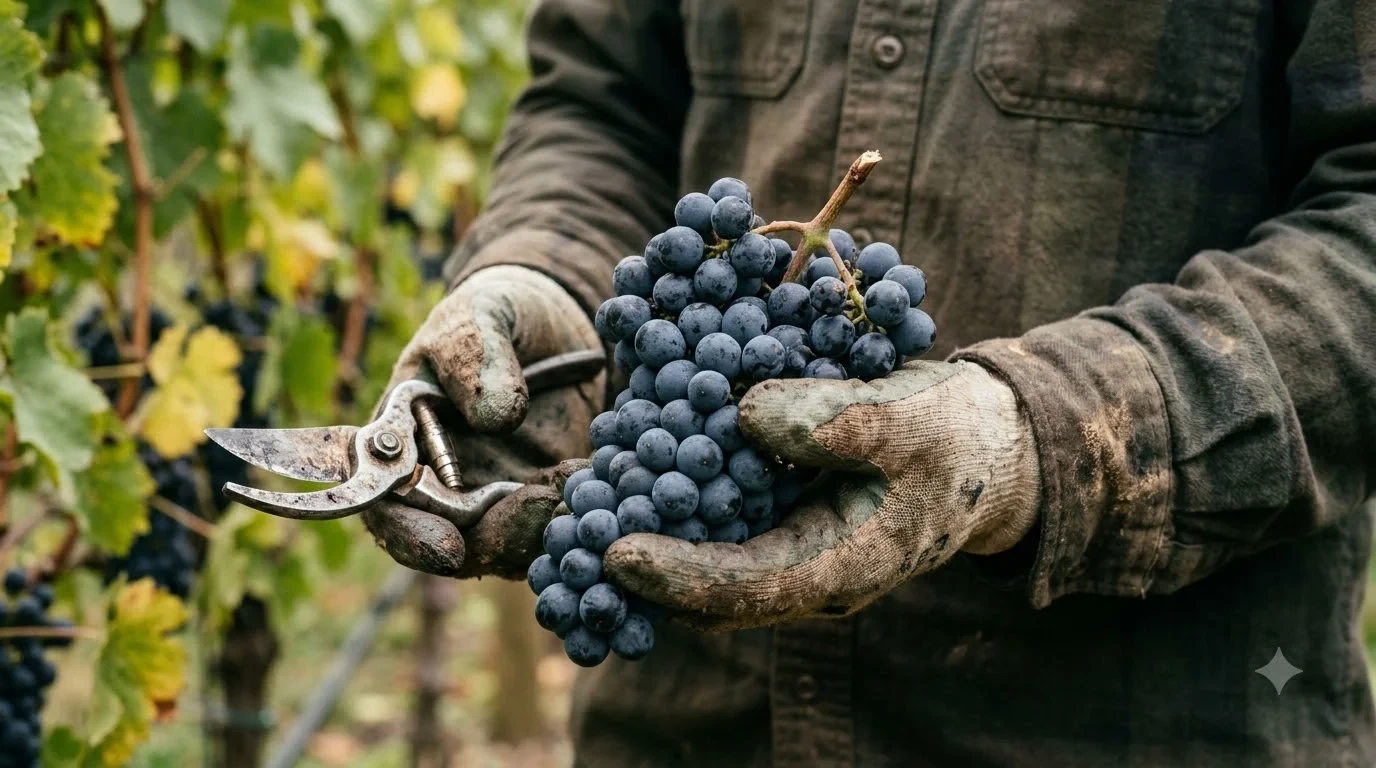
Pinot Noir complements pork through its acidity, moderate body, red-fruit character, and relatively gentle tannins. These qualities provide enough flavor to accompany savory meat while preserving the subtle flavors of leaner cuts.
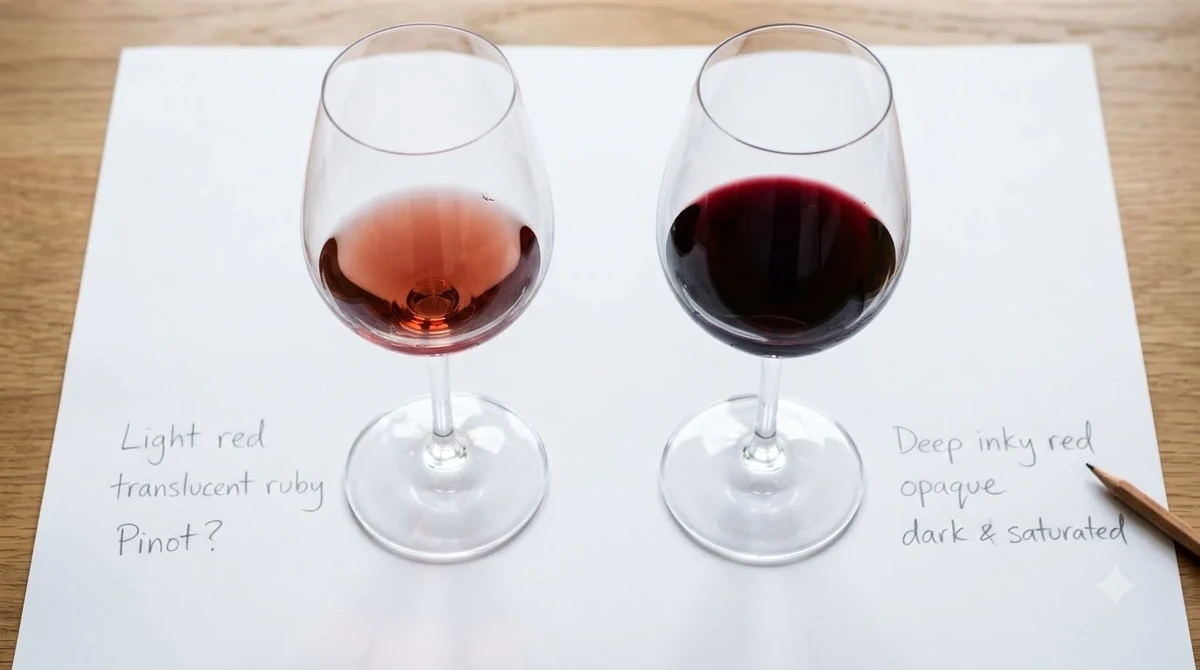
Unlike Cabernet Sauvignon, which generally has high tannins and a firmer structure, Pinot Noir typically has low-to-medium tannins and a more delicate texture. That distinction matters because pork does not always have the intense flavor or fat content needed to balance a powerful red wine. A heavily structured wine can dominate a simple pork tenderloin, while Pinot Noir tends to maintain a better balance.
Acidity is another important advantage. Pork often arrives with buttery pan sauces, roasted fat, caramelized edges, or creamy accompaniments. The refreshing acidity in Pinot Noir helps balance these rich elements and keeps each bite from feeling too heavy. It is particularly useful with pork chops served alongside potatoes, mushrooms, or sautéed vegetables.
The wine’s fruit character creates additional opportunities. Cherry, raspberry, cranberry, and strawberry notes complement the savory sweetness that develops as pork browns during roasting or searing. Earthier Pinot Noir styles can also echo mushrooms, thyme, rosemary, and other ingredients commonly used with pork.
Choosing the right expression
Cooler-climate Pinot Noir often has brighter acidity, restrained fruit, and more noticeable earthy characteristics. Burgundy and Oregon are useful places to start when preparing herb-seasoned pork or mushroom-based dishes. These styles can also complement simple roasted pork without introducing excessive weight.
California Pinot Noir can offer riper cherry and raspberry flavors, a fuller texture, and a more generous impression of fruit. These characteristics can work particularly well with grilled pork, roasted meat, and preparations involving fruit-based sauces.
New Zealand Pinot Noir, particularly examples from Central Otago and Marlborough, offers another option. Depending on the producer and growing conditions, these wines can combine fresh acidity with expressive red-fruit flavors, making them adaptable partners for pork dishes with herbs and browned surfaces.
The important distinction is balance. A delicate pork preparation needs a wine with enough freshness to complement the meat but not so much weight or oak influence that the wine becomes the dominant part of dinner. For more information about the grape’s regional characteristics and typical structure, read Wine Enthusiast’s essential guide to Pinot Noir.
Best Pinot Noir Styles for Different Pork Cuts
The best Pinot Noir for pork depends on the amount of fat, the intensity of the meat, and how it is prepared. Lean tenderloin benefits from a lighter wine, while fattier shoulder and belly can accommodate a fuller, fruitier style.

Start by identifying the main cut rather than selecting wine based only on the word pork. A boneless loin chop and a slow-cooked shoulder have very different textures and flavors, even though they come from the same animal. The following combinations provide practical starting points.
| Pork preparation | Recommended Pinot Noir | Why the pairing works |
|---|---|---|
| Pork tenderloin | Light-bodied Oregon or Burgundy | Bright acidity and delicate fruit suit lean meat. |
| Pan-seared pork chops | Medium-bodied Oregon or California | Red-fruit flavors complement browned surfaces. |
| Herb-roasted pork loin | Cool-climate Burgundy or Oregon | Earthy notes complement rosemary and thyme. |
| Pork belly | Fresh, fruit-forward California Pinot Noir | Acidity helps balance richness and rendered fat. |
| Slow-cooked pork shoulder | Riper California or New Zealand Pinot Noir | Greater fruit intensity accompanies concentrated savory flavors. |
| Grilled pork ribs | Fruit-driven California Pinot Noir | Cherry and raspberry flavors complement smoky seasoning. |
| Stuffed pork loin | Medium-bodied Burgundy or Oregon Pinot Noir | Freshness and earthy flavors suit savory stuffing. |
Pork tenderloin and lean loin cuts
Pork tenderloin is particularly well suited to Pinot Noir because its texture is tender and its flavor is relatively mild. A lighter Burgundy or Oregon Pinot Noir provides enough acidity and fruit to complement the meat without overpowering it. A preparation involving garlic, thyme, rosemary, or a simple mustard rub works especially well.
Roasted pork loin is similarly adaptable, although its flavor can become richer when cooked with the fat cap intact. A medium-bodied Pinot Noir with cherry and cranberry notes is a sensible choice, particularly if the roast is accompanied by roasted root vegetables or a savory pan sauce.
Pork chops and richer cuts
Pan-seared pork chops develop browned surfaces that provide more flavor than gently roasted tenderloin. Here, a California Pinot Noir with ripe cherry and raspberry character can offer a satisfying match. Oregon Pinot Noir is another good option, especially when the chops are seasoned with herbs and black pepper.
Pork belly and shoulder require a little more consideration. Their higher fat content and concentrated savory flavors can overwhelm an especially delicate wine. Choose a fruitier Pinot Noir with enough body to remain noticeable alongside the meat. However, if the dish has a particularly rich sauce or strong barbecue seasoning, a different wine may be more suitable.
Matching Pinot Noir With Roasted, Grilled, and Braised Pork
Cooking method changes the character of pork, sometimes more dramatically than the cut itself. Roasting creates caramelized flavors, grilling adds smoke and char, and braising concentrates savory ingredients into a richer dish.
Roasted pork is one of the most dependable Pinot Noir combinations. The browned exterior develops savory and slightly sweet flavors that work naturally with cherry and cranberry notes. For a simple roast loin with garlic, rosemary, and black pepper, choose an Oregon Pinot Noir or a red Burgundy with noticeable acidity and restrained oak.
For a larger roast, consider what accompanies the meat. Roasted carrots, onions, and potatoes create a savory profile that can support an earthy Pinot Noir. A mushroom gravy makes the match even more appealing because mushrooms share some of the wine’s characteristic earthy aromas. A cranberry or cherry accompaniment, meanwhile, favors a fruitier expression.
Grilled pork and barbecue
Grilled pork chops and ribs can work with Pinot Noir, especially when the seasoning emphasizes black pepper, herbs, and moderate smoke rather than intense sweetness. California Pinot Noir is a useful starting point because its ripe fruit can complement caramelized meat.
Barbecue sauces require closer attention. A dry-rubbed pork rib preparation is generally easier to pair with Pinot Noir than ribs coated in a very sweet sauce. The latter can make a dry wine seem sharper and less expressive. Choose a fruit-forward bottle if the sauce includes brown sugar, honey, or fruit, but avoid expecting a delicate Burgundy to compete with an intensely flavored barbecue glaze.
Braised and slow-cooked pork
Braised pork shoulder develops concentrated flavors through long cooking. Onions, stock, garlic, herbs, and cooking juices create a savory foundation that works with a medium-bodied Pinot Noir. A fruit-driven California example can complement the meat, while a cooler-climate Oregon wine can emphasize its earthy and herbal qualities.
Slow-cooked pork also works well with mushrooms, lentils, and roasted vegetables. These ingredients add savory depth without introducing the strong sweetness or chili heat that can complicate a dry red pairing.
For additional ideas involving lighter meats and similar wine characteristics, see our guide to pinot noir with chicken.
Sauces, Seasonings, and Side Dishes That Complement Pinot Noir
Sauce and seasoning can determine whether a Pinot Noir pairing succeeds or falls flat. Herbs, mushrooms, mustard, apples, and moderate fruit sweetness generally work well, while very sweet barbecue sauces and intense chili preparations require more careful wine selection.
Mushrooms are among the most reliable companions for Pinot Noir. Their earthy, savory flavor complements the wine’s mushroom and forest-floor characteristics, especially in cooler-climate examples. A pork chop with sautéed cremini mushrooms, shallots, and thyme is a straightforward combination that brings both the meat and wine into focus.
Rosemary and thyme are also excellent seasoning choices. These herbs contribute aromatic complexity without overwhelming the relatively delicate flavors of Pinot Noir. Garlic, black pepper, sage, and moderate amounts of Dijon mustard can provide similar benefits.
Fruit sauces and apple accompaniments
Apples are a traditional partner for pork, and they can work particularly well with Pinot Noir. Roasted apples, lightly sautéed apple slices, and moderately sweet apple compote complement the meat’s natural sweetness. A Pinot Noir with bright cherry and cranberry flavors provides a useful contrast.
Berry-based sauces can create an even closer connection between the wine and the food. Raspberry, blackberry, and cherry sauces echo the wine’s fruit aromas. The key is to avoid excessive sweetness. A dry Pinot Noir can seem sour or thin beside a heavily sweetened sauce, so keep the fruit preparation balanced with acidity and savory ingredients.
Cheese, potatoes, and vegetables
Roasted potatoes, mashed potatoes, and root vegetables make dependable side dishes. Their mild, savory character allows the wine and pork to remain the main focus. Creamy mashed potatoes can also soften the impression of acidity in the wine.
For vegetables, consider roasted carrots, green beans, Brussels sprouts, and sautéed mushrooms. These choices provide earthy, slightly sweet, or savory flavors without introducing excessive heat or sweetness.
Cheese can also work as part of a pork-based meal. Mild Gruyère, Brie, and other moderately flavored cheeses can complement Pinot Noir, particularly when served with mushrooms or roasted vegetables. Strong blue cheeses, however, can overpower a delicate wine.
Tip: Build the plate around one or two dominant flavors. Pork with mushrooms and thyme calls for an earthy Oregon Pinot Noir, while pork with roasted apples or berries usually benefits from a fruit-forward style. Keeping sauces moderately sweet helps preserve the balance between the food and wine.
How to Choose and Serve Pinot Noir With Pork
Choose Pinot Noir by considering body, acidity, fruit intensity, and alcohol rather than relying only on the region printed on the bottle. For most pork meals, a light- to medium-bodied wine with refreshing acidity and moderate tannins is an excellent starting point.
For a delicate pork tenderloin, look for a cooler-climate Pinot Noir with cranberry, red cherry, and subtle earthy aromas. Burgundy and Oregon offer many examples of this style. For grilled chops or a more richly seasoned roast, a riper California or New Zealand Pinot Noir can provide additional fruit intensity.
Alcohol content is another useful consideration. Pinot Noir generally ranges from 12% to 15% ABV, with cooler-climate examples often falling between 12% and 13.5%. A moderate-alcohol wine can be especially appealing with pork preparations involving pepper, mustard, or other assertive seasonings.
Serving temperature
Serve Pinot Noir slightly cool rather than at typical warm room temperature. A practical target for a lighter red is 55-60°F, while fuller examples can be served around 60-65°F. Excessive warmth can make alcohol more noticeable and reduce the wine’s freshness.
If the bottle has been stored at room temperature, place it in the refrigerator for approximately 20-30 minutes before serving, then check its temperature. If it becomes too cold, allow it to warm gradually in the glass. The aim is to preserve the wine’s aromas and refreshing character.
Glassware, pouring, and decanting
A medium or large-bowled red wine glass is useful for Pinot Noir. Its shape gives the wine room to release its aromas while directing them toward the nose. Pour approximately 5 ounces per serving. A standard 750-milliliter bottle provides about five such glasses.
Most young Pinot Noir does not need extended decanting. A short period in the glass is often sufficient to reveal its fruit and earthy aromas. Older bottles may benefit from careful handling rather than prolonged exposure to air, particularly if they have developed delicate tertiary characteristics.
Storage also matters. Keep unopened bottles on their sides in a cool, dark location near 55°F, away from significant temperature fluctuations. After opening, replace the cork and refrigerate the bottle. A still wine such as Pinot Noir generally retains its best qualities for approximately three to five days under refrigeration, although its most delicate aromas may fade sooner.
For more practical guidance on matching wine characteristics with different foods, explore our Grape x Food resource.
When Pinot Noir Is Not the Best Choice for Pork
Pinot Noir is versatile, but some pork preparations benefit from wines with more sweetness, acidity, or body. Very sweet barbecue sauces, strong chili seasoning, and exceptionally rich pork dishes can create challenges for delicate dry reds.
Chili heat is particularly important. Alcohol and tannin can amplify the sensation of spice, making a powerful red wine uncomfortable alongside heavily seasoned pork. A fruit-forward Pinot Noir with moderate alcohol may be more suitable than a high-alcohol, heavily oaked example, but an off-dry Riesling can be an even better choice for intensely spicy dishes.
Sweet sauces create another potential problem. If pork is covered in a sticky glaze made with honey, brown sugar, or sweet fruit preserves, a completely dry Pinot Noir may taste less fruity and more acidic. The wine should have enough ripe fruit character to stand alongside the sauce. If the sweetness dominates the dish, consider a wine with some residual sugar instead.
Extremely fatty pork preparations can also challenge lighter Pinot Noir. Pork belly with thick layers of fat and rich crackling may benefit from a more intensely acidic wine. Sparkling wine, Riesling, or another refreshing white can provide a better contrast. A fruitier Pinot Noir remains an option if the dish also includes herbs, mushrooms, or savory accompaniments.
Useful alternatives
Several wines deserve consideration if Pinot Noir does not quite match the dish. Riesling is particularly useful with pork and apples, sweet glazes, and chili-seasoned preparations. Its acidity and range of sweetness levels make it adaptable to different sauces.
Gamay from Beaujolais provides another light-bodied red alternative. Its fresh fruit and generally moderate tannins make it suitable for pork chops, sausages, and roasted pork. For richer preparations, Grenache can offer additional fruit intensity and body.
Chardonnay is also a sensible choice for pork loin and herb-roasted pork, especially when the dish includes a creamy sauce. For more ideas involving tomato-based and savory dishes, see our guide to pinot noir with pasta.
The same principles apply to other casual meals. For example, the acidity and red-fruit flavors that make Pinot Noir work with savory pork can also complement tomato sauce and cured meat on pinot noir with pizza.
For a broader look at how cooking techniques, sauces, and pork cuts influence wine selection, read Decanter’s guide to choosing wine with pork.
Frequently Asked Questions
Is Pinot Noir traditionally associated with a particular pork dish?
Pinot Noir has a long association with Burgundy, where it is commonly enjoyed alongside regional dishes featuring pork, poultry, mushrooms, and other savory ingredients. Pork preparations with mustard, herbs, and mushrooms are particularly compatible with the grape’s traditional earthy character. Regional food traditions often provide useful inspiration for recreating balanced pairings at home.
Can Pinot Noir be used in a pork marinade?
Yes. Dry Pinot Noir can contribute fruit and savory depth to a pork marinade when combined with garlic, rosemary, thyme, and a little olive oil. Use a moderate amount of wine and avoid relying on it as the only source of acidity or seasoning. Discard raw-meat marinade unless it is thoroughly cooked before being served as a sauce.
Does Pinot Noir work with smoked ham?
Pinot Noir can accompany smoked ham, particularly when the ham is not heavily sweetened. Its red-fruit flavors complement the meat’s savory character, while its acidity helps balance saltiness. A dry sparkling wine or off-dry Riesling is another good option, especially for ham served with a sweet glaze.
Should Pinot Noir be served in a decanter or directly from the bottle?
Most young Pinot Noir can be served directly from the bottle after a brief rest in the glass. A short decant of approximately 15-30 minutes may help some structured young examples open up, but delicate older wines can lose their aromatic appeal if exposed to air for too long. The wine’s age and condition should guide the decision.
Can sparkling Pinot Noir accompany pork?
Yes. Sparkling wines made with Pinot Noir can be excellent alongside fried tenderloin, breaded chops, and salty preparations. Their bubbles and acidity refresh the palate between bites. Rosé sparkling wine also contributes red-fruit flavors that complement browned pork and lightly sweet accompaniments.
Pinot Noir is a reliable partner for pork because its acidity, red-fruit flavors, and relatively gentle tannins complement a wide range of preparations. Start with Oregon or Burgundy for lean pork and herb-based dishes, then explore fruitier California or New Zealand examples for grilled and richer cuts. By matching the wine to the complete dish rather than the meat alone, you can create a balanced pairing for everything from a simple pork chop to an elaborate roast.
More in Food & Wine Pairing
 Risotto With White Wine Recipe: Make a Creamy Dinner at HomeUpdated Nov 20, 2026
 Wassail With Wine Recipe for a Festive Spiced Holiday DrinkUpdated Nov 20, 2026
 Spritz Veneziano Recipe: Make a Classic Venetian Aperitivo at HomeUpdated Nov 20, 2026
 Summer Wine Punch Recipe for Easy Homemade EntertainingUpdated Nov 20, 2026
 Bishop Recipe: How to Make a Bright, Citrus-Forward Red Wine CocktailUpdated Nov 20, 2026
 Wine Cupcakes Recipe: Bake Rich Chocolate Cupcakes at HomeUpdated Nov 20, 2026