

We may earn a commission when you buy through links on this page, at no extra cost to you. Learn more.
The answer to “what is verdejo” is a Spanish white wine grape best known for making crisp, aromatic dry wines in Rueda, in the Castilla y León region of northwestern Spain. Its signature profile combines citrus and orchard fruit with fennel, fresh herbs, lively acidity, and a lightly bitter finish. Most bottles are refreshing and unoaked, although lees-aged and barrel-fermented examples can be broader, creamier, and more layered.
Verdejo offers a useful middle ground for drinkers who enjoy the herbal lift of Sauvignon Blanc but want a little more texture and a savory edge. It works as an aperitif and at the table.
What Verdejo Is and Where It Comes From
Verdejo is a white grape variety associated above all with Rueda, a wine region in Castilla y León, northwestern Spain. The Rueda regulatory council describes it as the region’s native variety, established there for more than ten centuries and valued for its aromatic character, fruit, and acidity. The council’s Verdejo profile gives the grape a central place in the region’s identity.
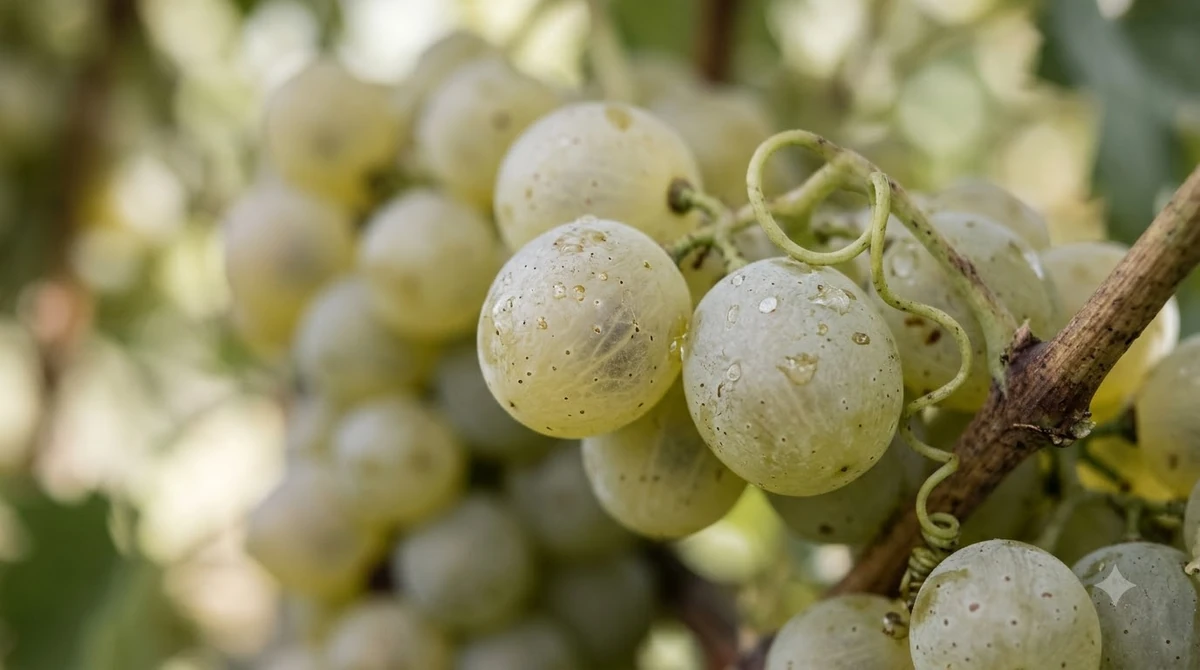
Rueda is the classic place to look for Verdejo because the grape has become the region’s defining white variety. The name on a bottle can refer to the grape, the wine, or a wine designation: Verdejo is the variety, while Rueda is the appellation. A bottle marked Rueda Verdejo signals a wine made principally from the grape under the appellation’s rules. A wine can therefore come from Rueda without being a single-variety Verdejo.
Verdejo is not limited to one production style. The modern reputation rests on fresh, dry whites, but the grape also has a history in richer, oxidative wines. Decanter describes the modern shift toward fresh, fruit-driven Rueda as a major change from older, more oxidative expressions. That history explains why Verdejo can vary in color, texture, aroma, and weight.
For a broader introduction to Spanish whites, browse our guide to Wine by Type.
How Rueda’s Climate Shapes the Grape
Rueda’s high inland plateau helps Verdejo retain freshness while developing ripe fruit flavors. According to the D.O. Rueda regulatory council, vineyards sit between 700 and 931 meters above sea level, with hot, dry summers, long cold winters, and a marked contrast between daytime and nighttime temperatures.
The altitude and temperature swings are important. Warm sunny days help the grapes build sugar and flavor, while cooler nights slow the loss of acidity. The regulatory council reports around 2,600 hours of sunshine each year, a figure that could make the wines overly ripe without the region’s cooler nights and relatively late ripening cycle. This helps balance ripe citrus and orchard fruit with fresh acidity.
Many Rueda growers harvest at night, often using mechanical harvesting. The council explains that lower nighttime temperatures help limit oxidation in the grape juice and allow wineries to work with cooler fruit. Because Verdejo can be vulnerable to oxidation, cool handling helps preserve its clean fruit and herbal aromas.
| Reference point | Typical figure | Why it matters |
|---|---|---|
| Rueda vineyard elevation | 700–931 meters | The high plateau contributes to cool nights and freshness, according to the D.O. Rueda regulatory council. |
| Annual sunshine in Rueda | About 2,600 hours | Sunlight supports ripening; nighttime cooling helps preserve acidity, according to the council. |
| Typical Verdejo alcohol | 11.5–13.5% ABV | Wine Folly gives this as a common range for the dry, light-bodied style. |
| Verdejo in Rueda Verdejo | At least 85% | Decanter reports that Rueda DO rules require this minimum for the named style. |
These conditions do not make every bottle identical: harvest date, vineyard site, fermentation temperature, and lees contact all matter. Riper expressions can feel rounder and more tropical, while earlier-picked versions may emphasize lemon, green apple, and brisk acidity.
What Verdejo Tastes Like
Most dry Verdejo tastes fresh and aromatic, with citrus, green or white fruit, herbs, and a slightly bitter finish. Lime, grapefruit, green apple, white peach, fennel, and cut grass are useful reference points, although the exact mix changes with ripeness and winemaking.
The fruit profile usually sits between citrus and orchard fruit, sometimes moving toward melon, peach, or pineapple in riper examples. Herbal notes are a major part of the grape’s identity: fennel, anise, mint, and freshly cut grass can give the aroma a savory lift, while citrus peel or grapefruit pith adds a faintly bitter edge. This bitterness is not necessarily a flaw; in a balanced wine, it gives the finish definition and keeps the fruit from seeming sugary. Verdejo is generally dry, with medium-high to high acidity and a light to medium body. It is not a tannic white wine, so the texture comes from fruit concentration, acidity, lees contact, or oak rather than the firm grip associated with tannic red grapes. Alcohol commonly falls around 11.5–13.5% ABV in the profile described by Wine Folly, though individual bottles may sit outside that range.
People often compare Verdejo with Sauvignon Blanc because both can show citrus, green herbs, and refreshing acidity. The comparison is useful, but it is not a perfect match. Sauvignon Blanc can be sharper and more overtly grassy or pungent, depending on its origin, while Verdejo often brings a rounder fruit impression and a distinctive bitter-herbal finish. It may also have more mid-palate weight than its bright aromas suggest.
For a more detailed breakdown of the aromas and structure, see our Verdejo tasting notes. Notice the citrus or orchard-fruit aromas first, then the herbal middle and the savory, sometimes almond-like finish.
Is Verdejo Dry? Styles, Blends and Winemaking
The usual style is dry, crisp, and aromatic, especially when the bottle is labeled Rueda Verdejo. The grape is versatile, however, and winemaking choices can shift the wine from lean and citrusy to textured, creamy, or more deeply savory.
Many modern examples are fermented in stainless steel at controlled, cool temperatures, an approach that helps retain fruit and herbal aromas while keeping the wine fresh and direct. Other producers ferment or age part of the wine in oak, or leave it on its lees—the spent yeast cells left after fermentation. Lees contact can add a broader mouthfeel and notes that seem creamy, bready, or nutty without necessarily making the wine taste sweet. Oak-aged Verdejo is usually fuller and more complex than a young stainless-steel version: barrel fermentation can introduce gentle spice and toast, while lees stirring may build texture and soften the grape’s bitter edge. Decanter’s review of Spanish Verdejo styles found both unoaked wines and wines with oak or significant lees contact among the strongest examples; its Spanish Verdejo panel tasting illustrates the range. They are different interpretations of the same grape.
Blending is another variable. Rueda producers may combine Verdejo with grapes such as Sauvignon Blanc or Viura, also known as Macabeo. Decanter reports that a wine labeled Rueda Verdejo must contain at least 85% Verdejo, leaving room for a smaller blending component under the rules. Verdejo still defines the wine, while a supporting grape can shift its aroma or texture. If you are choosing a bottle for a specific meal, the label language can help: a fresh stainless-steel style is a natural match for simple seafood, salads, and warm-weather meals, while a wine described as barrel-fermented, oak-aged, or aged on lees is more likely to stand up to richer sauces, roast poultry, and dishes with a little more weight. For a focused answer on sweetness, our guide to is Verdejo sweet or dry explains what to expect from the common styles.
The word “dry” refers to the wine’s residual sugar, not to how intensely it smells or how much fruit it shows. Verdejo can smell ripe and seem generous on the palate while still finishing dry; oak and lees can create a softer, rounder sensation without adding much sugar. Acidity, ripeness, alcohol, and texture all shape perceived sweetness, which is different from actual sugar level.
Foods That Pair Well with Verdejo
Verdejo is especially good with seafood, grilled fish, shellfish, salads, and dishes that use lemon or fresh herbs. Its acidity refreshes the palate, while citrus and fennel notes echo ingredients that commonly appear in Mediterranean and coastal cooking.
Try a crisp, unoaked Verdejo with fish tacos, grilled shrimp, calamari, oysters, or white fish with lemon. Its acidity cuts through fried coatings and olive oil, while herbal notes work with parsley, cilantro, dill, and fennel. A squeeze of lime in the dish can make the pairing feel especially natural. It also works well with sushi and simple seafood rice, provided the preparation is not dominated by heavy sweetness or intense chili heat.
For vegetables and lighter meals, pair Verdejo with tomato salads, grilled zucchini, asparagus, green salads, and dishes with fresh goat cheese or feta. The wine’s acidity can match vinaigrettes, and the herb notes can connect with basil, mint, or parsley. It also suits lemon roast chicken, herb-roasted vegetables, and chicken salads. A lightly oak-aged example has enough body for chicken with a cream sauce or a richer fish dish.
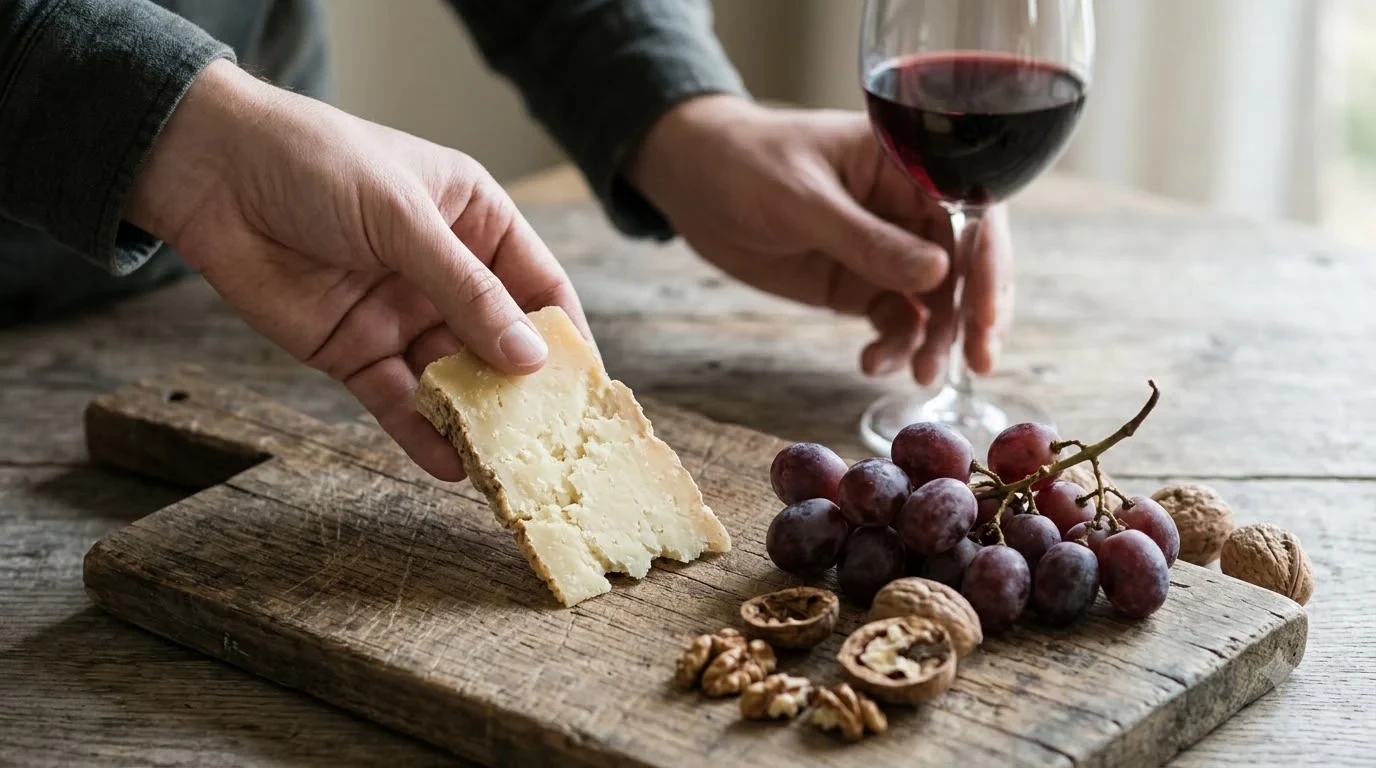
Cheese pairings are easiest when the cheese is fresh, tangy, or moderately firm. Goat cheese, feta, young sheep’s-milk cheese, and Manchego can all work, especially when served with olives, almonds, or marinated vegetables. Very intense blue cheese can overpower a lean, citrusy Verdejo, although a fuller, lees-aged bottle has a better chance of matching its richness. Pay attention to heat and sweetness, too: chili heat can make alcohol seem more aggressive, so keep the spice moderate, and choose a wine at least as sweet as a sweet sauce or dessert. In salty or oily dishes, Verdejo’s acidity can be refreshing; a richer, lees-aged bottle may be better suited to a more substantial preparation. Verdejo can also work as a first glass before dinner, served with green olives, salted Marcona almonds, grilled peppers, or small seafood bites. Its acidity and subtle bitterness prepare the palate for food without requiring a rich appetizer.
Tip: Build a simple pairing around one shared flavor: pour crisp Verdejo with grilled fish, lime, and cilantro, or choose a lees-aged bottle for roast chicken with a creamy herb sauce. Keep chili mild so the wine’s alcohol and delicate herbal notes stay in balance.
How to Serve, Store and Choose Verdejo
Serve Verdejo cool, but not so cold that its aromas disappear. A practical target for a light to medium-bodied white is 45–50°F, with a regular white-wine glass that gives the citrus and herbal notes room to open.
If the bottle is very cold, let it sit in the glass for a few minutes before judging its aroma. Excessive chill can mute fennel, peach, and floral notes, making the wine seem simpler and more acidic than it is. A serving temperature around 45–50°F keeps the wine refreshing while allowing more of its fragrance to show; a fuller, oak-aged expression can be served toward the warmer end of that range. For a first purchase, look for a dry Rueda Verdejo if you want the classic style: crisp acidity, citrus and orchard fruit, herbal aromas, and a clean finish. If you prefer more weight, seek out a producer’s lees-aged or oak-influenced bottling. Terms describing fermentation or aging offer a better clue to texture than the grape name alone. To learn how to say the grape name before asking for it at a wine shop or restaurant, use our guide to how to pronounce Verdejo.
A 750 ml bottle gives about five standard 5 oz pours. Once opened, keep the bottle in the refrigerator with a secure closure and aim to finish a still white wine within 3–5 days. Chill slows development, but air gradually dulls fresh fruit and herbal notes. Recork the bottle promptly between pours.
Choose the wine according to the occasion rather than assuming every Verdejo will taste the same. A young, unoaked bottle suits a sunny lunch, seafood, or vegetables; a richer lees-aged or oaked bottle fits roast chicken and creamy pasta. If you enjoy Sauvignon Blanc but want a slightly rounder texture and a bitter-herbal finish, Verdejo is a natural grape to explore.
Frequently Asked Questions
These quick answers cover pronunciation, grape identity, aging, and the traditional wines of Rueda. They also clarify why Verdejo is more varied than the familiar crisp, unoaked style suggests.
How do you pronounce Verdejo?
Say it “ver-DAY-ho,” with the final sound closer to the “ho” in “hope” than an English “j.” The pronunciation reflects Spanish spelling, in which the letter j has a breathy sound. Wine Folly gives the same phonetic guide for the grape.
Is Verdejo the same grape as Verdelho?
No. Verdejo is the Spanish white grape associated with Rueda, while Verdelho is a different Portuguese variety used notably in Madeira. Their names look similar, but they are not interchangeable on a wine list or bottle label.
Can Verdejo age in the bottle?
Many fresh, unoaked bottles are made to be enjoyed young, but Verdejo is not limited to immediate-drinking wines. Wine Folly gives a general cellar window of 3–5 years for its representative style, and more ambitious wines with oak or extended lees contact may develop additional complexity. Storage conditions and the individual wine matter.
What is Rueda Dorado Verdejo?
Dorado is a traditional oxidative style from Rueda, quite different from the region’s crisp modern whites. Decanter describes De Alberto’s non-vintage Dorado as a wine made in glass demijohns exposed to the sun and then aged in a solera that was already 70 years old. Its dried-fruit and oxidative character makes it a distinctive historical expression of the grape.
Is Verdejo grown outside Rueda?
Yes. Rueda is its best-known home, but Verdejo is grown in other parts of Spain, including Valencia, La Mancha, and Rioja. Decanter’s panel tasting included wines from several Spanish regions, although 110 of the 120 wines submitted came from DO Rueda.
Verdejo is a distinctive Spanish white that balances citrus freshness, herbal complexity, and a gently savory finish. Start with a crisp Rueda bottling to understand its classic character, then try a lees-aged or oak-influenced example to see how much texture the grape can offer. With seafood, fresh herbs, or roast chicken, it is an easy grape to bring to the table.
More in Wine Types & Grapes
 What Does Mourvèdre Taste Like? Flavor Profile, Regions, and PairingsUpdated Nov 20, 2026
 What Does Marsanne Taste Like? Flavors, Styles, and Food PairingsUpdated Nov 20, 2026
 What Does Malvasia Taste Like? Styles, Flavors, and Food PairingsUpdated Nov 20, 2026
 What Does Grenache Blanc Taste Like? Flavor Profile, Styles, and PairingsUpdated Nov 20, 2026
 What Does Garnacha Taste Like? Key Flavors, Styles, and Pairing TipsUpdated Nov 20, 2026
 What Does Fruit Wine Taste Like? A Complete Flavor and Style BreakdownUpdated Nov 20, 2026