

We may earn a commission when you buy through links on this page, at no extra cost to you. Learn more.
Lancaster vineyards sit in the Lancaster Valley, one of five American Viticultural Areas recognized in Pennsylvania, where vines share a humid, four-season climate with the rest of the state. Pennsylvania is the eighth-largest wine-producing state in the country, and its vineyards grow everything from French-American hybrids to European vinifera. Knowing the valley’s climate and grape history helps explain why local wines taste the way they do.
This guide covers where the Lancaster Valley sits within Pennsylvania, how its climate shapes the vines, the grape history behind the region, and what to expect when you visit a vineyard. If you are planning a trip, read the climate section first, because weather drives most of the decisions growers make.
Where the Lancaster Valley Sits in Pennsylvania
Pennsylvania is a major player in American wine, with 119 wineries across the state according to a widely cited reference overview. The state ranks eighth among U.S. wine producers, and its wine trade has grown alongside a strong food and tourism scene.
Within that larger picture, the Lancaster Valley is one of five federally recognized viticultural areas in Pennsylvania. The others are the Central Delaware Valley, the Cumberland Valley, the Lake Erie region, and the Lehigh Valley. Each area has its own climate and soils, which is why a bottle from Lake Erie will taste different from one grown in the southeast.
The Lancaster Valley is best understood as a farm-country setting. Vineyards sit among fields, orchards, and small towns, and many wineries blend a visit to the vines with other local attractions. That mix gives visitors a relaxed way to learn about Pennsylvania wine.
How the Climate Shapes Lancaster Vines
Most of Lancaster County has a hot-summer humid continental climate, with hardiness zones 6b and 7a. Areas along the Susquehanna River and in the lower Conestoga Valley have a humid subtropical climate, which means warmer nights and more summer moisture. Average yearly precipitation is about 44 inches, based on recent climate normals.
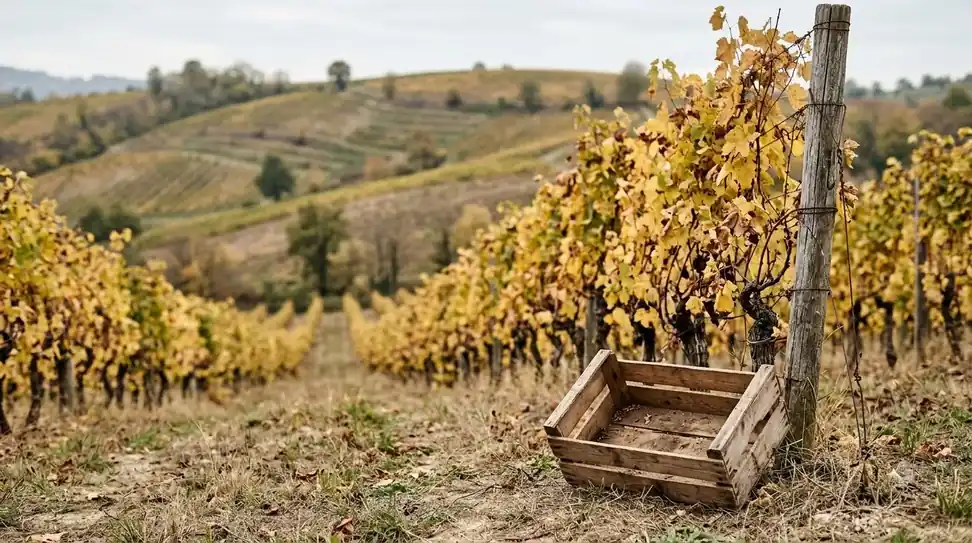
Humidity matters more than cold for many growers, and summer storms can bring heavy rain close to harvest, which makes timing a real challenge.Wet conditions raise the risk of fungal disease, so vineyard managers pay close attention to canopy management and spray timing. Varieties that resist disease, including many hybrids, are a practical choice in a climate like this one.
| Climate factor | What it means for vines |
|---|---|
| Humid continental summers | Warm growing season with moisture that can encourage disease |
| Hardiness zones 6b and 7a | Vines need varieties that handle cold winters |
| Humid subtropical areas near the Susquehanna | Longer, warmer nights and higher summer humidity |
| About 44 inches of yearly rain | Careful canopy and spray management to protect fruit |
Winter cold is another factor. Hardiness zones help growers decide which varieties will survive the coldest months, and many Pennsylvania vineyards plant cold-hardy grapes or protect young vines during winter. Because the climate is milder than in some surrounding states, moderated by Lake Erie to the north and the Atlantic Ocean to the east at the statewide level, the valley can support a wider range of varieties than many visitors expect.
A Grape-Growing History That Predates Many Regions
Pennsylvania’s grape history is older than many people realize. Around 1740, a hybrid of European and North American grapes was discovered near Philadelphia and initially named Alexander. In 1786, Pierre Legaux founded the Pennsylvania Vine Company just outside Philadelphia, which became the nation’s first commercial vineyard.
That early history set the stage for later growers in the Lancaster area. The state’s long tradition of experimenting with hybrids and native grapes is one reason the region still offers a wide range of wine styles. Today’s vineyards build on that legacy, using modern equipment and climate knowledge to make better fruit from the same basic idea.
Grape Varieties You May See in Lancaster Vineyards
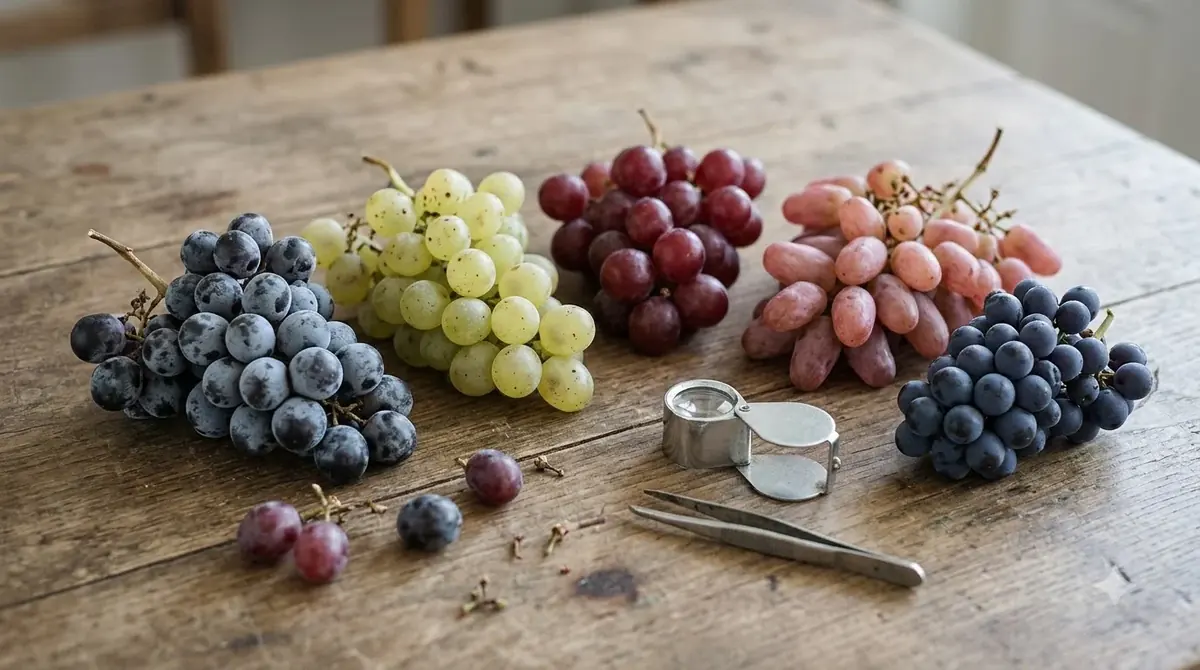
Pennsylvania vineyards grow dozens of grape types, including hybrids, French-American varieties, and European vinifera. Vinifera grapes such as Chardonnay, Merlot, and Riesling are common across the state, while hybrids and French-American types often suit the humid conditions more easily.
For visitors, this mix means you may see a crisp white from a hybrid next to a classic Chardonnay or a Riesling on the same tasting menu. Ask the staff which grapes are grown on the property and which are sourced from other vineyards, because that answer shapes the style you are about to taste.
Tip: Tasting menus often change with the season. If a variety you want is not listed, ask whether it is available by the glass or bottle before you commit to a flight.
Visiting Lancaster Vineyards
Plan your visit around the season and the vineyard’s schedule. Many wineries offer tastings in a tasting room, and some pair the visit with farm produce, local food, or events. Opening hours and tasting fees change over time, so check directly with each vineyard before you travel.
The easiest way to build an itinerary is to choose two or three wineries in the same area, so the drive between them stays short. Pair the tastings with a meal, and leave time to talk with the people pouring the wine. Staff can explain how the vineyard handles humidity, which varieties perform best on the property, and where the fruit comes from. Designate a driver or arrange a ride before you go, since distances between rural vineyards can be longer than they look on a map, and tasting flights add up quickly.
For background on Pennsylvania’s wine history and its five viticultural areas, the Pennsylvania wine article on Wikipedia offers a clear overview of the state’s regions and grape history.
How Lancaster Wine Compares With Other Growing Areas
Lancaster wine is shaped by humidity and winter cold, which sets it apart from drier growing areas. If you are comparing styles across the country, the Arizona vineyards guide shows how a desert climate leads growers to make very different decisions about irrigation, grape choice, and harvest timing.
The Chalk Hill vineyards guide offers another useful contrast. Comparing these regions side by side makes it easier to notice how climate, soil, and farming choices combine to shape the glass in front of you.
Lancaster also fits into a wider eastern wine story. Its hybrids and French-American grapes connect it to other humid-climate regions, while its vinifera plantings link it to the classic varieties found across America. Tasting across those styles helps you understand what the region does well.
Frequently Asked Questions
What is the Lancaster Valley?
The Lancaster Valley is one of five federally recognized viticultural areas in Pennsylvania. It is a farm-country setting where vineyards share space with fields, orchards, and small towns.
What kind of climate do Lancaster vineyards have?
Most of Lancaster County has a hot-summer humid continental climate, with hardiness zones 6b and 7a. Areas near the Susquehanna River have a humid subtropical climate, and yearly rainfall averages about 44 inches.
Which grapes grow in Pennsylvania vineyards?
Pennsylvania grows dozens of grape types, including French-American hybrids and European vinifera such as Chardonnay, Merlot, and Riesling. Hybrids often suit humid conditions well.
How should I plan a visit to Lancaster vineyards?
Choose two or three wineries in the same area, check hours and tasting options directly with each one, and ask staff which grapes are grown on the property. Booking ahead is wise during busy seasons.
Lancaster vineyards reward a patient visit. Start with the climate and grape history, then taste a hybrid and a vinifera wine side by side. For a broader view of American growing areas, the wine regions guide is a good next stop.
More in Wine Regions
 Willcox Wine Trail: Discover Arizona’s High-Elevation Wine CountryUpdated Nov 20, 2026
 Yakima Valley Wine Region: Find the Best Styles to TryUpdated Nov 20, 2026
 Vosne Romanee Wine Tasting: Identify Aromas and Choose Better PairingsUpdated Nov 20, 2026
 Yakima Valley Wine Festival: Find the Best Seasonal Wine EventsUpdated Nov 20, 2026
 Wales Vineyards: Discover Cool-Climate Wines and Where to VisitUpdated Nov 20, 2026
 Yountville Wine Festival: Discover Napa Wines and Local FoodUpdated Nov 20, 2026