


We may earn a commission when you buy through links on this page, at no extra cost to you. Learn more.
The short answer to “is rose vegan” is sometimes, because while wine starts with grapes, winemakers often clarify pink wine using animal-derived fining agents. Traditional processing aids like egg whites, milk protein (casein), gelatin, and fish-derived isinglass can make a bottle non-vegan, even though these substances are filtered out before bottling. Fortunately, many modern rosés rely on mineral clays, plant proteins, or synthetic polymers instead, and plenty of producers now mark vegan bottles right on the back label.
Because rosé is made from crushed red wine grapes, most shoppers assume every pale pink bottle on the shelf is completely plant-based. In practice, the difference between a vegan rosé and a non-vegan one comes down to what happens inside the winery cellar between fermentation and bottling—and knowing how to spot those clues makes shopping far easier.
Why Some Rosé Wines Are Not Vegan
Freshly fermented wine naturally contains suspended yeast cells, microscopic grape solids, tannins, and proteins that make the liquid look cloudy or hazy. To achieve the crystal-clear, luminous appearance drinkers expect in a glass of pink wine, winemakers use a clarification step called fining.
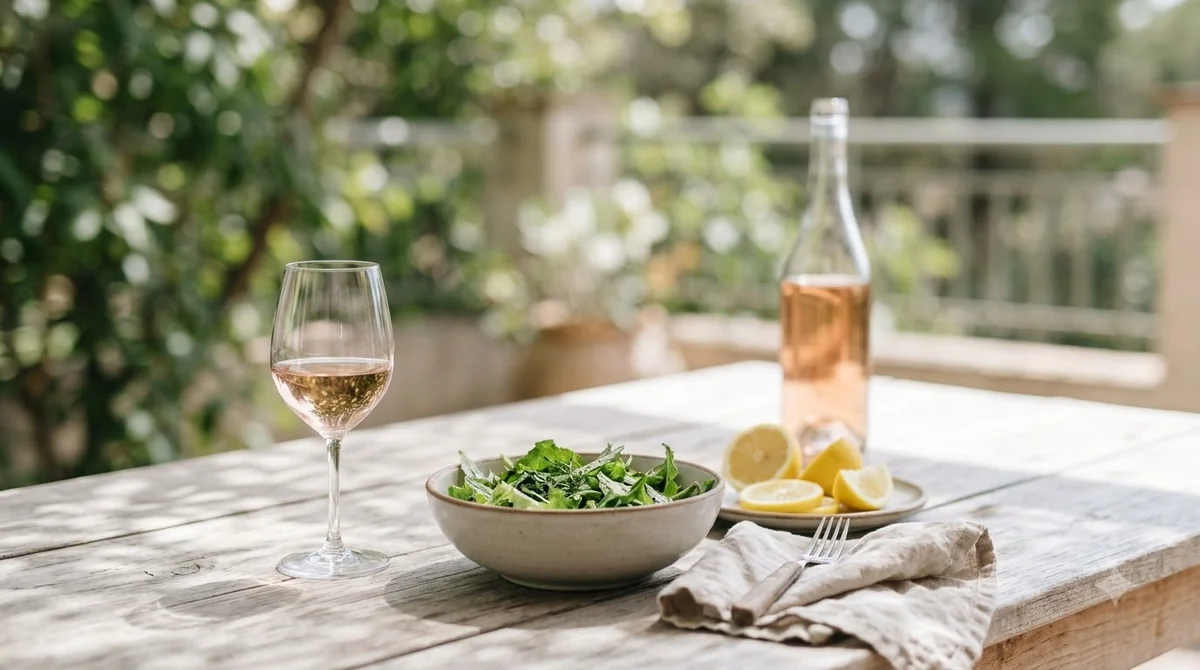
During fining, a winemaker adds a binding substance to the tank or barrel. These fining agents carry an electrical charge that attracts opposite-charged particles floating in the wine, clumping them together until they grow heavy enough to sink to the bottom. Once the sediment settles, the clear wine is racked off the top and filtered, leaving virtually no trace of the fining agent behind in the finished bottle.
The catch for plant-based drinkers is that several classic fining agents come from animals. According to Wine Enthusiast, winemakers historically turned to animal proteins because they work reliably and gently strip away harsh phenolics or excess color without dulling fruit aromas. Even though the clarifying agent is removed prior to bottling, any wine processed with animal byproducts is not considered vegan.
Common Fining Agents Used in Rosé Winemaking
Not every clarifying agent comes from an animal source, and rosé producers rely on both traditional animal proteins and modern vegan-friendly alternatives to polish their wines. Understanding the exact ingredients used in the cellar helps clarify which bottles align with a vegan or vegetarian lifestyle.
| Fining Agent | Source Material | Purpose in Rosé | Vegan Status |
|---|---|---|---|
| Bentonite | Purified volcanic clay | Binds unstable proteins and ensures heat stability | Vegan and vegetarian |
| PVPP | Man-made synthetic polymer (polyvinylpolypyrrolidone) | Absorbs excess phenolics and helps create a pale, bright pink hue | Vegan and vegetarian |
| Pea or Potato Protein | Legumes and tubers | Binds bitter tannins and clarifies suspended solids | Vegan and vegetarian |
| Activated Charcoal | Carbonized plant or mineral matter | Removes off-odors and adjusts overly deep color | Vegan and vegetarian |
| Casein | Milk protein | Brightens clarity and removes oxidative taint | Vegetarian, not vegan |
| Egg Albumen | Egg whites | Softens astringent tannins and clears haze | Vegetarian, not vegan |
| Isinglass | Swim bladders of fish | Drops suspended yeast and particles for brilliant shine | Neither vegan nor vegetarian |
| Gelatin | Collagen from animal hides and bones | Reduces bitterness and strips excess tannin | Neither vegan nor vegetarian |
| Chitosan | Shells of crustaceans | Removes excess color and phenolic compounds | Neither vegan nor vegetarian |
Rosé sits right between white and red wine in structure, meaning winemakers choose fining agents based on how much skin contact the juice received. Pale, Provençal-style rosés often behave much like crisp white wines in the cellar, so producers frequently use bentonite clay to prevent protein haze when the bottle warms up, or PVPP to refine the delicate salmon color.
Deeper-colored, fuller-bodied rosés—such as Spanish rosados or structured styles from southern France—carry more grape skin tannins and pigment. For those bottles, a winemaker looking to soften astringency might reach for gelatin, egg whites, or plant-based pea protein instead. Because different styles across the wider world of wine require different cellar treatments, color alone never tells you whether a bottle is animal-free.
Does Organic, Biodynamic, or Natural Mean Vegan?
Many shoppers reach for an organic, biodynamic, or natural rosé assuming those farming and cellar philosophies automatically guarantee a vegan wine, yet none of these terms actually prohibit animal fining agents. Each certification or label claim governs a distinct part of grape growing or winemaking, and plenty of overlap—as well as confusion—exists between them.
Certified organic wine guarantees that the grapes were grown without synthetic pesticides, herbicides, or chemical fertilizers, and it restricts certain cellar additives. However, organic rules in both the United States and Europe still permit winemakers to clarify their wines with organic egg whites, casein, gelatin, or isinglass. A rosé can carry an official organic seal on the front label and still be fined with fish bladder or milk protein in the winery.
Biodynamic wines follow strict holistic farming calendars and forbid synthetic cellar interventions, though biodynamic vineyard preparations famously rely on animal horns and manure composts, which strict vegans often avoid. Meanwhile, “natural” wine has no legal definition in the United States, though natural producers generally avoid fining altogether. As Wine Folly points out, wines bottled unfined and unfiltered skip animal clarifying agents in the cellar, making low-intervention rosés a strong bet—provided you still verify with the producer.
Tip: Don’t confuse “organic” with “vegan” on a wine label—look specifically for a certified vegan logo, the phrase “unfined and unfiltered,” or a producer statement confirming plant or mineral clarification.
Hidden Animal Products Beyond Fining
While fining accounts for the vast majority of non-vegan rosé wines, strict vegans also pay attention to packaging materials and vineyard inputs that rarely get mentioned on a back label. Depending on how strictly you define veganism, a few secondary details can influence your bottle choice.
At the bottling line, some traditional estates dip the necks of their bottles in beeswax rather than using synthetic wax or tin capsules. Additionally, certain technical or agglomerated corks—made by binding cork granules together—historically used casein-based glues to hold the stopper intact, though many modern cork manufacturers have shifted to polyurethane adhesives. Screw caps, which are especially common on fresh, aromatic rosés, sidestep cork glue concerns entirely.
Out in the vineyard, conventional and organic growers sometimes enrich soil health using animal byproducts such as bone meal, blood meal, fish emulsion, or livestock manure. Most mainstream vegan wine certifications focus strictly on winemaking and packaging rather than soil fertilizers, so drinkers who avoid animal-derived agriculture altogether look for producers practicing “veganic” farming using purely green manure and plant composts.
How to Tell If a Bottle of Rosé Is Vegan
Because federal labeling laws in the United States do not require wineries to list fining agents on the bottle, you cannot tell whether a rosé is vegan simply by reading the standard ingredient or nutrition panel. Fortunately, a few reliable strategies take the guesswork out of shopping at your local wine shop.
First, inspect the back label for a recognized third-party vegan trademark—such as the Certified Vegan logo or the European V-Label—or a plain-English statement from the winery reading “Suitable for Vegans” or “Vegan Friendly.” If you are shopping for European imports, check the fine print near the importer strip for allergen warnings: European Union regulations require wineries to disclose egg and milk derivatives if detectable traces remain, so any rosé bearing “Contains: Egg” or “Contains: Milk” is immediately off the list.
When a label stays silent, look for the words “unfined” or “unfiltered,” which indicate the wine settled naturally by gravity without clarifying additives. If a bottle offers no clues at all, check the winery’s website technical sheets—where winemakers frequently list bentonite or pea protein fining—or search crowd-sourced databases like Barnivore, which archives direct email confirmations from thousands of producers worldwide.
Serving and Enjoying Vegan Rosé
Once you have tracked down a verified vegan bottle, you can treat it just like any other quality pink wine, because vegan fining methods have zero negative impact on flavor, aroma, or texture. In fact, many wine lovers find that minimally fined or bentonite-clarified rosés retain vibrant, crisp fruit character.
Chill your bottle thoroughly in the refrigerator for a couple of hours before pouring, aiming for cool temperatures that keep the acidity brisk without muting delicate strawberry, citrus, and white peach notes—our guide on how to serve rosé walks through ideal temperature ranges and glassware choices. Whether you prefer a bone-dry Provençal blend or a slightly fruitier bottle, knowing whether rosé is sweet or dry helps you match your bottle to plant-based dishes like grilled vegetable skewers, watermelon and mint salad, tomato bruschetta, or herb-marinated tofu.
Frequently Asked Questions
Is all rosé wine vegan?
No, not all rosé wine is vegan. Although every rosé begins with fermented grape juice, many winemakers clarify the finished wine using animal-derived fining agents such as egg whites, milk protein (casein), gelatin, or fish-derived isinglass. Always check the label or the producer’s technical notes to confirm a bottle is vegan.
Does vegan rosé taste different from regular rosé?
Vegan rosé tastes just like any other rosé of the same grape variety and style. Mineral clays like bentonite, synthetic polymers like PVPP, and plant proteins clarify the wine cleanly without adding flavor, while unfined rosés often keep slightly richer texture and aromatics.
Are sparkling rosés and Prosecco rosé vegan?
Sparkling rosé follows the exact same cellar rules as still rosé—some bottles are vegan and others are not. Producers of bubbly pink wine still clarify the base wine before secondary fermentation, so you should verify whether a bottle used bentonite or animal fining agents just as you would when checking if Prosecco is vegan.
Do sulfites make rosé non-vegan?
No, sulfites are completely vegan. Sulfur dioxide occurs naturally during fermentation and is also added in tiny mineral amounts to keep rosé fresh and prevent oxidation, involving no animal ingredients at any point.
Finding a great vegan rosé comes down to looking past the pink color and paying attention to how the wine was clarified in the cellar. With more wineries embracing bentonite clay, plant-based fining proteins, and clear back-label transparency every vintage, enjoying a crisp, animal-free glass of rosé is easier than ever.
More in Wine Types & Grapes
 Zinfandel Sugar Content: Dry Red vs. White Zinfandel GramsUpdated Nov 21, 2026
 Best Zinfandel Substitute Options for Sipping and CookingUpdated Nov 21, 2026
 Zweigelt Food Pairing: Best Dishes, Cheeses, and Serving TipsUpdated Nov 21, 2026
 Zinfandel Tannins Explained: How Structure Shapes Every BottleUpdated Nov 21, 2026
 Zinfandel Sweetness Level: Dry Red vs. Sweet White Zin ExplainedUpdated Nov 21, 2026
 Xinomavro Food Pairing: Best Dishes, Styles, and Serving TipsUpdated Nov 21, 2026