

We may earn a commission when you buy through links on this page, at no extra cost to you. Learn more.
If you are asking is riesling full bodied, the short answer is no: Riesling is naturally a light- to medium-bodied white wine defined by high acidity rather than heavy palate weight. Because winemakers rarely age it in small new-oak barrels, it avoids the creamy, dense texture found in oaked Chardonnay. However, warmer growing regions, dry high-alcohol styles from Alsace or Franken, and rich late-harvest bottlings can push a glass into medium-full territory.
Understanding how Riesling feels on your palate comes down to separating sweetness from actual physical weight. Many shoppers assume any sweet wine must be thick or heavy, yet a classic German Kabinett can carry noticeable residual sugar while remaining as crisp and nimble as lemonade on the tongue.
What Is Riesling and What Determines Its Body?
Riesling is an aromatic white grape variety native to Germany’s Rhine River region that produces wines ranging from bone-dry to intensely sweet, almost always with a light- to medium-bodied frame. Its trademark mouth-watering acidity keeps even richer styles feeling lively rather than heavy.
In wine tasting, body refers to the tactile sensation of weight and viscosity in your mouth—similar to the difference between skim milk, whole milk, and heavy cream. Three main factors dictate where a white wine lands on that spectrum: alcohol by volume (ABV), residual sugar, and winemaking choices like oak aging or lees contact. Riesling naturally leans toward the lighter end because it thrives in cool climates where grapes retain sharp natural acidity and accumulate moderate sugar levels.
Cellar practices reinforce that lean profile. According to Wine Enthusiast, German Riesling is rarely fermented in small, new-oak barrels; instead, winemakers rely on stainless steel tanks or large neutral oak casks. Skipping new oak preserves pure fruit and floral aromatics without adding vanilla spice, tannins, or buttery weight. Even when a Riesling finishes sweet, its high natural acid cuts right through the sugar so the wine never feels syrupy at standard table strength.
Contrast this structure with red grapes or full-bodied whites. While red wines gain grip and heft from skin tannins and higher alcohol—a distinction explored in guides on is pinot noir full bodied and is merlot full bodied—Riesling relies entirely on bright acid tension for its architecture. You can browse how other major varieties compare on weight and texture in our overview of Wine by Type.
Flavor and Styles Across the Sweetness Spectrum
Riesling spans every style from bone-dry table wine to sparkling Sekt and viscous dessert bottles, and its perceived body shifts noticeably across those categories. Despite those shifts, primary flavors stay anchored in orchard fruit, citrus, blossoms, and brisk minerality.
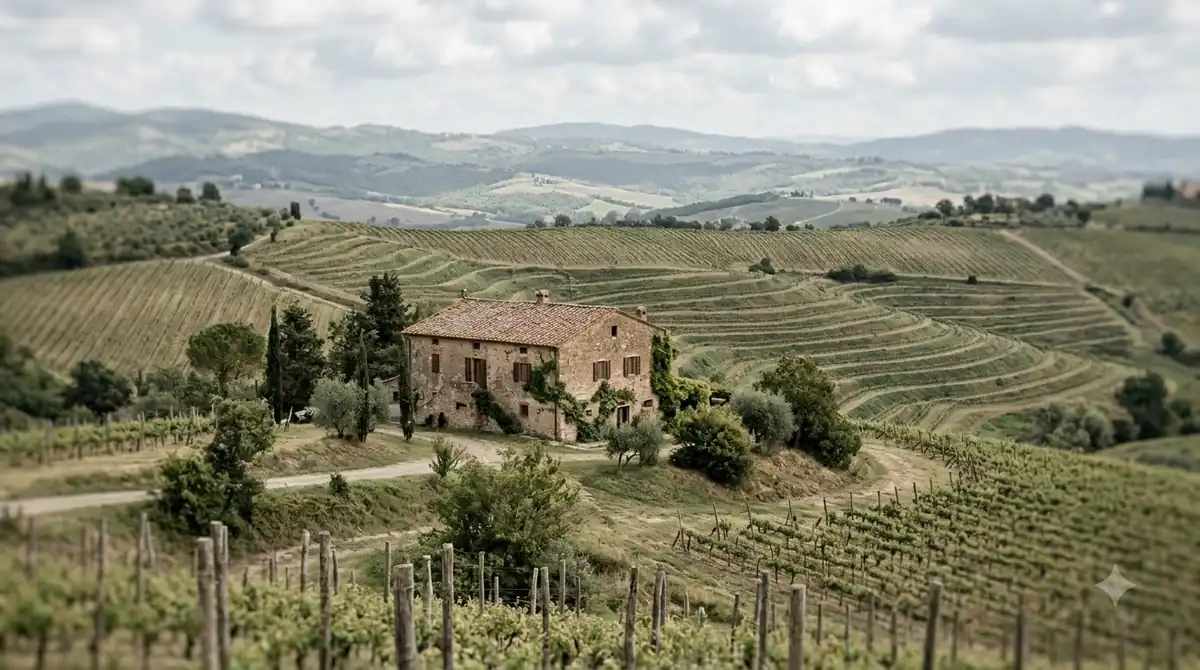
Young, cool-climate Rieslings burst with aromas of lime peel, green apple, white peach, apricot, and jasmine. As bottles mature—many top examples age effortlessly for a decade or more—they develop notes of honeycomb, beeswax, ginger, and a signature petrol-like aroma caused by a natural compound called TDN. Wine educators note that this petrol scent is prized by collectors as a hallmark of well-aged Riesling rather than a flaw.
How full the wine feels depends directly on how much sugar the yeast ferments into alcohol. Dry styles labeled Trocken in Germany contain around 9 grams per liter or less of residual sugar and typically sit at or above 12 percent ABV, giving them a firmer, medium-bodied mid-palate. Off-dry bottlings like Halbtrocken or Feinherb carry a touch of sweetness balanced by zesty acid, feeling light and juicy.
At the sweeter end, German Prädikat wines move up in grape ripeness from light, delicate Kabinett to late-harvest Spätlese and Auslese. Ultra-rare dessert styles—Beerenauslese, Trockenbeerenauslese affected by noble rot, and frozen-on-the-vine Eiswein—concentrate sugars to such extremes that they finally achieve a plush, syrupy, full-bodied texture.
| Riesling Style | Sweetness Level | Typical ABV | Perceived Body | Key Tasting Notes |
|---|---|---|---|---|
| German Kabinett (Off-Dry) | Off-dry to medium-sweet | Under 11.5% | Light-bodied | Green apple, lime, wet slate, crisp acidity |
| Dry Riesling (Trocken / Alsace) | Bone-dry (9 g/L RS or less) | 12% or higher | Medium-bodied | White peach, quince, lemon zest, crushed stone |
| Late-Harvest (Spätlese / Auslese) | Medium-sweet to sweet | Under 11.5% | Medium to medium-full | Ripe apricot, honeycomb, ginger, floral notes |
| Dessert (TBA / Eiswein) | Very sweet | Low (often 7%–9%) | Full-bodied and viscous | Candied orange peel, beeswax, dried apricot |
Where Riesling Grows and How Climate Shapes Weight
Riesling performs best in cool wine regions where long autumn ripening preserves piercing acidity, though warmer pockets produce noticeably broader, fuller-bodied bottles. Because the grape acts as a transparent mirror of vineyard soil and sunshine, geography tells you almost immediately how heavy a bottle will taste.
Germany remains the global benchmark, led by steep, slate-covered slopes along the Mosel River where cool temperatures yield featherlight, electric wines with razor-sharp minerality. Just south and east, warmer German regions like the Pfalz, Rheingau, and Franken produce drier, more muscular expressions. Wine reviewers frequently point out that Franken’s dry Rieslings are earthy, textural, and genuinely full-bodied compared to their Mosel counterparts.
Across the border in France, Alsace specializes in dry, gastronomic Rieslings that carry higher alcohol and richer texture than most German bottles, often crossing into solid medium-bodied territory. Austria’s Wachau and Kamptal valleys craft similarly structured, bone-dry whites with ripe stone fruit and peppery mineral grip.
Outside Europe, Australia’s Clare and Eden Valleys produce bone-dry Rieslings famed for zesty lime and chalky precision. In North America, New York’s Finger Lakes rely on deep glacial lakes to moderate autumn temperatures for bright, light- to medium-bodied bottles, while Washington’s Columbia Valley and coastal California turn out sunnier, fruit-forward styles.
How to Serve Riesling for Best Balance
Serve light, crisp Rieslings well chilled between 38°F and 45°F, while fuller, dry, or aged bottles open up best slightly warmer between 45°F and 55°F. Temperature directly controls how you perceive both acidity and body in the glass.
Serving a featherlight Mosel Kabinett straight from a cold refrigerator highlights its snappy citrus crunch and keeps any residual sweetness feeling crisp and refreshing. If that same bottle warms up too quickly on the table, the sugar can start to feel heavier and the acid loses its electric snap.
Conversely, pouring a dry Alsace Grand Cru, a German Grosses Gewächs, or a ten-year-old bottle at ice-cold temperatures mutes its intricate floral, stone-fruit, and beeswax aromatics. Letting fuller-bodied Rieslings warm toward cellar temperature—around 50°F—allows their broader mid-palate texture and complex TDN minerality to unfold. Use a standard white wine glass with a slightly narrower rim to funnel those delicate aromas straight to your nose.
Tip: Check the alcohol percentage on the front or back label before buying—bottles at 12 percent ABV or higher almost always taste dry and fuller-bodied, while bottles under 11.5 percent ABV usually hold noticeable sweetness and a lighter frame.
Food Pairing: Why Light Body Meets Big Flavor
Riesling’s combination of lively acidity, moderate alcohol, and subtle fruit sweetness makes it one of the most versatile food wines on the table, especially alongside spicy, salty, or rich dishes. Even without heavy tannins or oak weight, it stands up to bold flavors that overwhelm heavier reds like those discussed in our guide on is malbec full bodied.
Off-dry Rieslings are the classic sommelier answer to fiery Thai, Sichuan, and Indian cooking. While high-alcohol, full-bodied wines amplify capsaicin heat on your tongue, Riesling’s lower ABV and touch of residual sugar cool the burn while its brisk acidity refreshes your palate between bites. Dishes flavored with ginger, lemongrass, cayenne, curry, or soy sauce lock right into the grape’s citrus and stone-fruit notes.
Drier, medium-bodied Rieslings excel with richer savory meats and seafood. Roasted pork belly, glazed duck leg, bratwurst with sauerkraut, crab cakes, and pan-seared scallops all benefit from Riesling’s sharp acid cutting through fat and butter. For cheese boards, pair crisp dry styles with fresh goat cheese or aged Gouda, and match sweeter late-harvest bottles with salty blue cheese.
How to Choose a Bottle That Fits Your Palate
To pick the exact weight and sweetness you want, read three clues on every Riesling label: the alcohol percentage, regional origin, and German sweetness terms. As detailed in Wine Folly’s comprehensive Riesling guide, these cues reliably predict what is inside the tall, slender flute bottle.
If you prefer a crisp, light-bodied, slightly sweet aperitif, look for a German Mosel bottle labeled Kabinett or Feinherb with an ABV between 7.5 percent and 10.5 percent. If you want a bone-dry, medium-bodied white to replace Pinot Grigio or unoaked Chardonnay at dinner, reach for Alsace, Clare Valley, or German bottles marked Trocken at 12 percent to 13.5 percent ABV.
Watch out for traditional German Prädikat terms like Spätlese and Auslese, which indicate grape ripeness at harvest rather than guaranteed sweetness. Modern winemakers often ferment those ripe grapes completely dry—look for the word Trocken alongside them, or check the ABV to confirm whether the sugar was converted into fuller-bodied alcohol.
Frequently Asked Questions
Is Riesling considered a light-bodied or full-bodied wine?
Riesling is primarily a light- to medium-bodied white wine. Its signature high acidity and lack of new-oak aging keep it crisp and nimble on the palate, though dry, higher-alcohol styles from warmer regions and rich dessert bottlings can feel fuller.
Does sweet Riesling feel fuller-bodied than dry Riesling?
Not necessarily, because standard off-dry Rieslings have lower alcohol and sharp acidity that keep them feeling light and refreshing. Only ultra-sweet late-harvest or botrytized dessert styles like Trockenbeerenauslese or Eiswein develop a thick, full-bodied, syrupy texture.
Is Riesling fuller-bodied than Chardonnay or Sauvignon Blanc?
Riesling is typically similar in weight to Sauvignon Blanc—both are light- to medium-bodied with vibrant acidity—and noticeably lighter than oaked Chardonnay. Unoaked, dry Rieslings from Alsace or Australia can match unoaked Chardonnay in mid-palate weight without any buttery texture.
How can I tell if a Riesling will taste dry or sweet before opening it?
Check the alcohol by volume (ABV) printed on the label. Rieslings at 12 percent ABV or higher have fermented most of their grape sugar into alcohol and will taste dry and slightly fuller, while bottles below 11.5 percent ABV retain noticeable sweetness.
Once you look past old myths that lump every bottle into one sweet category, Riesling reveals remarkable range within its crisp, aromatic frame. Whether you pour a featherlight Mosel Kabinett on a warm afternoon or a structured, dry Alsace bottling alongside dinner, checking the ABV and region lets you dial in the exact weight you want.
More in Wine Types & Grapes
 What Does Mourvèdre Taste Like? Flavor Profile, Regions, and PairingsUpdated Nov 20, 2026
 What Does Marsanne Taste Like? Flavors, Styles, and Food PairingsUpdated Nov 20, 2026
 What Does Malvasia Taste Like? Styles, Flavors, and Food PairingsUpdated Nov 20, 2026
 What Does Grenache Blanc Taste Like? Flavor Profile, Styles, and PairingsUpdated Nov 20, 2026
 What Does Garnacha Taste Like? Key Flavors, Styles, and Pairing TipsUpdated Nov 20, 2026
 What Does Fruit Wine Taste Like? A Complete Flavor and Style BreakdownUpdated Nov 20, 2026