

We may earn a commission when you buy through links on this page, at no extra cost to you. Learn more.
Whether is port vegan depends entirely on the specific bottle and how the winemaker clarified it before bottling. While the core ingredients of Port—indigenous Douro grapes, yeast, and distilled grape spirit—are completely plant-based, many traditional houses still rely on animal-derived fining agents such as gelatin, egg whites, casein, or isinglass to clear haze and soften tannins. Because those processing aids are filtered out before bottling, US wine labels rarely list them, making producer verification essential.
Understanding why a sweet fortified wine from Portugal can sometimes conflict with a plant-based lifestyle comes down to centuries-old cellar habits rather than the fruit in the glass. Exploring how Port is made, which styles skip animal processing aids altogether, and how to read a bottle makes shopping for a vegan-friendly pour straightforward.
What Makes Port Wine Vegan or Non-Vegan?
Port wine starts with a vegan foundation of fermented grape juice and grape brandy, so any non-vegan status comes strictly from animal-based fining agents introduced during cellar clarification. Winemakers add these proteins to bind with microscopic suspended particles, pulling haze and harsh phenolics to the bottom of the tank so the finished liquid looks bright and feels smooth.
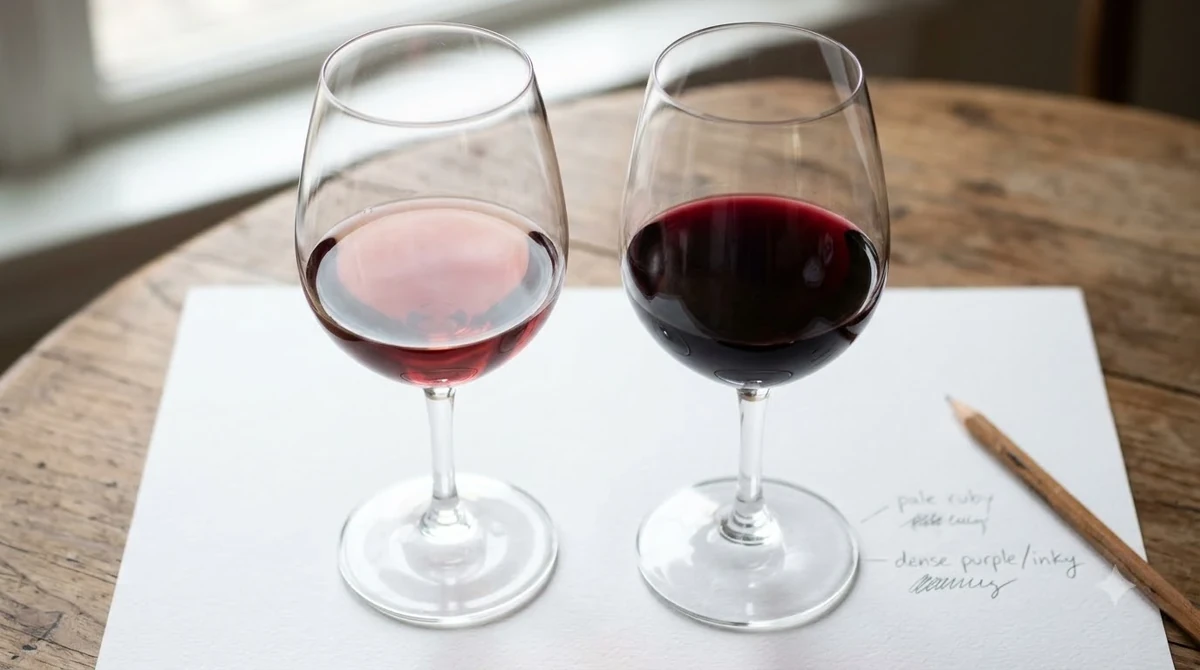
Even though fining agents precipitate out and get racked or filtered away prior to bottling, vegan standards treat a wine as non-vegan whenever animal products are deliberately used during production. As wine educators at Wine Folly explain, traditional red winemaking frequently relies on egg albumen or milk-derived casein to tame bitter tannins, while gelatin and fish-bladder isinglass also appear across conventional cellars.
Thankfully, animal proteins are not the only way to achieve visual clarity in fortified wine. Many modern Douro producers substitute mineral or plant-based alternatives—such as bentonite clay, pea protein, potato protein, or activated carbon—or rely on sterile cross-flow filtration to stabilize their blends without animal inputs.
Another crucial detail involves the fortifying spirit itself. Authentic Port from Portugal’s Douro Valley is fortified partway through fermentation using aguardente, a neutral grape spirit distilled around 77 percent ABV. Because this brandy is distilled purely from wine grapes rather than grain or dairy, the fortification step itself introduces zero animal products.
How Different Styles of Port Compare for Vegans
Different styles of Port undergo vastly different aging and clarification regimens, meaning certain categories are far more likely to be vegan-friendly than others. Bottle-aged styles that throw natural sediment over decades often skip fining altogether, whereas entry-level blends built for immediate shelf stability are more frequently fined.
| Port Style | Aging Method | Typical Vegan Likelihood | Key Cellar Factor |
|---|---|---|---|
| Vintage Port | 2–3 years in wood, decades in bottle | High | Usually bottled unfined and unfiltered to preserve aging structure |
| Crusted Port | Short wood aging, bottle-matured | High | Unfiltered blend designed to form a natural crust in bottle |
| Late Bottled Vintage (LBV) | 4–6 years in wood | Moderate | Unfiltered or “traditional” LBVs are often vegan; filtered ones vary |
| Ruby Port | Around 2 years in large oak vats | Low to Moderate | Often fined with gelatin or egg whites for bright clarity |
| Tawny Port (10–40 Year) | Extended aging in small oak pipes | Low to Moderate | Frequent racking plus occasional fining prior to bottling |
| White & Rosé Port | Brief aging in stainless steel or wood | Low to Moderate | May use bentonite clay, casein, or isinglass for clarity |
Understanding the split between wood-aged and bottle-aged styles helps narrow your search immediately. When asking is ruby port vegan, the answer often hinges on whether you are looking at an entry-level supermarket blend or a richer Reserve bottling, because young Ruby Ports are meant to be poured immediately without decanting and are routinely fined to prevent haze.
Similarly, shoppers wondering is tawny port vegan face a mixed landscape across producer portfolios. Aged Tawny Ports spend 10, 20, 30, or even 40 years oxidizing slowly in small oak barrels called pipas, during which time much of their sediment drops naturally, yet several historic houses still apply a light animal fining polish right before bottling.
By contrast, Vintage Port—declared only in exceptional harvest years—spends roughly two years in large wooden vats before being bottled completely unfined and unfiltered. Because these bottles are meant to mature for 20 to 50 years and require decanting before service anyway, winemakers leave all natural tannins and solids intact.
Common Animal Fining Agents Used in Port Production
Winemakers choose specific fining agents based on whether they want to clarify visual cloudiness, strip out harsh astringency, or stabilize color pigments. In fortified red wines made from thick-skinned varieties like Touriga Nacional, Touriga Franca, and Tinta Roriz, managing heavy tannin extraction is a primary cellar concern.

Gelatin, derived from boiling animal collagen, is historically the most common fining agent in traditional Port lodges. Because gelatin carries a strong positive electrical charge, it binds aggressively to negatively charged tannins in young red Port, softening rough edges quickly without stripping away the wine’s deep purple hue.
Egg albumen (egg whites) serves a gentler version of the same role, selectively removing bitter phenolic compounds while leaving desirable fruit texture behind. Casein, a protein extracted from cow’s milk, and isinglass, a collagen-rich substance obtained from fish swim bladders, appear less frequently in red Port than in White Port or sparkling wines, where clarity and oxidation control are top priorities.
A subtle distinction also exists between vegetarian and vegan Ports. A bottle fined strictly with egg whites or milk casein fits a lacto-ovo vegetarian diet, whereas gelatin and isinglass exclude both vegetarians and vegans. When avoiding all animal-derived processing aids, confirming full vegan status is the only reliable standard.
How to Check If a Specific Bottle of Port Is Vegan
Because US federal labeling laws do not require wineries to disclose fining agents on the back label, identifying a vegan Port takes a quick combination of label reading and database checks. Unlike the European Union and Australia—which require allergen warnings when measurable milk or egg residues remain—American bottles rarely offer overt clues unless the producer volunteers them.
Start by inspecting the back label for a certified vegan emblem, such as the V-Label or the Vegan Society sunflower, or phrases like “unfined and unfiltered”. Keep in mind that the word “unfiltered” alone does not guarantee vegan production, since a winemaker can still fine a wine with gelatin or egg whites and simply skip mechanical filtration afterward.
As VinePair notes in its breakdown of vegan wine labeling, checking directly with the producer or consulting crowdsourced verification directories remains the most dependable method. Online databases like Barnivore archive direct email responses from Douro Port houses, showing that while some legacy brands use animal fining across their entire lineup, family-run estates such as Quevedo confirm vegan-friendly production.
Tip: Do not assume an organic or biodynamic Port is automatically vegan—organic certification regulates vineyard sprays rather than cellar fining agents, and biodynamic farming relies on animal-derived compost preparations.
Vineyard Practices and Strict Vegan Considerations
For most plant-based wine drinkers, vegan status begins and ends with cellar fining agents, yet strict vegans sometimes examine vineyard management as well. The steep, terraced schist slopes of Portugal’s Douro Valley are notoriously difficult to farm, requiring hand harvesting and traditional soil maintenance.
In conventional and organic viticulture alike, growers occasionally enrich nutrient-poor vineyard soils with animal byproducts such as manure, bone meal, blood meal, or fish emulsion. Biodynamic producers go further by burying cow horns filled with manure or silica to create field preparations, which leads many strict vegans to exclude biodynamic bottles even when the wine itself is unfined.
Similarly, natural cork closures are harvested from the bark of cork oak trees without harming the tree, making traditional cork stoppers completely plant-based. However, a small subset of specialty bottles uses beeswax capsules over the cork neck instead of foil or synthetic wax, which strict vegans may prefer to avoid. Checking both cellar fining and packaging details ensures complete peace of mind across all Wine by Type categories, whether you are shopping for fortified dessert wines or checking is prosecco vegan for a celebratory toast.
Frequently Asked Questions
Is all Port wine automatically vegan because it is made from grapes?
No, Port is not automatically vegan even though its base ingredients—grapes, yeast, and grape spirit—are plant-based. Many producers clarify their wines before bottling using animal-derived fining agents such as gelatin, egg whites, casein, or isinglass. You must check the bottle label or verify the producer’s cellar practices to be certain.
Is the brandy used to fortify Port wine vegan?
Yes, the fortifying spirit used in authentic Port is completely vegan. Producers stop fermentation by adding aguardente, a neutral, high-proof brandy distilled strictly from wine grapes. No dairy, honey, or animal products are used in distilling this grape spirit.
Does an “unfined and unfiltered” label mean a Port is vegan?
Yes, a wine labeled “unfined and unfiltered” has skipped the clarification step where animal fining agents are introduced, making it vegan-friendly from a cellar standpoint. However, a label that says only “unfiltered” does not guarantee the wine is vegan, because winemakers can still use animal fining agents prior to skipping filtration.
Does the “Contains Sulfites” warning on Port mean it is not vegan?
No, sulfites are naturally occurring compounds produced during fermentation and added in small mineral amounts as an antioxidant preservative. A sulfite statement has no connection to animal-derived fining agents and does not indicate whether a Port is vegan or non-vegan.
Finding a vegan Port is simply a matter of matching the right style—such as an unfined Vintage or Crusted bottling—with a producer that avoids animal fining agents. Once you verify the cellar methods behind your bottle, you can pour a glass of rich Douro fortified wine with complete confidence.
More in Wine Types & Grapes
 What Does Mourvèdre Taste Like? Flavor Profile, Regions, and PairingsUpdated Nov 20, 2026
 What Does Marsanne Taste Like? Flavors, Styles, and Food PairingsUpdated Nov 20, 2026
 What Does Malvasia Taste Like? Styles, Flavors, and Food PairingsUpdated Nov 20, 2026
 What Does Grenache Blanc Taste Like? Flavor Profile, Styles, and PairingsUpdated Nov 20, 2026
 What Does Garnacha Taste Like? Key Flavors, Styles, and Pairing TipsUpdated Nov 20, 2026
 What Does Fruit Wine Taste Like? A Complete Flavor and Style BreakdownUpdated Nov 20, 2026