

We may earn a commission when you buy through links on this page, at no extra cost to you. Learn more.
When asking is nero d avola sweet or dry, the straightforward answer is that Nero d’Avola is almost always produced as a dry red wine. During fermentation, winemakers allow yeast to convert nearly all of the grape’s natural sugars into alcohol, leaving minimal residual sugar behind. Even though its lush dark cherry and blackberry flavors can create an impression of ripeness, the wine finishes crisp, savory, and decidedly dry on the palate.
Confusion around this Sicilian red usually comes down to how the human palate interprets ripe fruit alongside warm-climate alcohol levels. Unlike naturally sweet dessert wines or off-dry sparkling bottles, classic Nero d’Avola relies on brisk natural acidity and structured tannins to keep its generous berry character firmly grounded.
What It Is
Nero d’Avola is the signature red wine grape of Sicily, translating literally from Italian as “Black of Avola” in reference to the historic town of Avola in the island’s southeastern corner. Across the broader spectrum of Wine by Type, it sits squarely in the dry, medium-to-full-bodied red category alongside international varieties like Syrah and Cabernet Sauvignon.
In technical winemaking terms, a dry wine contains virtually no unfermented grape sugar after primary fermentation concludes. Because Sicily’s Mediterranean sunshine ripens red grapes thoroughly, Nero d’Avola develops concentrated dark fruit aromas that can trick newcomers into expecting sugar. However, true sweetness on the tongue requires noticeable residual sugar, whereas Nero d’Avola delivers fruit-forward intensity paired with a clean, dry finish.
Historically, the variety spent decades working behind the scenes as a blending grape shipped north to add color and weight to lighter mainland Italian and French wines. Beginning in the late 1990s, dedicated Sicilian estates started bottling single-varietal expressions that highlighted the grape’s native balance of dark fruit, herbal complexity, and refreshing acidity. Today, it stands as Sicily’s most widely planted red grape and a staple on American wine shop shelves.
Flavor and Styles
Nero d’Avola expresses two primary dry personalities depending on vineyard elevation, oak regimen, and winemaking philosophy. One camp emphasizes juicy, vibrant red fruit with minimal oak influence, while the other leans into dense black fruit, sweet baking spices, and structured barrel aging.
According to the comprehensive varietal breakdown from Wine Folly, typical bottles span from 13.5% to 14.5% ABV and showcase flavors ranging from black cherry and plum to prune and licorice. That moderately high alcohol gives the wine a plush mid-palate weight that feels generous without tipping into actual sweetness. Meanwhile, moderately high natural acidity acts as an internal anchor, keeping each sip lively rather than heavy or syrupy.
Unoaked or stainless-steel-fermented styles highlight crunchy red cherry, pomegranate, wild herbs, and a subtle saline snap that reflects Sicily’s coastal breezes. Oak-aged versions spend time in French barriques or larger neutral casks, developing secondary notes of vanilla, cocoa powder, tobacco, and espresso. In rare cases, producers use partially dried grapes in an appassimento style, which increases concentration and perceived roundness while still fermenting predominantly dry.
| Style Characteristic | Fresh & Unoaked Nero d’Avola | Oak-Aged & Structured Nero d’Avola |
|---|---|---|
| Sweetness Level | Bone dry | Dry with ripe fruit perception |
| Primary Fruit Notes | Red cherry, wild strawberry, pomegranate | Black cherry, blackberry, prune, plum |
| Savory & Oak Notes | Dried Mediterranean herbs, anise, blood orange | Cocoa, espresso, tobacco, sweet spice |
| Body & Tannin | Medium-bodied with supple, approachable tannins | Full-bodied with firmer, age-worthy grip |
| Typical ABV Range | 13.0% to 13.5% | 14.0% to 14.5% |
If your palate prefers genuine sweetness rather than dry fruitiness, aromatic white and sparkling Italian varieties offer a completely different experience. Comparing a dry Sicilian red with is moscato d asti sweet or dry or is moscato sweet or dry illustrates the difference between fermented-dry table wine and styles where fermentation is intentionally halted to preserve natural grape sugar.
Where It Grows
Although Nero d’Avola originated in southeastern Sicily, growers now cultivate it across nearly every province on the island, where shifting soils and altitudes shape its dry structure. Small experimental plantings also exist in warm regions outside Italy, including Mendocino County in California and McLaren Vale in South Australia.
In its ancestral homeland around Noto, Avola, and Pachino in southeastern Sicily, calcareous white soils and intense coastal sunlight produce structured, deeply colored reds with firm tannins and age-worthy acidity. Just inland from this corner lies the Cerasuolo di Vittoria DOCG zone, Sicily’s premier appellation, where winemakers blend 50% to 70% Nero d’Avola with the lighter, floral Frappato grape. That classic partnership yields a bright, fragrant, dry red with silky texture and lifted berry aromatics.
Moving toward western and central Sicily, inland hills around Contea di Sclafani and vineyards near Agrigento and Marsala bring different microclimates into play. Higher-elevation sites experience cooler nighttime temperatures, helping the grapes retain crisp acidity and herbal lift even during scorching Mediterranean summers. Across all of these Sicilian zones, producers focus overwhelmingly on dry table wines rather than sweet styles.
How to Serve
Serving Nero d’Avola slightly cooler than standard American room temperature keeps its ripe fruit fresh and prevents the alcohol from tasting warm or heavy. Most bottles shine between 54°F and 60°F for lighter expressions and up to 60°F to 68°F for richer, oak-aged examples.
Guidance from Wine Enthusiast notes that vibrant reds like Nero d’Avola show their clearest aromatics at 54°F to 60°F, which takes roughly 45 to 60 minutes in a standard kitchen refrigerator before pouring. If a bottle sits at a warm 72°F room temperature, its lush berry notes can flatten out and taste overly sharp. A brief chill tightens the structure and highlights the savory, herbal undertones that define dry Sicilian reds.
Pour the wine into a large-bowled red wine glass so the dark fruit, spice, and floral aromas have room to open up as you swirl. Younger, fuller-bodied bottles with noticeable tannic grip also benefit from 30 minutes in a decanter to soften their edges. While everyday unoaked bottles drink best within three to five years of the vintage, structured single-vineyard selections can evolve gracefully for up to a decade in a cool cellar.
Tip: Put your bottle of Nero d’Avola in the fridge for 30 to 45 minutes before dinner so it hits the glass at cellar temperature rather than warm kitchen temperature.
Food Pairing
Because Nero d’Avola combines dry tannins, brisk acidity, and dark fruit depth, it thrives alongside savory, slow-cooked, and richly seasoned dishes. The wine’s natural brightness cuts through fat while its ripe berry character softens smoky or spiced flavors on the plate.
Traditional Sicilian cuisine offers effortless regional matches built around the exact same sun-drenched ingredients. Pasta alla Norma—tossed with fried eggplant, rich tomato sauce, basil, and salted ricotta—mirrors the wine’s herbal, savory edge while letting its acidity refresh the palate between bites. Grilled sausages, braised beef ragù, and slow-roasted lamb shoulder also pair naturally because meat proteins tame the grape’s medium-to-high tannins.
For plant-based meals or weeknight cooking, lean into earthy, umami-rich ingredients that echo the wine’s dark fruit and spice profile. Roasted portobello mushrooms, braised black lentils with bay leaf and sage, or charred eggplant caponata bring out the sweet-savory interplay of the fruit without needing any actual sugar in the glass. Even a classic bacon cheeseburger works remarkably well, as the smoky char amplifies the wine’s juicy cherry core.
How to Choose a Bottle
Reading the back label and appellation clues helps you match a dry Nero d’Avola to your exact texture preference without guessing. Knowing a few regional terms makes it easy to tell whether a bottle leans bright and brisk or plush and velvety.
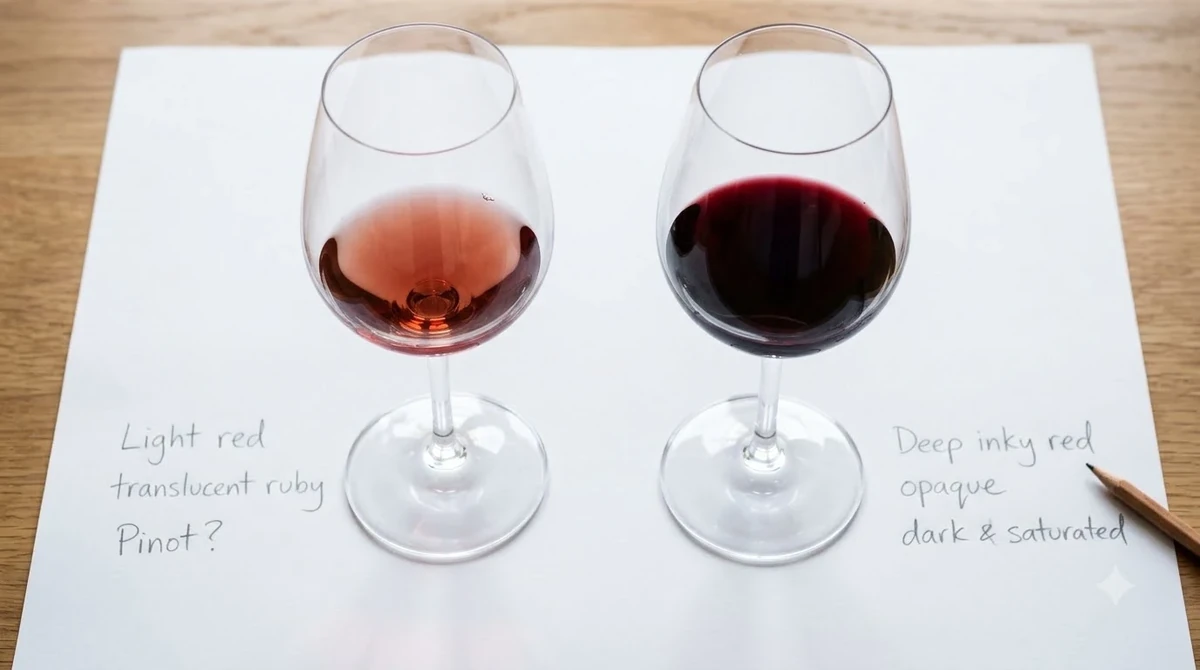
Look first at the official appellation printed on the front label. Bottles labeled Sicilia DOC cover the entire island and span everything from easy-drinking, stainless-steel reds to concentrated single-estate bottlings. If you see Cerasuolo di Vittoria DOCG, expect a lighter-colored, aromatic dry blend where Frappato softens Nero d’Avola’s structure into something closer to Pinot Noir in weight. Meanwhile, Terre Siciliane IGT often signals creative winemaking, organic farming, or minimal-intervention cellar work.
Next, check the stated alcohol percentage and any mention of oak maturation on the back label. Bottles sitting around 13% to 13.5% ABV with notes of stainless-steel aging will feel brisk, red-fruited, and refreshing. Bottles at 14% to 14.5% ABV mentioning French oak barrels or Riserva aging will deliver darker plum fruit, baking spice, and a fuller, richer mouthfeel. If you enjoy chilled pink wines from the same grape, checking is rose sweet or dry explains how Sicilian rosato styles also stay crisp and dry.
Frequently Asked Questions
Is Nero d’Avola sweet or dry compared to Merlot?
Both Nero d’Avola and Merlot are dry red wines that finish without noticeable residual sugar. Nero d’Avola generally brings brighter acidity, darker plum and wild herb notes, and a slightly more savory, earthy edge than soft, plush Merlot.
Why does Nero d’Avola sometimes taste fruity if it is dry?
Sicily’s warm, sunny climate ripens the grapes fully, creating intense aromas of black cherry, raspberry, and plum that the brain associates with sweetness. Because yeast consumes the grape sugars during fermentation, the wine still finishes crisp and dry on your tongue.
Is Nero d’Avola heavier than Pinot Noir?
Yes, single-varietal Nero d’Avola is typically fuller in body, darker in color, and higher in tannin than Pinot Noir. However, when blended with Frappato in Cerasuolo di Vittoria DOCG, it takes on a lighter, silkier texture that appeals to Pinot Noir fans.
Can you find sweet styles of Nero d’Avola?
Almost all commercial Nero d’Avola exported to the United States is vinified dry. While occasional appassimento bottlings made from partially dried grapes feel richer and rounder, genuinely sweet versions are rare local specialties in Sicily.
Whether you choose an unoaked, red-fruited bottle for weeknight pasta or a structured, barrel-aged expression for slow-roasted meats, Nero d’Avola reliably delivers a dry, food-friendly pour. Serving it with a light chill brings out its signature balance of Sicilian sunshine and refreshing natural acidity.
More in Wine Types & Grapes
 What Does Mourvèdre Taste Like? Flavor Profile, Regions, and PairingsUpdated Nov 20, 2026
 What Does Marsanne Taste Like? Flavors, Styles, and Food PairingsUpdated Nov 20, 2026
 What Does Malvasia Taste Like? Styles, Flavors, and Food PairingsUpdated Nov 20, 2026
 What Does Grenache Blanc Taste Like? Flavor Profile, Styles, and PairingsUpdated Nov 20, 2026
 What Does Garnacha Taste Like? Key Flavors, Styles, and Pairing TipsUpdated Nov 20, 2026
 What Does Fruit Wine Taste Like? A Complete Flavor and Style BreakdownUpdated Nov 20, 2026