

We may earn a commission when you buy through links on this page, at no extra cost to you. Learn more.
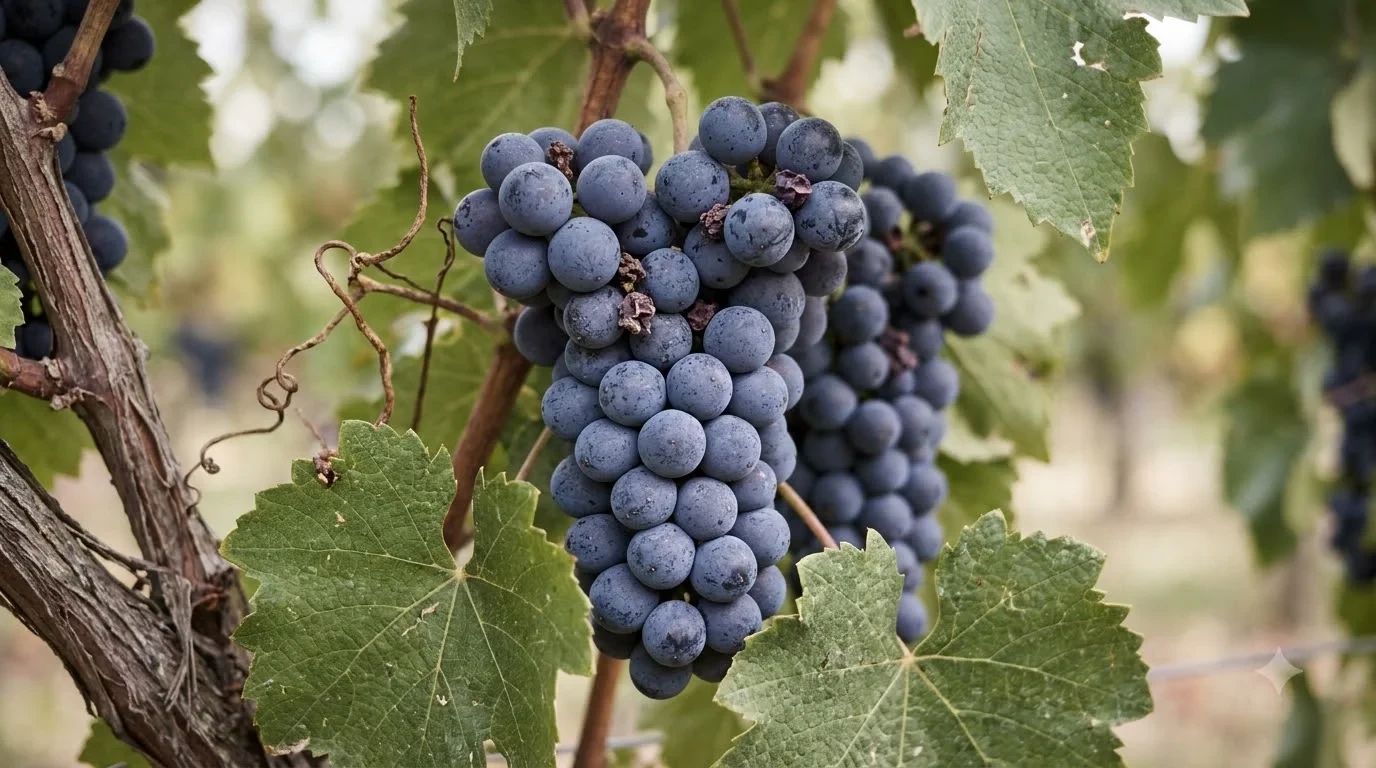
A muscat blanc grape is the white variety known as Muscat Blanc à Petits Grains, prized for its small berries and an intense floral perfume that appears in everything from lightly sparkling Moscato to rich fortified dessert wines. The name refers to those small berries, and the grape is the best-known member of the wider Muscat family. Winemakers use it for dry, sparkling, passito and fortified styles, so the same variety can taste very different from one bottle to the next. Orange blossom, honeysuckle and apricot are the aromas to look for first.
You have probably met this grape already without realizing it. Many bottles labeled Moscato, a number of sweet wines from southern France, and a Greek wine from the island of Samos all come from it. Wine Enthusiast notes that over 200 grape varieties share some version of the Muscat name, and that tangle of relatives is why shoppers get confused. This guide walks through the family, the aromas, the main styles, how the wines are made, where they grow, and how to serve and pair them. If you are still building a general picture of how grape families and wine styles fit together, Wine by Type is a useful place to begin.
How the Muscat Blanc Grape Fits Into the Muscat Family
The muscat blanc grape is the best-known member of the Muscat family, but its many synonyms and close relatives cause constant confusion on labels and shelves.
The Muscat family is large. Wine Enthusiast reports that over 200 grape varieties share a version of the Muscat name, and while they differ widely in color and other traits, they generally carry the grapey aroma people associate with table grapes. Within that family, the two varieties that matter most for wine are Muscat Blanc à Petits Grains and Muscat of Alexandria. Decanter’s comparison of Muscat, Moscatel and Moscato explains that Muscat of Alexandria came from a natural cross between Muscat Blanc à Petits Grains and a black-skinned Greek variety called Axina de Tres Bias. Its berries are larger and darker, and it usually produces concentrated sweet wines, although some dry examples exist.
The same variety also travels under many names. In Italy it is called Moscato Bianco and anchors the sparkling and sweet wines of Asti and Moscato d’Asti. Decanter also lists Muskateller, Muscat of Frontignan and Brown Muscat among its names. Because one grape can appear on labels under several names, checking the variety name on a label is the quickest way to know what is in the glass.
Two related grapes cause most of the mix-ups. Black Muscat, also called Muscat of Hamburg, is a plump, dark table grape that Wine Enthusiast describes as more blue than black, and wine made from it does not carry the same prestige as wine from Muscat Blanc à Petit Grains. Muscat Ottonel is a 19th-century crossing of Chasselas and Muscat that Decanter says was grown in the Loire valley, and today it is most often found in parts of eastern Europe, Austria and Alsace. Its berries are the palest of any Muscat variety, and its grape aromas are less pronounced than those of its relatives.
Aromas and Flavors You Can Expect From the Grape
The signature is a perfume of orange blossom and honeysuckle, with stone fruit and citrus peel close behind.
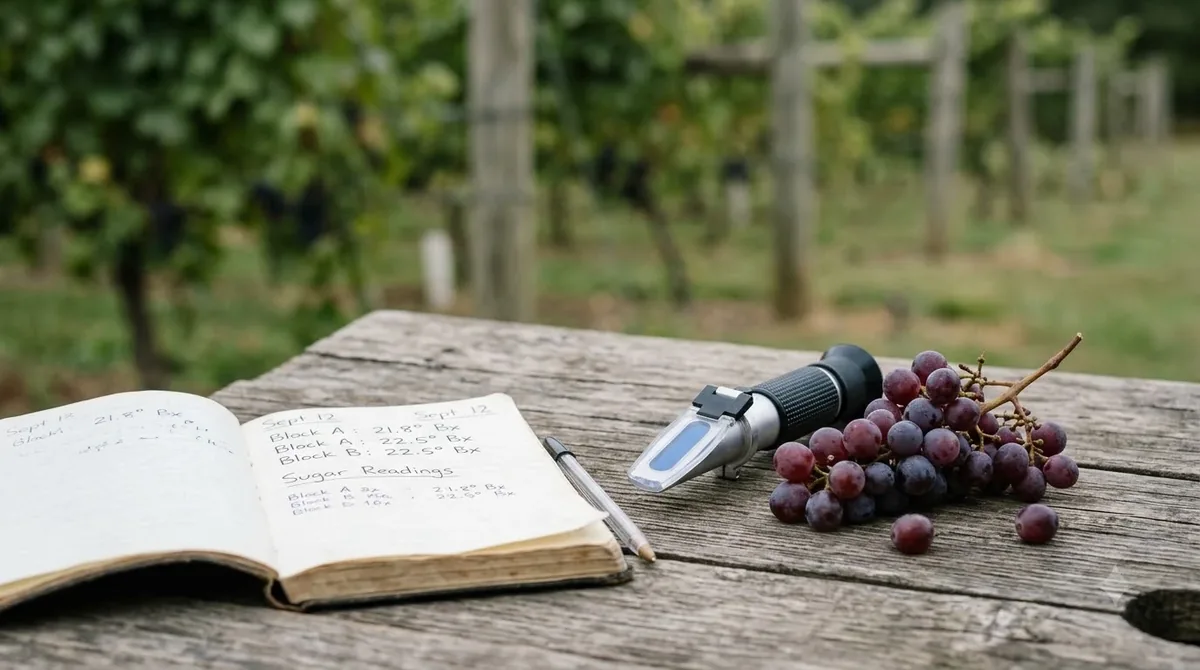
Decanter describes the grape’s wines as capable of running from dry to sweet while carrying a distinct floral perfume of orange blossom and honeysuckle, and those notes anchor most bottles. Vins Rhône describes the color of Muscat de Beaumes-de-Venise as ranging from pale yellow to gold, with aromas of flowers and tropical fruit and a long finish. The berries themselves are small and yellow-hued in the white form, which helps explain why the wines feel so concentrated in aroma.
Italian Moscato leans on a different set of flavors. Decanter’s guide to the style points to jasmine, apricot, mango and citrus peel, and it notes that a chilled bottle suits summer drinking. Dry examples open the same fragrance to people who usually avoid sweet wine. Wine Enthusiast adds that this Muscat also shows spice notes alongside its floral character, so even a dry version carries a hint of spice next to the perfume.
Wines made from the red-skinned mutations follow the same logic but change the color. Vins Rhône notes that wines from Muscat à petits grains rouges can reach shades of amber and rose gold, and some are almost purple. For a closer look at how a single bottle drinks, our muscat blanc wine page covers that in more detail.
Main Styles, From Lightly Sparkling to Fortified
The variety shows up in at least four clearly different styles, and sugar and alcohol levels shift dramatically from one to the next.
In Piedmont, the two best-known Italian expressions are Asti and Moscato d’Asti. Decanter explains that Asti is sparkling and can be dry or contain residual sugar, while Moscato d’Asti is low in alcohol, sweet and lightly fizzy. The fizz comes partly from carbon dioxide that producers often add before bottling, and it is one of the easiest ways to recognize the style on a shelf.
Dry and late-harvest styles show the grape’s range. Decanter highlights Damarete Moscato from Cantine Pupillo on Sicily, a still dry white that brings the variety’s perfume to drinkers who usually prefer dry wine. Passito styles take the opposite route, drying the grapes so their sugars and flavors concentrate before pressing. Decanter describes a Moscato di Trani passito from Puglia that dries its fruit for around seven days and keeps about 55 grams of residual sugar per liter, which it calls a lighter take on dessert wine.
Fortified wine is the fourth major style. Muscat de Beaumes-de-Venise is a vin doux naturel from the southern Rhône, and Vins Rhône describes it as the only wine of its kind in the Rhône Valley, made exclusively from Muscat à Petits Grains. The wine is sweet and strong, which sets it apart from the sparkling and still styles above. The table below compares the four styles on the figures these sources report.
| Style | Where it is made | Key numbers |
|---|---|---|
| Moscato d’Asti | Piedmont, Italy | Around 5 to 5.5% ABV, sweet and lightly fizzy |
| Damarete Moscato | Sicily, Italy | Still and dry, 60-day maceration in stainless steel |
| Moscato di Trani passito | Puglia, Italy | Grapes dried about seven days; about 55 g/l residual sugar |
| Muscat de Beaumes-de-Venise | Southern Rhône, France | Fortified; at least 252 g/l sugar at harvest; about 18 hl/ha average yield |
Tip: Match the style to the occasion before you buy. Moscato d’Asti at around 5 percent ABV works as a light afternoon pour, while Muscat de Beaumes-de-Venise is a sweet, fortified wine with far more alcohol and is best sipped slowly.
How Winemakers Turn the Grape Into Different Wines
Two production paths do most of the work: stopping fermentation early to keep sugar in Moscato, and adding grape spirit to fortify Beaumes-de-Venise.
According to Decanter, Moscato is made by chilling the wine before fermentation has finished, and the process takes place in steel. Halting fermentation this way leaves a lot of sugar in the wine and keeps the alcohol low, generally around 5 to 5.5 percent. Italian Moscato is often bottled with a little carbon dioxide, which creates the gentle fizz many drinkers associate with the style.
The process for Muscat de Beaumes-de-Venise is more demanding. According to the Vins Rhône appellation page, grapes must reach at least 252 grams of sugar per liter at harvest, and whole bunches are picked by hand in several passes depending on ripeness. Fermentation is then interrupted by adding pure grape alcohol, a step called mutage, which keeps some natural residual sugar and an intense aromatic expression in the finished wine.
Passito styles depend on timing in the vineyard rather than in the cellar. Decanter explains that the grapes are dried so their sugar and flavor compounds concentrate, and the results range from a Moscato di Trani made from fruit dried for about seven days to a Veneto passito that dries grapes for four months before pressing. The dry Damarete Moscato takes a different path, with a 60-day maceration in stainless steel tanks that Decanter describes as giving a mouth-filling texture without becoming too astringent.
Where the Grape Grows and Which Regions Matter Most
Italy, southern France, Greece and Australia are the places most closely linked to the variety, and each region gives the grape a different personality.
Italy is the home of Moscato. Piedmont’s Asti and Moscato d’Asti remain the best-known examples, and Decanter notes that Sicily, Puglia and Veneto produce dry, passito and other Moscato styles as well. The variety’s Italian identity is therefore broader than a single sweet sparkling wine.
The southern Rhône village of Beaumes-de-Venise is the clearest example of a regional identity built around the grape. Vins Rhône reports that the appellation covers about 227 hectares, with average yields near 18 hectoliters per hectare and total production of about 4,032 hectoliters. Pope Clement V planted a Muscat vineyard across 70 hectares of hillside in the 14th century, and phylloxera nearly wiped out the vineyards in the late 19th century. The revival led to AOC recognition in 1945, applied retroactively to the 1943 vintage. The vines grow on the southern slopes of the Dentelles de Montmirail in sandy clay soil known as Terres Blondes, under a Mediterranean climate tempered by the Mistral wind.
Further afield, Decanter lists Muscat of Samos and Muscat of Patras among the Greek wines made from this grape, while Rutherglen in Australia uses it for its fortified tradition. If you want to compare it with a very different white variety, our seyval blanc grape guide offers another useful reference point.
Serving Temperatures and How Long an Open Bottle Lasts
Serve sparkling and sweet styles cold, and expect fortified bottles to last longer once opened than fizzy ones.
Temperature matters more than many buyers expect. Sparkling wines are best served between 40 and 50 degrees Fahrenheit, which fits Moscato d’Asti well. Light whites and rosé work best at 45 to 50 F, and sweet whites sit comfortably between 43 and 50 F, the range that suits most dessert-style Muscat blanc wines. Starting at the cooler end of these ranges keeps the aromas lively without making the wine taste muted.
A standard 750 ml bottle holds about five glasses at a 5 oz pour, which makes it easy to plan for a table. Store unopened bottles on their side in a cool place near 55 F so the cork stays moist. Once opened, a sparkling Moscato keeps for about one to three days in the refrigerator, a still dry Muscat lasts three to five days, and a fortified Muscat de Beaumes-de-Venise can keep for several weeks because of its added spirit.
Food Pairings That Suit Muscat Blanc Grape Wines
Dry Moscato suits lighter savory dishes, while sweet styles need a dessert or cheese that is at least as sweet as the wine.
Dry Muscat styles are most at home with lighter food. Decanter suggests them with white meats, smoked fish, lighter terrines and crunchy salads. Keep dressings mild when serving them with salads, because acidic food calls for a wine with at least as much acidity, and a low-acid Moscato will taste flat beside a sharp vinaigrette.
Sweeter styles follow a simpler rule: the wine should be at least as sweet as the dessert. Decanter points to cheeses, charcuterie and creamy desserts for sweeter Moscato. A sweet Moscato d’Asti served with a fruit tart works for the same reason, because the wine matches the sugar in the dish rather than being overwhelmed by it. Muscat de Beaumes-de-Venise is richer and more concentrated, so a smaller portion of creamy dessert suits it better.
Spicy food needs more care. Alcohol amplifies chili heat, so the lower-alcohol Moscato d’Asti at around 5 percent makes a gentler companion for mildly spiced dishes than a fortified Muscat does. Keeping the heat moderate lets the floral and orange notes come through.
Frequently Asked Questions
Is muscat blanc grape wine the same as Moscato?
Moscato Rosa is a separate variety that people often confuse with Moscato. Decanter says it is found mostly in small quantities in Trentino-Alto Adige, where it makes sweet wines with red fruit and rose petal notes.
How does its aroma compare with other Muscats?
Wine Enthusiast notes that beyond its grapey character, this Muscat shows spice and floral notes. Decanter adds that Muscat of Alexandria, a close relative, is more subdued in fragrance and is one of the few grape varieties whose wines are said to smell of grapes.
Can I find a dry muscat blanc wine easily?
Wine Enthusiast reports that this Muscat is made in Languedoc-Roussillon in France as both sweet and dry wines. If you want the aroma without the sweetness, a dry style from that region is a practical place to start your search.
Where did this grape first come from?
Vins Rhône notes that the ancient Greeks planted vines at Beaumes-de-Venise and that the Romans helped them flourish. Pliny the Elder described Muscat in his first-century Natural History as a lively, fruity wine and called it the vine of the bees.
Is Muscat de Beaumes-de-Venise easy to find outside France?
Vins Rhône reports that only about 3 percent of the appellation’s production is exported, so most bottles stay in France. Shoppers elsewhere usually need a specialist retailer or importer to track one down.
The muscat blanc grape rewards a bit of curiosity, because a single variety can produce a light sparkling wine, a dry still white and a rich fortified dessert. Once you know which style you are holding, serving temperature and food pairing fall into place. Start with a Moscato d’Asti for an easy introduction, then move toward the fortified styles when you want something more concentrated.
More in Wine Types & Grapes
 What Does Mourvèdre Taste Like? Flavor Profile, Regions, and PairingsUpdated Nov 20, 2026
 What Does Marsanne Taste Like? Flavors, Styles, and Food PairingsUpdated Nov 20, 2026
 What Does Malvasia Taste Like? Styles, Flavors, and Food PairingsUpdated Nov 20, 2026
 What Does Grenache Blanc Taste Like? Flavor Profile, Styles, and PairingsUpdated Nov 20, 2026
 What Does Garnacha Taste Like? Key Flavors, Styles, and Pairing TipsUpdated Nov 20, 2026
 What Does Fruit Wine Taste Like? A Complete Flavor and Style BreakdownUpdated Nov 20, 2026