

We may earn a commission when you buy through links on this page, at no extra cost to you. Learn more.
Whether is montepulciano full bodied depends on the winemaking style, though most examples sit comfortably in the medium-to-full-bodied range. Everyday unoaked bottlings offer a plush, medium-bodied feel with juicy red and black fruit, while oak-aged Riserva and Colline Teramane DOCG expressions reach a dense, full-bodied weight. Across both styles, the grape delivers soft, ripe tannins and refreshing acidity with alcohol typically landing between 12.5% and 14% ABV.
Wine drinkers browsing Italian shelves often wonder how this central Italian red compares to heavier favorites like Cabernet Sauvignon or Syrah. Understanding what gives the Montepulciano grape its palate weight makes it much easier to pick the exact level of richness you want for dinner.
What Is Montepulciano?
Montepulciano is a dark-skinned red wine grape native to central Italy, most famous for producing the regional flagship Montepulciano d’Abruzzo. Known locally as Cordisco, Morellone, or Uva Abruzzese, it yields deeply colored, dry red wines prized for their plush texture and approachable tannins.
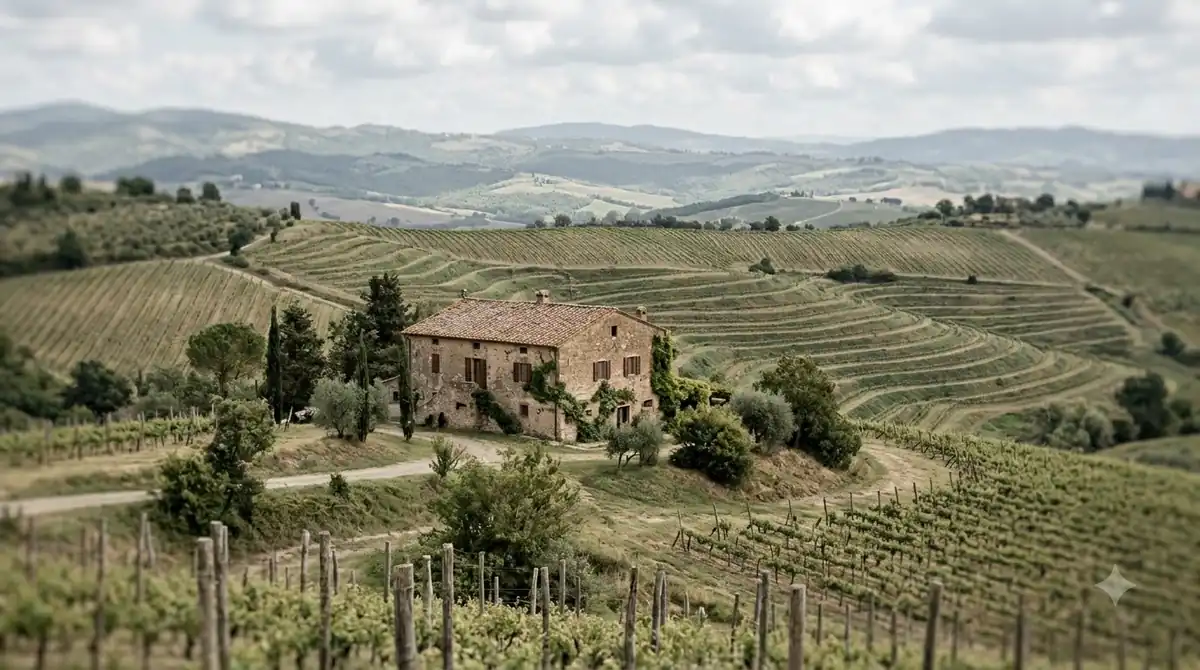
One of the most common points of confusion in the wine aisle is mixing up the Montepulciano grape with Vino Nobile di Montepulciano. Despite the shared name, Vino Nobile di Montepulciano is a Tuscan red wine named after the hilltop town of Montepulciano and is crafted primarily from Sangiovese rather than the Montepulciano grape. When a label reads Montepulciano d’Abruzzo, Rosso Conero, or Offida Rosso, the name refers directly to the variety inside the bottle.
Structurally, the grape sits right on the border between medium and full weight. According to Wine Enthusiast’s varietal guide, top examples show deep pigment alongside ripe, powerful tannins, yet they rarely feel overly heavy or astringent on the finish. That natural balance comes from moderate-to-high acidity, which keeps the dark fruit flavors lively rather than jammy.
For shoppers exploring different Wine by Type categories, Montepulciano acts as a versatile bridge between lighter food-friendly reds and weighty cellar bottles. It brings more color and palate density than Pinot Noir, yet feels noticeably rounder and softer than a tightly wound Cabernet Sauvignon.
Flavor Profile and Styles
Montepulciano displays a signature core of black cherry, red plum, blackberry, and dried Mediterranean herbs, often framed by a subtle smoky or cocoa-dusted finish. Winemakers shape these flavors into two distinct weight classes depending on whether they age the wine in stainless steel or oak barrels.
Producers who favor neutral vessels like stainless steel or cement tanks release bright, fruit-forward wines built for early drinking. According to Wine Folly’s Montepulciano guide, these unoaked bottlings burst with sour cherry, red plum, cranberry, and raspberry jam accented by dried herbs, violet, and a faint ash-like earthiness. On the palate, this style feels decisively medium-bodied, supple, and easy to sip on a weeknight.
At the other end of the spectrum, winemakers crafting Riserva or single-vineyard selections turn to oak aging and extended maceration to amplify body and complexity. These full-bodied expressions trade bright red berries for concentrated boysenberry, blackberry, prune, licorice, mocha, and vanilla. Longer contact with wood adds toastiness and firms up the tannin structure, turning a casual table red into an inky, age-worthy bottle.
| Style / Classification | Aging Regimen | Body Weight | Dominant Flavors |
|---|---|---|---|
| Standard Montepulciano d’Abruzzo DOC | Stainless steel or neutral vessels; minimum 1 year before release | Medium-bodied | Sour cherry, red plum, raspberry, dried thyme, subtle earth |
| Montepulciano d’Abruzzo Riserva DOC | Minimum 3 years aging, including at least 1 year in wood | Full-bodied | Blackberry, black cherry, cocoa, vanilla, black pepper, tobacco |
| Colline Teramane DOCG | Strict hillside yield limits and extended barrel/bottle maturation | Full-bodied | Dark berry preserves, licorice, leather, mesquite smoke, spice |
Comparing Montepulciano to other popular reds highlights where it sits on the weight scale. While readers asking is malbec full bodied will find that Argentine Malbec leans heavily into plush, dark-fruited density, everyday Montepulciano offers a slightly brighter, more savory lift. Conversely, those checking is pinot noir full bodied will notice that Montepulciano delivers far deeper color, higher tannin grip, and richer mid-palate weight.
Where Montepulciano Grows
While planted throughout central and southern Italy, Montepulciano achieves its highest acclaim along the Adriatic coast in Abruzzo and neighboring Marche. Warm Mediterranean sunshine ripens the thick-skinned berries thoroughly, while cooling breezes from the sea and nearby Apennine mountains preserve vital acidity.
Abruzzo serves as the undisputed heartland of the variety, where the broad Montepulciano d’Abruzzo DOC requires at least 85% Montepulciano in the blend. Within northern Abruzzo, the prestigious Colline Teramane DOCG—situated between the Adriatic Sea and the Gran Sasso mountain massif—enforces stricter rules, mandating at least 90% Montepulciano and lower vineyard yields. Its clay-silt hillside soils and cool nighttime temperatures yield wines with tighter tannins and genuine full-bodied power.
Just north in the Marche region, Montepulciano takes on a distinct maritime personality in appellations like Rosso Conero DOC and Offida Rosso DOCG, both requiring a minimum of 85% Montepulciano. Further south in Molise and Puglia, the grape anchors blends such as Biferno DOC and San Severo Rosso DOC, where warm coastal exposure produces generous, sun-ripened fruit.
How to Serve Montepulciano
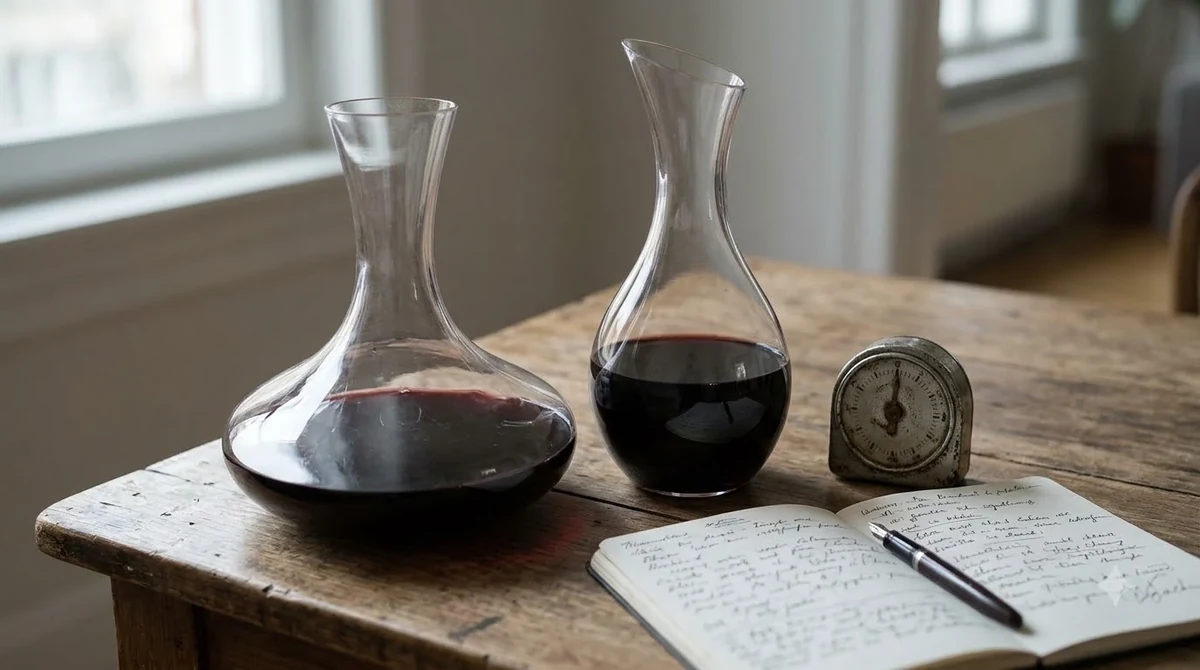
Serve Montepulciano slightly below room temperature at 60 to 68°F (15 to 20°C) in a large-bowled red wine glass to showcase its dark aromatics while keeping the alcohol balanced. Giving richer, oak-aged bottles time to breathe in a decanter softens their firm tannins and unlocks deeper savory notes.
Temperature plays a major role in how heavy or light a red wine feels on your palate. Serving an everyday, unoaked Montepulciano d’Abruzzo at the cooler end of the spectrum—around 60 to 62°F—accentuates its crisp acidity and juicy red-plum character. Full-bodied Riserva and Colline Teramane bottlings show best closer to 64 to 68°F, where warmth allows complex aromas of cocoa, leather, and dried herbs to unfold.
Decanting needs vary directly with the bottle’s body and age. Casual, stainless-steel DOC wines are crafted for immediate enjoyment and rarely need more than 15 to 20 minutes in the glass. By contrast, young Riserva or Colline Teramane DOCG wines benefit from 45 to 90 minutes in a decanter to tame their youthful grip and let the mid-palate expand.
Tip: Place a room-temperature bottle of Montepulciano in the refrigerator for 15 to 20 minutes before pouring to bring it right into the ideal 60–65°F serving zone.
Food Pairing Ideas
Montepulciano is built for the dinner table, pairing effortlessly with rich meats, tomato-based pasta dishes, and smoky grilled foods thanks to its combination of ripe fruit, soft tannins, and bright acidity. The key to a great match is pairing the wine’s weight with dishes that feature hearty protein, savory herbs, or melted cheese.
In its native Abruzzo, local cooks pair the wine with arrosticini—charcoal-grilled skewers of seasoned lamb—as well as maccheroni alla chitarra tossed in a slow-simmered meat ragù. The wine’s natural acidity cuts right through rich meat juices and tangy tomato sauces without clashing, while its dark berry fruit complements charred, smoky flavors from the grill.
When pouring a lighter, medium-bodied DOC bottle, reach for wood-fired Margherita or pepperoni pizza, sausage-stuffed mushrooms, eggplant Parmesan, or weeknight spaghetti and meatballs. If you open a dense, oak-aged Riserva or Offida Rosso, step up to heavier fare like braised beef short ribs, herb-crusted roast lamb, beef brisket, or aged Pecorino cheese.
How to Choose the Right Bottle
Reading the Italian classification and aging terms on the front label tells you immediately whether a bottle will drink as a supple medium-bodied red or a structured, full-bodied powerhouse. Checking the vintage date and regional designation ensures you get the exact texture you prefer.
For an easygoing, medium-bodied red to open right away, look for a standard Montepulciano d’Abruzzo DOC from a recent vintage within two to four years of harvest. These bottles prioritize fresh fruit, smooth tannins, and lively acidity over heavy oak influence, making them reliable crowd-pleasers for casual dinners.
When you crave a deeper, full-bodied experience, scan the label for the words Riserva or Colline Teramane DOCG, or look toward Marche appellations like Rosso Conero and Offida Rosso. These designations indicate stricter vineyard selection and extended barrel maturation, delivering darker fruit, firmer tannins, and the structure to cellar well for five to fifteen years. Shoppers who enjoy exploring is merlot full bodied for its velvety mouthfeel will find that Riserva Montepulciano provides a remarkably similar plushness with an extra dash of Italian spice.
Frequently Asked Questions
Is Montepulciano sweeter or drier than Merlot?
Montepulciano is fermented completely dry, just like standard Merlot, meaning it contains virtually no residual sugar. Its perception of richness comes from ripe black-cherry and plum fruit flavors paired with soft, plush tannins rather than actual sweetness.
Is Montepulciano heavier than Chianti?
Yes, Montepulciano generally feels fuller, darker, and softer on the palate than Chianti. While Chianti is made from Sangiovese and features brighter red cherry fruit, sharper acidity, and firmer tannins, Montepulciano offers deeper color and a rounder, more velvety texture.
What is the typical ABV of Montepulciano wine?
Most bottles of Montepulciano fall between 12.5% and 14% alcohol by volume. Everyday unoaked DOC bottlings usually sit closer to 12.5% to 13.5% ABV, whereas concentrated Riserva and Colline Teramane DOCG wines often reach 13.5% to 14% ABV.
Does Montepulciano need to be aged before drinking?
Standard Montepulciano d’Abruzzo DOC wines are crafted to be enjoyed young, typically within two to eight years of the vintage date. However, full-bodied Riserva and Colline Teramane DOCG bottlings possess firmer tannins and acidity that allow them to develop complex leather and spice notes over four to fifteen years in a cellar.
Whether you choose a bright, stainless-steel bottling for pizza night or a barrel-aged Riserva for slow-braised meats, Montepulciano adapts effortlessly to the occasion. Knowing how regional classifications and oak aging influence its weight lets you pick the exact level of body you want every time you uncork a bottle.
More in Wine Types & Grapes
 Zinfandel Sugar Content: Dry Red vs. White Zinfandel GramsUpdated Nov 21, 2026
 Best Zinfandel Substitute Options for Sipping and CookingUpdated Nov 21, 2026
 Zweigelt Food Pairing: Best Dishes, Cheeses, and Serving TipsUpdated Nov 21, 2026
 Zinfandel Tannins Explained: How Structure Shapes Every BottleUpdated Nov 21, 2026
 Zinfandel Sweetness Level: Dry Red vs. Sweet White Zin ExplainedUpdated Nov 21, 2026
 Xinomavro Food Pairing: Best Dishes, Styles, and Serving TipsUpdated Nov 21, 2026