

We may earn a commission when you buy through links on this page, at no extra cost to you. Learn more.
When asking is elderberry wine sweet or dry, the answer depends on the winemaker, as it can be produced in styles ranging from bone-dry table wine to rich, fortified dessert wine. Fresh elderberries naturally contain about 7.5 percent fermentable sugar, so winemakers add cane sugar, honey, or grape concentrate before fermentation to reach standard table-wine strength. Because raw elderberries carry firm tannins and crisp acidity, many commercial producers leave a touch of residual sugar to soften the palate, though barrel-aged dry versions are also widely crafted.
Most people associate elderberry wine with old-fashioned country kitchens or classic theater comedy, yet modern craft wineries treat the dark purple fruit with serious cellar technique. Understanding where a bottle lands on the sweetness spectrum comes down to how the fruit is fermented, how long it ages, and whether the winemaker back-sweetens before bottling.
What Is Elderberry Wine?
Elderberry wine is a non-grape fruit wine fermented from the ripe, dark-skinned berries of the elder shrub, primarily European black elder (Sambucus nigra) and American elder (Sambucus canadensis). Unlike standard wine grapes, elderberries require added sugar prior to fermentation to reach a stable alcohol level around 10 to 15 percent ABV.
At harvest, ripe elderberries hold roughly 7.5 percent natural sugars—a mix of sucrose, glucose, and fructose—alongside citric, malic, shikimic, and fumaric acids. Because wine grapes typically pack far more natural sugar at crush, fermenting pure elderberry juice without chaptalization would yield a thin, low-alcohol beverage prone to spoilage. Winemakers dissolve sugar or white grape concentrate into the warm berry must so yeast can convert those carbohydrates into alcohol, typically targeting a starting specific gravity between 1.080 and 1.095.
Once fermented, elderberry wine looks and behaves remarkably like a red grape wine rather than a light orchard cider. The berry skins are packed with anthocyanins, which give the liquid an inky ruby-violet hue, and natural polyphenols that create noticeable grip on the gums. According to WineMaker Magazine’s varietal guide on elderberry, the fruit belongs to the honeysuckle family (Caprifoliaceae) and produces an unmistakable, intense berry aroma rather than a shy or delicate bouquet. Like other structured bottles across the broader wine by type landscape, it rewards patience in the bottle.
Flavor Profile and Sweetness Styles
Elderberry wine spans four main sweetness tiers: dry, off-dry (medium-dry), semi-sweet, and fortified port-style dessert wine. Across every sweetness level, the core flavor profile centers on concentrated blackberry, blackcurrant, wild plum, earthy spice, and brisk acidity.
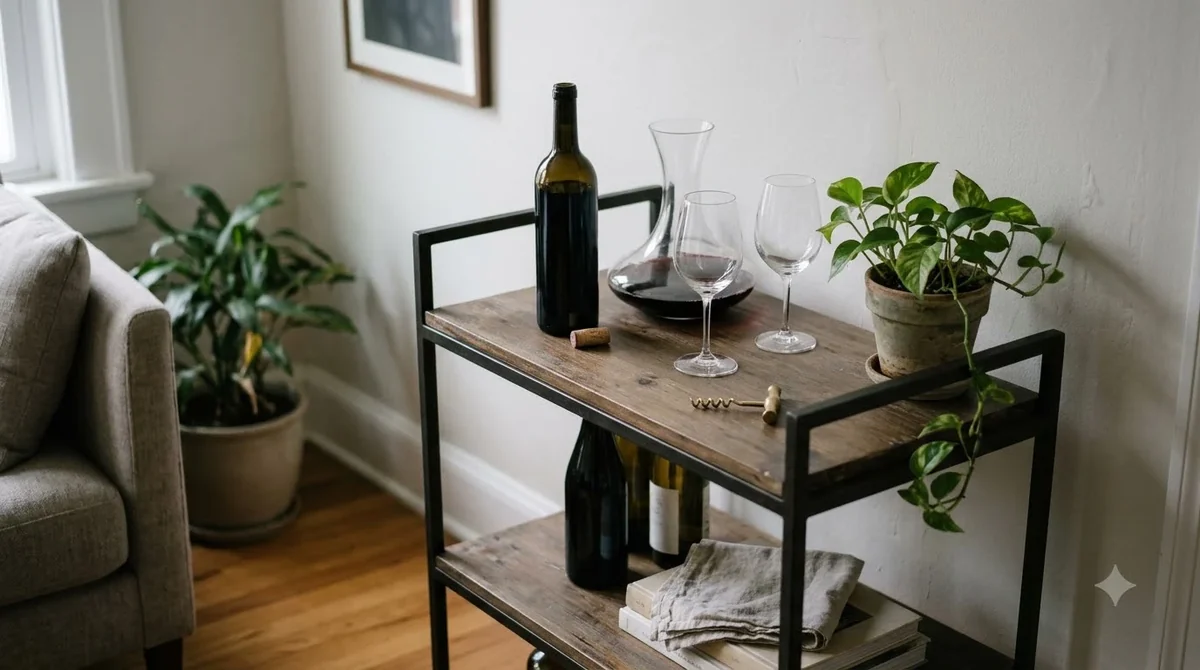
When fermented completely dry—meaning yeast consumes virtually all available sugar down to a final specific gravity around 0.990 to 0.998—elderberry wine drinks like a rustic, full-bodied red. Young dry bottles can taste sharp, astringent, and intensely tannic, sometimes catching first-time drinkers off guard. After six to twelve months of aging in glass or oak barrels, those harsh tannins polymerize and soften, revealing savory notes of dried herbs, black pepper, and dark forest fruit.
Off-dry and semi-sweet styles are the most common expressions found in American tasting rooms. After fermentation finishes and the wine is stabilized with potassium sorbate and sulfites to prevent refermentation in the bottle, winemakers often back-sweeten with cane sugar, honey, or elderberry syrup. Even a small dose of residual sugar rounds out the fruit’s firm grip and amplifies its ripe jammy aromatics without making the glass feel cloying. At the sweetest end of the spectrum, some producers fortify elderberry wine with neutral grape spirits to create a velvety, high-alcohol port style built for sipping after dinner.
| Style | Sweetness Level | Typical ABV | Key Tasting Notes |
|---|---|---|---|
| Dry Table Style | Dry (fermented to 0.990–0.998 SG) | 11%–13.5% | Blackcurrant, earth, firm tannins, crisp acidity, savory finish |
| Off-Dry / Medium | Slight residual sugar | 11%–13% | Ripe blackberry, subtle spice, rounded mouthfeel, balanced tartness |
| Semi-Sweet Country | Noticeably sweet | 10%–12% | Jammy dark berries, floral honeysuckle hints, soft tannic grip |
| Second-Run Rosé | Dry to off-dry | 10%–12% | Lighter red-berry fruit, brisk acidity, refreshing finish |
| Fortified Port Style | Richly sweet | 15%–18%+ | Concentrated stewed berries, warm spice, dense velvety texture |
Tip: If a bottle label does not state “dry” or “sweet,” check the alcohol percentage and back-label serving suggestions—wines recommending pairing with grilled meats or aged cheddar are almost always dry or off-dry, while bottles suggesting chocolate or dessert carry noticeable residual sugar.
Where Elderberries Grow and Where the Wine Is Made
Elderberries thrive across temperate regions of North America and Europe, with commercial elderberry winemaking concentrated in the American Midwest, New England, the Pacific Northwest, and Central Europe. In the United States, states like Missouri, Kansas, Iowa, Oregon, and New Hampshire lead domestic production.
Two species account for nearly all commercial and home elderberry wine: Sambucus nigra across Europe and parts of North America, and native Sambucus canadensis throughout the eastern and midwestern United States. Wild elder shrubs flourish along damp creek beds, hedgerows, and forest edges where slightly acidic soil retains moisture. Over the past two decades, agricultural breeding programs—including cultivar releases from the University of Missouri—have helped growers cultivate high-yielding orchards with lower seed bitterness and cleaner fruit chemistry.
Because elderberries grow reliably in cold climates where traditional European wine grapes struggle, regional wineries across the Midwest and Northeast have embraced the fruit as a signature specialty. As Wine Enthusiast notes in its coverage of New Hampshire wine, some craft producers even age their elderberry wines in oak barrels—a rarity among fruit wines—to build structure and complexity comparable to classic red varietals.
How to Serve Elderberry Wine
Dry and off-dry elderberry wines are best served slightly cool at 55°F to 65°F (13°C to 18°C), whereas sweeter and rosé-style bottlings shine chilled between 45°F and 50°F (7°C to 10°C). Serving dry elderberry wine too warm exaggerates its alcohol and astringency, while chilling it too cold mutes its complex berry aromatics.
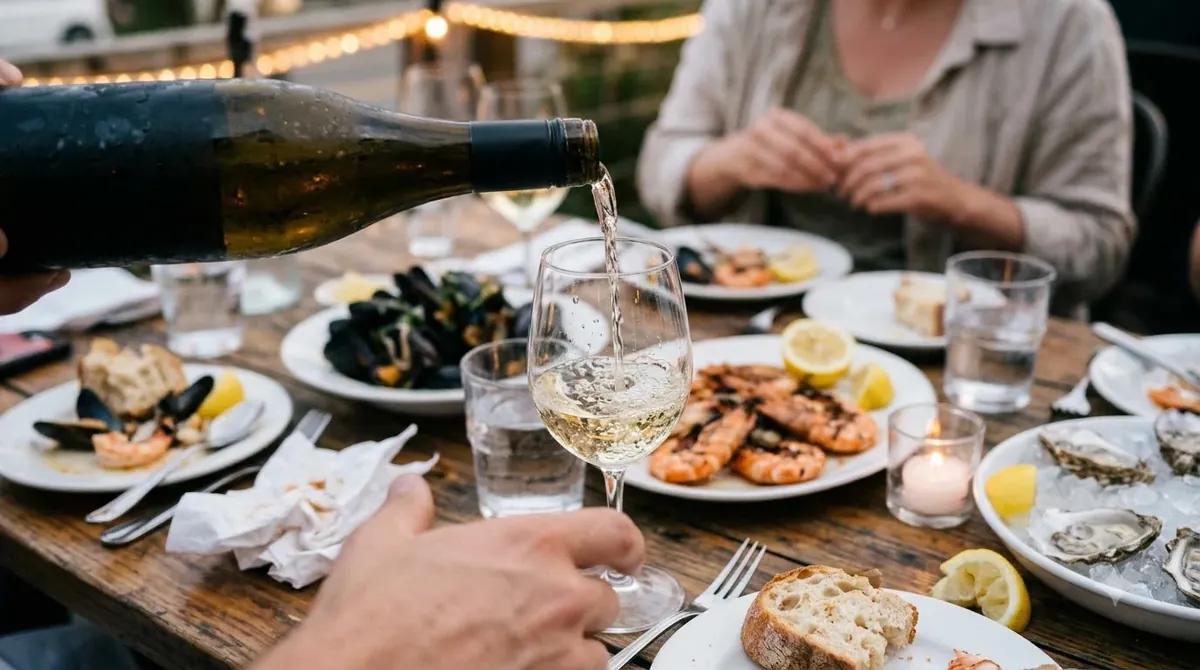
A standard tulip-shaped red wine glass works well for dry and barrel-aged expressions because the wide bowl allows oxygen to soften the wine’s natural tannins while concentrating its dark-fruit nose. If you open a young, tightly wound dry elderberry wine, pouring it into a decanter for 30 to 45 minutes before dinner helps smooth out sharp edges and brings forward secondary spice notes. For fortified port-style elderberry wines, pour smaller three-ounce servings into a narrow dessert or port glass at cool cellar temperature.
Once opened, recork the bottle tightly and store it upright in the refrigerator. Dry elderberry wines generally stay fresh for three to five days under refrigeration, while sweeter and fortified styles hold their flavor for one to two weeks thanks to the preservative effect of higher sugar and alcohol levels.
Food Pairing Ideas
Dry and off-dry elderberry wines pair best with savory, rich dishes—such as roasted duck, braised beef, wild mushrooms, and aged hard cheeses—while sweeter bottlings complement dark chocolate and berry desserts. Matching the weight and sweetness of the wine to the dish keeps its brisk acidity and tannins in balance.
When pouring a dry elderberry wine, treat it much like a medium-bodied Syrah or Zinfandel. The wine’s natural astringency cuts cleanly through fatty cuts of meat like herb-crusted pork tenderloin, venison, or slow-cooked short ribs, while its earthy undertones echo roasted root vegetables and mushroom risotto. On a cheese board, aged white cheddar, Manchego, and nutty Gouda tame the tannins and highlight the fruit’s blackcurrant core.
Off-dry versions bridge the gap between savory and sweet courses, making them natural partners for glazed ham, smoked turkey, or barbecue ribs with a tangy sauce. If you have a semi-sweet or fortified elderberry wine on hand, serve it alongside flourless dark chocolate cake, blackberry galette, or pungent blue cheese, where the wine’s sweetness mirrors the dessert rather than clashing with it—much like how sweetness balance shapes pairings when deciding whether rosé is sweet or dry for a meal.
How to Choose the Right Bottle
Selecting an elderberry wine that matches your palate comes down to reading the label for sweetness cues, checking whether the wine was oak-aged, and knowing how much residual sugar you enjoy in traditional grape wines.
Start by comparing elderberry wine to familiar grape benchmarks. If you typically reach for Cabernet Sauvignon, Malbec, or dry Pinot Noir, look for bottles labeled “dry,” “barrel-aged,” or “estate dry,” which skip back-sweetening and emphasize structure over sugar. Conversely, if your go-to pours lean toward sweeter styles—similar to the fruit-forward profile explained in our guide on whether Moscato is sweet or dry—choose an off-dry or semi-sweet country bottling where residual sugar cushions the berry’s tart skin.
Finally, inspect the ingredient statement and producer notes on the back label. Some commercial bottles are crafted from 100 percent pure elderberry juice, delivering intense, concentrated dark fruit and firm grip, while others blend elderberry with blackberry, blueberry, or red grape wine to create a softer, more immediately approachable texture. If you enjoy crisp, celebratory bubbles or want a palate cleanser before opening a rich fruit wine, comparing drier sparkling styles like brut Champagne can also help calibrate how sensitive your palate is to acidity versus sweetness.
Frequently Asked Questions
Is elderberry wine usually sweet or dry?
Elderberry wine is made in both dry and sweet styles, though off-dry and semi-sweet versions are the most common in commercial tasting rooms. Because elderberries have high natural tannins and crisp acidity, many winemakers add a small amount of sugar after fermentation to soften the wine’s grip, while others age it in oak barrels for a completely dry red-wine profile.
What does dry elderberry wine taste like?
Dry elderberry wine tastes remarkably similar to a rustic, medium- to full-bodied red grape wine. Expect concentrated flavors of wild blackberry, blackcurrant, and dark plum layered with earthy spice, brisk acidity, and firm tannins that smooth out considerably after several months of bottle or barrel aging.
How strong is elderberry wine?
Most still elderberry wines contain between 10 percent and 13.5 percent alcohol by volume (ABV), placing them right alongside standard red and white table wines. Fortified port-style elderberry wines, which are blended with neutral grape spirits to preserve sweetness, typically range from 15 percent to 18 percent ABV or higher.
Does elderberry wine need to be aged before drinking?
Dry elderberry wine benefits significantly from six to twelve months of aging before opening. When freshly bottled, natural tannins and acidity from the berry skins can taste sharp or austere, whereas time in glass or oak allows the structure to soften and the dark berry aromatics to integrate.
Whether you prefer a bone-dry, barrel-aged pour alongside Sunday roast or a lightly sweetened glass after dinner, elderberry wine offers far more range than its old-fashioned reputation suggests. Checking the label for sweetness indicators and serving the bottle at the right cellar temperature ensures you get the best expression of this bold dark-berry classic.
More in Wine Types & Grapes
 What Does Mourvèdre Taste Like? Flavor Profile, Regions, and PairingsUpdated Nov 20, 2026
 What Does Marsanne Taste Like? Flavors, Styles, and Food PairingsUpdated Nov 20, 2026
 What Does Malvasia Taste Like? Styles, Flavors, and Food PairingsUpdated Nov 20, 2026
 What Does Grenache Blanc Taste Like? Flavor Profile, Styles, and PairingsUpdated Nov 20, 2026
 What Does Garnacha Taste Like? Key Flavors, Styles, and Pairing TipsUpdated Nov 20, 2026
 What Does Fruit Wine Taste Like? A Complete Flavor and Style BreakdownUpdated Nov 20, 2026