

We may earn a commission when you buy through links on this page, at no extra cost to you. Learn more.
The answer to what is elderberry wine is simple: it is a fruit wine made by fermenting elderberries rather than wine grapes. It often pours deep ruby to purple and tends toward concentrated dark-berry fruit, lively tartness, and a structured finish. Depending on the recipe and fermentation choices, the finished wine can be dry, off-dry, or sweet.
Elderberry wine has a long tradition in American and European home winemaking, although it remains less familiar than conventional grape varieties. Its distinctive fruit character, dark color, and flexible sweetness make it an interesting alternative for people who enjoy berry-forward drinks. Understanding its ingredients, production, and serving style makes choosing a bottle much easier.
What Defines This Fruit Wine?
Elderberry wine is produced by fermenting the juice or prepared fruit of elderberry plants. Unlike Cabernet Sauvignon, Pinot Noir, or Chardonnay, it does not depend on wine grapes as its primary fruit ingredient. Its identity comes from the elderberry itself, which contributes the wine’s characteristic dark color and concentrated berry flavor.
The elderberry belongs to the Sambucus plant group. Two important types used in food and beverage production are American elderberry, Sambucus canadensis, and European elderberry, Sambucus nigra. Both produce small berries in clusters, but growing conditions, cultivar selection, and processing methods influence the character of the finished beverage. A producer may use one variety or a combination of suitable fruit sources.
In practical terms, elderberry wine belongs to the fruit-wine category. Fruit wines are fermented beverages made from fruit other than traditional wine grapes, although some recipes combine different fruits or include grape-based ingredients. Water, fermentable sugar, and yeast may be used during production to create suitable fermentation conditions. The goal is to turn the fruit’s sugars into alcohol while preserving enough of its natural aroma, color, and flavor to give the finished wine a recognizable identity.
It is also important to distinguish elderberry wine from elderflower wine. Elderflower wine uses the plant’s blossoms rather than its berries and generally has a lighter, more floral character. A grape wine infused with elderberries is another different product: it begins as grape wine and receives berry flavor afterward or during production. A genuine elderberry fruit wine uses elderberries as the principal fruit ingredient.
The Elderberry Fruit and Its Growing Regions
American and European elderberries are the two main botanical groups associated with elderberry wine. Their cultivation, harvest timing, and individual cultivars help determine the fruit available to winemakers.
American elderberry, Sambucus canadensis, is a perennial shrub native to Wisconsin and widely distributed across eastern North America. Its natural range extends from the East Coast toward the Rocky Mountains, reaching from Canada to the Gulf Coast. European elderberry, Sambucus nigra, is associated with Europe and has also become established in other regions. Both provide the dark fruit used in traditional preparations, including wine, juice, preserves, and other beverages.
Growing conditions affect when the fruit becomes available. According to University of Wisconsin Extension, elderberries in Wisconsin generally flower in June and ripen in August. The berries develop in clusters, and harvesting requires careful separation from their stalks. Commercial handling typically includes destemming, washing, and sanitizing before processing. Many harvested berries are frozen, which allows producers to store the seasonal crop and work with it beyond the immediate harvest period.
Cultivar selection is another important consideration. University of Wisconsin Extension identifies Adams, York, Kent, and Victoria among American elderberry cultivars. These varieties were developed or selected for useful growing and fruit characteristics, including berry size, cluster development, and ripening patterns. The Missouri Elderberry Development Program has also contributed to improved American cultivars, including Bob Gordon, Wyldewood, Ranch, and Pocahontas.
For wine consumers, the practical result is variation rather than one universal elderberry profile. Fruit harvested in different locations or from different cultivars may provide different starting levels of sugar, acidity, pigments, and tannin. The winemaker then has to work with those differences during fermentation. Two bottles identified simply as elderberry wine may therefore show noticeably different color, body, aroma, and sweetness.
Elderberry wine also has a substantial traditional history. The Herb Society of America documents references to elderberry wine in American household and colonial cooking traditions. Historical recipes appear alongside instructions for making preserves, syrups, and other elderberry preparations. The beverage was particularly associated with home production, where seasonal berries could be turned into a drink that lasted beyond the summer harvest.
How Elderberries Become Wine
Making elderberry wine involves preparing the fruit, developing a fermentable juice, managing yeast activity, and allowing the wine to mature. Processing choices matter because elderberries have different natural characteristics from ordinary wine grapes.
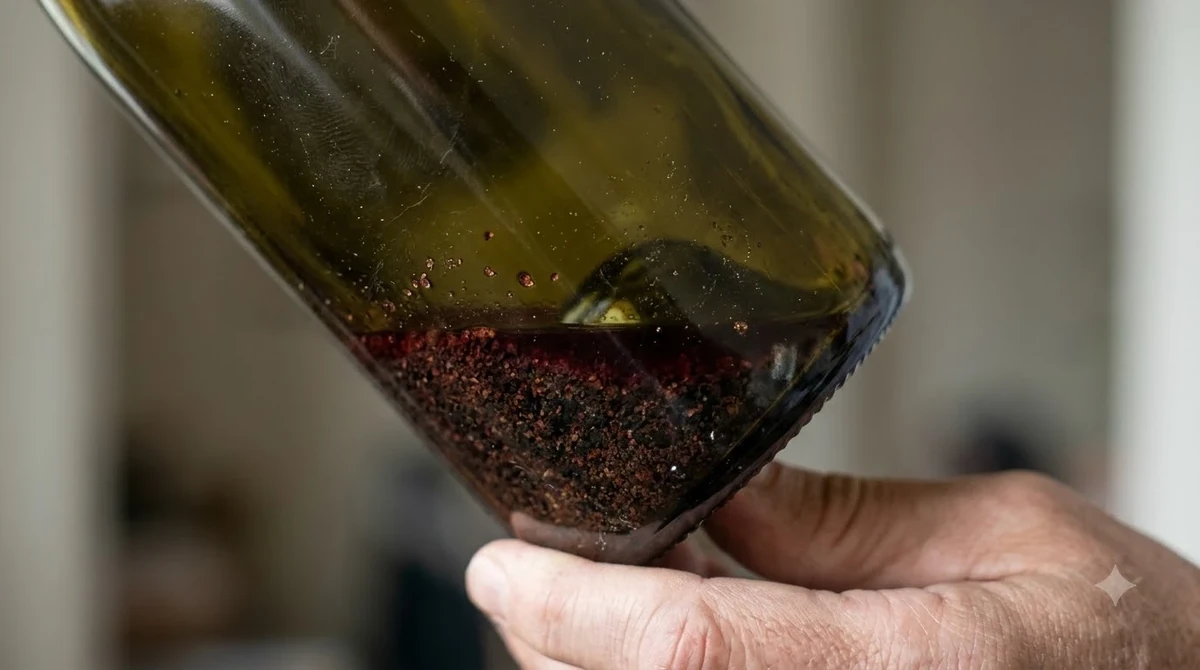
Fruit preparation starts with selecting ripe berries and removing stems and other unwanted plant material. This is especially important because elderberry leaves, stems, and immature berries can contain potentially toxic compounds. The Herb Society of America advises removing stalks and heating the fruit or juice to the boiling point before consumption. Proper commercial processing is therefore an important distinction between a finished beverage and an unprocessed collection of berries.
Once the prepared fruit has been processed, the winemaker considers its sugar level and acidity. Elderberries do not necessarily provide the same starting composition as conventional wine grapes. Water, additional sugar, acid adjustments, and selected yeast strains may be used to establish conditions suitable for fermentation. Yeast consumes fermentable sugar and produces alcohol along with other compounds that contribute to the wine’s aroma and texture.
A Montana State University study examined three methods for preparing elderberries before fermentation. The researchers worked with the Samyl cultivar and compared hot-water treatment, cold maceration followed by hot water, and boiling the crushed berries. The results demonstrate that processing affects the finished wine’s color and chemical characteristics even when the basic fermentation conditions are controlled.
| Processing method | Preparation detail | Observed result |
|---|---|---|
| Hot-water treatment | Water at 100°C, without extended maceration | Produced a wine with moderate color extraction |
| Cold maceration | Two-day soak followed by hot-water treatment | Produced lighter-colored wine |
| Boiled fruit | Crushed berries boiled for five minutes | Produced the darkest wine |
Tip: When comparing production methods, separate the effect of fruit preparation from the effect of fermentation itself. The Montana State experiment controlled important variables, including sugar concentration and pH, so the researchers could compare the processing treatments more clearly.
All three treatments in that experiment were adjusted to 17 degrees Brix and a pH of approximately 3.75. The researchers used EC-1118 yeast and aged the wines for about two months before bottling. Their finished wines had similar acidity and tannin levels, with alcohol content just under 10 percent. This provides a useful example of the decisions involved in producing a consistent fruit wine, but it should not be mistaken for a fixed formula followed by every commercial producer.
Boiling crushed fruit produced the darkest wine in the study, with greater anthocyanin extraction than the cold-maceration treatment. The findings show why fruit preparation can influence the visual character of the final product. More color extraction does not automatically mean a better wine, however. A producer must also consider aroma, balance, acidity, tannin, and the desired drinking style. The study is summarized by the Montana State University Western Agricultural Research Center.
Color, Flavor, Sweetness, and Alcohol
Elderberry wine is generally recognized by its intense berry character and dark appearance. Its exact flavor depends on the fruit, processing method, fermentation, and sweetness selected by the producer.
Color is one of its most noticeable characteristics. A well-extracted wine can have a deep ruby, purple-red, or almost inky appearance. Elderberries contain natural pigments that contribute to this concentrated color. In the Montana State study, boiling produced the darkest wine among the three preparation methods, while cold maceration resulted in a lighter appearance. This illustrates why color alone cannot tell the complete story of how a bottle was made.
The aroma and palate are fruit-driven. Dark berry notes are central, and some versions can suggest blackberry, blackcurrant, cooked berries, or a slightly earthy fruit character. Fermentation creates additional aromas that influence how the fruit is perceived. Depending on the finished wine, the overall impression may be fresh and bright or more concentrated and rounded. Tannin can contribute a drying sensation, particularly when the fruit skins and other solid material have been in contact with the fermenting liquid.
Acidity is another important part of the balance. A wine with lively acidity may feel sharper and more refreshing, while a version with softer acidity and more residual sugar can seem rounder. Tannin and fruit concentration also affect the finish. These characteristics explain why two elderberry wines can seem very different even when both are made from the same species of berry.
Sweetness is not fixed. Elderberry wine can be dry, off-dry, semi-sweet, or sweet, depending on how much fermentable sugar is available and how the producer finishes the wine. A dry version has little remaining sweetness and allows the fruit, acidity, and tannin to provide most of the structure. An off-dry or sweeter version can emphasize the ripe fruit character and soften some of the sharper impressions.
For a more detailed explanation of the options, see our guide to whether elderberry wine is sweet or dry. The distinction matters when pairing wine with food. A sweet bottle works differently from a dessert-style bottle, and the sweetness should be considered alongside the intensity of the dish rather than assumed from the berry flavor alone.
Alcohol content varies with production choices. In the Montana State research, the three experimental wines finished just under 10 percent alcohol by volume. That is a useful example of one production approach, not a guarantee for every bottle. Different sugar additions, fermentation conditions, yeast choices, and finishing methods can lead to different alcohol levels. A fruit wine can therefore be lighter or stronger than another bottle in the same category.
Serving Elderberry Wine and Choosing Food Pairings
Elderberry wine is best served according to its weight, sweetness, and tannin. A lightly structured, dry bottle generally benefits from a slightly cool serving temperature, while a fuller version can be served a little warmer to let its fruit character show.
For a lighter elderberry wine, start around 55–60°F. This temperature range helps preserve freshness while allowing the berry aroma to develop. A fuller and more structured version may be more comfortable around 60–65°F. Serving a red fruit wine too warm can make its alcohol seem more prominent, while excessive chilling can reduce the clarity of its aroma and flavor.
A standard wine pour is approximately 5 ounces. A 750-milliliter bottle contains about five such servings, making it easy to plan a tasting or dinner service. A regular red wine glass gives the wine enough room to release its aroma. There is no need for special glassware, but a bowl with moderate space helps concentrate the berry notes when the wine is brought to the nose.
Dry elderberry wine can work with dishes that have enough flavor to match its concentrated fruit character. Roast pork, duck, venison, grilled sausages, and richly seasoned mushrooms are useful starting points. These foods offer savory flavors and enough texture to complement a more structured fruit wine. Salt and fat also soften the perception of tannin, making rich meat dishes especially suitable for some fuller versions.
Cheese is another practical pairing. Aged cheddar, nutty hard cheeses, and moderately strong washed-rind varieties can work with a dry elderberry wine. Their saltiness and richness provide contrast to the berry fruit. For a sweeter bottle, fruit tarts, berry desserts, dark chocolate, and lightly spiced baked goods are more natural choices. The wine should generally be at least as sweet as the dessert, otherwise the dessert can make the wine seem thin or excessively tart.
Acidity should guide pairings with sharper foods. A highly acidic dish needs a wine with equal or greater acidity if the combination is to remain balanced. Very hot chili dishes deserve caution because alcohol and tannin can amplify the impression of heat. Tannic elderberry wines are also less suitable for oily fish, which can create an unpleasant combination of fish oils and drying tannins.
For a simple first tasting, pour a small glass alongside roast pork, aged cheddar, or a berry-based dessert. Taste the wine on its own before eating, then revisit it with the food. This makes it easier to notice whether the pairing softens its tannin, emphasizes its acidity, or changes the impression of sweetness.
Choosing, Storing, and Understanding Different Bottles
Choosing elderberry wine starts with identifying the style you enjoy. Bottles can differ considerably in sweetness, alcohol, body, and fruit intensity, so the name of the berry is only the starting point.
Begin by looking at the producer’s description of sweetness. If you prefer crisp, savory wines, a dry or off-dry version may be a better starting point than a dessert-style bottle. If you enjoy ripe fruit flavors and softer finishes, a sweeter option may be more appealing. The alcohol percentage also provides useful context, particularly when comparing a lighter fruit wine with a richer, more concentrated style.
Pay attention to the fruit ingredients and the product description. Some bottles are made principally from elderberries, while other beverages may combine elderberry with additional fruit or use it as a flavoring ingredient in a grape-based wine. These are different production approaches and may have different flavor profiles. Understanding the distinction helps prevent disappointment if the intended purchase is a genuine fruit wine rather than a grape wine with berry character.
The label may also identify the growing region, grape or fruit blend, cultivar, and production method. These details can help compare bottles, although not every producer publishes them. A more informative product description may explain whether the wine is dry or sweet, how intensely it is flavored, and whether it is intended for drinking with meals or after dinner. Such details are generally more useful than relying on color alone.
Storage follows the same basic principles used for many still wines. Keep unopened bottles in a cool, dark location with a stable temperature. Around 55°F is a suitable storage target. Bottles sealed with traditional corks are generally stored on their sides to help keep the cork from drying out. Avoid direct sunlight, hot kitchens, and repeated temperature changes, which can affect the wine over time.
After opening, refrigerate the bottle and use a suitable closure to limit exposure to oxygen. Most opened still wines are best consumed within approximately three to five days, although freshness depends on the wine’s composition and how well it is resealed. Bring a chilled bottle toward its recommended serving temperature before pouring. This is especially helpful for a fuller elderberry wine, which can show more aroma as it warms slightly in the glass.
People exploring fruit wines may also enjoy our broader overview of wine by type. It explains how fruit wines differ from conventional grape wines and introduces other styles that offer an alternative to the familiar red, white, and sparkling categories. Readers interested in grape-based comparisons can also learn about the Airen grape, which provides a useful example of how different grape varieties contribute distinct characteristics to wine.
Frequently Asked Questions
These answers cover a few additional points about elderberry wine, its history, and the different ways producers work with the fruit.
Is elderberry wine the same as elderflower wine?
No. Elderberry wine is made from the berries, whereas elderflower wine uses the plant’s blossoms. The Herb Society of America describes an elderflower wine preparation using white grape juice and fresh elderflowers, which produces a light drink with a faint floral bouquet.
Can elderberry wine be served warm?
Yes. Historical elderberry wine recipes include instructions for serving the finished beverage mulled. Gentle warming with suitable spices makes it a seasonal alternative to chilled fruit wine, particularly during colder weather.
Can frozen elderberries be used to make wine?
Yes. Frozen elderberries can be used in winemaking when they are properly thawed and prepared. In the Montana State University experiment, researchers froze harvested Samyl berries and later thawed and crushed them before applying the different processing treatments.
Does elderberry wine always improve with age?
Not necessarily. A historical recipe reproduced by the Herb Society of America states that its elderberry wine improves with age, but that observation should not be treated as a rule for every modern bottle. Aging potential depends on the wine’s balance, production method, storage conditions, and intended drinking style.
Are American and European elderberries botanically identical?
Their classification has some botanical complexity. Sambucus canadensis is commonly treated as American elderberry, while Sambucus nigra is commonly associated with European elderberry. Some botanical treatments consider American elderberry a regional subspecies within the broader Sambucus nigra group rather than a completely separate species.
Elderberry wine offers a distinctive alternative to conventional grape wine, with concentrated berry fruit, deep color, and a range of possible sweetness levels. Once you understand how the fruit is processed and which style suits your palate, it becomes much easier to choose a bottle and pair it with the right food. Start with a well-described dry or off-dry version, serve it slightly cool, and explore sweeter styles as your preferences develop.
More in Wine Types & Grapes
 What Does Mourvèdre Taste Like? Flavor Profile, Regions, and PairingsUpdated Nov 20, 2026
 What Does Marsanne Taste Like? Flavors, Styles, and Food PairingsUpdated Nov 20, 2026
 What Does Malvasia Taste Like? Styles, Flavors, and Food PairingsUpdated Nov 20, 2026
 What Does Grenache Blanc Taste Like? Flavor Profile, Styles, and PairingsUpdated Nov 20, 2026
 What Does Garnacha Taste Like? Key Flavors, Styles, and Pairing TipsUpdated Nov 20, 2026
 What Does Fruit Wine Taste Like? A Complete Flavor and Style BreakdownUpdated Nov 20, 2026