

We may earn a commission when you buy through links on this page, at no extra cost to you. Learn more.
When asking is gamay sweet or dry, the direct answer is that virtually all Gamay wine is dry. Winemakers ferment almost all of the natural grape sugars into alcohol, leaving negligible residual sugar in the bottle. Its reputation for tasting “sweet” comes from vibrant red berry aromas, floral notes, and very low tannins rather than actual sugar.
Because Gamay is packed with fresh fruit flavors like crushed strawberry, raspberry, and cherry, newcomers often mistake its bright personality for sweetness. Understanding how fruitiness differs from residual sugar makes it much easier to shop for, serve, and pair this lively red wine with confidence.
What Is Gamay?
Gamay, known formally as Gamay Noir à Jus Blanc, is a thin-skinned red wine grape best known as the signature variety of France’s Beaujolais region. It produces light- to medium-bodied red wines celebrated for brisk acidity, gentle tannins, and immediate drinkability.
Historians trace the grape back to the village of Gamay in Burgundy, where Duke Philip the Bold famously banned it in 1395 to make room for Pinot Noir. The grape migrated south into Beaujolais, where it thrived on granite soils and established its global identity. Today, Gamay accounts for the vast majority of vineyard plantings across Beaujolais and enjoys a devoted following among sommeliers and casual drinkers alike.
In technical winemaking terms, standard Gamay is fermented to dryness, typically containing less than four grams of residual sugar per liter. According to Wine Folly’s comprehensive guide to Gamay, the grape delivers medium-high acidity, virtually no harsh tannic grip, and moderate alcohol levels ranging from 10 to 13 percent ABV depending on climate and style. Unlike dessert reds or sweet blends, a classic bottle finishes crisp and clean on the palate.
Flavor Profile and Styles
Gamay is famous for expressive red fruit, delicate florals, and an earthy undertone, yet its exact personality shifts dramatically based on how it is vinified. Across nearly all styles, the wine remains dry, relying on natural fruit aromatics rather than sugar to charm the palate.
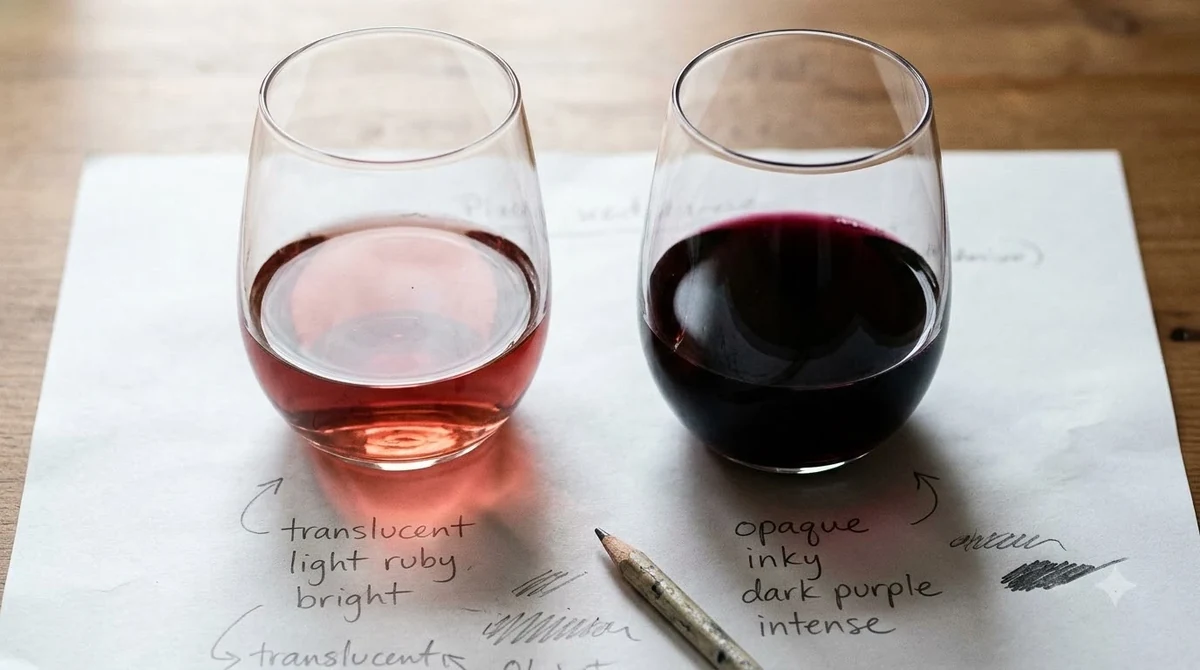
In the glass, typical Gamay displays bright notes of pomegranate, red cherry, raspberry, and blackberry bramble, lifted by floral hints of violet and peony. Underneath that juicy fruit core, tasters often find subtle savory notes of potting soil, black tea, or crushed granite. Because human smell strongly influences taste perception, sweet-smelling berry and floral esters trick the brain into expecting sugar, even when the wine is completely dry on the tongue.
Winemaking choices also shape how rich or playful a bottle feels. Many producers use carbonic maceration, a technique where whole, uncrushed grapes are sealed in a tank filled with carbon dioxide. Fermentation starts inside each intact berry, creating supple textures and playful aromatics of banana, candied raspberry, and bubblegum—most famously seen in Beaujolais Nouveau. By contrast, traditionally fermented Gamay spends time in neutral or seasoned oak barrels, yielding deeper structure, darker fruit, and savory spice.
| Gamay Style | Sweetness Level | Primary Aromas & Flavors | Body & Structure |
|---|---|---|---|
| Beaujolais Nouveau | Dry (Fruit-Forward) | Candied raspberry, banana, bubblegum, violet | Very light body, ultra-low tannin, crisp acidity |
| Beaujolais & Villages | Dry | Red cherry, strawberry, pomegranate, crushed stone | Light body, soft tannin, refreshing finish |
| Cru Beaujolais (e.g., Morgon, Fleurie) | Dry | Blackberry, dried rose, potting soil, white pepper | Medium-light body, structured minerality, age-worthy |
| Gamay Rosé & Pét-Nat | Dry to Off-Dry (varies by producer) | Wild strawberry, watermelon, citrus zest, peony | Crisp, brisk acidity, light and refreshing |
If you are exploring other bottles along the sweetness spectrum, comparing Gamay to sweet whites highlights the difference immediately. While a wine in our guide on whether Moscato is sweet or dry retains noticeable grape sugar and syrupy weight, Gamay keeps its sweetness strictly in the aroma department.
Where Gamay Grows
Although France remains the undisputed heartland of Gamay, winemakers in several cool-climate regions cultivate the grape with impressive results. Soil composition and regional temperatures play a major role in determining whether a bottle tastes airy and floral or deeper and more savory.
In France’s Beaujolais region, located just south of Burgundy, rolling hills of pink granite and schist produce the benchmark expressions of the grape. Within Beaujolais, ten designated villages—known as the Beaujolais Crus, including Morgon, Fleurie, and Moulin-à-Vent—craft single-vineyard wines capable of aging for five to ten years. Further west in the Loire Valley, regions like Touraine and Anjou produce lean, mineral-driven red Gamay alongside crisp dry rosé.
Outside France, Gamay has found enthusiastic homes in Switzerland, Canada’s Niagara Peninsula, and the Pacific Northwest of the United States. In Oregon’s Willamette Valley, volcanic soils lend Gamay a smoky, spicy edge with vibrant acidity that mirrors cool-climate Pinot Noir. Regardless of origin, cool growing conditions preserve the grape’s signature snap and prevent the fruit from turning jammy or overly alcoholic.
How to Serve Gamay
Serving Gamay at the right temperature is the single easiest way to highlight its crisp, dry character and prevent its fruitiness from feeling heavy. Unlike bold Cabernet Sauvignon, Gamay shines with a light chill.
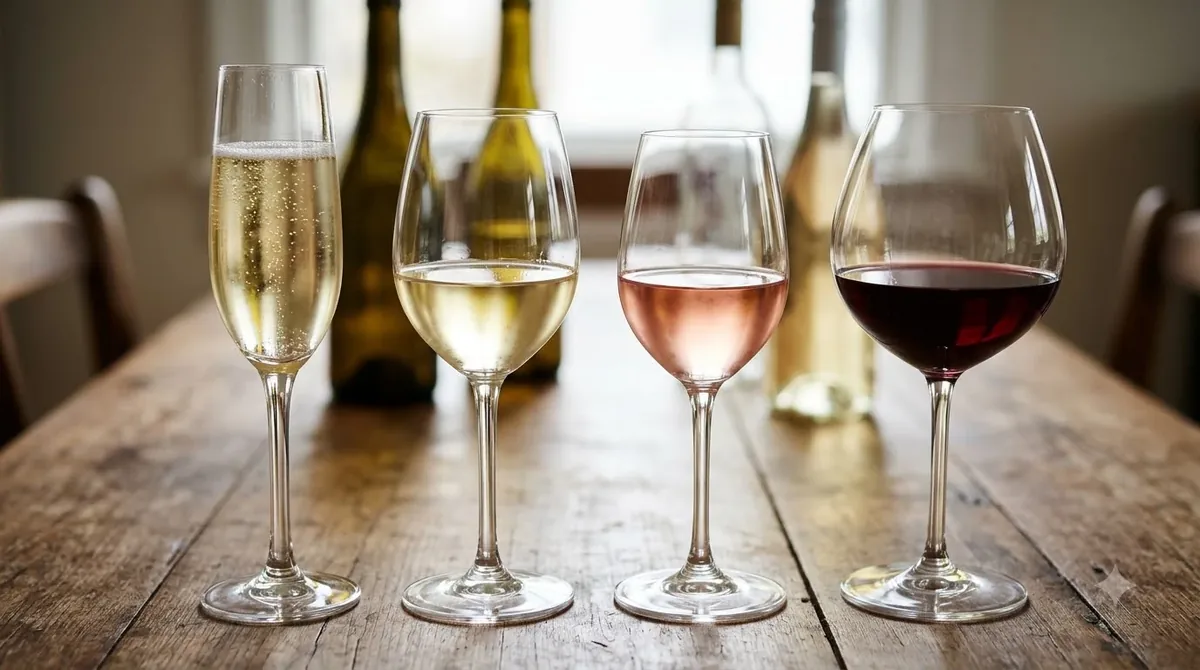
According to Wine Enthusiast’s serving temperature guide, light- to medium-bodied reds like Beaujolais are best poured between 54°F and 60°F. If served at warm room temperature above 70°F, the alcohol becomes more noticeable, the acidity flattens out, and the fruit can taste slightly muddled or tart. Placing a bottle in a standard refrigerator for 30 to 45 minutes before opening brings it right into the ideal cellar-cool zone.
Glassware and aeration also make a noticeable difference. A wide-bowled Burgundy or Pinot Noir glass captures Gamay’s delicate floral and berry aromas while directing the wine across the palate to emphasize its refreshing acidity. Young, simple bottles can be poured straight from the bottle, whereas structured Cru Beaujolais from granite soils benefits from 20 to 30 minutes in a decanter to let any tight, stony aromas open up.
Tip: Put your bottle of Gamay in the fridge for 30 minutes before dinner—a slight chill sharpens its natural acidity and keeps the bright berry fruit tasting crisp rather than jammy.
Food Pairing With Gamay
Because Gamay combines dry, mouthwatering acidity with very low tannins, it ranks among the most food-friendly red wines at the dinner table. Heavy tannins can clash with delicate proteins, spicy seasonings, or tangy sauces, whereas Gamay glides alongside dishes that overwhelm bolder reds.
Classic bistro pairings lean into savory poultry, pork, and charcuterie. Roast chicken with fresh herbs, pork tenderloin, duck breast, and cured meats pair effortlessly because the wine’s brisk acidity cuts through richness without overpowering subtle seasoning. For vegetarian meals, roasted mushrooms, earthy beet salads, lentil dishes, and aged cow’s milk cheeses echo Gamay’s forest-floor and mineral undertones.
Gamay is also one of the few red wines that works reliably with seafood. Cedar-plank salmon, seared tuna, and trout stand up beautifully to a slightly chilled bottle. If you enjoy crisp, versatile bottles at warm-weather meals, you will notice plenty of overlap between Gamay pairings and the dishes featured in our breakdown of whether rosé is sweet or dry, as both rely on lively acid rather than sugar to refresh the palate.
How to Choose a Bottle of Gamay
Shopping for Gamay becomes much simpler once you know how to read regional labels and producer cues. Nearly every bottle on retail shelves will be dry, so your main decision comes down to whether you want something light and playful or structured and earthy.
Check the appellation on the front label first. Bottles labeled simply “Beaujolais” or “Beaujolais-Villages” offer bright, fruit-driven profiles built for casual weeknight drinking within one to two years of the vintage. If you see the name of one of the ten Beaujolais Crus—such as Morgon, Brouilly, Côte de Brouilly, Régnié, or Moulin-à-Vent—expect greater concentration, firmer mineral grip, and deeper savory complexity.
Look closely at alcohol levels and vintage years as well. Bottles sitting around 11.5 to 12.5 percent ABV usually come from cooler sites or vintages, delivering brisk acidity and pure red fruit. Higher alcohol readings closer to 13 or 13.5 percent point toward riper, fuller-bodied styles with darker plum and blackberry character. For shoppers exploring broader categories across our wine by type resource, checking the back label for terms like “unfiltered” or “traditional fermentation” also signals a more savory, old-school expression over a fruity carbonic style.
Frequently Asked Questions
Why does Gamay taste sweet if it is a dry wine?
Gamay smells intensely of ripe strawberries, raspberries, cherries, and violets, and human taste buds associate those fruity aromas with sweetness. Combined with very low tannins that leave no drying bitterness on the tongue, the wine feels soft and juicy even though almost zero residual sugar remains.
Is Beaujolais Nouveau sweet or dry?
Beaujolais Nouveau is fermented dry, just like other traditional Gamay wines. Because it is bottled just weeks after harvest using carbonic maceration, it bursts with fresh banana, candied berry, and bubblegum aromas that create a sweet impression without actual sugar.
Is Gamay sweeter than Pinot Noir?
Both Gamay and Pinot Noir are typically made completely dry with negligible residual sugar. Gamay often feels slightly juicier and more fruit-forward on the first sip because its tannins are softer and its red berry aromas are brighter than most earthy Pinot Noirs.
Are there any sweet styles of Gamay?
Sweet red Gamay is rare, though a handful of producers make off-dry sparkling Gamay rosé or lightly sweet Pétillant Naturel styles. If you prefer crisp bubbles with minimal sugar, our guide on whether Brut Champagne is sweet or dry explains how sparkling sweetness labels work.
Whether you pick up a lively Beaujolais-Villages for a weeknight dinner or an earthy Cru Beaujolais for a special occasion, Gamay delivers vibrant red fruit in a crisp, dry package. Serving it with a light chill unlocks its refreshing acidity and makes it one of the easiest red wines to enjoy year-round.
More in Wine Types & Grapes
 Zinfandel Sugar Content: Dry Red vs. White Zinfandel GramsUpdated Nov 21, 2026
 Best Zinfandel Substitute Options for Sipping and CookingUpdated Nov 21, 2026
 Zweigelt Food Pairing: Best Dishes, Cheeses, and Serving TipsUpdated Nov 21, 2026
 Zinfandel Tannins Explained: How Structure Shapes Every BottleUpdated Nov 21, 2026
 Zinfandel Sweetness Level: Dry Red vs. Sweet White Zin ExplainedUpdated Nov 21, 2026
 Xinomavro Food Pairing: Best Dishes, Styles, and Serving TipsUpdated Nov 21, 2026