


We may earn a commission when you buy through links on this page, at no extra cost to you. Learn more.
Whether is cremant vegan depends on the specific winemaker, because while the base ingredients are plant-based, traditional winemaking often relies on animal-derived fining agents to clarify the wine. Many producers clarify Crémant using mineral clays like bentonite or leave the wine unfined, making those bottles completely suitable for a vegan diet. However, others still use casein, isinglass, egg whites, or gelatin during cellar processing, and European Union labeling laws do not require these processing aids to appear on the back label.
Crémant delivers the fine bubbles and bready complexity of traditional-method French sparkling wine without the steep markup of Champagne. Because it starts with hand-harvested grapes, yeast, and a small dose of sugar for secondary bottle fermentation, you might assume every bottle is automatically plant-based. Yet the clarifying steps that give sparkling wine its crystal-clear brilliance in the glass are where animal byproducts quietly enter the picture.
What Crémant Is and Why Some Bottles Are Not Vegan
Crémant is a category of French and Luxembourgish sparkling wine crafted using the traditional method—secondary fermentation inside the bottle—whose vegan status hinges on how the producer clarifies the base wine before bottling. While fermented grape juice is inherently free of animal ingredients, winemakers routinely perform a clarifying step called fining to remove microscopic proteins and tannins that would otherwise leave the wine hazy.
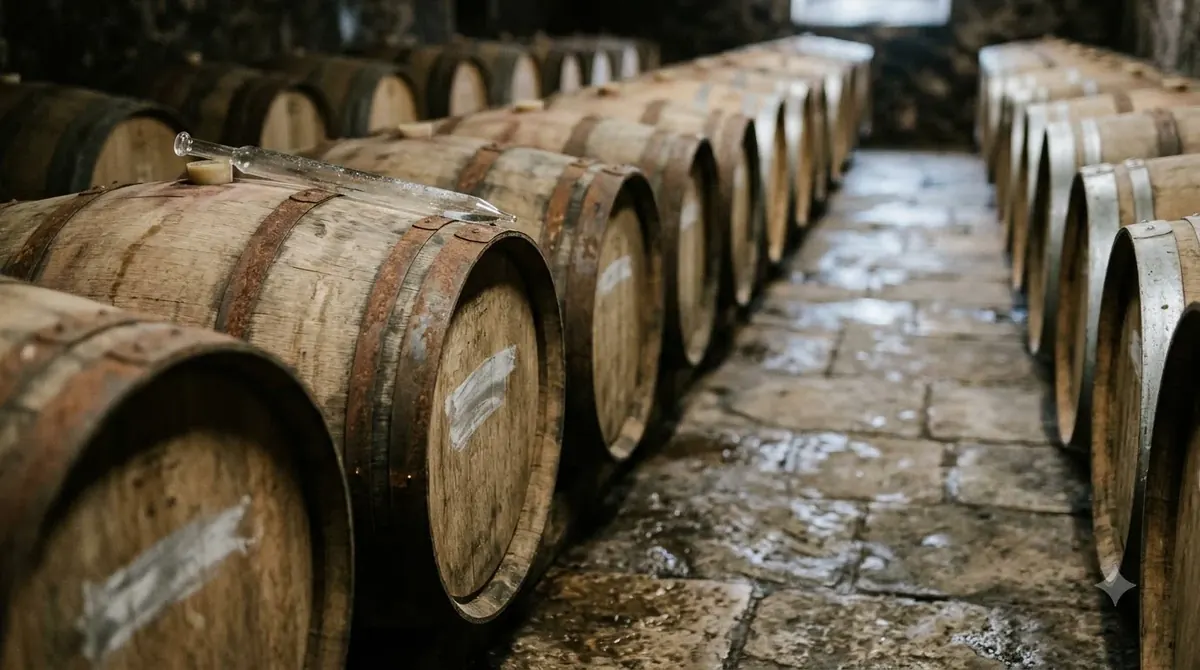
During fermentation, yeast cells, grape proteins, and phenolic compounds remain suspended in the liquid. Left untouched, these tiny particles can make a sparkling wine look cloudy or cause uneven bubble formation when the cork is popped. To polish the liquid, cellar teams introduce a fining agent that carries an electrical charge opposite to the unwanted particles. The fining agent acts like a magnet, binding to the haze-causing molecules until they grow heavy enough to sink to the bottom of the tank.
Once the sediment settles, the winemaker racks the clear wine off the top, leaving the fining agent behind before initiating secondary fermentation in the bottle. Even though these agents are filtered or racked out before the wine reaches your glass, strict vegan standards evaluate every processing aid used during production. If an animal byproduct touched the wine in the cellar, the resulting bottle is not considered vegan.
Understanding this distinction helps clarify why is white wine vegan is such a common question among plant-based drinkers. Sparkling wines undergo the exact same base-wine clarification steps as still whites and rosés, meaning two bottles from the same French appellation can have completely different vegan statuses depending on the cellar protocol.
Animal vs. Vegan Fining Agents Used in Crémant
Winemakers rely on two broad families of fining agents when preparing Crémant: traditional animal proteins and modern mineral or plant-based alternatives. Knowing which compounds belong in each camp explains how a bottle stays vegan without sacrificing visual clarity or crisp texture.
| Fining Agent | Origin / Source | Role in Crémant Production | Vegan Status |
|---|---|---|---|
| Bentonite | Natural volcanic clay | Binds positively charged grape proteins to prevent haze in white and rosé base wines | Vegan |
| Isinglass | Fish swim bladders | Clarifies white base wines and polishes visual brilliance without stripping aroma | Not Vegan |
| Casein | Cow milk protein | Removes color discoloration and subtle oxidation in white sparkling bases | Not Vegan |
| Egg Albumen | Chicken egg whites | Softens harsh phenolics and bitterness, particularly in red-grape rosés | Not Vegan |
| Gelatin | Pig or cattle collagen | Strips astringent tannins and clarifies cloudy base wines | Not Vegan |
| Pea or Potato Protein | Legume or tuber extracts | Binds tannins and phenolic bitterness as a direct plant-based substitute for gelatin | Vegan |
| Silica Sol / PVPP | Mineral / synthetic polymer | Pairs with plant proteins or works solo to stabilize clarity and color | Vegan |
According to Wine Folly, traditional European cellars historically favored casein and isinglass for white wines because they work rapidly and leave delicate aromatics intact. In pink sparklers such as Crémant de Bourgogne Rosé or Crémant d’Alsace Rosé—where Pinot Noir or Gamay skins lend color and structure—producers sometimes turn to gelatin or egg albumen to smooth out rough edges before bottling.
Fortunately, an increasing number of French estates and cooperatives have transitioned away from animal derivatives. Bentonite clay is the workhorse of vegan sparkling winemaking; because it carries a negative electrical charge, it pulls unstable proteins out of white grape juice with zero animal inputs. Other cellars rely on cross-flow filtration, ceramic sterile filters, or extended cold stabilization so the wine clears naturally over time without any fining additives at all.
Key Crémant Regions and Grapes
Crémant is produced across eight official French appellations—plus neighboring Luxembourg—and none of these regions mandate animal fining in their appellation rules. Each appellation restricts winemakers to specific local grape varieties, hand-harvesting, gentle whole-bunch pressing, and a mandatory minimum of nine months aging on the lees.
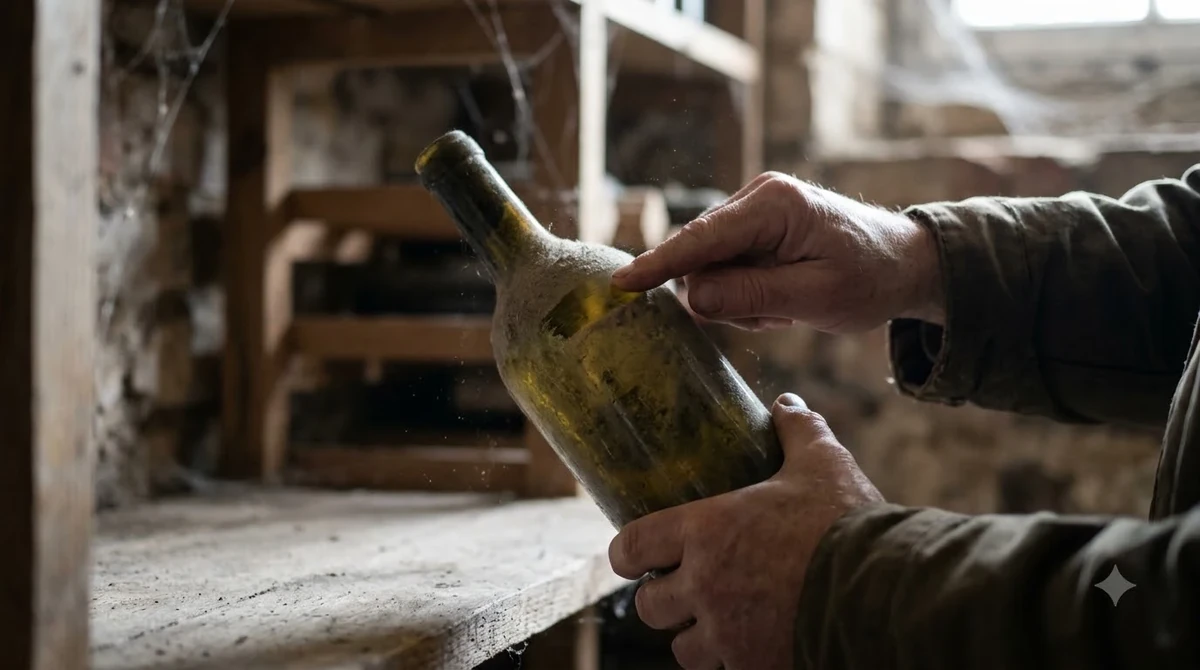
Crémant d’Alsace accounts for the largest share of production, leaning heavily on Pinot Blanc and Auxerrois alongside Pinot Gris, Riesling, Chardonnay, and Pinot Noir (with rosé required to be 100 percent Pinot Noir). Because Alsace has a strong concentration of organic and biodynamic growers, you will frequently encounter minimalist producers here who skip animal fining in favor of bentonite or unfined cellar regimens.
Crémant de Bourgogne mirrors Champagne most closely, built primarily on Chardonnay and Pinot Noir with supporting roles for Gamay and Aligoté. Labels carrying the Eminent or Grand Eminent tiers signify extended lees aging of 24 and 36 months, respectively. Meanwhile, Crémant de Loire draws on Chenin Blanc, Cabernet Franc, and Pinot Noir to deliver crisp orchard-fruit energy, while Crémant de Limoux in southern France blends Chardonnay, Chenin Blanc, and local Mauzac.
Whether you are comparing regional French sparklers or checking is prosecco vegan for an upcoming celebration, the regional grape blend does not determine vegan status. Both Charmat-method Italian sparklers and traditional-method French Crémants depend entirely on individual winery choices rather than regional boundaries.
How to Identify a Vegan Bottle of Crémant
Because neither the United States nor the European Union requires winemakers to print fining agents on bottle labels, verifying a vegan Crémant takes a quick look at third-party seals, back-label clues, and producer databases. Even under European ingredient-labeling rules introduced in recent years, processing aids that are removed before bottling do not have to be disclosed unless they trigger specific allergen thresholds.
Start by scanning the back label for recognized vegan certification logos. Look for the V-Label (a yellow circle with a green V), the Vegan Society sunflower trademark, or BeVeg certification. These independent bodies audit cellar logs to confirm that no animal-derived fining agents, beeswax capsule seals, or animal-based cork glues were used at any stage of production.
Tip: Do not assume an “Organic” or “Biodynamic” seal automatically means a bottle of Crémant is vegan. Both EU and USDA organic standards govern vineyard farming practices and still permit animal fining agents like egg whites, casein, and gelatin in the cellar.
When a bottle lacks an official vegan badge, look for the French phrases non collé (unfined) or non filtré (unfiltered) on the back label, or check the producer’s technical sheet online. If you are shopping at a local wine shop or restaurant, searching the producer and cuvée name on Barnivore—a crowd-verified vegan alcohol directory—will often reveal direct email confirmations from the winery’s winemaker or export team.
How to Serve and Pair Vegan Crémant
Vegan Crémant tastes, sparkles, and ages identically to conventionally fined bottles, meaning you should serve it well chilled and pair it with crisp, high-acid, or savory dishes. As reviewers at Decanter note, Crémant offers vibrant fruit and subtle brioche character best enjoyed young while its fresh acidity is at its peak.
Chill your bottle to roughly 43 to 47 degrees Fahrenheit (6 to 8 degrees Celsius) in the refrigerator for at least three hours, or submerge it in an ice-and-water bucket for 20 to 30 minutes before opening. Serve it in a tulip-shaped sparkling glass or a standard white wine glass rather than a narrow flute; the wider bowl allows aromas of green apple, white peach, and toasted almond to open up while preserving the fine mousse.
At the table, dry Brut Crémant cuts effortlessly through rich, salty, and fried textures. Plant-based pairings shine here: try a bottle of Crémant de Loire or Crémant d’Alsace alongside crispy mushroom tempura, roasted cauliflower with tahini, salted Marcona almonds, or aged cashew cheese. For a quick refresher on French terminology before ordering at a restaurant, check out how to pronounce cremant or browse broader sparkling categories in our guide to Wine by Type.
Frequently Asked Questions
Is all Crémant naturally vegan since it is made from grapes?
No, not all Crémant is vegan. Although the base ingredients—grapes, yeast, and a small dosage of sugar—are plant-based, many winemakers clarify the base wine using animal-derived fining agents such as casein (milk protein), isinglass (fish swim bladders), egg whites, or gelatin. You need to look for a vegan certification seal or confirm that the producer uses bentonite clay or no fining at all.
Are organic or biodynamic Crémants always vegan?
No, organic and biodynamic certifications do not guarantee a vegan wine. Organic regulations focus on how grapes are grown in the vineyard without synthetic pesticides, while still allowing animal fining agents like gelatin and egg albumen inside the winery. Biodynamic farming also uses traditional soil preparations that involve animal horns and bladders.
Does vegan Crémant taste different from regular Crémant?
Vegan Crémant tastes indistinguishable from conventionally fined Crémant. Mineral alternatives like bentonite clay and plant proteins perform the exact same clarifying job as animal proteins without altering the wine’s bubbles, acidity, or brioche notes. Any differences you notice between bottles come down to grape variety, terroir, and time spent aging on the lees.
What does “non collé” on a Crémant label mean for vegans?
The French phrase “non collé” translates to “unfined,” meaning the winemaker did not add any clarifying agents to the tank before bottling. Because fining is the primary step where animal byproducts enter sparkling wine production, an unfined Crémant is almost always vegan-friendly, though certified vegan seals remain the surest guarantee against animal-based cork glues or waxes.
Crémant makes an effortless, crowd-pleasing centerpiece for everything from weeknight takeout to milestone toasts, and finding a plant-based bottle is straightforward once you know what to look for. Keep an eye out for certified vegan logos, unfined cellar notes, or producers who clarify strictly with bentonite clay, and you can pop the cork with complete confidence.
More in Wine Types & Grapes
 Zinfandel Sugar Content: Dry Red vs. White Zinfandel GramsUpdated Nov 21, 2026
 Best Zinfandel Substitute Options for Sipping and CookingUpdated Nov 21, 2026
 Zweigelt Food Pairing: Best Dishes, Cheeses, and Serving TipsUpdated Nov 21, 2026
 Zinfandel Tannins Explained: How Structure Shapes Every BottleUpdated Nov 21, 2026
 Zinfandel Sweetness Level: Dry Red vs. Sweet White Zin ExplainedUpdated Nov 21, 2026
 Xinomavro Food Pairing: Best Dishes, Styles, and Serving TipsUpdated Nov 21, 2026