

We may earn a commission when you buy through links on this page, at no extra cost to you. Learn more.
Frei Brothers wine is a family-run Sonoma County label based in Healdsburg, California, and the brand says its story goes back 125 years. The winery builds its wines around Sonoma’s vineyards and its distinct growing regions, with the emphasis on fruit that reflects where it was grown. Its Reserve bottlings are the part of the range most shoppers ask about. This guide explains the brand’s background, how Sonoma’s climate shapes the wines, and how to choose and serve a bottle.
Frei Brothers is one of the many California wine names that people recognize from the store shelf but rarely learn about. Knowing where the wine comes from and what style to expect makes it easier to decide whether a Frei Brothers bottle fits a dinner, a gift, or a regular weeknight.
The Frei Brothers Story and Base in Healdsburg
The winery is based in Healdsburg, in the northern part of Sonoma County. Its website uses the headline “125 Years of Family Winemaking” and says that for more than a century the company has tended Sonoma vineyards. The brand presents itself as rooted in family tradition, and that continuity is a key part of how it talks about its wines.
Healdsburg sits at the center of several well-known Sonoma wine areas. Wineries in the region often draw on a mix of vineyards rather than a single estate, which gives a winemaker the flexibility to blend fruit from cooler and warmer spots. That flexibility is one reason Sonoma wines can differ so much from one bottle to the next.
How Sonoma’s Regions Shape the Wines
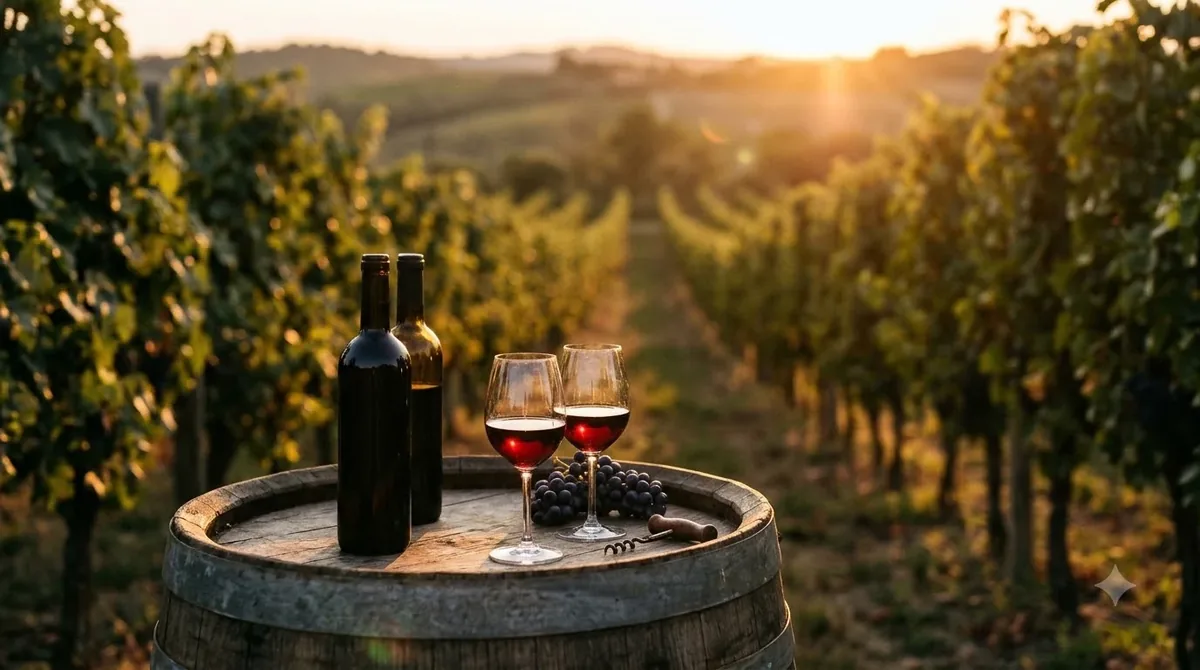
Sonoma is not one uniform growing area. The county has many valleys and ridges, and each has its own soils and temperature patterns. Cool coastal air can slow ripening and keep acidity high, while inland valleys get warmer days that build more sugar and ripe fruit. The brand’s website describes three distinct Sonoma regions that shape its wines through their soils and microclimates, and it highlights “expressive, site-driven grapes” as the core of its approach.
In practice, this means the same grape can taste very different depending on where it was grown. A cooler site often gives brighter, leaner fruit, and a warmer site often gives richer, rounder fruit. For a shopper, the regional mix on the label is worth reading, because it tells you whether the wine is likely to be lively and fresh or ripe and generous.
What “Reserve” Usually Means on a California Label
The word “Reserve” on a California label usually signals a wine made from selected fruit or barrels that the winemaker considers the best of a vintage. The meaning is not legally fixed in the way some European terms are, so the label and the producer’s description are the best guides to what is in the bottle. When a bottling carries the Reserve name, it is typically positioned as the more concentrated, more structured option in that winery’s range.
When you compare a Reserve with a standard bottling from the same winery, look for differences in body, oak character, and length on the finish. A Reserve often feels fuller and more structured, while a standard wine tends to be lighter and easier to drink with everyday food. Neither style is better in general; the right choice depends on the meal and the people at the table.
| Question to ask | What it tells you |
|---|---|
| Which Sonoma region is named? | Likely climate and fruit style |
| Is it a Reserve or a standard bottling? | Usually concentration and structure |
| What grape or blend is listed? | Body, tannin, and flavor direction |
| What vintage is printed? | Freshness and age for the style |
Grapes, Blends and What to Expect in the Glass
Many California bottlings are built on Cabernet Sauvignon, Chardonnay, Pinot Noir, Zinfandel, and blends, and the exact mix changes by vintage. Cabernet Sauvignon, for example, is typically dry and full-bodied, with medium-high tannins and dark fruit flavors such as black cherry and black currant. Wine Folly’s grape guide describes how the variety changes from Bordeaux to California, which helps when you compare a Sonoma bottling with a European one.
White wines from Sonoma often show ripe orchard fruit, citrus, and in some cases a creamy texture if the wine has seen oak. Red blends tend to be fruit-forward and soft, with a range of spice and savory notes depending on the components. When the label names a single grape, you can expect the flavors of that grape to lead; when it names a blend, the balance of the components becomes the main story.
How to Serve and Store Frei Brothers Wines
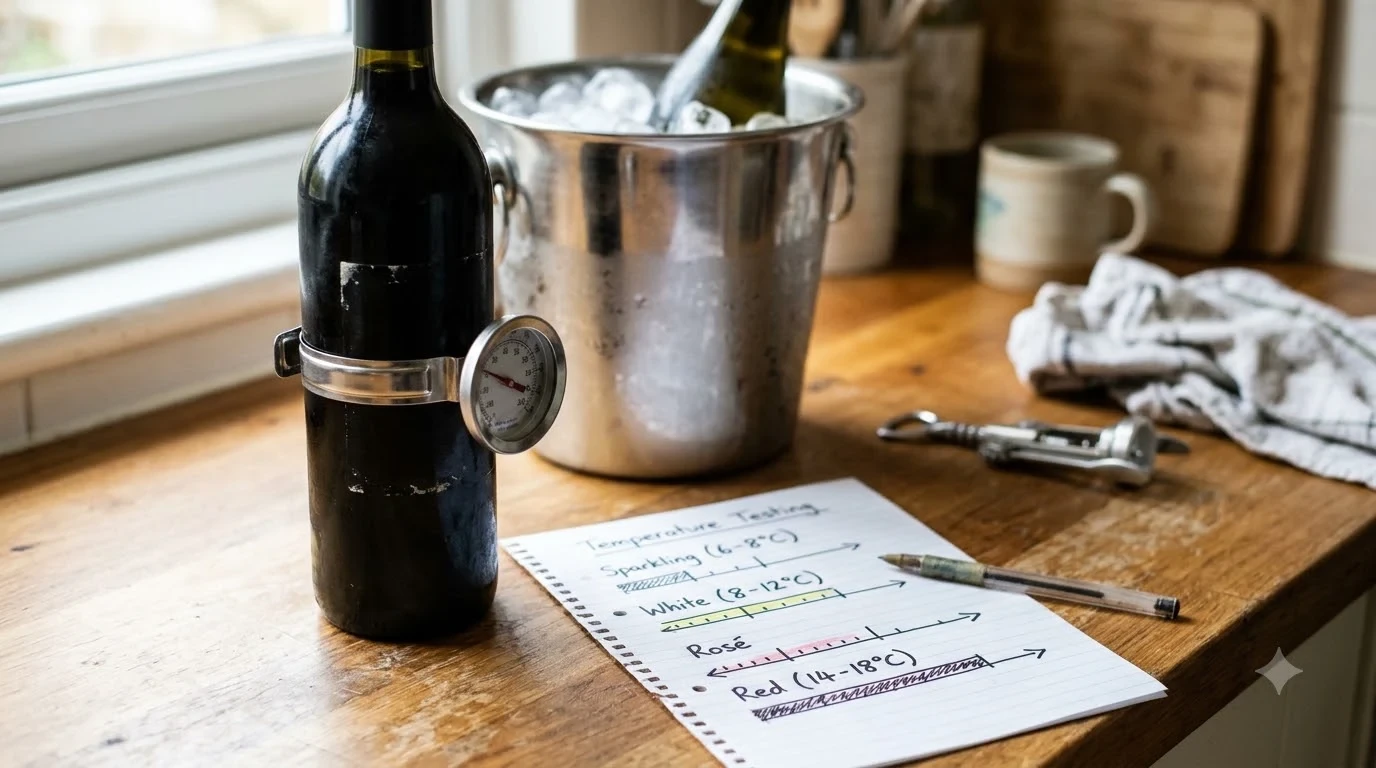
Serve red wines slightly cooler than room temperature, and let them open in the glass for a short while before pouring the second round. A fuller Reserve red benefits from a little more time to breathe than a light, fresh red. White wines should be chilled but not ice cold, because overly cold white wine hides its aromas and makes the flavors seem thin.
Store bottles on their sides if they have natural corks, or upright if they have screw caps, and keep them away from heat and direct light. Reds with more structure can be cellared for a few years, but most everyday bottlings are best enjoyed soon after purchase. If a red wine tastes dull or stale when you open it, the cause is often storage heat, not the wine itself.
Tip: For a dinner with mixed preferences, open a lighter red and a fuller Reserve side by side. Guests usually tell you quickly which style they prefer, and you can pour the rest of the evening accordingly.
Food Pairings for Sonoma Bottlings
Sonoma reds pair naturally with roasted meats, grilled steak, and mushroom dishes, because the savory character of those foods balances the wine’s tannin. A Reserve with more structure works well with a braise or a rich stew, while a lighter red suits roast chicken, burgers, and pizza. Sonoma whites with fresh acidity suit seafood, goat cheese, and salads with citrus dressings, and richer whites suit roast chicken or pork with a fruit sauce.
For lighter meals, match the wine to the sauce rather than the protein. A tomato-based dish will bring out the fruit in a red, while a creamy or buttery sauce calls for a white with some body. That simple rule works well with most Sonoma bottlings and helps you avoid pairing a delicate wine with a dish that overwhelms it.
Who Frei Brothers Suits and How to Choose
Frei Brothers is a good fit for people who want a California wine with a clear sense of place, and for hosts who want a bottle that reflects a specific region rather than a generic blend. If you usually drink lighter European reds, start with a standard bottling and move to a Reserve once you know which style you prefer. If you usually drink bold California Cabernet, a Reserve is the logical next step to explore.
When choosing, read the label for the region, the grape or blend, and the vintage, then match those details to your meal. Compare two bottles side by side if you are unsure, and keep notes on which one your guests reach for first. That habit will teach you more about Sonoma wine than any single description.
Frequently Asked Questions
Where is Frei Brothers wine made?
The winery is based in Healdsburg, California, and its wines are built around Sonoma County vineyards and regions.
What does Reserve mean on a California wine label?
In California, Reserve generally signals a selection of the winemaker’s preferred fruit or barrels. The label and the producer’s description are the best guides to the specific bottle.
Is Frei Brothers wine a good choice for a gift?
It can be. A Sonoma bottling with a clear regional story is an easy talking point, and a Reserve feels more special for a host or celebration.
How should I serve Frei Brothers red wine?
Serve it slightly below room temperature, and let fuller reds breathe for a short time before pouring. Keep white wines chilled but not ice cold.
Frei Brothers wine gives you a readable California style with a clear sense of Sonoma place. Check the region and the bottling type on the label, match the wine to the sauce on the table, and serve it at the right temperature. For broader guidance on how wine brands present their styles, browse the Wine Brands section, and for a contrast with a Napa Valley estate bottling, see Spottswoode. You can read more on the Frei Brothers website and on Wine Folly’s Cabernet Sauvignon guide.
More in Wine Brands
 Underwood Wine Price: Compare Bottles, Cans, and Pack SizesUpdated Nov 21, 2026
 Zenato Wine Price: Compare Styles and Choose the Right BottleUpdated Nov 21, 2026
 Zuccardi Wine Price: Compare Bottles and Find the Right RangeUpdated Nov 21, 2026
 Yellow Tail Moscato Review: Taste, Sweetness and Serving TipsUpdated Nov 21, 2026
 Wolf Blass Yellow Label Review: Choose Your Best StyleUpdated Nov 21, 2026
 Wolffer Estate Rose Review: Choose the Right Bottle for Your TableUpdated Nov 21, 2026