

We may earn a commission when you buy through links on this page, at no extra cost to you. Learn more.
Kentucky wine is mostly made from French-American hybrids and native grapes, and it ranges from dry whites and fruity reds to sweet wines that many producers mark with a standardized sweetness number. The state has close to 70 small-farm wineries, and most of them focus on fruit grown in Kentucky. Learning a few label cues makes it much easier to pick a bottle you will enjoy.
This guide explains what Kentucky wine tastes like, how the sweetness scale works, which grapes you are likely to see, and how to serve and pair these bottles. If you are new to the state’s wines, read the label cues first and then try a few styles side by side.
What Kentucky Wine Is Made From
Kentucky’s climate favors French-American hybrids and native grapes over classic vinifera. That does not limit the styles. It means many of the state’s wines are built around grapes bred to handle humid summers, and the results are often fresh, fruit-forward, and easy to drink.
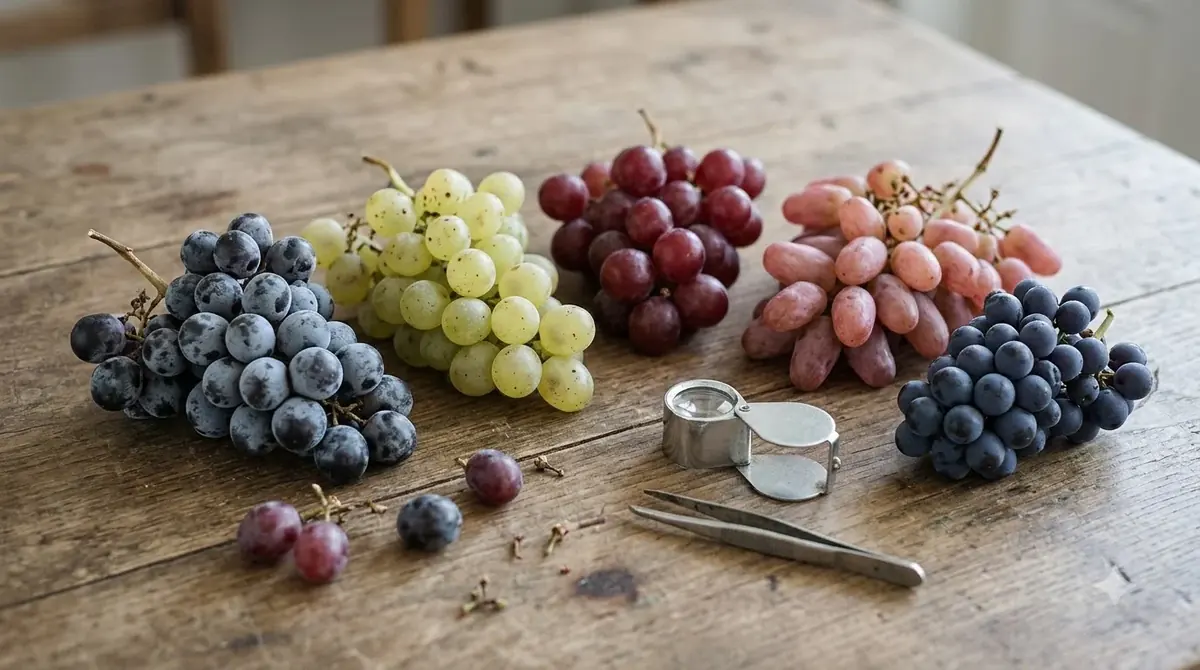
Vidal Blanc, Chambourcin, and Chardonel are among the most common hybrids. Older plantings include Concord, Catawba, and Norton, while more recent vineyards have added Cabernet Sauvignon, Chardonnay, and Cabernet Franc. A winery’s grape list is therefore the fastest way to predict the style of a bottle before you open it.
How the Kentucky Sweetness Scale Works
Many Kentucky wineries print a standardized sweetness number on their labels, based on residual sugar and adjusted for acidity. The scale runs from 1 to 6. A 1 is bone dry, 2 and 3 are dry to off-dry, 4 is semi-sweet, and 5 and 6 are sweet to lusciously sweet.
The scale is useful because the words “dry” and “sweet” mean different things to different people. A wine with high acidity can taste dry even when it has some residual sugar, which is why the number is adjusted for acidity. If you prefer dry wine, look for a 1 to 3. If you want a dessert-style bottle, a 5 or 6 will deliver a rich finish.
| Sweetness number | Style | Good with |
|---|---|---|
| 1 | Bone dry | Seafood, salads, and light appetizers |
| 2 to 3 | Dry to off-dry | Roast chicken, pork, and fresh cheese |
| 4 | Semi-sweet | Spicy dishes and fruit-based desserts |
| 5 to 6 | Sweet to lusciously sweet | Dessert, or sipping on its own |
The pairing suggestions above are general starting points rather than rules. Sweetness is one part of the picture, and acidity, body, and fruit character matter just as much when you choose a bottle for a meal.
Where Kentucky Wine Comes From
Kentucky wine has a long history that most visitors do not expect. The state’s first commercial vineyard dates to 1799, and by the late 1800s Kentucky ranked among the largest grape and wine producers in the country. Prohibition wiped out most of that industry, and the modern wine scene began to take shape only after the state passed legislation in 1976 that allowed wineries to operate.
Today the wine comes from several distinct areas. Central Kentucky and the Bluegrass have many of the best-known small wineries, while northern river counties near Covington and the western wine trail around Paducah offer their own groups of producers. Bullitt County adds a wine and whiskey trail, which is a good way to see how wine fits into the state’s broader food and drink scene.
Because most wineries are small family operations, the wine calendar follows local festivals. Those events are seasonal and mostly regional, and their dates change every year, so check with the hosts or the trail associations before you plan a visit. A tasting room visit remains the best way to find the wines you like, since you can compare several sweetness numbers side by side before you buy a full bottle.
Common Kentucky Wine Styles
Kentucky wine covers a wide range, but three broad styles show up most often. The first is the fresh white, usually made from hybrids such as Vidal Blanc or from Chardonnay. These whites tend to be bright and easy to drink, and they suit warm afternoons on a patio.
The second is the fruity red. Chambourcin is one of the most widely planted hybrids for reds, and winemakers use it for medium-bodied wines with plenty of fruit. Cabernet Sauvignon and Cabernet Franc from newer vineyards offer a more classic option for buyers who want a traditional red.
The third is the sweeter bottle. Many producers use the sweetness scale to label these wines clearly, so you can tell whether a 4 will suit your palate. Sweet wines are often the most approachable entry point for people who are new to Kentucky wine, because the fruit is easy to notice.
Awards and Labels to Look For
Kentucky’s wine industry has its own competition, run by the state Department of Agriculture and the Kentucky Winery Association. Medals from that competition help shoppers find wines that have been judged by a panel, though many small wineries also enter regional and national events.
The state’s top honor is the Commissioner’s Cup. It goes to gold-medal wines made from at least 75 percent Kentucky-grown fruit. Labels from those wineries often carry the medal, and the sweetness number is usually printed nearby. Reading both gives you a quick sense of the bottle before you buy it.
For more details about the state’s wine trade, a Kentucky wine guide explains the sweetness scale, the main regions, and the award system in plain language. It is a helpful starting point if you want to learn the terms before you visit a tasting room.
How to Serve and Pair Kentucky Wine
Serving temperature makes a noticeable difference. Chill fresh whites well, and let fuller reds rest a little before pouring so the fruit has room to show. Sweeter wines are often best served cool rather than cold, since extra chill can mute their aromas.
Pairing works best when you match the wine to the dish’s weight and intensity. A dry white with good acidity goes well with light seafood and salads. A medium red suits roasted meats and mushroom dishes. A sweeter wine with a 4 or higher balances spicy food and fruit desserts, and it can also make a simple afternoon snack feel special.
Tip: Open a bottle with a sweetness number of 2 or 3 first if you are unsure of your taste. It gives you a clear reference point before you move to sweeter or drier styles.
Frequently Asked Questions
What does the Kentucky wine sweetness scale mean?
The scale runs from 1 to 6. Wineries use it to show residual sugar, adjusted for acidity. A 1 is bone dry, 2 and 3 are dry to off-dry, 4 is semi-sweet, and 5 and 6 are sweet to lusciously sweet.
Which grapes are used in Kentucky wine?
Most Kentucky wines come from French-American hybrids and native grapes, such as Vidal Blanc, Chambourcin, and Chardonel. Some vineyards also grow Cabernet Sauvignon, Chardonnay, and Cabernet Franc.
What is the Commissioner’s Cup?
The Commissioner’s Cup is the state’s top honor for wine. It goes to gold-medal wines made from at least 75 percent Kentucky-grown fruit in the state’s commercial competition.
Is Kentucky wine always sweet?
No. Kentucky wineries make dry whites and reds as well as sweeter bottles. The sweetness number on the label helps you choose a dry or sweet style before you buy.
Kentucky wine rewards a little label reading. Start with a dry white or a 2 or 3 red, then move up the sweetness scale as you learn your preferences. To learn more about the vineyards behind these bottles, read the Kentucky vineyards guide, and compare the styles with other American bottles in the Arizona wine guide or the wine regions overview.
More in Wine Regions
 Willcox Wine Trail: Discover Arizona’s High-Elevation Wine CountryUpdated Nov 20, 2026
 Yakima Valley Wine Region: Find the Best Styles to TryUpdated Nov 20, 2026
 Vosne Romanee Wine Tasting: Identify Aromas and Choose Better PairingsUpdated Nov 20, 2026
 Yakima Valley Wine Festival: Find the Best Seasonal Wine EventsUpdated Nov 20, 2026
 Wales Vineyards: Discover Cool-Climate Wines and Where to VisitUpdated Nov 20, 2026
 Yountville Wine Festival: Discover Napa Wines and Local FoodUpdated Nov 20, 2026